Why serious home cooks are ditching foodsaver for this chamber sealer
Official homepage: https://avidarmor.com
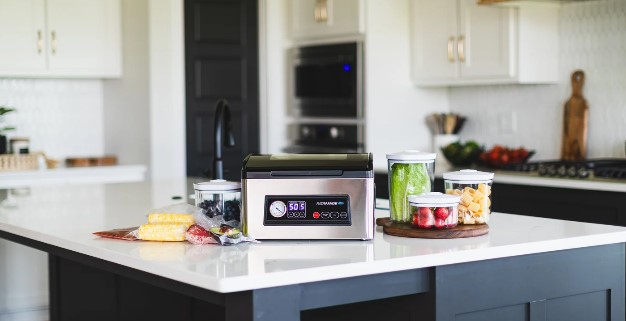
Vacuum sealing at home usually means a FoodSaver-style suction machine that panics at the sight of soup. Avid Armor built its entire store around the alternative: chamber vacuum sealers, the countertop technology restaurants have used for decades. Founded as a US company operating from Lenexa, Kansas, the store sells three chamber models, chamber pouches, Mylar bags, and accessories aimed at home cooks, hunters, gardeners, and small-batch food businesses. This review examines the store from every angle — the technology, the product ladder, pricing, support, and whether a chamber sealer actually belongs in a home kitchen.
A Kansas Store Betting Everything on Chamber Technology
Avid Armor presents itself plainly as "a proud US company," with operations based in Lenexa, Kansas. The honest fine print matters here: per the store's own FAQ, its sealers are designed, tested, and serviced in the USA, but manufactured in China. That is a common arrangement in this product category, and the store does not hide it. Support, warranty service, and product testing happen domestically, which is more than many badge-engineered Amazon brands can say. The site claims a 4.6 out of 5 average across roughly 1,400 verified customer reviews, includes a warranty with every machine, and offers a 30-day return window plus free-shipping thresholds.
The Chamber Advantage Suction Sealers Cannot Match
The core pitch is physics, not marketing. A suction sealer vacuums air out of a bag through a small channel, which is why liquids get sucked into the pump and why only special embossed bags work. A chamber sealer places the entire pouch inside a vacuum chamber, so air pressure equalizes on both sides of the bag — liquids, soups, sauces, and marinades seal cleanly with zero mess. Chamber pouches are also dramatically cheaper per bag than embossed suction bags, and the machines handle standard Mylar bags, which suction units famously fail at. Oversized items can still be sealed externally, suction-style, so nothing is lost.
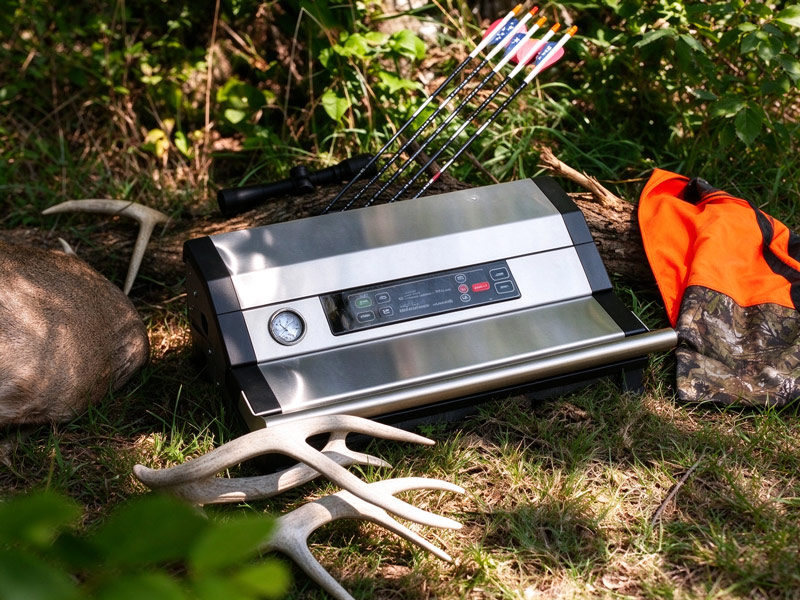
Three Machines Spanning Entry to Pro-Grade Work
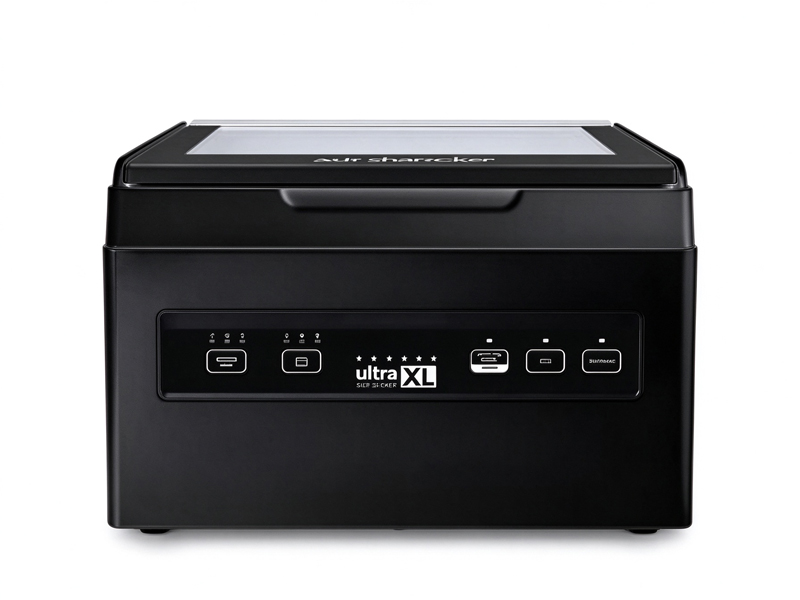
The lineup is tight and deliberately tiered. The USVX Ultra Series X is the volume seller: on sale around $294–299 against a $399 list price, with a 10-inch seal bar, black stainless finish, flat tempered glass lid, 18.8-pound footprint, and a 280-watt pump. The mid-range USV20 runs $319 (list $349) with an 11.5-inch seal bar and a molded plastic chamber at 17.55 pounds. The flagship USV32 costs $529 (list $599), upgrades to a full stainless steel chamber, an arched tempered glass lid, a pouch clamp bar, and weighs 26.4 pounds. Every model shares one-touch Auto Vac and Seal operation.
Controls, Accessories, and the Marinating Trick
Operation is deliberately simple: three vacuum levels, three seal times, and progress lights that walk a first-time user through each cycle. An accessory port on each machine supports jar and canister sealing with the included hose. The USVX adds a marinate function that runs two back-to-back 30-second vacuum cycles — pressure opens the pores of meat so marinade penetrates in minutes instead of hours. The USVX ships with 30 BPA-free 8-by-10-inch chamber pouch samples and holds an in-house 4.8 product rating. Independent hands-on coverage from sites like Homebrew Finds has echoed the same verdict: tighter packs and better seals than a FoodSaver, with Mylar re-sealing the site calls unmatched.
Warranty, Returns, and the Honest Limitations
Every machine carries a one-year warranty — serviceable, though shorter than the multi-year motor warranties premium kitchen brands offer. The 30-day return window reduces the risk of committing to a heavier, pricier machine than a first sealer buyer expects. Customer service is US-based, and spare pouches, bags, and parts are stocked directly. The main cost-of-ownership consideration is the machine's weight and counter footprint: even the lightest model approaches 18 pounds, so this is an appliance that earns a permanent station, not a drawer.
A FoodSaver Upgrade, Not a First Sealer
Avid Armor's store succeeds at one thing with unusual clarity: it makes the case that chamber sealing is no longer restaurant-only technology. For home cooks who regularly freeze soups and sauces, process garden harvests, seal Mylar for long-term storage, or marinate in bulk, the pouch economics alone can repay the premium over a suction unit within a year. For occasional users sealing dry goods a few times a month, a $60 suction sealer remains the rational choice. The store knows its audience, prices the machines honestly, and backs them with domestic support.