Why branch became the design world's favorite office chair brand for under $400
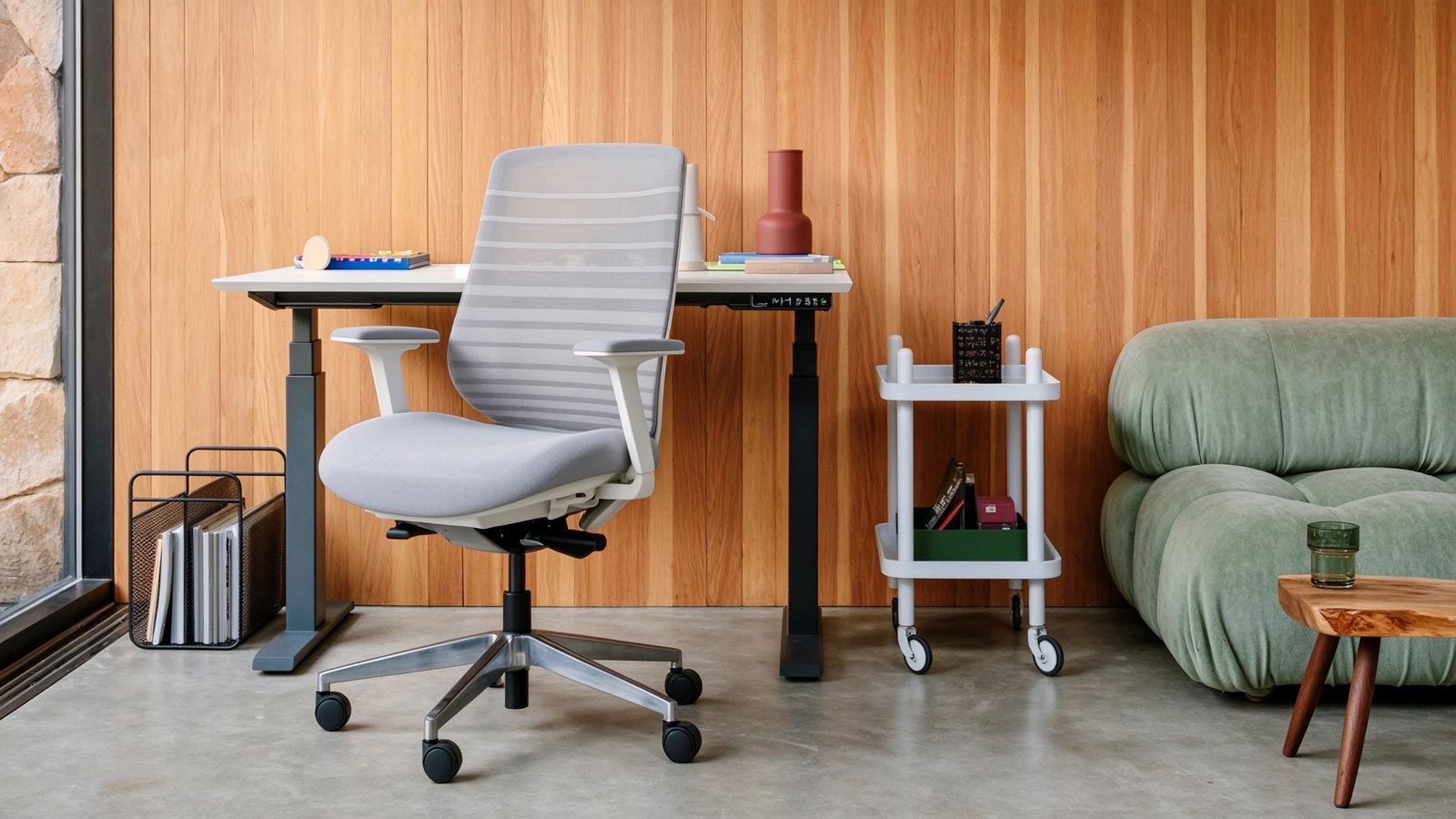
Official homepage: https://www.branchfurniture.com
Office furniture used to run on a two-class system: contract dealers who would not return a small buyer's calls, and big-box chairs that treated eight hours of sitting as an afterthought. Greg Hayes founded Branch in 2018 to close that gap — an "Everlane for office furniture" selling professional-grade chairs and desks direct to the home-office market just before the pandemic made that market everyone. This review examines the storefront dimension by dimension: the founding logic, the corporate undertow, the chair ladder from $259 to $599, the standing desk, the anti-fast-furniture file, and what three independent testing desks found wrong.
An Everlane for office chairs, founded 2018
Hayes' founding diagnosis, retold by reviewers and in his own interviews, was that buying office furniture as an individual was broken. The professional brands sold through contract dealers who priced for bulk and ignored anyone buying one chair; the consumer alternatives at office superstores were designed to a price, not to a spine. Branch's pitch was the direct model applied to contract quality — commercial-grade engineering, fair prices, free and fast shipping, sold one chair at a time to people working from bedrooms and kitchen corners. The Quality Edit's early coverage captured the positioning in a phrase that stuck: the company existed to make high-quality commercial office furniture accessible, outfitting the offices of name-brand tech companies at half the traditional price.
The timing was fortuitous in the way that defines an era. Founded in 2018, Branch had two years to build its home-office line before the pandemic converted a niche into a mass market; the reviewers who tested its early chairs were the same remote workers the company had been built to serve.
The Google, Shopify, and Tumblr corporate undertow
One detail separates Branch from the consumer-office crowd: the business-to-business channel came first and never left. The company outfits the offices of Google, Shopify, and Tumblr — a corporate undertow that shapes the storefront in both directions. Consumers get contract-grade engineering at consumer prices, validated daily by the hardest customers in furniture; the corporate leg, however, means the consumer store is one line of a multi-channel business, and the service experience sometimes reads that way — efficient rather than indulgent.
The two-way exchange matters for quality: a chair that survives a thousand-employee rollout arrives at a home office with its failure modes already engineered out. It also means product development follows workplace usage patterns — durability, cleanability, neutral palettes — rather than the flashier instincts of pure consumer brands.
The chair ladder: from $259 Daily to $599 Verve
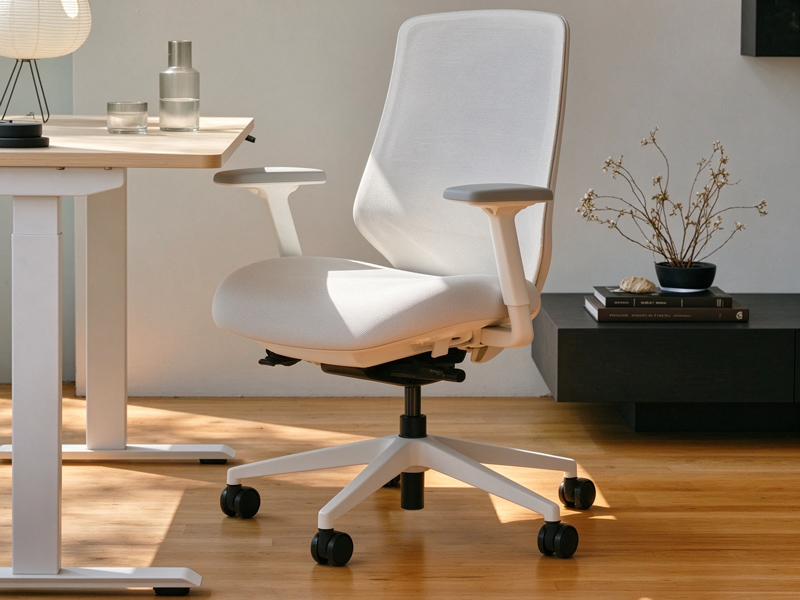
The catalog is a deliberate ladder. The Daily Chair at $259 is the style-first entry — nature-inspired colorways, white or chrome frame, breathable nylon back made of seventy percent recycled material, lumbar rest and height-adjustable arms — and independent reviewers consistently call it the best-looking chair at its price. The Task Chair at $299 shifts to function: a synchro-tilt mechanism with four lock positions and height-adjustable lumbar; one long-form testing desk named it the best office chair under $300. The Ergonomic Chair at $369 is the bestseller, with seat-depth adjustment and a contoured upper backrest. Above them sit the Ergonomic Chair Pro at $499 and the Verve at $599 with a 3D-knit weave — a range engineered so every rung has a reason to climb.
The same testing desk that praised the Task delivered the ladder's most useful caveat: the bestselling Ergonomic Chair was its least favorite, with armrests positioned too far forward and a mesh that lets heavier sitters feel the frame's hard edges — proof that bestseller status and ergonomic optimality are different leaderboards, and that the $299 rung deserves its own look.
The standing desk and the programmable workday
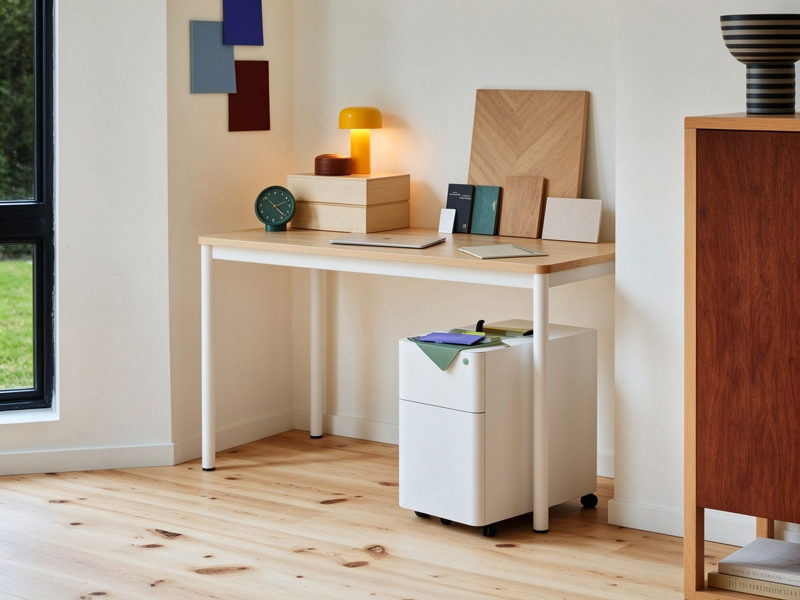
Around the chairs sits a desk program built on the same thesis. The Standing Desk runs about $699 with a dual-motor base, a height range from twenty-six to fifty-one inches, programmable presets for four positions, and a weighty, tool-labeled assembly that reviewers describe as a workout with a handsome reward. Tabletops come in white and woodgrain; options include monitor arms and in-desk power with outlets, USB ports, and a wire box. Good Housekeeping, New York Magazine, and Apartment Therapy included the desk in their best-standing-desk roundups of the pandemic era — the design press footprint that the chair line later matched.
The commercial desks and team tables extend the line into offices proper, keeping the engineering amortized across both markets and the prices honest for home buyers who want the same hardware their employer would order.
No fast furniture: Flex and the waste ledger
The sustainability file begins with an industry statistic the brand repeats often: companies offload roughly 117 million pounds of furniture waste each year. Branch's stated response is the antithesis of fast furniture — pieces built to last as long as possible, a limited warranty measured in years rather than months, and Branch Flex, a trade-in program that credits customers toward new pieces when they move or upgrade, keeping chairs in circulation. The Daily Chair's back carries seventy percent recycled nylon; packaging is fully recyclable; the product philosophy is anti-obsolescence by design.
Against the pet crate and cookware brands in this site's other categories, the environmental argument here is longevity rather than materials — the greenest chair is the one not replaced — and the Flex program is the mechanism that makes the claim operational rather than rhetorical.
What three testing desks found wrong
The independent record is unusually specific. Reviewed's months-long Daily Chair test praised the support and the palette, then flagged two defects: the back height does not adjust — buyers outside roughly five feet to five-eleven should look at the taller Task — and the armrest finish scratches easily against rings and desk edges. The long-form BTOD comparison preferred the Task under $300 and criticized the bestselling Ergonomic Chair's forward-set arms and hard mesh edges. A three-year owner update on an independent review site reported the chair holding up well at the price, with the lumbar pad firmer than ideal and the hard casters the only cheap-feeling component.
The pattern across all three: value and design consistently exceed the price; adjustability and finish durability consistently stop short of the $1,000 contract chairs the brand positions against. That is the honest ceiling, and the store's own ladder prices it honestly.
Warranty, thirty days, and the trial math
The commercial terms sit in the middle of the category. The limited warranty runs seven years on parts and components — longer than budget rivals, shorter than the decade-plus coverage the company has advertised at various points, so buyers should read the current terms on the product page rather than the marketing archive. Returns run thirty days with refund minus return shipping, the standard remote-furniture compromise. Shipping is free and fast — chairs arriving in two to three days is the norm reviewers cite — and assembly runs twenty minutes with clearly marked hardware, an underrated pleasure the testing desks keep mentioning.
The math for the risk-averse: a $259–$369 chair with free shipping, a thirty-day window, and a seven-year parts warranty is a bet most home offices can justify; the used market in contract chairs remains the alternative for purists who want an Aeron and a forklift.
The verdict for the remote-work renovator
Branch's storefront is the home office's most coherent answer to the two-class system Hayes founded the company to fight: a chair ladder that starts at the price of a nice dinner and ends below the contract brands' entry fee, a desk program with the same logic, corporate validation from customers who buy by the hundred, and a waste ledger that treats longevity as the greenest spec. The flaws are known, published, and priced: fixed back heights, scratchable arms, firm lumbar, hard casters.
Buy here if you work from home full-time and want contract-grade engineering without the contract dealer, if the $299 Task or $369 Ergonomic matches your body and budget, and if a seven-year parts warranty and Flex trade-in count as environmental credentials. Buy used Herman Miller or Steelcase if you want the adjustability ceiling and will hunt resale. For the remote-work renovator outfitting a room for the long haul, this 2018-vintage storefront remains the design press's favorite answer under $400 — and the testing desks' caveats are the map to which rung to buy.