How a miami couple's 'don't be boring' rule built a woman-powered furniture brand
Official homepage: https://tovfurniture.com
In 2013, a husband-and-wife team in Miami looked at the furniture industry and saw a gray-suited old boys' club selling beige sofas to people twice their customers' age. Bruce Krinsky brought a real-estate operator's instinct for broken systems; Chaya Krinsky brought a boho eye trained on runways rather than showrooms. Together they founded TOV Furniture under a single rule — Don't Be Boring — and built a company where eighty percent of the two-hundred-plus staff are women, where collections begin on fashion runways, and where the lookbook is written in boutique hotels from Montauk to Aspen. This review examines the storefront dimension by dimension.
A real-estate mind and a boho eye
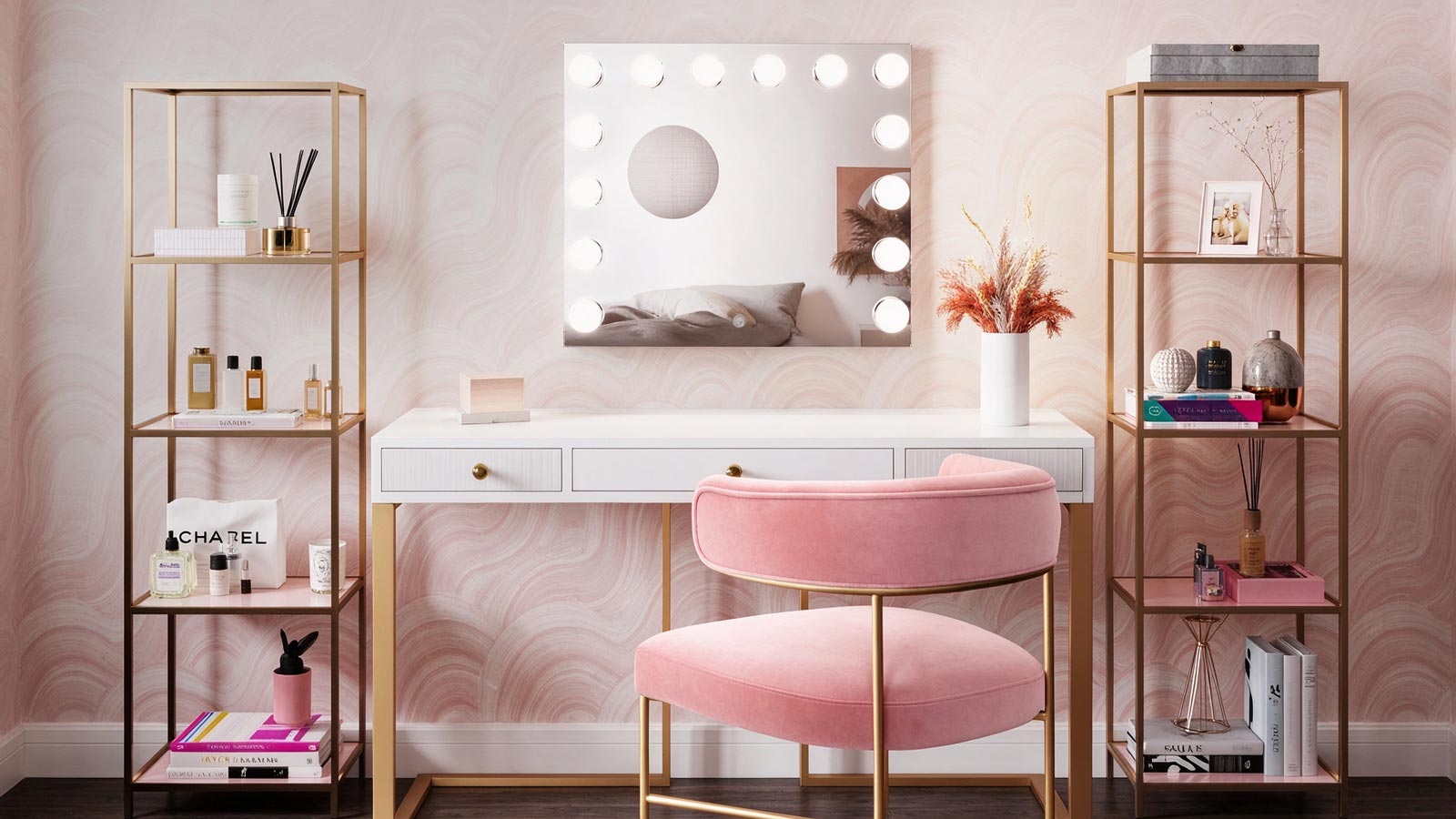
The partnership's division of labor is printed on the company's own About page with unusual candor. Bruce Krinsky — the co-founder the site titles Chief Problem Solver — came from years in real estate, with what the company describes as a passion for reinventing outdated systems and a disruptor's instinct for putting customers at the center of broken industries. Chaya Krinsky, the lead visionary, is a Long Beach, California native whose design perspective was shaped by travel, culture, and the lived experience of being both a mother of three daughters and a woman in a male-dominated industry. Where the industry's establishment chased catalog conservatism, her references came from fashion — boho roots, current trends, and a pastel palette the furniture establishment had not dared to saturate.
The founding gap, as she has described it in interviews, was representation: the industry offered nothing youthful, nothing fashion-forward, nothing that looked like the Instagram generation's aspirational feed. TOV — the name simply means good — was built to fill it, one velvet chair at a time.
Don't Be Boring: the motto and the gap
The motto functions as a constitution. Every collection is judged against it; every textile choice, from sherpa to vegan leather to channeled velvet, earns its place by adding sensation rather than safety. The company's own retail copy frames the philosophy as dopamine decor — the post-pandemic insight that homes should spark joy, conversation, and identity, delivered through saturated hues, eye-catching prints, oblong silhouettes, and textures you want to touch. The 2023 editorial that named the trend reads as a manifesto: furniture as mood engineering rather than room filling.
The risk of the constitution is the flip side of its energy: a brand that lives on trend must surf every wave, and a catalog built on dopamine must keep finding new dopamine when the algorithm moves on — the central tension the honest review must weigh.
Fashion week as the R&D department
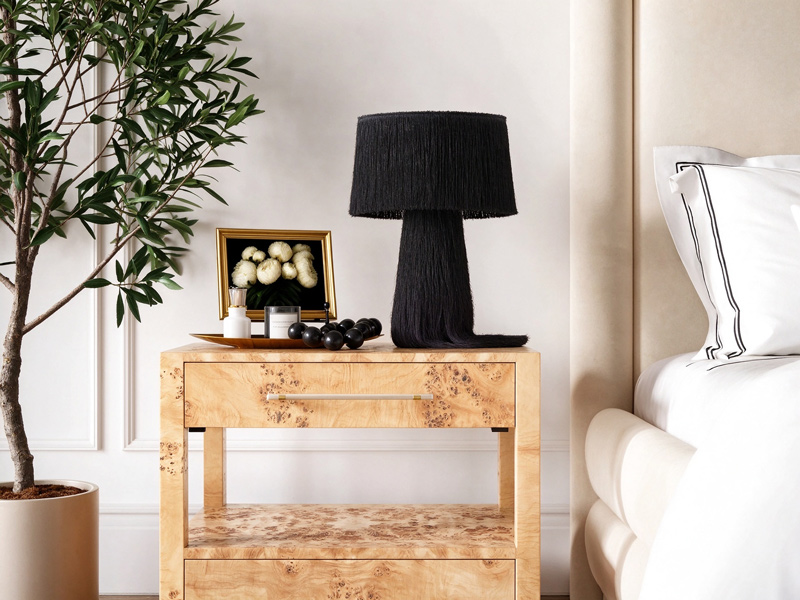
TOV's product-development method is the most fashion-industry of any furniture brand reviewed in this category: collections begin on runways, not at furniture markets. Chaya has described examining runway trends and translating them — silhouettes, textiles, palettes — into furniture at accessible prices, a pipeline that lets a bouclé seen at Milan appear on a dining chair at a fraction of the couture price. The velocity shows in the calendar: performance bouclé dining chairs in Scandinavian shapes, channeled benches with museum-polish curves, vegan leather in liquid-repellent finishes, and oblong occasional silhouettes that read as sculpture before function.
The method's limitation belongs in the ledger too: runway cycles are shorter than upholstery cycles, and a brand translating fashion tempo into furniture production must either hold inventory risk or chase scarcity — the recurring tension in TOV's in-stock model, where bestselling colors move quickly and restock timing follows production realities.
Woman-powered from design to shipping
The company calls itself proudly woman-powered, and the statistics back the adjective: more than eighty percent of its two-hundred-plus global employees are women, across every function from design to production coordination to shipping. The mission extends outward through collaborations with female artisans and designers, positioning the brand as a platform for women's work in an industry whose manufacturing and retail leadership has historically been male. Chaya's interviews return to the theme with the specificity of someone who has sat in the meetings: being underestimated in a male-dominated industry, she has said, became fuel — and her three daughters are the audience she says she designs for.
For the storefront, the identity functions as both values statement and merchandising filter: the catalog's color confidence, its hosting-friendly dining chairs, its nursery-adjacent sensibilities — all read as designed by the demographic they serve, which is rarer in furniture than it should be.
Hotels and lodges as the lookbook
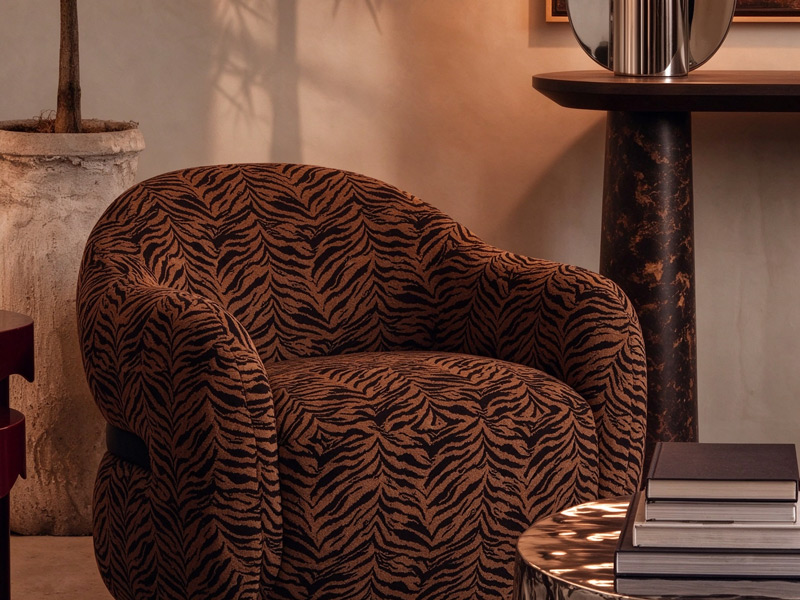
The most distinctive shelf in TOV's distribution strategy is hospitality. Rather than build company-owned showrooms, the brand places collections in culturally aligned venues people already visit: Surf Lodge in Montauk, Snow Lodge in Aspen, and the boutique-design trade fair circuit at BDNY. The logic inverts the furniture-store model — instead of asking customers to come look at furniture, TOV puts furniture where the customer's aspirational weekend already happens, letting the velvet chair be discovered in the wild, photographed, and shopped later. Hotels and restaurants function as the lookbook you can sit in.
The trade program extends the same idea to scale: designers, stagers, and boutique-hotel buyers access the catalog with trade pricing, making the hospitality presence both marketing channel and revenue line — the B2B flywheel that funds the Instagram-native brand.
A million bottles and the honest texture
The sustainability ledger is stated in numbers: by 2025 the company reported having saved more than one million bottles through recycled materials in its products, alongside a milestone of one million homes furnished. The claim sits at the level of material substitution rather than certification — the company does not publish the third-party audit walls of the organic bedding or mattress brands reviewed in this category — and the honest texture extends to manufacturing: TOV designs in Miami and crafts globally, meaning import production without the factory-certification theater, and with it the provenance opacity that buyers who read supply chains will notice.
The review corpus is thinner than the brand's social footprint: TOV's reputation lives on Instagram and in hospitality photography more than in long-form third-party testing, which means buyers validating by independent durability reviews will find less evidence than the aesthetic volume suggests — a data gap, not a quality verdict, but one the review must state.
The verdict for the trend-bold decorator
TOV's storefront is the furniture industry's fashion-house answer: a woman-powered Miami operation translating runway tempo into velvet and bouclé at accessible prices, distributing through hotels people photograph and a motto — Don't Be Boring — that functions as both brand promise and quality filter. The cons are the cons of the model: trend-cycle exposure that cuts both ways, import manufacture without audit theater, a review corpus thinner than the Instagram volume, and no owned showrooms for the sit-test generation.
Buy here if your taste runs ahead of the catalog mainstream, if a channeled velvet bench or a performance-bouclé dining chair is the exact note your dining room needs, if you shop furniture the way you shop fashion — by silhouette and texture — and if a woman-led design house with a million-bottle ledger and a Montauk lookbook matches your values. Buy the category's heritage manufacturers if decade-scale durability testing and factory certifications are your language of trust, or the budget omnichannel brands if price rules. For the decorator who treats rooms as outfits and refuses the beige default, this couple's anti-boring constitution remains the category's most fashion-literate storefront.