Lulu and georgia at thirteen: three generations of design legacy, one crashed launch day
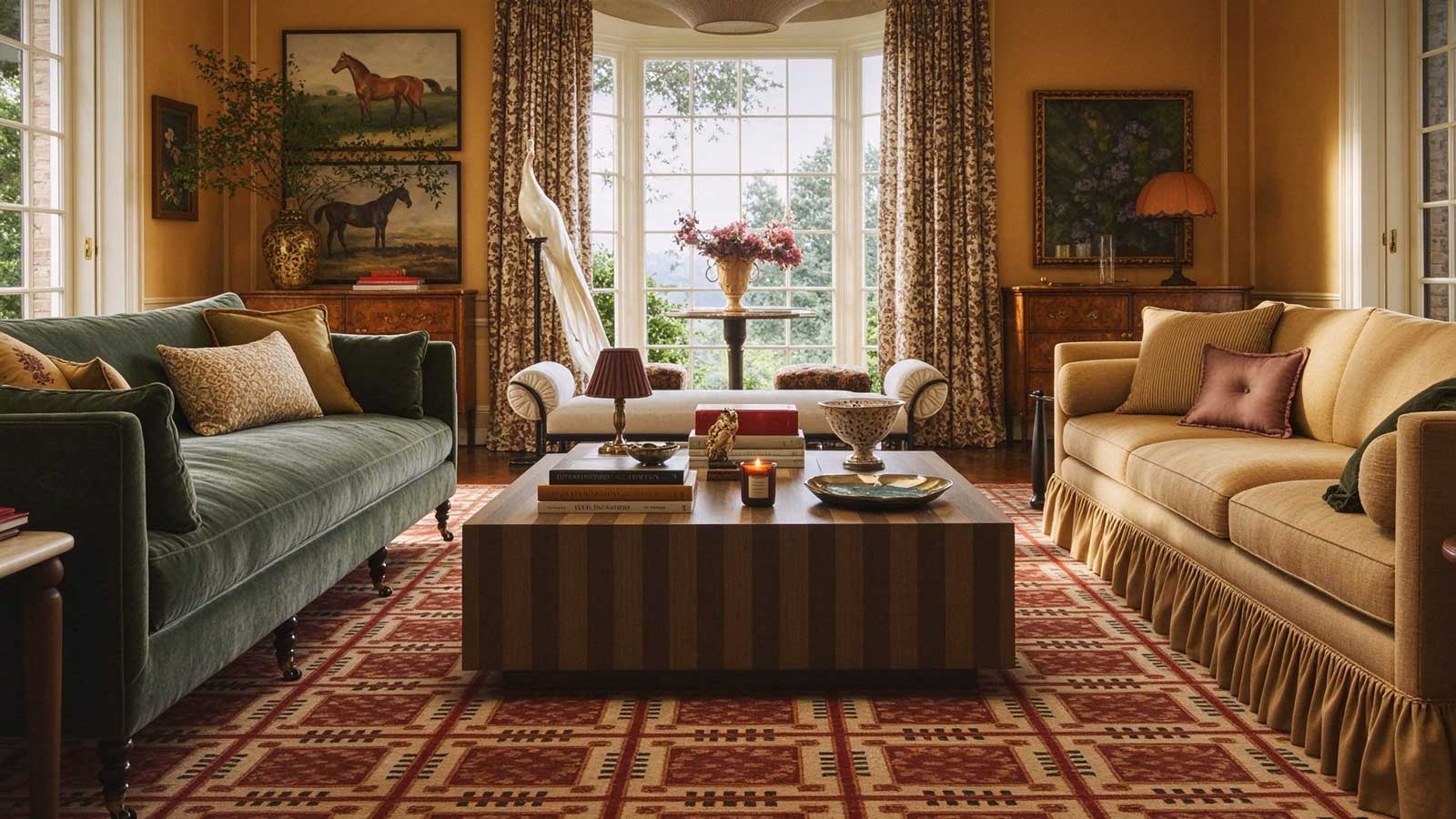
Official homepage: https://www.luluandgeorgia.com
Sara Sugarman's grandfather opened a rug showroom on the West Hollywood design strip in 1955; her father expanded it into high-end hospitality carpeting; and she nearly became neither of their successors — until Oprah's magazine sent her home. Lulu and Georgia, founded in Los Angeles in 2012 and named for grandfather Lou and father George, crashed its own website on launch day and has spent thirteen years democratizing designer-quality décor through curated collections, exclusive designer collaborations, and one-of-a-kind vintage. This review examines the storefront dimension by dimension: the family DNA, the magazine years, the launch-day crash, the collaboration crown jewels, and the deliberate refusal to open a single store.
A rug showroom in the family DNA
The company's founder letter states the lineage without decoration: her roots in home décor run deep, raised in a family business that glamorized houses, hotels, and residences around the world since 1955. Lou Sugarman's Decorative Carpets was a to-the-trade showroom on the burgeoning Los Angeles design scene — quality, artisanal, handmade floor coverings for interior designers — and a pioneer of that market in its day. Her father, George, took the business over and expanded it into high-end hospitality and custom carpeting, putting the family's work into hotels the world over. For the granddaughter, design was never a career choice; it was the water she grew up in — which is precisely why she resisted it first.
The family DNA matters to this review because it explains the catalog's instincts: the eye for artisanal sourcing, the hospitality-grade sense of what a room must do, and the conviction — inherited from a grandfather who sold rugs when Los Angeles was inventing its design identity — that beauty is a trade skill, not a mood board.
Gayle King, Oprah, and the contest calls
The resistance took the form of a media career, and it is the most entertaining detour in this category. Sugarman earned degrees in English and psychology at Tulane, moved to New York, and landed at O, The Oprah Magazine, working under Gayle King — planning special events and, in her favorite detail, calling readers who had won contests to announce life-changing opportunities. The job taught her what a brand feels like from the inside of a media machine: how stories move product, how trust compounds, and how an audience converts when the storytelling respects it.
Her father eventually convinced her to come home. She joined the family business by day — managing the showroom, the salespeople, the sourcing and shipping that would later power her own warehouse — while building an e-commerce side project at night. The magazine years were not a detour, it turned out, but the marketing education the family trade had never taught her.
The side hustle that crashed on day one
The side project was born of the 2008 recession's disruption: shoppers were moving online, the industry was changing, and the family showroom's gorgeous rugs were priced for the trade — inaccessible to most of the people who admired them. Sugarman's founding insight was the gap she had grown up inside: beautifully designed products at prices the public could reach. She built demand for the experiment through designers and influencers before launch, opened the site in 2012 — and it crashed from traffic. She remembers writing purchase orders manually, helpless and partnerless, with the metaphor she has carried since: being thrown into the business and learning that perseverance is the whole game.
The decision to leave the family firm was the hardest, she has said, precisely because it was inevitable — the side project felt like a runaway train, and a person cannot ride two. The names went with her: Lulu for Lou, Georgia for George — the family business rebranded for the internet age, carrying two generations into the third.
The collaboration crown jewels, from Sterling to Samuel
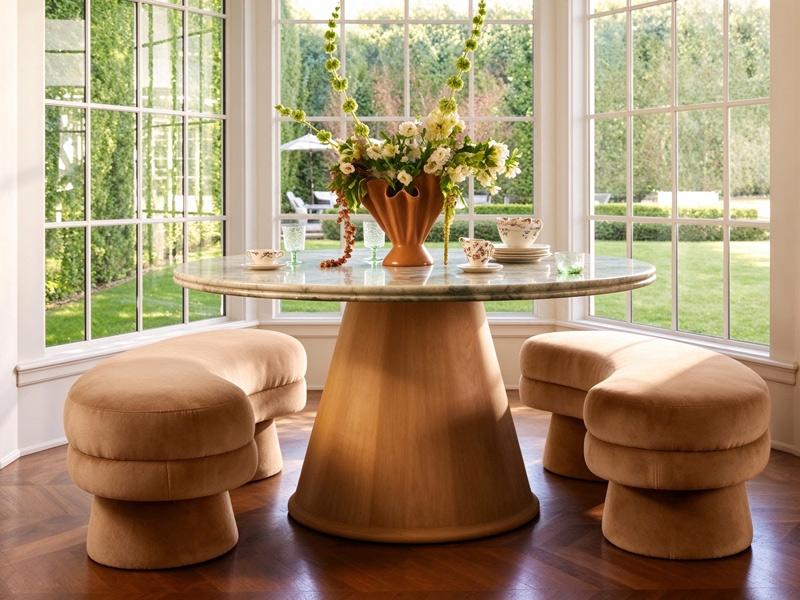
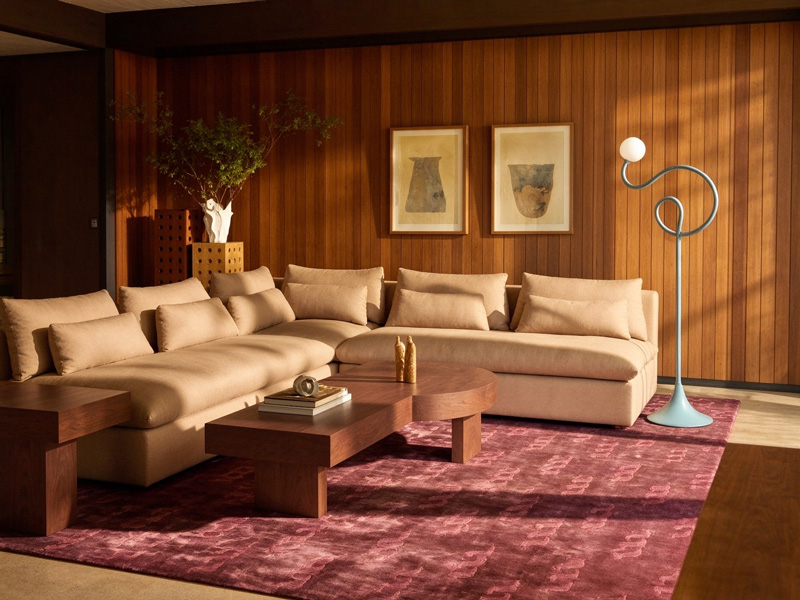
The growth engine, as the Forbes profile documented, was influencer collaboration before it was a category cliché. The first partnership — with blogger Taylor Sterling — sold out and could not be kept in stock, and the roster escalated from there into interior design's biggest names. The crown jewel is Sarah Sherman Samuel, whom Sugarman calls "the Michael Jordan of Nike for us": a designer whose audience treats her licensed lines as the brand's highest-quality signal. The 2025 chapter brought Aimee Song's House of Aimee collection — the Lotus wallpaper, the Brahm stool, the customizable Ovid swivel chair, the Familia floor lamp — with Song telling WWD she designed from the gaps she felt in her own 1920s Spanish Revival home.
The company's own tenth-anniversary journal lists the collaborations as a cornerstone of the brand, and the store's About page promises exclusive designer collaborations and one-of-a-kind vintage alongside the curated collections — a three-layer assortment strategy few omnichannel rivals attempt.
Curated abundance against the superstore tide
The browsing experience the company engineered is the review's quiet surprise: abundance without vertigo. Independent coverage describes the selection as scaled-down but substantial — couches, textiles, rugs, lighting, outdoor, vintage — with the discipline of a stylish friend who simply knows what looks good. The founder's explanation for the restraint is aesthetic rather than commercial: the company does not subscribe to one style, because it sees beauty in all types of design, and a catalog that chases every style could drown in its own aisles. The mission statement compresses to four words: bring beauty home.
The curation carries a documented risk the review must flag: a customer who arrives with no design vocabulary can find breadth itself paralyzing, and the vintage layer — one-of-a-kind pieces that sell once — rewards fast decisions in a category where fast decisions are how mistakes happen.
The pandemic scramble, admitted out loud
The pandemic chapter is told here with unusual honesty, which is itself a store-quality signal. Sales surged, and the founder's own assessment in the Forbes interview is blunt: the company was operationally a mess, could not handle that amount of business, and was not prepared at all. Emergency hiring followed within a week, and then the unglamorous work of rebuilding the technology infrastructure and operations to match the demand the brand had earned. The admission pairs with the founder's stated ambition — to keep the scrappiness that perseverance taught, even as the company grows past it — and her reported belief that she still feels like the underdog.
Founders who describe their operations failures accurately are rarely hiding their product failures; the candor functions as the review's strongest informal quality signal.
Deliberately no stores, and a father's constitution
Where the category's omnichannel brands have showrooms or hospitality placements, Lulu and Georgia has made the opposite bet with unusual clarity: the focus has always been online, the founder has explained, because stores water down the e-commerce focus and are genuinely hard to make inspiring. The company runs roughly a hundred and ten people and has never opened a flagship — the website is the flagship. The leadership philosophy that governs those people comes from George: do not micromanage, trust your team and let them fail, and remember that any decision is better than no decision — the best is doing the right thing, the second best is doing the wrong thing, and the worst is doing nothing.
The working-mom framing that surfaces in interviews — intentionality born of limited time — reads less as biography than as operating doctrine for a curated catalog: fewer, better decisions, made visibly.
The verdict for the aspirational home editor
Lulu and Georgia's storefront is the design-dynasty model done digitally: three generations of taste compressed into one URL, a launch-day crash that previewed the demand, a collaboration roster that reads like an interior-design hall of fame, one-of-a-kind vintage for the decisive, and a founder who quotes her father's decision aphorisms and her magazine years in the same breath. The cons are the cons of curation at scale — premium price bands, import provenance without certification theater, and a breadth that punishes the indecisive — and the founder has herself named the operational growing pains.
Buy here if you want designer-quality décor without the to-the-trade gate, if the Sarah Sherman Samuel lines and the vintage one-offs are precisely the pieces your rooms have been missing, if a curated catalog with an editor's restraint beats a superstore's endless scroll, and if a family business betting everything on the website — no stores, no hedges — matches your idea of focus. Buy direct from the designers if you want provenance without the middle layer, or the budget omnichannel brands if price rules. For the aspiring home editor who wants the family showroom's eye with the internet's access, this third-generation storefront remains the category's most elegant inheritance.