Whoop's ten-billion-dollar bet on a screenless strap and a subscription
Official homepage: https://www.whoop.com
Whoop is the wearable store that sells you nothing you can hold and everything that matters. Founded at Harvard in 2012 by a squash captain who wrote his senior thesis on overtraining, it pioneered the model the rest of the industry still argues about: the screenless band is free, the data is the product, and the subscription never ends. Now a $10.1 billion company with LeBron James and Cristiano Ronaldo as investors, it asks a simple question with an expensive answer — how is your body, really? This review examines the thesis, the tiers, the controversies, and the math.
A squash captain, a 150-page thesis, and Bobo
Will Ahmed captained Harvard's squash team into the ground — chronically overtrained, perpetually exhausted, and frustrated that the era's trackers counted steps while ignoring what happened between workouts. His senior thesis ran 150 pages on physiological adaptation, and in May 2012, at the Harvard Innovation Labs, he founded a company with two classmates: John Capodilupo, a mathematics and computer-science prodigy who left Harvard to build algorithms that process heart-rate data hundreds of times per second, and Aurelian Nicolae, the hardware engineer. The venture was briefly called Bobo Analytics before the team landed on 'Whoop' — the sound of peak readiness. Roughly six million dollars in seed funding followed by 2013, and the founding thesis never changed: recovery, not activity, is what determines performance, and a screenless band worn twenty-four hours a day would prove it.
B2B first: the NBA, the NFL, and special forces
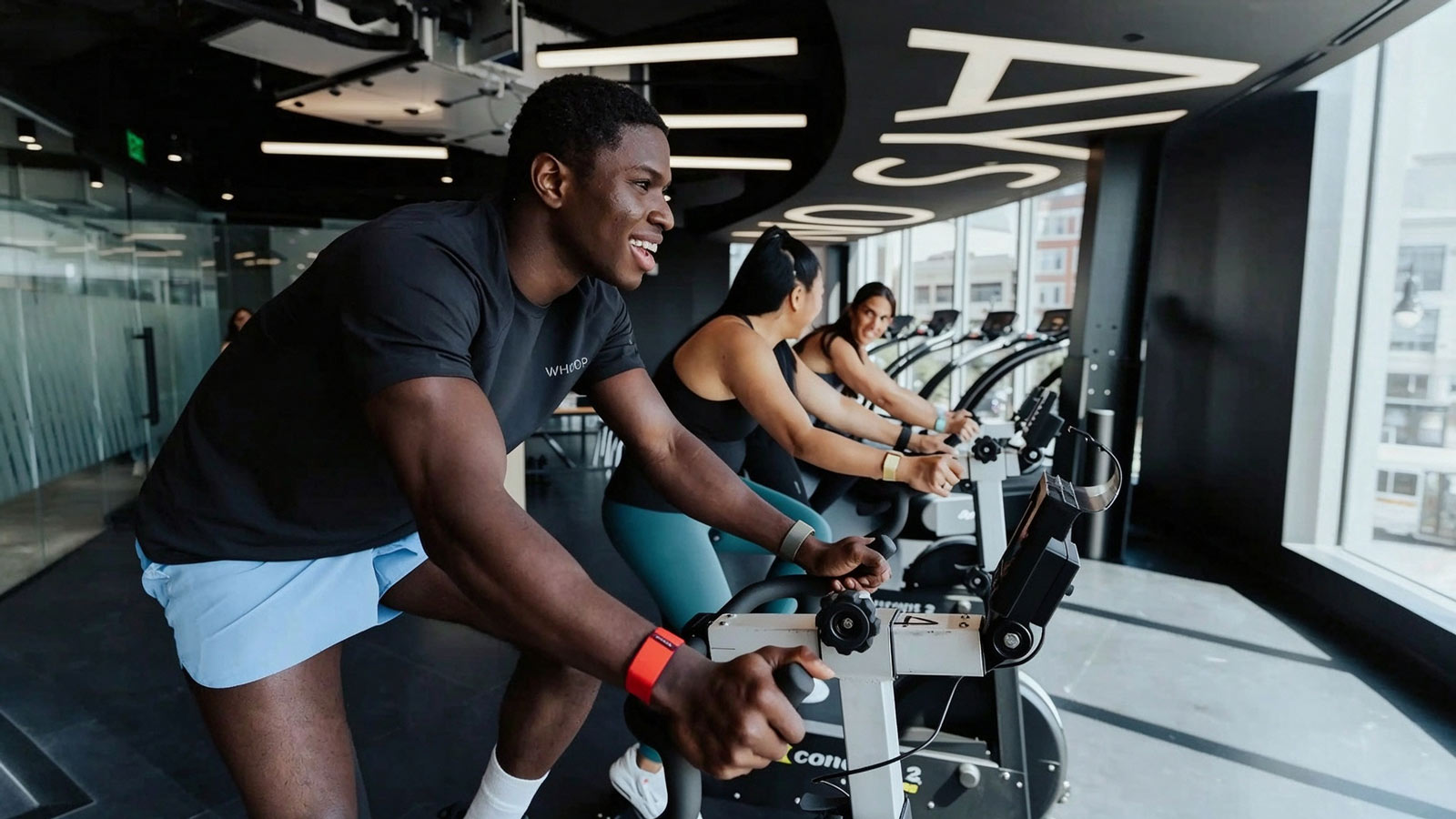
The first customers were not consumers. Whoop seeded straps to NBA and NFL players, MLB athletes, and elite military units — anyone who would pay for a marginal competitive edge — and let professional devotion do the marketing. The halo strategy evolved into something sharper: athlete-investors. LeBron James and Michael Phelps were early believers; by the 2026 Series G that raised $575 million at a $10.1 billion valuation, Cristiano Ronaldo, Rory McIlroy, and Patrick Mahomes were on the cap table alongside sovereign funds, the Mayo Clinic, and Abbott Laboratories. Partnerships with the NFL Players Association, the PGA Tour, and CrossFit turned locker rooms into retail channels. By early 2026 the company counted more than 2.5 million members, a $1.1 billion annualized run rate, cash-flow-positive operations, and a founder publicly targeting an IPO within two years.
One, Peak, and the Medical Grade tiers
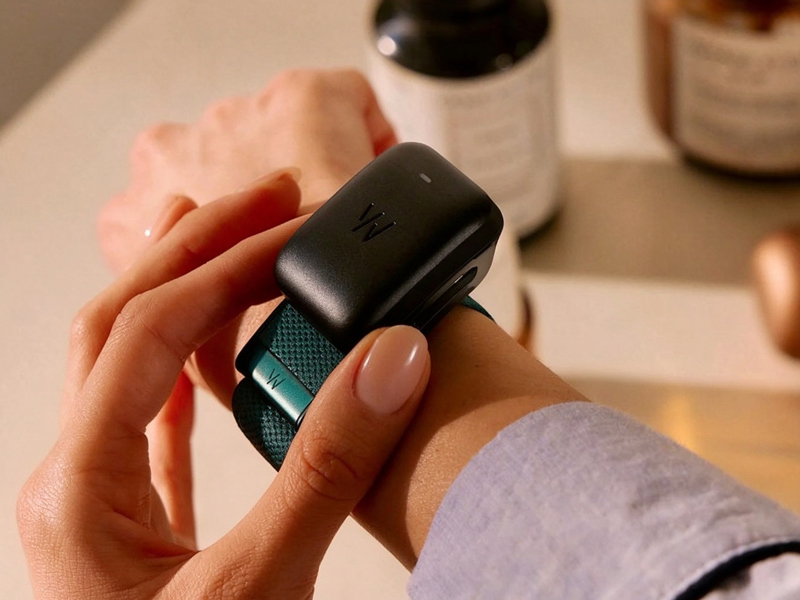
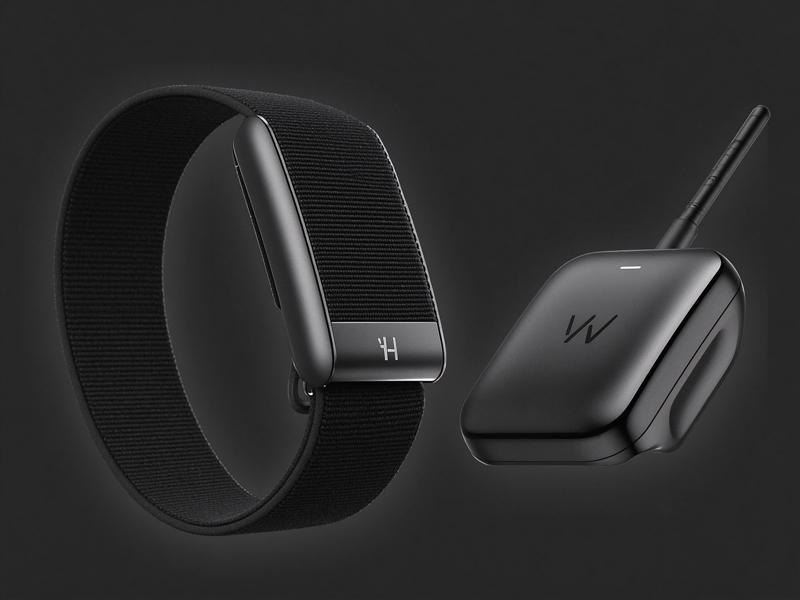
The 2025 hardware generation split the membership into three rungs. Whoop One, at $149 per year, pairs the Whoop 5.0 with its stretchy CoreKnit band and delivers the core trinity — sleep, strain, and recovery scores — plus VO2 Max, heart-rate zones, and women's hormonal insights. Whoop Peak, at $220, adds the Healthspan pace-of-aging score and a stress monitor. The Whoop MG — Medical Grade — sits at the top tier around $330 to $359 per year and carries genuinely clinical hardware: ECG readings with FDA 510(k) clearance, on-demand irregular-rhythm notifications, and blood-pressure insights that spent time in beta under an FDA warning letter before the feature was modified and the case closed in June 2026. The MG's fifteen-day battery leads the category, and the 5.0 generation fixed the heart-rate accuracy complaints that dogged the 4.0.
A free band, a 12-month lock, and the backlash
The subscription model's dark side surfaced at launch. Existing Whoop 4.0 members — many of whom had joined on an explicit promise that hardware upgrades would be free after six months of membership — were told the 5.0 would require either a twelve-month subscription extension or a $79 upgrade fee. The backlash was swift enough to force a partial retreat: the company reinstated free upgrades, but only for members with more than a year remaining, moving the goalposts from six months rather than honoring the original terms. Buyers should also internalize the model's core mechanic: stop paying, and the band becomes jewelry — your data archive and daily scores vanish with the membership.
The Fitbit that costs less than the subscription
The value debate is best captured by PCMag's verdict on the MG: an impressive device, yet the $159.95 Fitbit Charge 6 delivers most of the key metrics with no subscription at all, while the $349 Oura Ring 4 — whose $69.99 annual fee is a fraction of Whoop's — becomes significantly cheaper after the first year. The counterargument is coaching depth: Whoop's long-form reviews consistently praise the app as the finest recovery coach in the category, with an AI engine that translates twenty-four billion hours of physiological data into actionable daily guidance — and 83 percent of members open it every single day. The honest summary: casual step-counters should buy the Fitbit; athletes, biohackers, and optimization addicts are Whoop's people.
Twenty-four billion hours and one skeptical study
The data moat is real and so is the scientific debate. Whoop's archive of over twenty-four billion hours of physiological data feeds models competitors cannot easily replicate, and published validations have confirmed its sleep staging against polysomnography and its heart-rate tracking against ECG. But a 2023 study of trained swimmers found Whoop's Strain and Recovery scores did not correlate with objective stress markers, and independent atlases note that 62 percent of the published research originates from North America, largely from a single source. The scientific posture is best described as promising and self-reinforcing rather than independently settled — which matters for anyone treating the daily score as gospel.
The last heartbeat on the Whoop strap
Whoop's store is less a product page than a philosophy with a checkout: give away the plastic, charge for the insight, and let the world's best athletes vouch for the exchange. It is the most complete expression of subscription-first wearables ever built — and its trade-offs are equally complete: permanent fees, a hardware-upgrade gate that already burned early believers once, and a science stack that leans on its own data ecosystem. For competitors who want to know tomorrow's readiness today, there is nothing else like it at this depth. For everyone else, the math in the PCMag comparison never stops being relevant. The strap is free. The question is what your data is worth to you — every year, forever.