Oars+alps: their husbands stole the skincare, so they built a brand
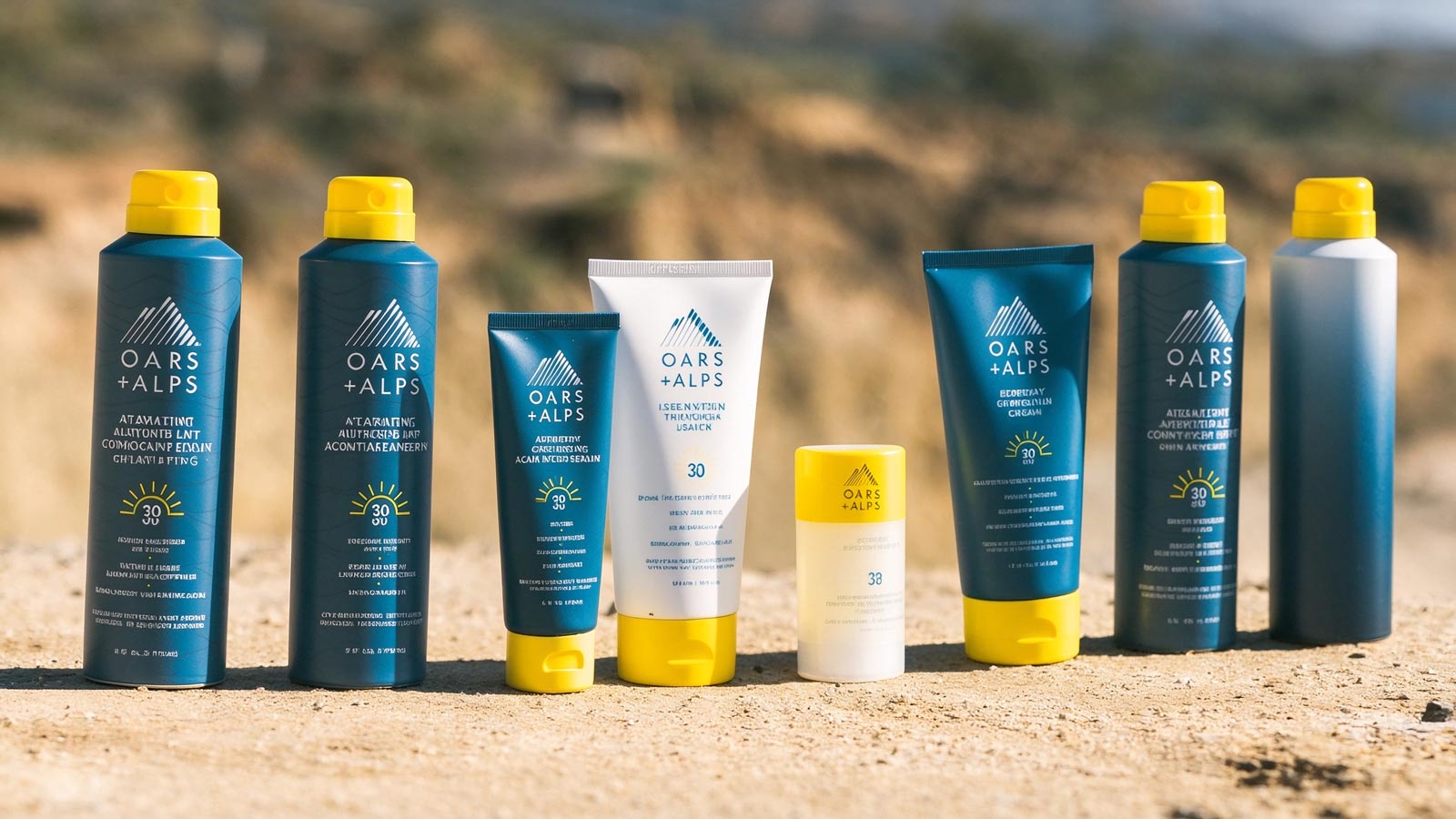
Official homepage: https://oarsandalps.com
Oars+Alps is the men's grooming store founded by two women whose husbands kept stealing their moisturizers. One founder arrived with an MIT double major, a NASA internship, a Goldman Sachs career, a Harvard MBA, and a Bloomberg TV anchor desk; the other left Facebook. Together they built a natural skincare line for the on-the-go man, flipped their own launch hypothesis when the data disagreed, conquered Target and Amazon, and sold to SC Johnson in under three years. This review examines the stolen products, the Arctic moss, and the thirty-six-month exit.
A NASA intern, a Goldman analyst, and a Bloomberg anchor
Mia Saini Duchnowski's resume reads like a board-game career path: MIT double major in neuroscience and media studies with a NASA Ames artificial-intelligence internship, a Goldman Sachs analyst seat in hedge-fund sales, a Harvard Business School MBA, and then years anchoring for Bloomberg TV from Hong Kong and New York — the first at the network to interview Microsoft's new chairman. Her co-founder Laura Lisowski Cox arrived from the other coast of the internet: a Brandeis finance master's and three years as a client solutions manager at Facebook. The spark was domestic: both husbands kept stealing their wives' skincare. For Mia the theft carried medical weight — her husband's grandfather died of skin cancer and his father has it; his borrowing was health-motivated, not vanity. Laura's husband has eczema and was, in her telling, slathering alarming products on his face. The two women concluded that the market offered their husbands nothing: too expensive, too chemical, or too inconvenient.
Two pregnancies and a business plan
The founding came with a complication most pitch decks omit: both founders were pregnant. They self-funded a beta in October 2015, testing private-label prototypes on five hundred buyers while winning the Harvard Business School New Venture Challenge in the Northwest region; Laura gave birth the week they closed their friends-and-family round, and they launched publicly in November 2016 with three products — a natural aluminum-free deodorant, a moisturizer, and a solid face wash — positioned at double drugstore prices and thirty to fifty percent below Kiehl's, the competitor they had in their sights. The name honored the husbands: oars for the rowing, Alps for the snowboarding and skiing that defined the weekends the products were built to survive.
The beta said women buy it; men actually do
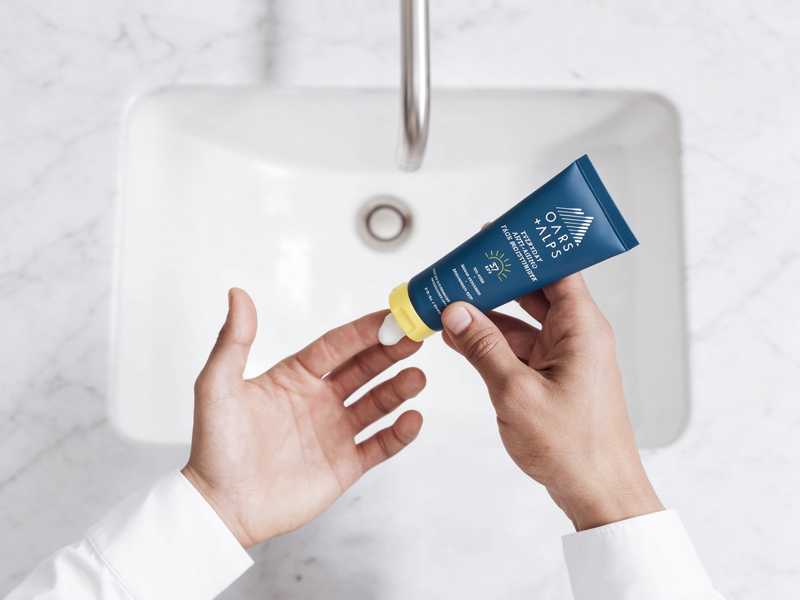
The launch hypothesis was that women would be the gatekeepers — mothers buy a boy's first deodorant, wives nudge husbands toward moisturizer. The data disagreed. Men turned out to be the number-one buyers, and one of the founders' favorite findings flips the category's assumptions: thirty percent of deodorant customers are women, some veterans of men's sticks since fifth-grade basketball, others simply rejecting what one called super-girly scents. The beta also killed the organic premium — testers could not tell organic from conventional and would not pay more for a word they could not define — while validating a fifteen-dollar price point and an unexpected hero: the Wake Up Eye Stick at twenty-one dollars, a de-puffing serum promising the look of eight hours' sleep that became the portfolio's best seller. The lesson the founders repeat: let the community co-create the line, then move faster than any big company can.
Alpine Caribou Moss from the Arctic Circle
Product science centers on a proprietary hero ingredient the founders discovered during their year of ingredient research: Alpine Caribou Moss, an antioxidant-rich lichen from the Arctic Circle of Finland, chosen to protect skin against the elements their husbands actually faced. Formulas are dermatologist-tested, hypoallergenic, non-comedogenic, vegan, and cruelty-free; the natural deodorant runs on a cornstarch-based proprietary system that neutralizes odor and, per the company, helps wearers sweat less over time. When Target came calling, the brand formulated an allergen-free exclusive scent, Deep Sea Glacier, for the launch. The range has expanded past seventy products — wipes, bar soaps, body wash, beard oil, lip balm, SPF, an anti-aging moisturizer — while keeping the travel-friendly, spill-proof formats designed for the airplane-and-gym-bag life.
Deodorant, the thirty-percent women's product
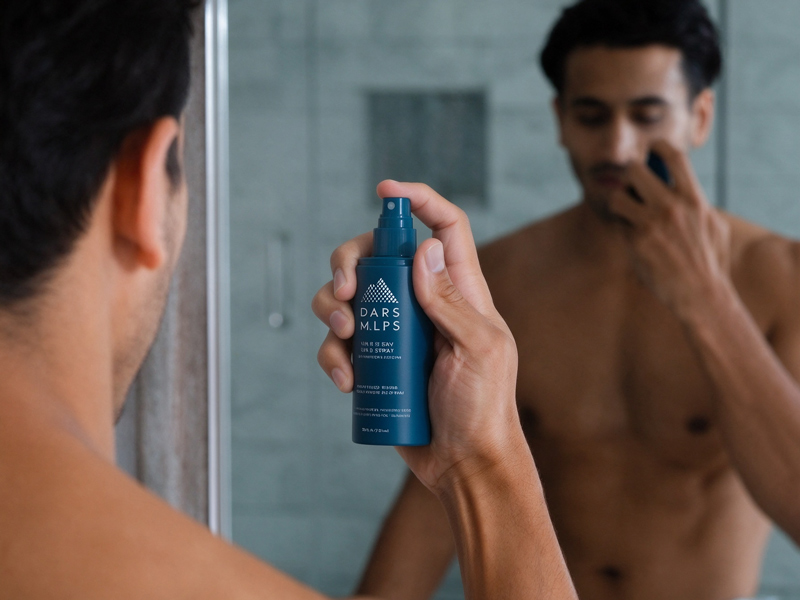
The deodorant line deserves its own paragraph because it carries the brand's most interesting consumer story. An Esquire Grooming Award named it the best for the planet — plant-based, aluminum-free, long before that became table stakes — and its buyers split thirty percent women by the founders' own data, an audience the company courts deliberately with clean scents and non-girly packaging. The Ulta partnership leaned into the same reality: the retailer reaches the woman shopping for the man in her life, or for herself. Corporate partnerships — seeding products through Nike, Bonobos, and Peloton — kept the brand inside active-lifestyle contexts rather than beauty aisles, and the customer base grew sixty-fold in 2018 alone. When the founders reflect on the strategy, they credit the same inversion that built it: they are not men, and their customers told them, in focus groups of three hundred-plus per launch, that they preferred buying skincare from women who obsess over ingredients.
Target's accelerator, Amazon, and a $20 million exit
The channel story is a master class in ignoring venture advice. A VC warned that all revenue is not created equally and begged them to stay off Amazon; the data said their guys shopped Amazon and Target, so they applied to Target's Takeoff accelerator — two hundred and twenty applicants, ten chosen, two accepted into stores — and were in five hundred-plus locations within a year, with Amazon launched alongside. A $1.3 million round in May 2017 gave way to a $5.15 million third round by mid-2019, and in September of that year SC Johnson acquired the company for a reported twenty million dollars — launch to exit in less than thirty-six months. The brand continues to operate as an independent unit, keeps its founder-era candor — subscriptions exist, but 'subscription fatigue is very real,' Mia says, so trigger-based reorder reminders carry the retention load — and partners with SOS Outreach to put underserved youth into outdoor sports. The husbands, one presumes, buy their own products now.
The last wipe of the gym bag
Oars+Alps's store sells the most rigorously focus-grouped grooming on this tag: products vet-tested on hundreds of buyers before launch, anchored by Arctic lichen and cornstarch chemistry, priced between the drugstore and the department store, and wrapped in the story of two women who out-resumed an entire industry. Its trade-offs are the honest ones of a corporate-owned brand in a crowded category: formulas skew simple, the natural-deodorant aisle now has a hundred rivals, and innovation post-acquisition answers to a household-products parent. But for the gym-bag minimalist who wants an Eye Stick that works, wipes that travel, and deodorant his wife will not borrow — or will — this is the brand the data built, and the exit only proved it.