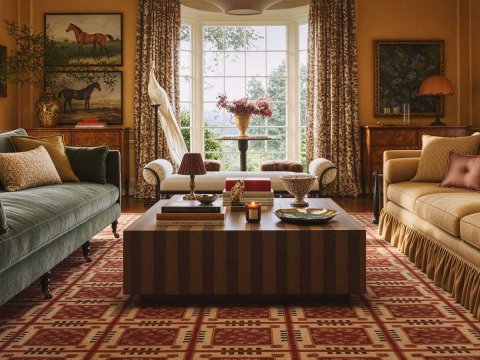
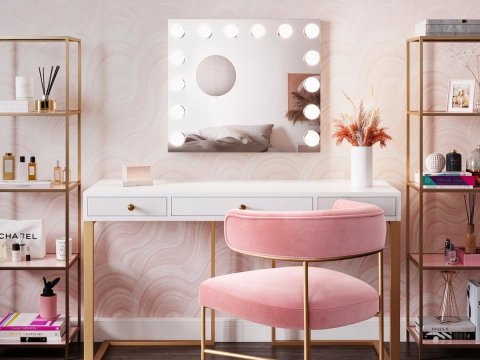
Trit house sells beautiful furniture, then the fine print arrives
Official homepage: https://www.trithouse.com.au
Melbourne's design scene has a twenty-year institution most Australians know and most international shoppers have never heard of. Trit House, founded in 2006 by Rain Shin and Ivan Yoong, has grown from a single online collection into a national furniture brand with showrooms in three cities, its own in-house product range, and partnerships with some of Europe's most design-forward labels — including the first Wendelbo monobrand store in Australia. The curation is genuinely impressive. So is the complaint record. Australia's largest consumer review platform carries years of documented disputes about the company's 48-hour damage-claim window, its store-credit-only cancellations, and a $990 white-glove delivery that left a 200-kilogram table crated in a customer's dining room. This review measures both sides honestly — the design credentials and the fine print that arrives with them.
From one online collection to a national furniture brand
Ivan Yoong grew up around his family's furniture stores overseas and arrived in Melbourne wanting to import that craft sensibility; his partner Rain Shin led the creative vision. Twenty years later, the company marks its 2026 anniversary as a curated furniture brand with showrooms in Melbourne, Sydney, and Brisbane, a creative hub developing its own product range in-house, and partnerships with some of Europe's most design-forward labels. The founders' division of labor has stayed constant since the start: Shin shapes branding, partnerships, and showroom experience, while Yoong runs production and material selection. It is a classic family-founded Australian retail story — except that two decades in, the company's after-sales record has become the story design blogs do not tell.
A Danish monobrand store lands in Melbourne
The international credentials are real. In 2024, Trit House partnered with Danish furniture maker Wendelbo to open the brand's first monobrand store in Australia — a dedicated Melbourne space presenting the full Copenhagen universe under one roof. The year before, heritage brand TH Brown — founded 1911 and famous for the Danish Bar Stool — chose Trit as a distribution partner for its iconic designs. The catalogue also carries Ethnicraft and a stable of international creative talent alongside the in-house range, which the founders say has grown deliberately as they shifted from trend-chasing to durable, sustainability-minded pieces of their own design. Architects and designers, per the trade press, regard the concept showrooms as destinations.
Furniture, lighting, art, and an in-house design studio
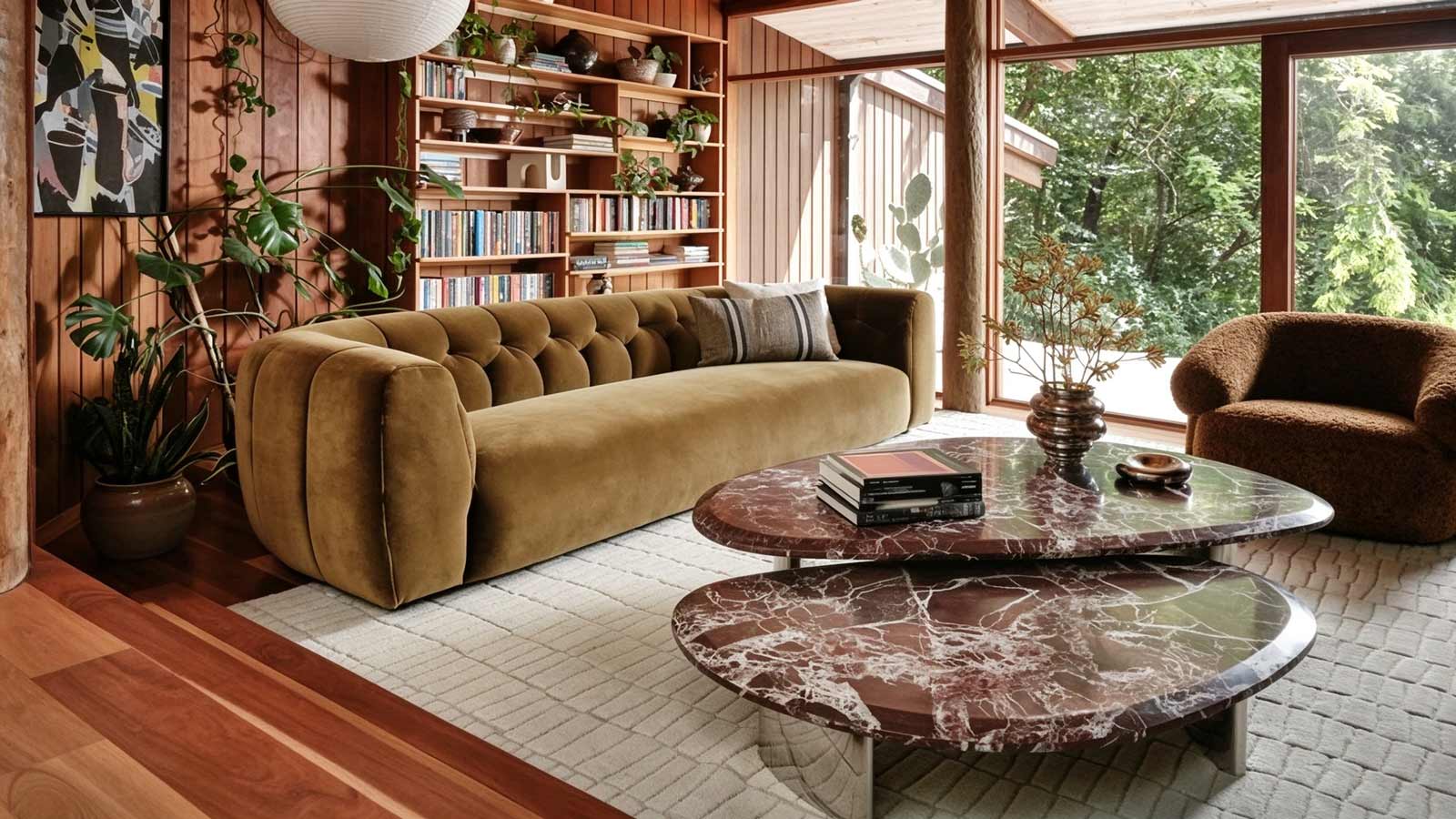
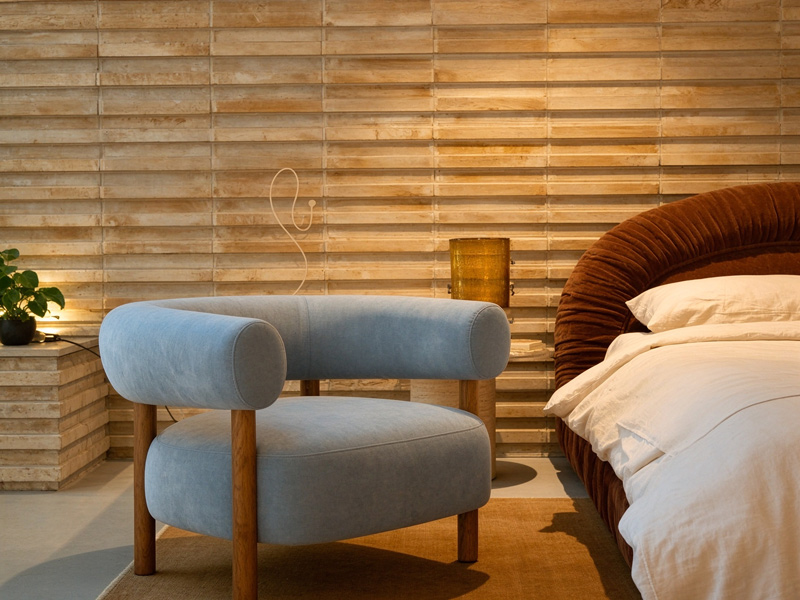
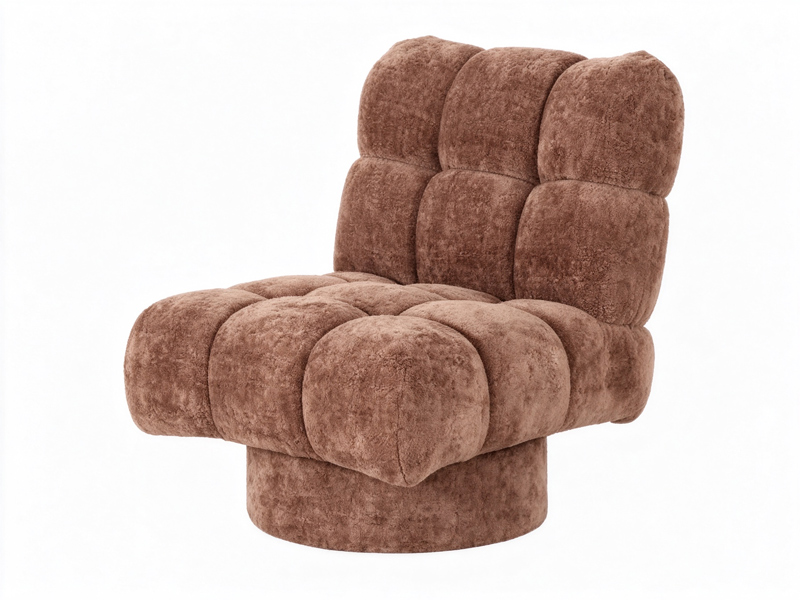
The assortment spans furniture, lighting, objects, art, and homewares, organized around an Australian-inflected globalism: locally developed signature pieces next to imported design voices. Delivery is Australia-wide through a postcode-calculated freight system, with a premium tier for two-person carry and apartment delivery, and a VIP tier adding assembly and rubbish removal at a meaningful surcharge. Furniture typically travels from a Melbourne warehouse; the company reserves the right to revise freight quotes if courier costs shift, and disclaims responsibility for third-party courier delays and damages. Pickup runs by appointment only — 48 hours notice, photo ID with matching address, Melbourne ready in four to seven working days and Sydney or Brisbane in five to fifteen. The operational texture is that of a wholesale furniture business that also retails.
Three showrooms and a pickup warehouse by appointment
The physical network underpins the whole operation. Abbotsford in Melbourne anchors the flagship alongside the Wendelbo monobrand space; Sydney and Brisbane extend the reach nationally; and the warehouse pickup program, with its 48-hour notice and ID checks, keeps freight economics in the company's control. Small items under 20 kilograms collect from showrooms; everything larger routes through the freight calculator. For a customer planning a renovation, this infrastructure is coherent and professional — provided the timeline assumptions hold.
Cancellation means store credit, never money back
The cancellation and refund regime is where the store's character sharpens. Changing your mind earns a full refund in exactly one currency: store credit, and only if the order has not been despatched, collected, or taken from the premises. Custom, made-to-order, sale, clearance, and end-of-line items are final sale and cannot be cancelled at all. Once goods are despatched, the policy states flatly they are not eligible for return under change of mind — citing Australian Consumer Law, which indeed does not require refunds for change of mind. Trade and commercial orders carry a 30 percent cancellation fee once confirmed. For a shopper accustomed to Western return norms, the structure reads less like a retail policy and more like a manufacturing contract — which is what it is.
Forty eight hours to find the damage
The most consequential clause is the damage clock. Buyers must inspect all goods within 48 hours of receipt and report damage within that window with proof; claims outside 48 hours convert to warranty claims where the customer bears the delivery costs of the process. Items must come back in original wrappings, unassembled, or a 20 percent restocking fee applies. The company also excludes refunds where, in its reasonable opinion, the product became unacceptable through wear and tear or misuse. On paper these are firm but arguably defensible positions — except that Australian Consumer Law contains statutory guarantees that sit above any policy, and the question of whether a 48-hour window can lawfully displace them is precisely what has made Trit House a recurring name before the ACCC and state consumer protection bodies.
What twenty years of productreview complaints document
The public record documents that tension in unusual depth. Australia's largest consumer review platform carries years of Trit House complaints clustering around the same fault lines: a travertine dining table buyer describing a quality-control failure plus a $990 VIP delivery that left a crated 200-kilogram tabletop in the dining room — the store acknowledged the service fell short and discontinued VIP delivery to Western Australia, yet declined to refund the fee. New tables with surface damage refused as outside the policy clock, despite statutory guarantees applying regardless. A coffee table with a prominent black mark defended as a natural knot, exchange refused, buyer paying shipping both ways. A price-drop refusal later softened into store credit after public complaint. A defective table whose refund was withheld because the original boxes had broken. Interleaved are genuine five-star reviews praising solid-oak construction, showroom staff, and smooth pickups — the products, when right, are evidently good. The pattern is not universal failure; it is friction between premium pricing and a policy posture that leans on the letter of the law.
Who should still buy from Trit in 2026
Trit House in 2026 is for a specific buyer: the design-conscious Australian furnishing a home with intent — someone who will visit the Abbotsford, Sydney, or Brisbane showroom, inspect the piece in person, confirm every specification, and treat the purchase as a commitment rather than a trial. For that buyer, twenty years of curation, a Danish monobrand partnership, and in-house production offer genuine value that mass-market retailers do not. It is not for the anxious buyer, the long-distance shopper, or anyone who expects service recovery to match the price tag — the record on those fronts is documented, repetitive, and litigated. The furniture may be beautiful. The fine print, as this review has shown, arrives with it.