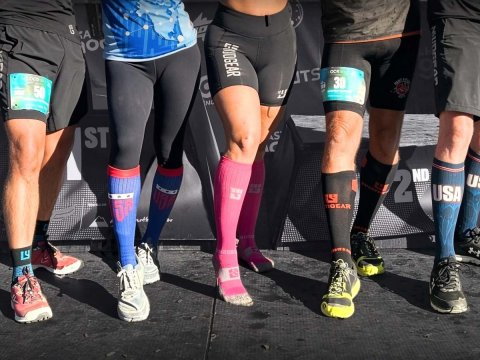
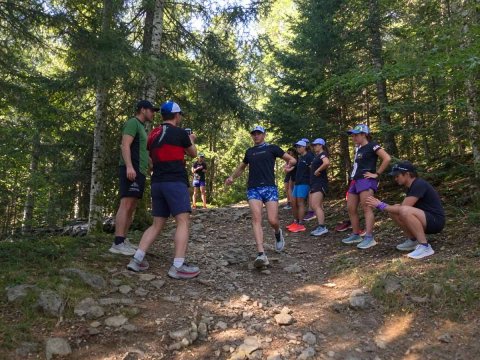
A calf sleeve born at an ironman now rules the UTMB and marathon des sables
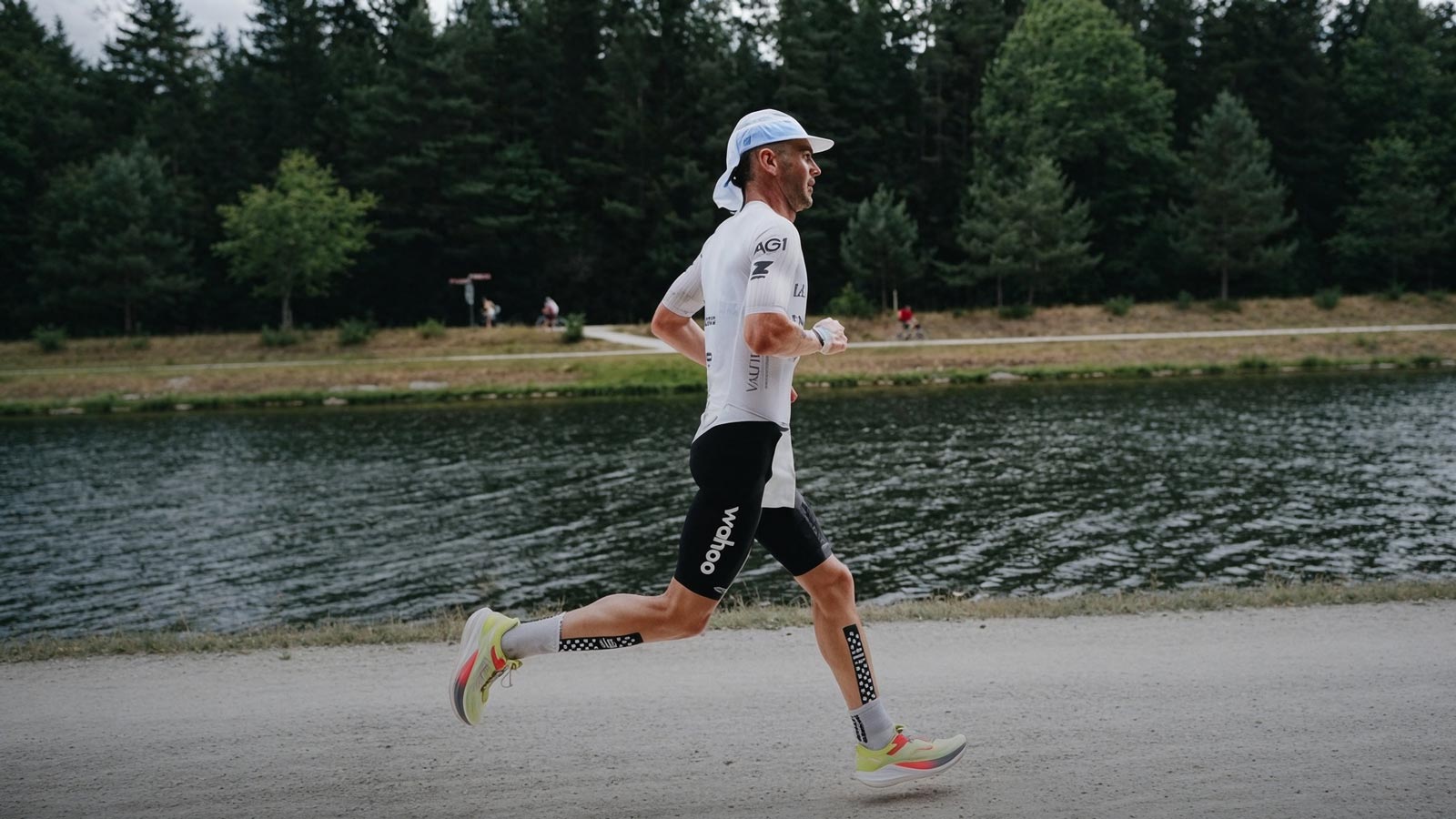
Official homepage: https://www.compressport.com
Every compression brand claims medical heritage. Compressport can point to the race where it happened: Ironman Nice in 2008, where the brand's founders developed a single compression calf sleeve for endurance athletes whose legs were failing them at the finish line. Seventeen years later, that sleeve has become the R2 — the footless compression tube that has posted top usage numbers at the Ironman World Championship in Kona every year since 2013 — and the brand has become an official supplier of the UTMB in Chamonix and the Marathon des Sables in the Sahara, the two most prestigious addresses in trail running. This review measures the Swiss operation across eight dimensions, from seamless engineering to free returns to the triathlon origins the brand does not hide.
A calf sleeve at Ironman Nice, 2008
Compressport began with one product at one race: a compression calf sleeve developed for Ironman Nice in 2008. The founding insight was medical before it was athletic — compression as a circulation tool, borrowed from clinical practice and reshaped for the finish-line problems endurance athletes actually face: heavy legs, swelling, delayed recovery after hours of pounding. The company formalized in Switzerland and built its reputation on a claim that sounds like marketing until you inspect the product: truly seamless compression knit in one piece, without the seams that turn conventional compression garments into tourniquets at their edges. Close cooperation with a team of athletes and physicians — more than five hundred professional athletes now wear the brand daily, including Olympic and world champions — is not a sponsorship strategy but the stated method: every product starts with a problem a racer brings to the lab.
Seamless compression from Swiss engineering
The engineering signature is the seamless knit. Where graduated compression is traditionally sewn from panels — creating seam lines that dig at precisely the point compression should ease — Compressport's tubes and sleeves are knitted in a single piece, with the gradient built into the knit structure itself. The result is a garment that squeezes where it should and disappears where it should not, in lightweight yarns that dry between aid stations. The Swiss medical heritage shows in the philosophy: respond to problems athletes face daily, whether to improve performance, enhance recovery, or help them travel in the best possible condition.
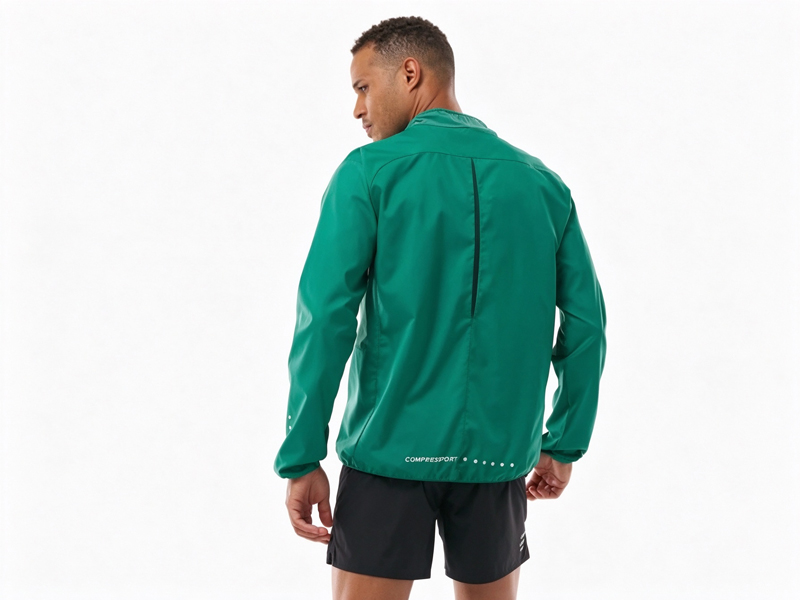
The R2 sleeve and Kona's usage charts
That product is the R2 calf sleeve — the footless compression tube that became the de facto uniform of the marathon and ultramarathon finisher. From 2013 onward, the R2 has posted top usage numbers at the Ironman World Championship in Kona year after year, a statistic the brand treats with Swiss understatement: more athletes choose to wear it than any competitor, regardless of who pays them. The sleeve's logic is runner-native: footless so it pairs with any sock, graduated tightest at the ankle, and compressive enough to keep working at hour eight of a hundred-miler. On the UTMB course and the Marathon des Sables, where the field is a moving trade show of suffering calves, the white-on-black R2 became as recognizable as any race bib.
UTMB and Marathon des Sables official supplier
The crown the brand now wears is official. Compressport is a long-standing official supplier of the HOKA UTMB Mont-Blanc — the World Series finale in Chamonix that functions as trail running's World Cup — a partnership renewed as recently as this year, and it has carried the same official status at the Marathon des Sables, the self-supported 250-kilometer desert classic. For both events the brand produces limited-edition designs that sell out to participants and spectators alike, and its course-side presence at aid stations has made it part of the scenery of suffering. Five hundred professional athletes across disciplines wear Compressport daily — but it is the trail running calendar, from the Alps to the Sahara, where the brand is most thoroughly crowned.
Socks, sleeves, shorts, and the race calendar
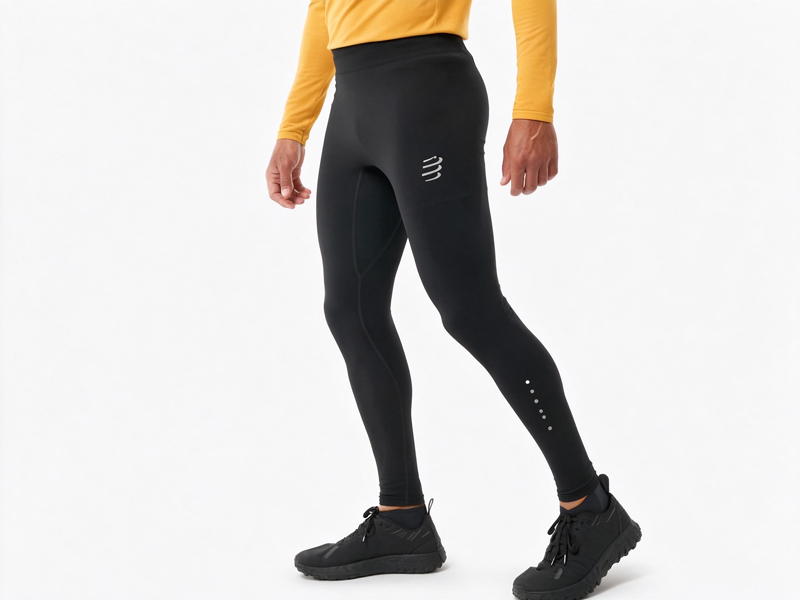
The catalogue is organized like an athlete's year. The site groups product not only by category — compression sleeves and socks, shorts and tights, apparel, bags and belts, accessories, and a recovery line — but by the occasions compression is for: race-ready selections, night running visibility pieces, rain and cold-weather armor, hot-weather ventilation, plus dedicated guides for ultra-trail and marathon preparation. The product logic follows the race calendar a trail runner actually runs: sleeves for the spring marathon, the full compression tight for the summer ultra, the waterproof jacket for the mountain forecast. Prices sit at Swiss-premium — a tier above mass-market spandex and below medical devices — with an Outlet section and sitewide sales, including a Black Friday event reaching forty to fifty percent on selected items, softening the sting.
Free shipping over sixty, free thirty day returns
The purchase terms are the friendliest in this review series' compression coverage. Shipping is free on orders over sixty euros, delivery runs two to four working days across the serviced regions, and — the detail that separates Compressport from most premium compression brands — returns are free of charge within thirty days. For a category where fit is everything and sizing anxiety is the chief barrier to online purchase, free returns function as a fitting room by mail. The storefront serves a global audience through regional sites and currency options, and the company's event-year rhythm — UTMB collections in summer, cold-weather lines before the winter ultras — rewards the runner who plans purchases around the calendar.
Triathlon origins and a trail running crown
The honest chapter is origin. Compressport's first product was built for a triathlon, and the company's early reputation grew on the Ironman circuit before the trail world adopted it — a history the brand does not hide, but which places it in the same multi-sport category as the compression brands that came before. What distinguishes the brand's running credentials from a mere licensing of the sport is depth: the UTMB and Marathon des Sables official-supplier relationships are years old, the R2's Kona dominance is a decade long, and the athlete roster reads across trail running's elite rather than around it. The runner shopping Compressport today is buying from a brand whose identity, whatever its triathlon birth certificate, has been trail-tested at the highest level of the sport for the better part of two decades.
Who should compress the Swiss way
Compressport in 2026 is for a specific runner: the trail runner preparing for a first UTMB or a desert stage race who wants the gear the official supplier sells on the course; the marathoner who has graduated from generic sleeves to engineered compression; the traveler who wants recovery compression that packs flat; and the compression skeptic willing to test the difference on a free-returns policy. For that runner, Compressport offers a Swiss-engineered package — seamless one-piece knitting, a free thirty-day return window, official race-circuit credibility from Chamonix to the Sahara, and the R2 sleeve that has outlasted a decade of challengers. It is less suited to the runner on a tight budget or the purist who wants a single-sport brand story: the prices run premium, the catalogue serves triathletes and cyclists alongside runners, and the triathlon origins are real even if the trail crown is earned. But the sleeve born at an Ironman in 2008 has climbed every mountain the sport offers since — and the view from the UTMB finish line suggests it plans to keep climbing.