Strangers kept asking about his laptop case, so he built a wall empire
Official homepage: https://brikbook.com
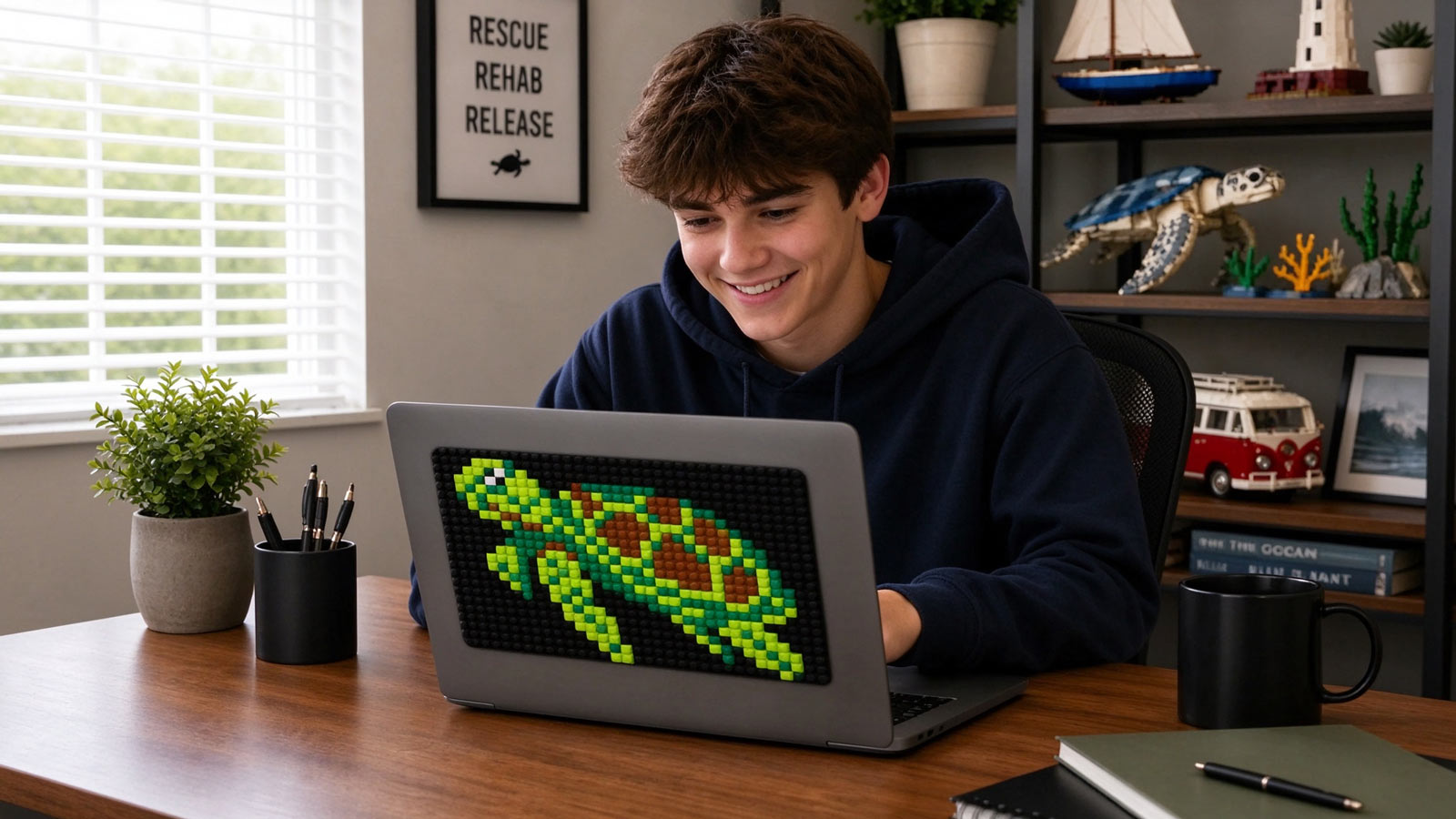
Every product founder dreams of a moment of unambiguous market validation. Brett Miller got his in coffee shops and airport gates. He had modified an existing LEGO-compatible product into a laptop case prototype he called BRIK Book — and everywhere he carried it, strangers stopped to ask about the laptop with the building-block surface on its lid. The reaction repeated enough times that he and co-founder David Dripps recognized the pattern, launched BRIK in March 2015, and funded it through Kickstarter. A year later, the company's second campaign — BRIK Tile, a wall-mountable building surface — raised $181,567 against a $30,000 goal, and the press dubbed it the million-dollar LEGO wall. Vanity Fair, O Magazine, and a television game-show win followed, then a quiet acquisition in 2019 that the buyer never explained. This review measures the operation across eight dimensions.
A laptop case that stopped strangers in coffee shops
Miller describes decades of building products and starting companies behind him, and the BRIK Book was built on a simple observation: laptops are the one surface every modern child and adult stares at for hours, and it was, until BRIK, unbuildable. Giving the laptop a stud grid turned idle screen time into building time — and turned the owner into a walking product demo, exactly as Miller's own coffee-shop experience had proven. The prototype did something no focus group could: it stopped strangers.
Kickstarter number one and the BRIK Book
The first campaign validated the observation beyond expectation. The BRIK Book — a fitted laptop cover studded with a LEGO-compatible grid — drew attention far outside the backer community, landing in Vanity Fair, O Magazine, and Bricks Culture, the kind of placement mix that money rarely buys and prototypes sometimes do. The product logic was simple and strange: the one object everyone carries everywhere became a canvas for the world's most popular building system.
From laptop covers to the million dollar wall
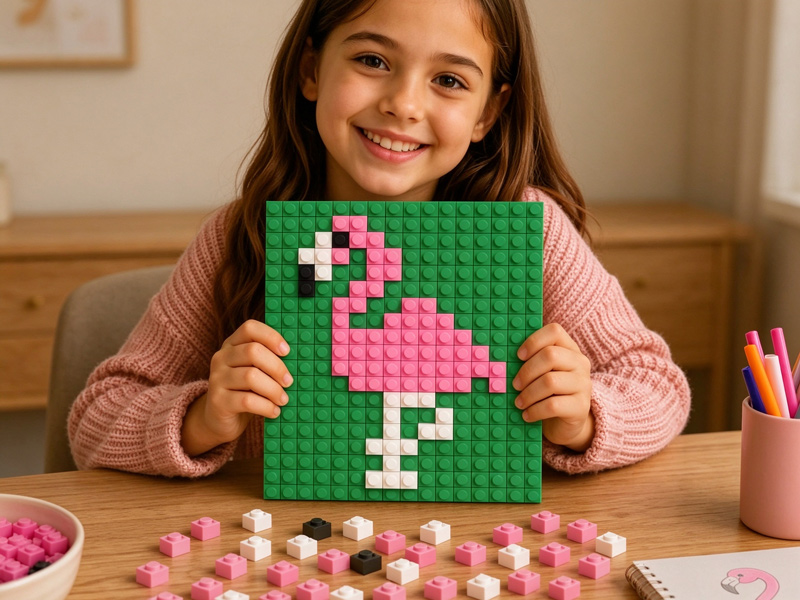
The second campaign is the company's legend. Customers kept telling the team the same thing: they loved the concept, but they wanted a bigger canvas — fridges, cabinets, doors, and, above all, walls. The team answered with BRIK Tile, launched with a goal of thirty thousand dollars. It raised one hundred eighty-one thousand five hundred sixty-seven — six times the target — and the press dubbed the phenomenon the million-dollar LEGO wall. The tile turned interior decoration into construction play: a bedroom wall becomes a vertical baseplate, a kitchen backsplash becomes a building site. The expansion confirmed the thesis Miller had carried through airports: people do not want to own building blocks; they want more surfaces to build on.
Tiles, books, and the custom build tool
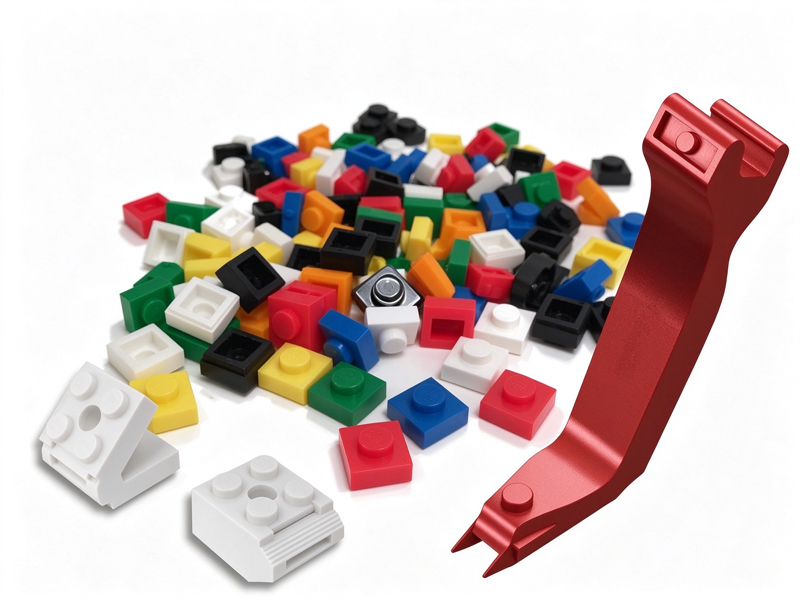
The catalogue settled into a tight three-part system. BRIK Books remain the original line — fitted, studded covers for common laptop sizes. BRIK Tiles scale the concept to walls, with packs sized from single accent tiles to full-room grids. And the BRIK pieces themselves — the little colored blocks, including custom designs a customer can specify through the site's build-your-own tool — fill the supply need: a single custom design might involve ten colors at a hundred pieces each, a complexity that pushed the company into sophisticated fulfillment early. Pricing runs from pocket-money accessory territory to full-room-tile territory, an unusually wide basket range for a brand its size.
The LEGO disclaimer as legal survival gear
The detail that separates BRIK from the graveyard of LEGO-adjacent startups sits in the website's footer: a paragraph stating that LEGO is a registered trademark of the LEGO Group, which does not sponsor, authorize, or endorse the products. It is legally required language, and it is also a map of the minefield. Companies that play too close to LEGO's trademarks have been litigated out of existence; BRIK's survival strategy is strict compatibility without appropriation — the tiles and books accept the bricks the customer already owns, the marketing never claims partnership, and the disclaimer appears everywhere.
A Funderdome win and a quiet acquisition
The public record peaks around 2019. BRIK appeared on and won Steve Harvey's Funderdome, the television pitch competition, and announced a preferred-vendor relationship with Bricks 4 Kidz, the children's franchise network — a distribution channel into thousands of birthday parties and after-school programs. The same year, trade coverage reported the company had been acquired, though the buyer kept a strikingly low profile and the acquisition never became a public story. Since then, the company has operated quietly — the site is alive and transacting, the products remain listed, and the 2026 copyright notice suggests ongoing operations — but the media velocity of the Kickstarter years has not returned. The texture is of a solid niche product company that had its moment in the spotlight and chose, or was chosen, to keep building without it.
The policy pages that play hard to get
The fine print carries the small-brand reality. BRIK maintains dedicated policy pages for refunds and exchanges and a shipping policy, but the policy bodies are served through scripts that this review could not render into verifiable text — the structure is there, the specifics are not confirmable from the page source. Customer service runs through a toll-free phone number and a support email published in the footer, alongside the usual social channels, and the site layers in the standard Shopify conveniences. The absence of a large independent review corpus means the practical way to test the operation is a small first order through the published channels — an old-fashioned but reliable method.
Who should build on the walls
BRIK in 2026 is for a specific buyer: the LEGO household that has run out of horizontal surfaces and wants the walls; the parent whose child's bedroom needs a vertical playground more than another bin of bricks; the remote worker who wants the one laptop case that starts conversations in coffee shops, as it did for the founder; and the gift-giver hunting something no big-box shelf stocks. For that buyer, BRIK offers a genuinely original premise — the first company to take building blocks vertical at home scale, funded by strangers six times over, endorsed by morning television, and still quietly selling the tiles that started it all. It is less suited to the buyer who wants mainstream accountability infrastructure: the acquisition's terms are opaque, the policy details play hard to get, and the review record is thin. But the man whose laptop kept getting strangers' attention built that attention into walls — and somewhere in America, a kitchen backsplash is currently wearing a custom mosaic that its owner designed on a site that asked the world for thirty thousand dollars and got six times that. The walls answered.