The cult new york shop where a three dollar dish brush outsells everything
Official homepage: https://kioskkiosk.com
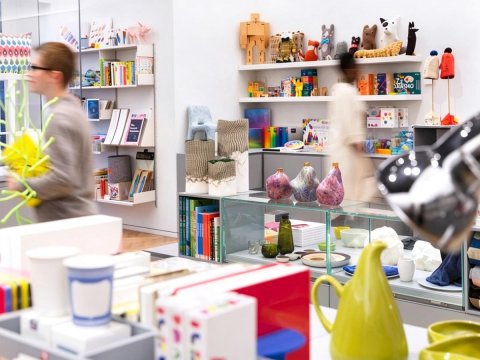
Some stores sell products. Kiosk sells proof that the mundane deserves better. Since November 2005, the shop founded by designer Alisa Grifo and programmer Marco ter Haar Romeny at 95 Spring Street in SoHo has operated on a premise most retailers would find perverse: no fashion, no luxury, no trends — only ordinary, well-made everyday objects gathered from small producers around the world, each with the story of where it came from and who made it. The founders call it a retail project and art experience, not a store; Grifo has said one of the reasons they opened a shop was to fund the travelling and the looking, not the other way around. Twenty years later, its all-time best seller is a dark gray Danish dish brush — a few dollars of molded plastic the founders liked enough to register a domain for. This review measures the whole operation — the cult status, the Shopify storefront, and the fine print — across eight dimensions.
A November 2005 opening on Spring Street
The first location ran from 2005 to 2014 and became a cult destination for a particular kind of customer — the one who understands that a beautifully engineered flyswatter can be more profound than a designer handbag. Nothing glamorous, nothing drop-shipped: ordinary objects bought in person from small producers, each carrying provenance as its primary feature. It was retail as travel journal, and it attracted design journalists and retail historians almost immediately.
The website opened the same day as the shop
The technical detail that dates the ambition precisely: the online store opened the same day as the physical one, in November 2005 — almost unheard of at the time, and possible only because Marco, a programmer, built it himself. The decision was philosophical: physical and digital must open together, so everyone could have access at the same time. Twenty years later the same site runs on Shopify, selling the same kind of objects to a global audience. The store predates curation-as-content by half a decade; when it launched, there was no Instagram to photograph the shelves for, no newsletter economy to feed — just objects, stories, and the radical idea that the mundane deserved better.
An emporium of ordinary treasures from everywhere
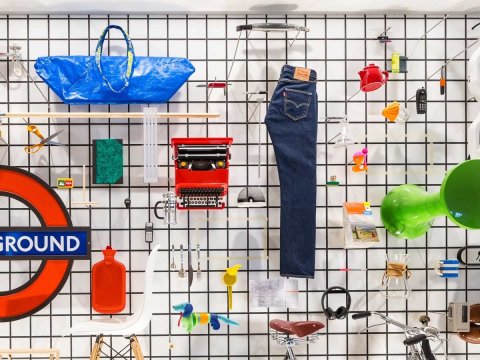
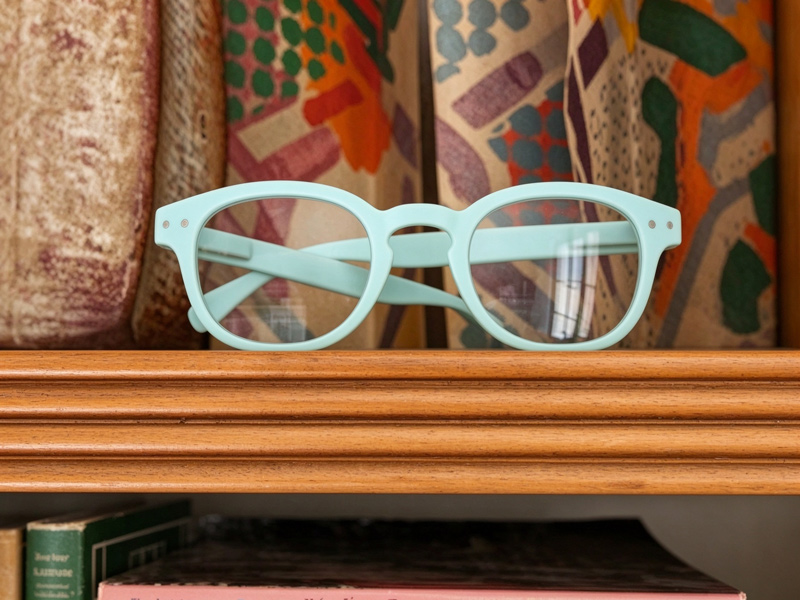
The assortment is a genuine general store: household goods, kitchenware, cleaning tools, personal care, stationery, toys and novelties, hardware, sometimes food — each item sourced directly from small producers in a rotating cast of countries. The store's famous habit is country collections: buying trips become themed assortments, so a shelf might hold a Portuguese broom, a Japanese dustpan, a German pencil, and an American-made object from a two-person workshop, all in the same basket. Nothing is drop-shipped; the founders buy in person, in limited quantities, which is why the best items sell out and why the catalogue changes constantly. It is the anti-marketplace marketplace — no algorithm, no infinite shelf, just taste with a shipping label.
The Danish dish brush that quietly built a brand
The brush embodies the whole thesis: an object so ordinary most retailers would not stock it, sourced from the country that makes the best version, sold with the story attached. The founders swear by it and have joked about distributing it across America themselves. On the opposite end of the ledger sit the misses — a Romanian cookie press that would not move, and the time Marco's favorite Nescafe, repacked with its own story, proved the point that even instant coffee can be an object of desire when someone cares enough to explain it.
Small producers, limited quantities, honest stock
The commercial model is deliberately small. Orders leave within two days unless an item is flagged as special delivery; quantities are limited because everything is bought by hand on buying trips; and the catalogue shrinks and swells with the founders' ability to travel — the 2022 relocation to Sweden and periods without travel visibly thinned the shelves. For a shopper, this means two things. First, the discovery is real: these are objects unavailable anywhere else in America, from producers too small for any distributor. Second, availability is fragile: the item you love may be gone next month, and there is no warehouse of backups. Kiosk is a shop about ephemerality that happens to have lasted twenty years.
Thirty days to return it, shipping is always yours
The policies are short, fair, and unglamorous, like the merchandise. Returns are accepted within thirty days for refund, exchange, or store credit; shipping charges are never reimbursed; and the store says it tries to be flexible beyond thirty days when it can, especially around holidays. Shipping is an additional, non-refundable charge, calculated honestly, with orders leaving within two days. There is no restocking fee, no claims clock, no porch-theft clause — just a person on the other end of a New York phone line and an email inbox, answering for the objects they chose. Against the fine-print olympics documented elsewhere in this review series, Kiosk's terms read like a handshake.
Retail as art practice, now operating from Sweden
The reputation is unusual even by this series' standards. There is essentially no consumer review infrastructure — no Trustpilot presence, no aggregator record — because Kiosk never needed one. Its authority is institutional and cultish: design journalists and retail historians treat it as a landmark of American independent retail, the subject of long interviews and nostalgic essays about the SoHo location, and the founders have published their own book on the project. The tradeoff for the modern shopper is verification: there is no crowd to ask whether the brush really is that good. There is only the shop's twenty-year record of choosing objects that do not break.
Who should hunt for ordinary treasures here
Kiosk is for a specific and underserved buyer: the person who wants objects with provenance — not luxury provenance, but human provenance — the right broom from the right country, a toy from a maker who still answers their own email. For that buyer it remains one of the most distinctive general stores on the internet, a time capsule of a slower retail philosophy that still functions. It is not for the impatient, the bulk buyer, or anyone who wants a frictionless, always-stocked catalogue; this is a shop that sells out of its best product on purpose, because scarcity is what makes finding the brush feel like discovery. Twenty years after Spring Street, the dish brush still outsells everything. That is either a business failure or the purest retail success imaginable, and Kiosk would tell you the question is the point.