The patagonia of furniture operates out of a former sydney submarine base
Official homepage: https://www.koskela.com.au
Most furniture stores sell you a sofa. Koskela sells you a sofa with a biography — designed and made in Australia by named makers, repairable when it ages, resalable through the company's own refurbishment program when you are done, and purchased from a certified B Corp that has returned $1.5 million to First Nations artists. Since 2000, the Sydney company founded by two corporate escapees has pursued one stated ambition: to be the Patagonia of the furniture industry. Twenty-five years in, it occupies a heritage torpedo factory on Sydney Harbour's north shore, runs a monthly First Nations art gallery inside its showroom, and earns ninety percent of its revenue furnishing offices and universities rather than living rooms. This review measures the whole operation — the manifesto, the harbourfront flagship, the certification wall, and the fine print of buying from a manufacturer with a store attached.
Two corporate careers traded for a furniture manifesto
Russel Koskela was a trained interior designer with a Scandinavian surname, a love of clean lines, and a corporate career designing retail environments. Sasha Titchkosky was a lawyer and accountant with a parallel obsession — the design of companies themselves. They met, fell in love, and within five months launched a furniture business built on a provocation: at the turn of the millennium, Australian manufacturing was being offshored to China, and they wanted to prove that products designed and made in Australia could be as good as anything available globally — while knowing who made them, what went into them, and under what conditions. That was 2000. The founders' stated ambition has not changed in twenty-five years, and the company's structure still reflects it: a design practice with genuine manufacturing relationships and a social impact program, not a showroom waiting for stock.
A two thousand square metre warehouse becomes Sydneys design hub
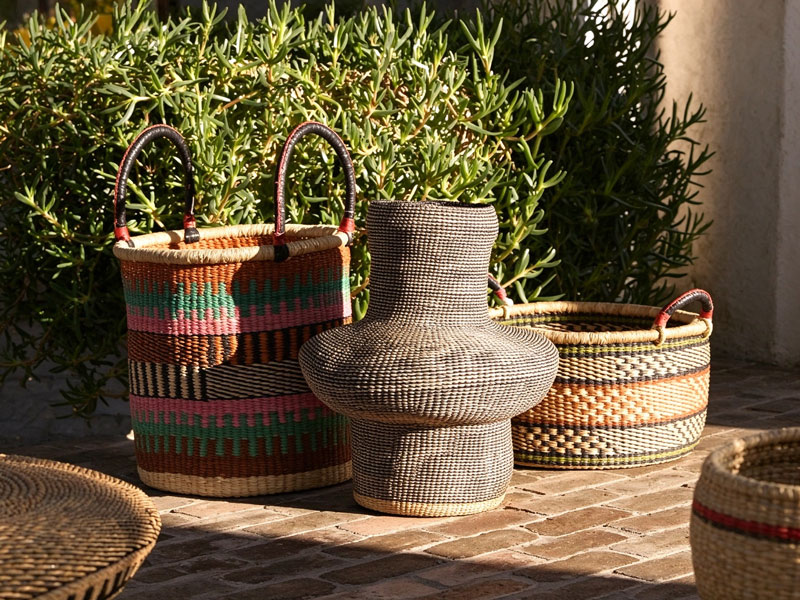
For two decades the operation ran out of a 2,000-square-metre, hundred-year-old warehouse in Rosebery, an inner-Sydney industrial suburb. The space functioned, in the local press's phrase, as Sydney's greatest design hub: retail floor, design studio, workshop, and exhibition venue in one, selling the company's own furniture alongside Australia's largest range of Australian-made and ethically produced homewares, lighting, art, and a juniors line for children. Customers could book in-store consultations, watch exhibitions by leading First Nations artists, and buy furniture made around the corner from where they stood. The model worked because the founders understood early that a retail store could fund something larger — the consumer floor was the showpiece and the laboratory, and the workshop behind it was the point.
From torpedo factory to harbourfront flagship store
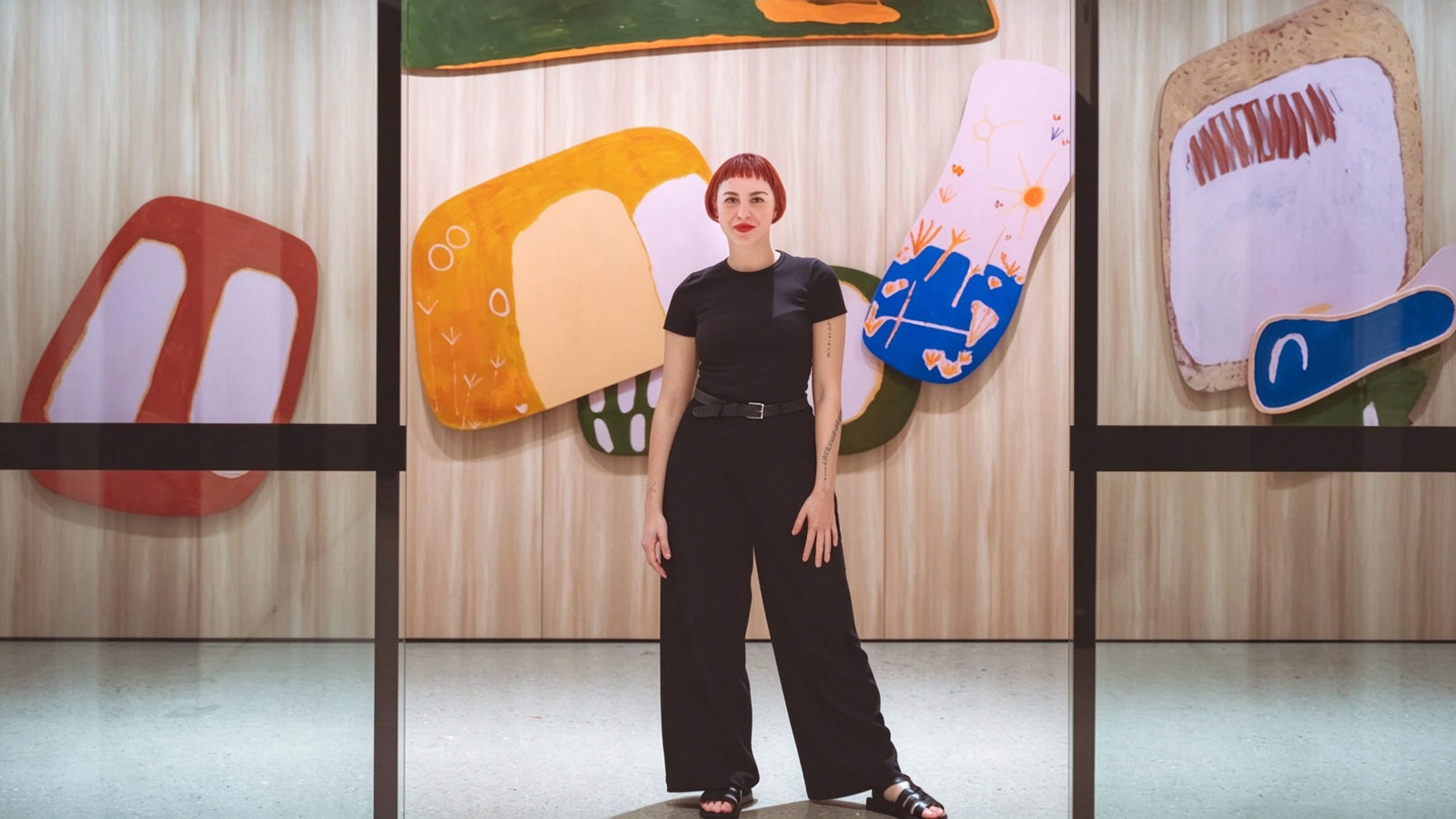
In March 2022, Koskela moved to one of the most striking retail addresses in Australia. Sub Base Platypus — a former torpedo factory, submarine base, and gasworks on Sydney Harbour's north shore, closed to the public for 150 years — reopened as a mixed-use waterfront hub, and Koskela became its anchor tenant. The new two-level, heritage-listed store and headquarters occupies 500 square metres of brick and corrugated iron overlooking the harbour, on Cammeraygal land, fitted out in solid Australian timbers and Sydney sandstone. Downstairs, the design studio and retail section champion artisanal products; upstairs, the furniture showroom is arranged like a beautiful waterfront home. The building hosts the Koskela Gallery, with a new exhibition every month or two always including First Nations artists, plus a permanent commissioned installation by Archibald finalist Blak Douglas. The founders describe the move as deliberate downsizing — a smaller, more curated footprint designed to build more meaningful relationships with customers.
First B Corp certification for Australian furniture
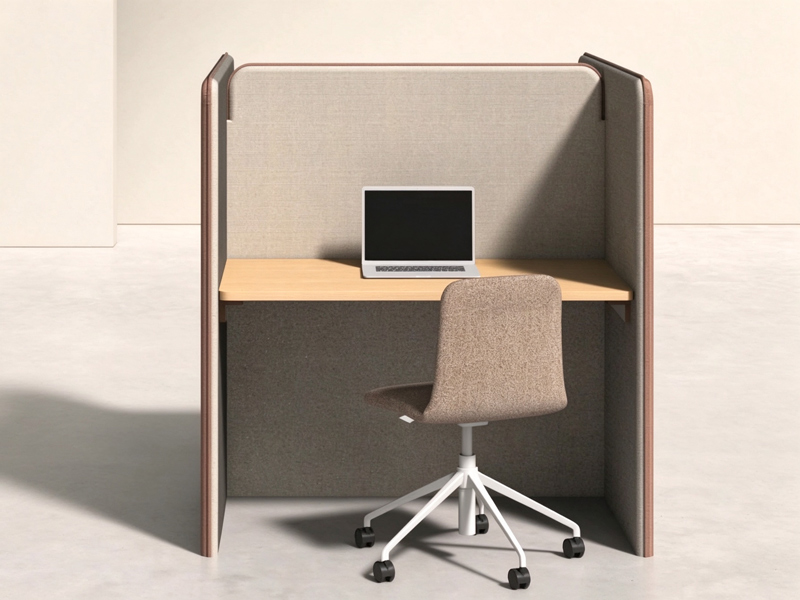
The certification wall is where Koskela separates itself from every other store in this review series. It is Australia's first certified furniture B Corporation. It is Climate Active Carbon Neutral, with a public commitment to Absolute Zero carbon emissions by 2030 — no offsets, no accounting tricks. And it has committed to becoming fully circular by 2027, an ambition made tangible through the ReHome range, which sells refurbished Quadrant sofas and Brolga coffee tables at roughly half price, remade rather than discarded when pieces wear out. There is a dedicated Repair and Renew service, a published warranty, and even a furniture subscription program for corporate clients. This is the operational depth of the Patagonia comparison: not a marketing posture but a stack of verifiable programs that no other store reviewed on this site can match.
One point five million dollars to First Nations artists
The social impact arm is equally concrete. One percent of all product sales funds collaborative design projects with Australian Indigenous artists and art centres — an arrangement designed to let artists continue living on Country and maintaining traditional practices while earning an independent income. The program has returned over $1.5 million to First Nations artists and art centres, producing signature collections along the way: the Yuta Badayla lighting collaboration with Yolngu weaver Mavis Ganambarr of Elcho Island; the Tili Wiru lights with Julie Anderson of Warakurna's Tjanpi Desert Weavers; batik silk cushions with Margaret Dagg of Ernabella Arts, Australia's oldest continuously running Indigenous art centre; and a textile collection with Regina Wilson, a Telstra Award winner whose paintings hang in the British Museum. These are not charitable sidelines. They are among the store's most recognizable products.
Repair renew rehome and even a furniture subscription
Before the store's economics are romanticized, the structure needs stating plainly: roughly ninety percent of Koskela's revenue comes from workplace and education projects, not sofas sold to homeowners. The company furnishes universities, schools, and offices — it supplied all twenty WeWork locations across Australia, among other corporate clients — through a dedicated Work and Learn trade access program. The consumer store is the showpiece; the contract business is the engine. That inversion explains both the store's unusually deep service infrastructure and its unusual thinness as a consumer retailer — traffic estimates put the site in the low hundreds of thousands of visits per year, a rounding error against the marketplaces reviewed elsewhere in this series.
A retail shop inside a ninety percent B2B business
The fine print reflects a B2B company that ships heavy Australian-made goods. Once an order is placed it cannot be changed or cancelled, a policy consistent with made-to-order manufacturing. Refunds process only after items arrive back and pass inspection by the dispatch team. The self-serve returns portal accepts domestic Australian returns; international customers must arrange their own trackable service and carry the risk of loss or damage in transit, which the company explicitly disclaims. There is no meaningful Trustpilot corpus — the store's reputation lives in design press, the Australian Design Honours roll, and a B+ independent store-analytics rating — and its most telling review infrastructure is internal: Klaviyo-powered review collection on its own site, a repair service, and a recommerce range. The assurance here is institutional, exported from two decades of trade work, not communal.
Who should buy a sofa from the Patagonia of furniture
Koskela is for a specific buyer: the Australian — or international admirer — who wants furniture with a verified provenance story, made locally by named makers, repairable, and eventually resalable through ReHome. That buyer gets a certification wall unmatched in this series, a harbourfront flagship that doubles as a gallery, and the knowledge that the purchase feeds a million-dollar Indigenous art economy. It is less suited to the impatient or the deal-driven: made-to-order lead times, non-cancellable orders, thin consumer review coverage, and international returns at your own risk are the cost of buying from a company that behaves like a manufacturer with a showroom attached. For the right buyer, though, this is the point. The Patagonia of furniture does not compete on convenience. It competes on whether you want your sofa to have the same biography as your values.