Oakywood review: craft, transparency, and the friction between workshop and checkout
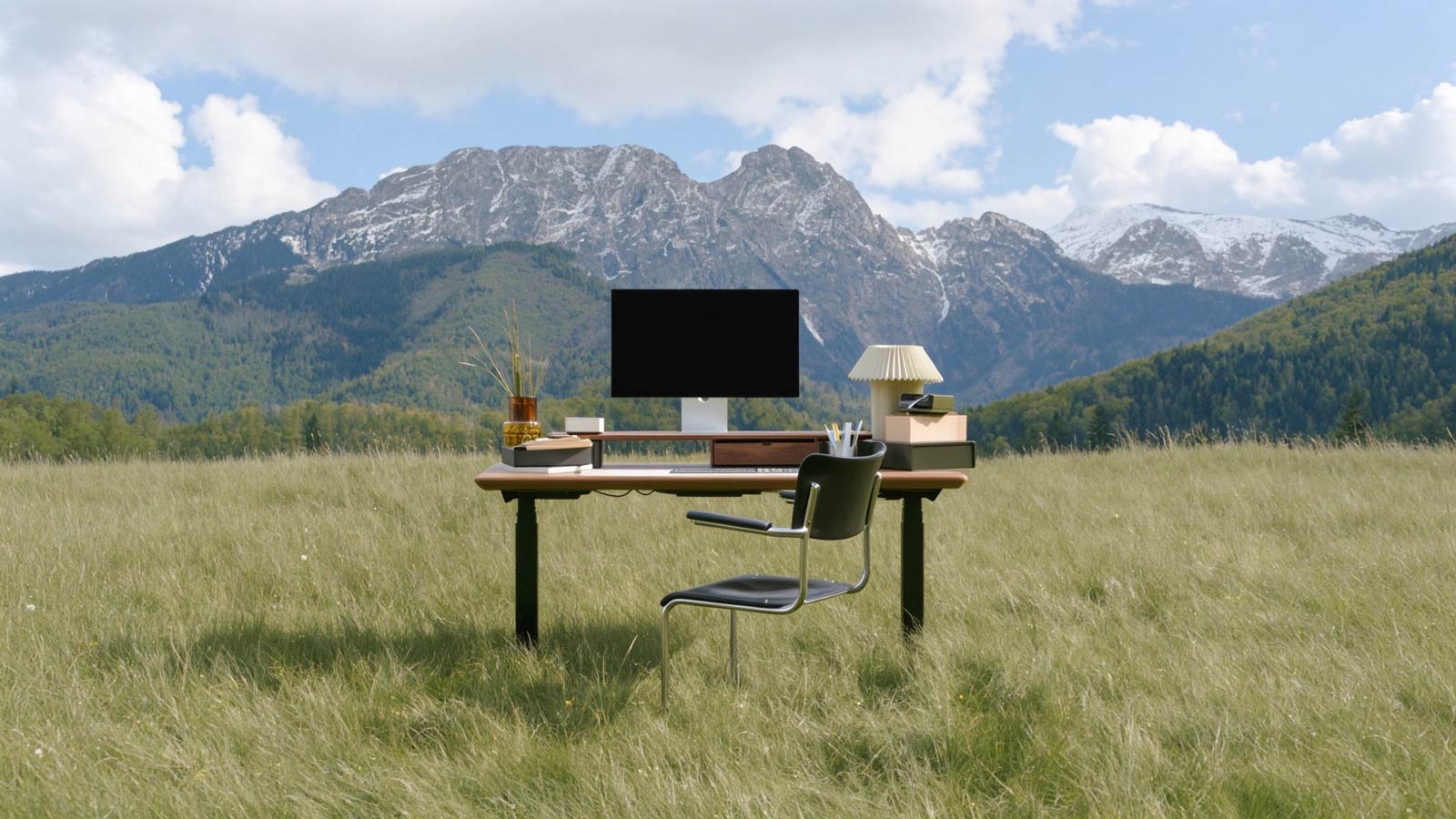
Official homepage:https://oakywood.shop
Oakywood is a Polish furniture brand selling standing desks, desk shelves, and workspace accessories made from solid oak, American walnut, and powder-coated steel. It operates on Shopify Plus and has built its identity around in-house manufacturing in Ciche, a small town at the foot of the Tatra Mountains。 This review evaluates the store across eight dimensions: brand origin and manufacturing model, product selection and material specification, pricing transparency and customization, sustainability depth, website experience and checkout, customer support, warranty and returns, and cross-border fulfillment.
Brand Origin Rooted in a Family Woodworking Tradition
Oakywood was founded by Mateusz Haberny, who grew up in a family with woodworking traditions in the Polish highlands and describes everyday objects there as “expertly-carved works of art”。 The brand launched on Shopify in 2017 after moving away from an Etsy storefront, a migration that gave it ownership of its customer relationship and the ability to differentiate through customization rather than competing head-to-head on marketplace listings。 The workshop remains in Ciche, and production stays in-house rather than being outsourced。 This origin matters for the shopping experience: the brand’s customization capabilities are an extension of its manufacturing setup, not a marketing layer applied on top of imported goods. The trade-off is that the workshop’s capacity directly shapes fulfillment timelines, a tension that surfaces in later dimensions.
Product Selection Built on Material Specificity Rather Than Category Breadth
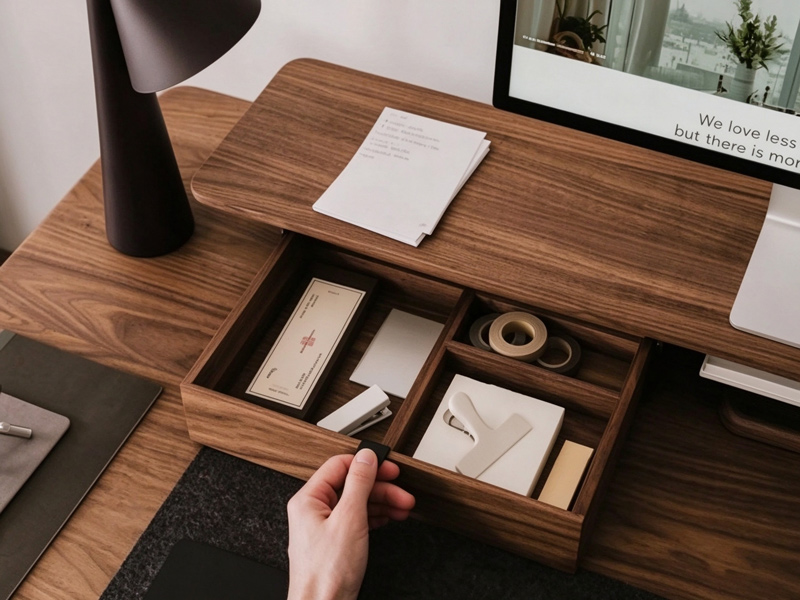
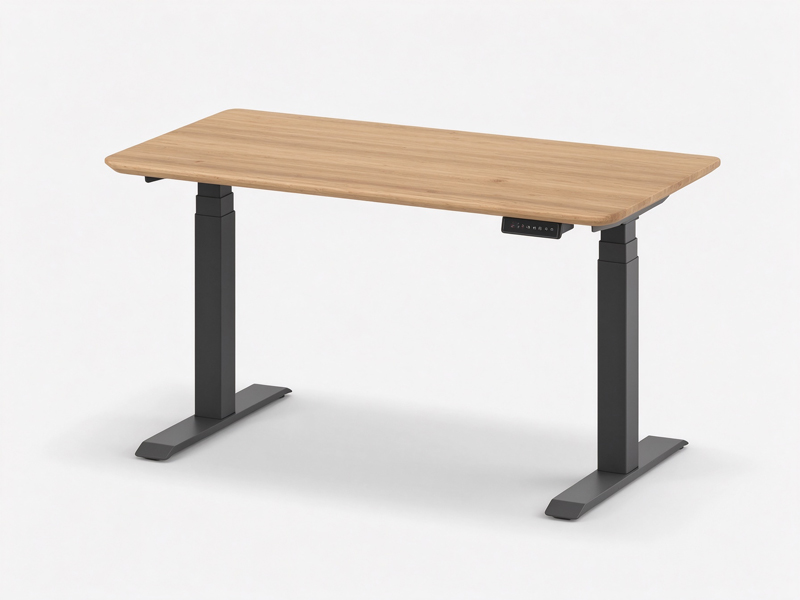
The catalog is narrow in category but granular in specification. The standing desk line splits into Pro and Pro Mini, with customization available on desktop dimensions, edge profile, grommet placement, and wood type。 Materials are named precisely: Polish oak, American walnut, powder-coated steel, eco oil-wax finish. The accessory ecosystem—desk shelves, MagSafe stands, cable management, laptop stands, desk mats—extends the workspace footprint without diluting the wood-and-steel core identity. For a Shopify furniture store, this level of material disclosure is a competitive signal. It tells a shopper that differentiation sits in the supply chain, not just in product photography. The limitation is scale: a narrow catalog means growth depends on repeat purchases and accessory attachment rather than category expansion.
Pricing Transparency and a Configurator That Makes Customization Legible
Oakywood publishes a cost breakdown diagram showing where a customer’s payment goes, separating materials, labor, and other components. TechRadar’s review notes that this diagram “makes you feel a bit better knowing that your money is going to a good place”。 The customization interface compounds that logic. The online editor allows buyers to specify dimensions and finishes before ordering, and the Standing Desk Pro base configuration starts at $1,190, reaching $3,390 with maximum sizing and configuration before accessories。 Shopify’s AR integration via Precismo lets shoppers generate a 3D model of a custom piece and display it in their home, a feature the founder says prompted customers to reach out post-purchase calling the AR model “a game changer”。 The friction point is lead time communication: custom desks can take up to nine weeks to build and ship, and this timeline is documented in independent reviews but is not always surfaced with equal prominence at the point of purchase。
Sustainability Depth Goes Beyond a Single Claim
Oakywood’s environmental positioning is supported by a stack of verifiable commitments rather than a standalone “eco-friendly” badge. The brand holds FSC certification (CU-COC-889634), uses OEKO-TEX certified materials, and is a member of 1% for the Planet。 The workshop runs on 100% renewable energy, and packaging is designed to be minimal。 For every product purchased, the brand plants a tree or a square meter of forest in partnership with One Tree Planted and Las na Zawsze。 EthiCompare, an independent sustainability scoring project, rates Oakywood at 91.5/100 and notes that its sourcing and certification record holds up better than most brands tracked。 From a review standpoint, this is one of the store’s strongest dimensions because the claims are specific, auditable, and tied to the core material—wood—rather than appended as a peripheral CSR message.
Website Experience and Checkout Flexibility After a Rebuild
Oakywood’s Shopify storefront underwent a UX overhaul after customers struggled with navigation, slow product pages, and an underperforming 3D desk configurator that created friction during customization。 The rebuild simplified navigation, improved page speed, and upgraded the configurator for real-time responsiveness, with reported results including higher configurator usage and reduced support questions。 Checkout supports Shop Pay Installments with 0% interest across 2 or 4 bi-weekly payments, as well as Klarna and Zip for broader financing flexibility。 For a higher-ticket furniture purchase, embedded installment options at checkout reduce the sticker-shock friction that can stall conversion. The remaining gap is that the configurator’s sophistication does not yet extend to a fully transparent production-progress view after the order is placed—a disconnect between the pre-purchase tooling and the post-purchase experience.
Customer Support: Responsive When Reached, But Inconsistent in Coverage
Customer support quality is the most polarizing dimension in public feedback. On Trustpilot, Oakywood replies to negative reviews in two weeks or less and has responded to 65% of its negative reviews over the past 12 months。 Etsy reviews describe “speedy replies” and support that is “exceptional” when a connection is made, with one reviewer noting WhatsApp conversations to clarify custom dimensions。 But other reviews document the opposite experience: a buyer who reached out three times via email and Etsy without a response while a FedEx shipment was delayed, and another describing a “complete lack of response” as the most disappointing part of the experience。 The pattern suggests a support system that performs well in some channels and cases but lacks consistent coverage across all touchpoints. For a made-to-order furniture brand, inconsistent support access during the production and delivery window is a meaningful operational gap.
Warranty and Returns Provide Clear Backstop, With a Documentation Wrinkle
The warranty structure is straightforward on paper: the Standing Desk Pro frame is covered for 10 years, while the Touch desk and accessories carry a 5-year limited warranty against material and workmanship defects under normal use。 A 30-day return window applies across the store。 For solid-wood furniture at this price point, a decade of frame coverage addresses the durability concern that accompanies a high-ticket purchase. The wrinkle is documentation consistency: one independent comparison notes that Oakywood’s own comparison table and product page conflict on whether the Pro carries a 10-year or 5-year warranty。 The policy itself is competitive; the communication of it across pages needs tightening so that the shopper does not have to reconcile conflicting figures.
Cross-Border Fulfillment Is Clear on Duties for Some Markets, Silent for Others
Oakywood ships to 18 countries, and its shipping policy distinguishes between DDP and DDU destinations with more precision than many Shopify furniture stores。 Orders to the UK, Switzerland, and Norway ship duties and taxes paid, with those costs calculated at checkout; the US and EU are also listed as duties-paid destinations in some versions of the policy。 For all other international destinations, orders ship DDU, meaning import duties and taxes are the recipient’s responsibility upon delivery。 The transparency is meaningful for buyers in covered markets: they know the full landed cost before checkout. The gap is asymmetric. Buyers outside the DDP list receive less upfront clarity about what they will owe at the border, and for a large-item furniture shipment, an unexpected customs bill at delivery is a friction point that the store’s otherwise strong transparency culture does not fully resolve.