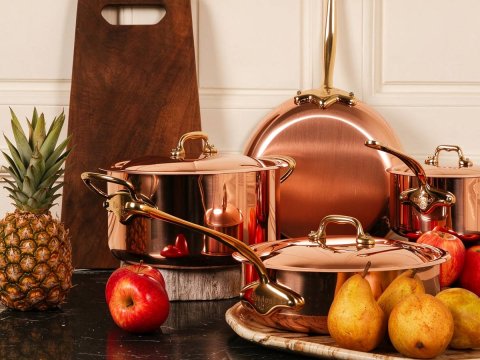
Misen review: the kickstarter knife brand that learned to make pans
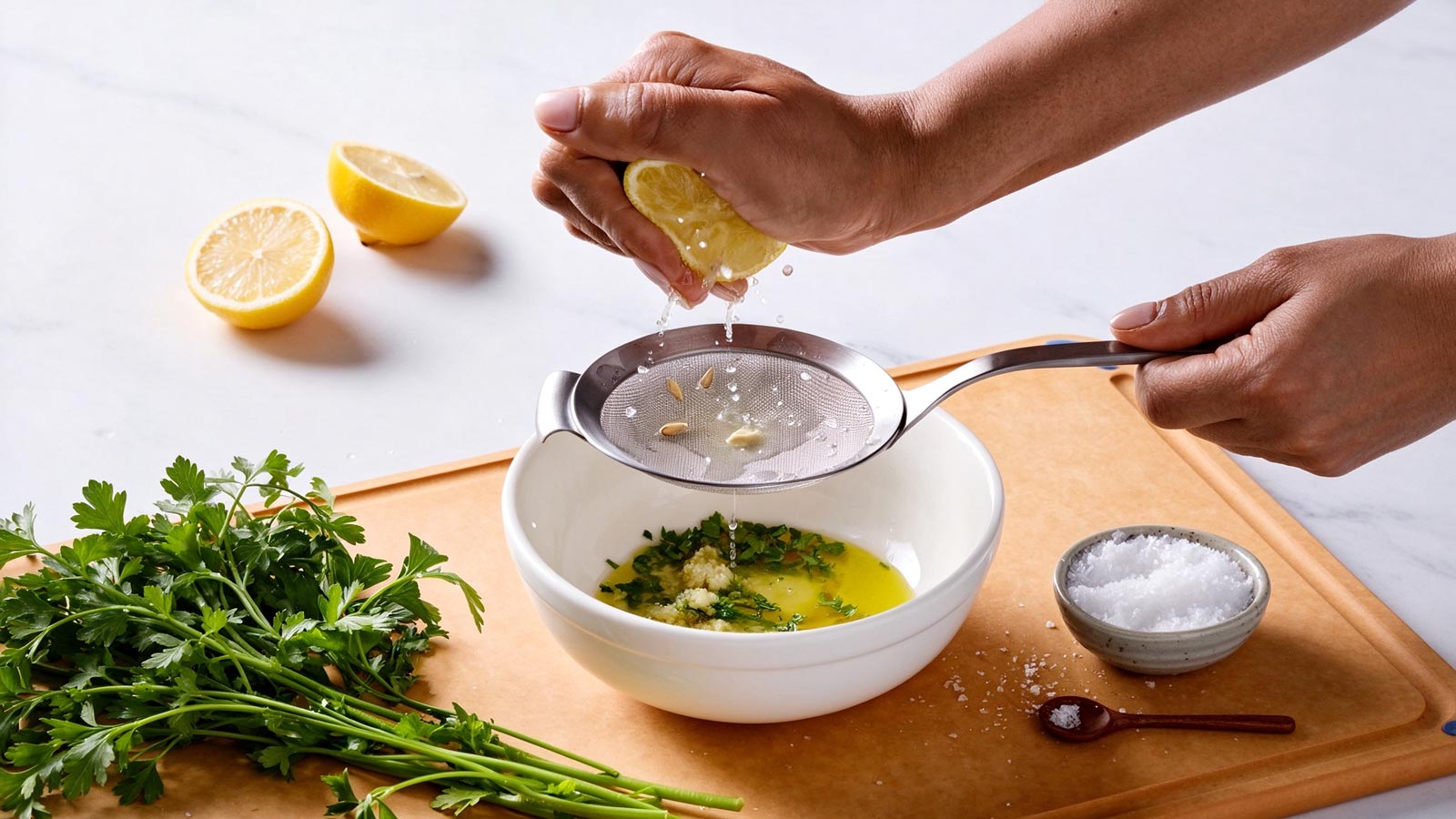
Official homepage: https://misen.com
Misen launched in 2015 when Omar Rada, a former FreshDirect vice president from Brooklyn, put a single chef's knife on Kickstarter after a friend's lost pan exposed a $200 replacement price. The campaign cleared its $25,000 goal in days and passed $350,000 in its first week. Eleven years later the brand sells five-ply stainless cookware, carbon steel pans, nonstick, and full knife sets from a Shopify storefront in Brooklyn, with a 60-day trial and a lifetime defect warranty behind every product. This review evaluates the store across its founding story, manufacturing map, product lines, policies, and the recurring complaints.
A lost pan, a $200 shock, a Kickstarter
The founding story is told the same way on every profile of the company, and it is worth retelling because it explains the entire store. Omar Rada's friend lost his only good pan; the replacement cost around $200, and the two of them concluded that home cooks were being asked to choose between cheap tools that would fail and premium brands with inexplicable markups. Rada — a Cornell hotel-school graduate working as a FreshDirect vice president — decided to build the third option.
The vehicle was a Kickstarter for one product: a chef's knife developed over eighteen months of sketching and prototyping, blending Japanese blade geometry with German-style heft. The campaign cleared its $25,000 goal almost immediately and passed $350,000 within five days; cumulative crowdfunding eventually topped a million dollars. The name is a wink at professional kitchens — "mise en place," pronounced mee-zen — and the brand promise, stated in Rada's own words, is that "no matter your skill level, quality kitchen tools will help you cook better."
Eleven years from one knife to full kitchen
The catalog that grew from that single knife now covers nearly every station of a home kitchen. The knife line still anchors the brand — chef's, santoku, paring, serrated, and utility knives in AUS-10 Japanese steel hardened past 58 Rockwell, with a sloped bolster and optional engraving that made them a default wedding-registry gift. The chef's knife alone has accumulated thousands of verified reviews.
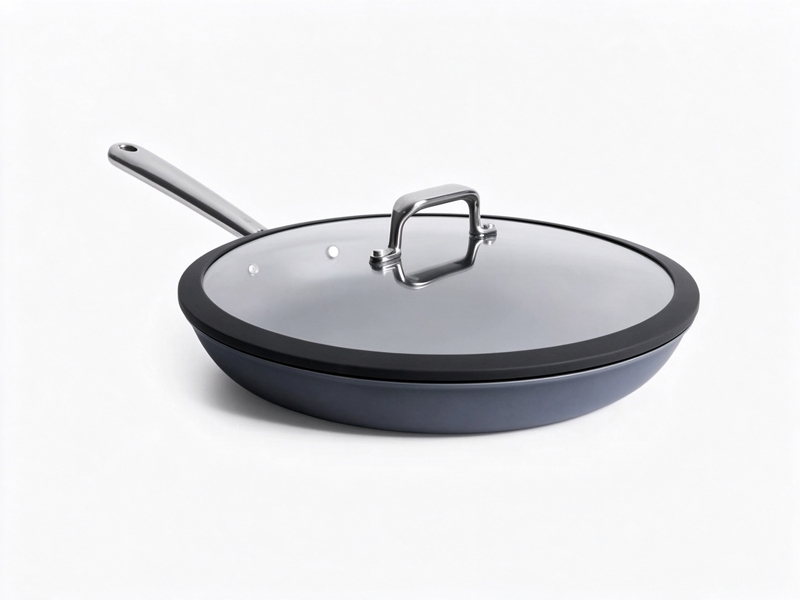
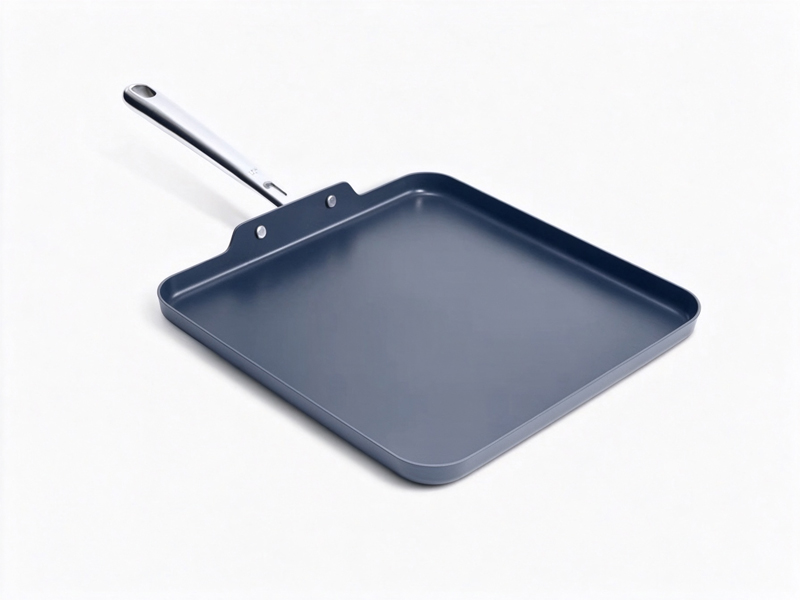
Cookware arrived next and now splits into three families. Five-ply, 3mm-thick stainless clad with aluminum covers skillets, sauciers, sauté pans, and stockpots — the workhorse line reviewers compare directly with All-Clad's D3 at roughly half the price. Carbon steel pans in three sizes serve the cast-iron-curious who want something lighter, with removable silicone sleeves on the handles. And the nonstick line — plasma primer, three-layer PFOA-free coating — handles the egg-and-fish jobs. Prep tools, shears, tongs, cutting boards, and organizational accessories fill the gaps, and bundles are merchandised aggressively across the storefront.
Five-ply steel, carbon steel, and the nonstick
Across the cookware families, reviewers land on consistent strengths and consistent caveats. The five-ply stainless earns praise for even heating, durable riveted construction, and lids that seal well; the caveats are weight, slower preheating than thinner pans, and handles whose rivet nodes can trap food during cleaning. The saucier in particular gets called out as a genuinely thoughtful design — rounded walls that make whisking natural.
The carbon steel pans divide owners exactly the way carbon steel always does: devotees praise the seasoned nonstick surface and lighter weight versus cast iron, while reviewers warn that the seasoning process is involved, the pans are still heavy, and maintenance is a lifestyle choice. The nonstick performs excellently out of the box and is honestly marketed as PFOA-free; the honest asterisk, raised by every long-term review, is that a brand founded in 2015 simply hasn't had time to prove a fifteen-year coating lifespan. Misen's own remedy for that uncertainty is the warranty — addressed below.
Made in China, designed in Brooklyn
Provenance is the section where Misen must be evaluated carefully. The brand is New York through and through — headquartered on Utica Avenue in Brooklyn, staffed by what company profiles describe as a small remote-friendly team with published salary transparency — but its products are manufactured near Shanghai. For buyers who treat country of origin as a proxy for quality, the framing matters: Misen's pitch is that the same factories producing for legacy brands can produce for a direct brand at lower cost, with the retail markup removed rather than the manufacturing corners cut.
The DTC economics are the entire value proposition. By selling through its own Shopify storefront — with a modest expansion into select Amazon listings — Misen prices its five-ply skillet around the level where All-Clad's entry line begins and undercuts it meaningfully at set pricing. The trade-off is tactile: you cannot handle the pans at a department store before buying, and the brand's photography-heavy product pages must carry the weight that a Williams Sonoma display would otherwise bear. The 60-day trial exists precisely to close that gap.
The 60-day trial and lifetime warranty
Misen's policy stack is one of the strongest in the category and does real work for the store. Every order ships free over $100, returns are accepted for sixty days, and the warranty covers defects for the lifetime of the product — an explicit promise that a delaminated ply or a failed rivet becomes the company's problem, not yours. For a cookware purchase where the entire objection is "what if the factory quality isn't there," that combination of try-it-and-return plus long-term coverage is the counterargument.
The catch is process: returns require the original packaging and the customer handles the logistics, reviewers occasionally report slow resolution on warranty claims, and the policies governing engraving — a popular gift option — are stricter since personalized items can't be resold. None of this is unusual for DTC, but the generous headline numbers assume buyers who read the fine print.
Shipping complaints and the Amazon hedge
The single most repeated criticism across independent reviews is shipping. Customers report delayed dispatches on popular items, split shipments on multi-piece orders, and tracking that goes quiet between Brooklyn and the doorstep. For a brand whose pitch includes treating buyers better than legacy retail, the fulfillment experience is the gap between the promise and the practice — and several long-form reviews flag it as the reason they hesitated to reorder.
Notably, Misen has hedged this by placing select products on Amazon, effectively outsourcing last-mile reliability to the platform for shoppers who prefer it. The Shopify storefront remains the full catalog — every colorway, bundle, and engraving option lives there — but the Amazon presence is an admission that fulfillment consistency is still a work in progress for a team its size.
How Misen stacks against Made In and All-Clad
Every Misen purchase decision eventually becomes a three-way comparison. Against All-Clad, Misen wins on price dramatically and trails on provenance: the American-made legacy brand carries fifty years of restaurant credibility and slightly more refined finishing, at double the money. Against Made In — the Austin rival with its own chef-partner flywheel and Michelin-adjacent endorsements — the gap narrows: both are DTC, both price stainless aggressively, and Made In's multi-country manufacturing story (Tennessee, France, Italy) reads stronger on a product page than Misen's single-country one, while Misen counters with friendlier trial terms and a broader value-priced nonstick and carbon steel range.
The verdict most reviewers converge on: Misen is the best answer in the category for cooks who want professional-grade construction and honest pricing, can wait out occasional shipping friction, and value the sixty-day safety net more than a heritage logo on the handle. Purists buying once for decades may still route to All-Clad or Made In; everyone cooking five nights a week on a budget should shortlist this store.
Final thoughts for the budget-conscious cook
Misen turned a lost pan and a crowdfunding campaign into one of the most coherent value propositions in American cookware: Brooklyn-designed, Chinese-made, direct-sold, with a policy stack that treats hesitation as the enemy. The Shopify storefront executes the vision cleanly — bundles and engraving options reward full-catalog shopping, the content educates more than it sells, and the review ecosystem around the flagship knife has effectively become a decade-long durability test the brand keeps passing.
Buy here if you cook seriously on a budget, want the safety net of a sixty-day trial on a pan you can't touch first, or need a gift that looks twice its price. Watch shipping timelines on big orders, season the carbon steel patiently, and manage expectations on nonstick longevity the way you would with any young brand. For the value-driven home cook, Misen remains one of the most rational cookware stores on the internet.