Brooks england's leather promise: inside the oldest saddle store on the internet
Official homepage: https://www.brooksengland.com
Few cycling brands can trace a founding date further back than the bicycle's own mainstream era. Brooks England began in 1866 as a leather goods workshop in Smethwick, England, and turned to bicycle saddles within a decade, after founder John Boultbee Brooks — so the story goes — lost his horse and found the era's bicycle seats unbearable. One hundred and sixty years later, the company sits under Italy's Selle Royal Group and still stamps its name into vegetable-tanned leather. This review looks behind that myth at the modern online store: the product range, the maintenance reality, the warranty fine print, and whether the premium still makes sense.
A Smethwick Workshop That Outlived the Bicycle Boom
The history is almost absurdly deep. John Boultbee Brooks started the company in 1866 making leather harnesses and horse saddlery in Smethwick, near Birmingham, and by the late 1870s the firm had pivoted to bicycle saddles as the safety bicycle era began. The B17, the model most riders still picture first, has been in continuous production for over a century, carried by commuters, couriers, and tourers through two world wars and the entire rise and fall of British framebuilding. Today Brooks is owned by Selle Royal Group and manufactures in England, but the signature product remains stubbornly unchanged: shaped leather stretched over a steel frame that molds to its owner. Very few stores on the internet can sell you an object whose basic design predates powered flight.
What a Leather Saddle Actually Costs in Maintenance Hours
The sticker price is only the entry fee. A leather Brooks needs roughly 100 to 300 miles of break-in before it stops feeling like a wooden plank, occasional applications of Proofide to keep the hide supple, and periodic tension adjustments via the nose bolt as the leather stretches. Leave one soaked in the rain without care and you can permanently deform the top. Devotees treat this as a ritual — the saddle darkens, shines, and eventually fits like a cast of the rider's sit bones. Riders who simply want a seat will reasonably call it a hobby with a saddle attached. The store leans into this completely, with maintenance guides and a full care catalog that assume you are buying a decades-long relationship rather than a component.
Browsing a Store That Sells Fewer, Older Products
The online shop feels closer to a heritage brand's flagship than a typical parts retailer. Navigation is deliberately narrow: saddles, bags, grips, bar tape, accessories, spare parts. Product photography is editorial rather than clinical, and the copy spends as much time on a model's story as on its specs. Helpful touches include detailed width and riding-position guidance, a clean split between the classic leather line and the newer Cambium range, and a spare-parts section for tension bolts, rivets, and rails. There is no endless-scroll catalog — the entire saddle range fits on roughly two screens, which is either refreshing or limiting depending on how much you enjoy comparing twenty nearly identical options.
The Warranty Terms Hiding Behind the Heritage Marketing
Brooks' warranty is genuinely strong but comes with homework. Every saddle ships with a standard two-year guarantee, and registering through the Brooks Forever program within three months extends coverage to ten years. The catch is that window: miss it and you are back to two years, no exceptions. The ten-year coverage applies to material and manufacturing defects, not wear, and community forums note that spare parts for the classic leather range have grown scarcer since the Selle Royal era began — meaning a broken rail often means sending the saddle back to Brooks rather than fixing it at home. Repair turnaround and shipping costs can sit with the customer, so buyers far from Europe should factor that in before falling for a hand-hammered copper-riveted model.
How the Cambium Line Quietly Modernized a Stubborn Brand
Launched in 2013, the Cambium range is the cleverest thing in the store. Instead of leather, these saddles use vulcanized natural rubber laminated with organic cotton: no break-in, no Proofide, no tensioning, no panic when it rains. They are ride-ready out of the box and waterproof by construction, yet keep the distinctive riveted silhouette. The range spans the C13 with carbon rails at the top, the everyday C17 anchoring the middle at roughly $140, and the wider C19 for upright city bikes. For riders who want the Brooks look and longevity without adopting a maintenance hobby, Cambium answers nearly every objection to the classic leather line, and it has become the brand's modern gateway product.
Where the Premium Price Starts Feeling Hard to Justify
There is no way around the numbers. A B17 runs about $110 to $150 depending on variant, team and professional models climb toward $190, and special editions go well beyond, while a perfectly decent modern saddle from mainstream brands costs half as much and weighs 150 grams less. The B17's roughly 460 grams is double a performance saddle, the break-in is real, and a tensioned leather top worn past its limit is scrap, not a warranty claim. Leather also makes the saddle a theft magnet on city streets, and ethically minded riders may pause at the hide itself. The value case only works amortized over ten or twenty years of daily use — which is exactly the calculation the brand invites you to make.
Who This Store Serves Better Than Anyone Else
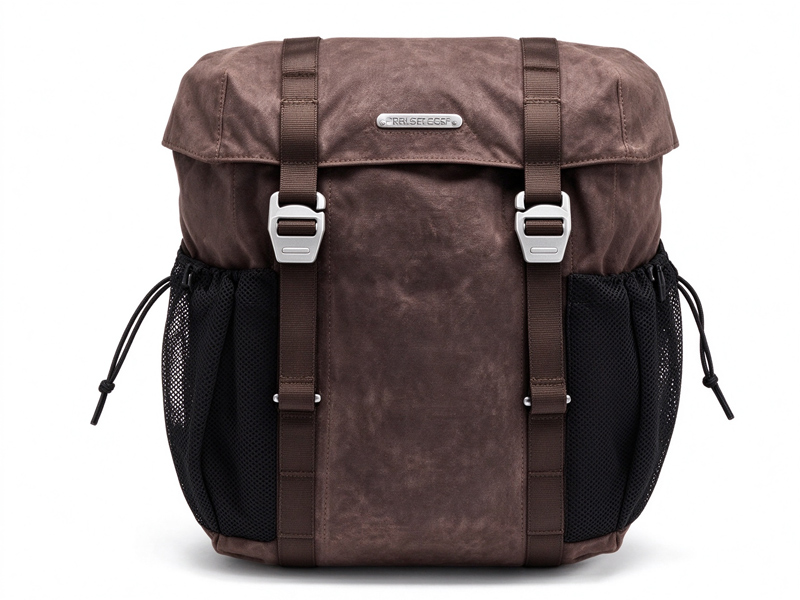
The core customer is easy to sketch: the daily commuter in ordinary clothes, the touring cyclist measuring comfort in weeks rather than kilometers, the city rider who wants a bike that ages visibly and gracefully, and the romantic who appreciates that a saddle can carry a century of history. Brooks serves these riders better than almost any competitor because its whole catalog — leather grips to waxed canvas bags — is built around patina as a feature. If your priorities are weight, aerodynamics, or lowest cost per season, the store will feel like a museum gift shop. If you want one beautiful object that becomes more yours every year, it will feel built for you alone.
The Verdict After a Season of Daily Riding
Brooks England's store succeeds because it never pretends to be anything else. The catalog is narrow, the prices premium, the leather demanding, and the ten-year warranty rewards buyers who actually read the registration instructions. In exchange you get products with no real substitutes: saddles that mold to their owners, a maintenance culture that turns ownership into a craft, and design continuity almost nobody else in cycling can match.