Bombtrack: the cologne brand building gravel bikes since before gravel was cool

Official homepage: https://bombtrack.com
If you browse gravel bikes today, nearly every brand claims it invented the category. Bombtrack actually got there early. Born in 2011 inside a Cologne BMX workshop, the German label shipped its first range in 2012 and released the Hook in 2014, years before "gravel" became a marketing buzzword. Fifteen years on, Bombtrack still builds around double-butted 4130 chromoly steel, fields titanium flagships, and backs a race team that holds ultra-distance records. This review looks at where the brand came from, what its bikes cost, and whether its steel-first philosophy still makes sense.
Born Inside a BMX Workshop in Cologne
Bombtrack Bicycle Company was founded in 2011 in Cologne, Germany, growing out of WeMakeThings, the creative home of WeThePeople BMX. That BMX DNA never left: the brand's two-person core is Marcellus Putschli, who handles engineering and product development, and Manuel Schuerholz, who shapes the culture and communications. The first Bombtrack product range arrived in 2012, and the small team has deliberately kept things lean, designing frames in Germany while letting the bikes' reputation spread through riding scenes rather than mass advertising.
Gravel Before the Category Even Had a Name
The 2014 Hook is regularly cited as one of the very first complete gravel bikes sold anywhere. Bombtrack did not follow a trend; it helped create one. That early-mover credibility matters today, because the brand's gravel expertise has compounded over a decade while newer labels were still sketching their first frames. Reviewers at bikepacking.com put an early Hook EXT through its paces and, despite some quibbles, treated it as a benchmark for what a loaded steel adventure bike should feel like.
Why Steel Still Anchors Every Bombtrack Frame
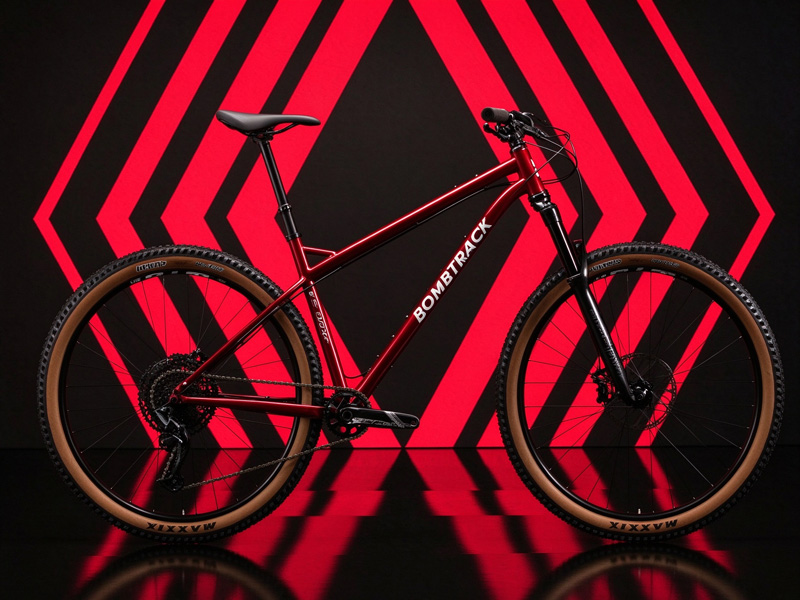
Material honesty is Bombtrack's calling card. Most of its lineup uses double-butted 4130 CrMo chromoly steel, chosen for repairability, ride quality, and decades-long durability. The flagship Hook EXT Ti pushes the same design into titanium, while even mid-tier models like the Hook EXT SX Eagle use premium Columbus Cromor tubing with a Seido full-carbon fork, T47 bottom bracket, and clearance for 27.5x2.0 or 700x45 tires. Few brands at this price point spec steel this thoughtfully.
From a 1,500 Euro Arise to Titanium Hook
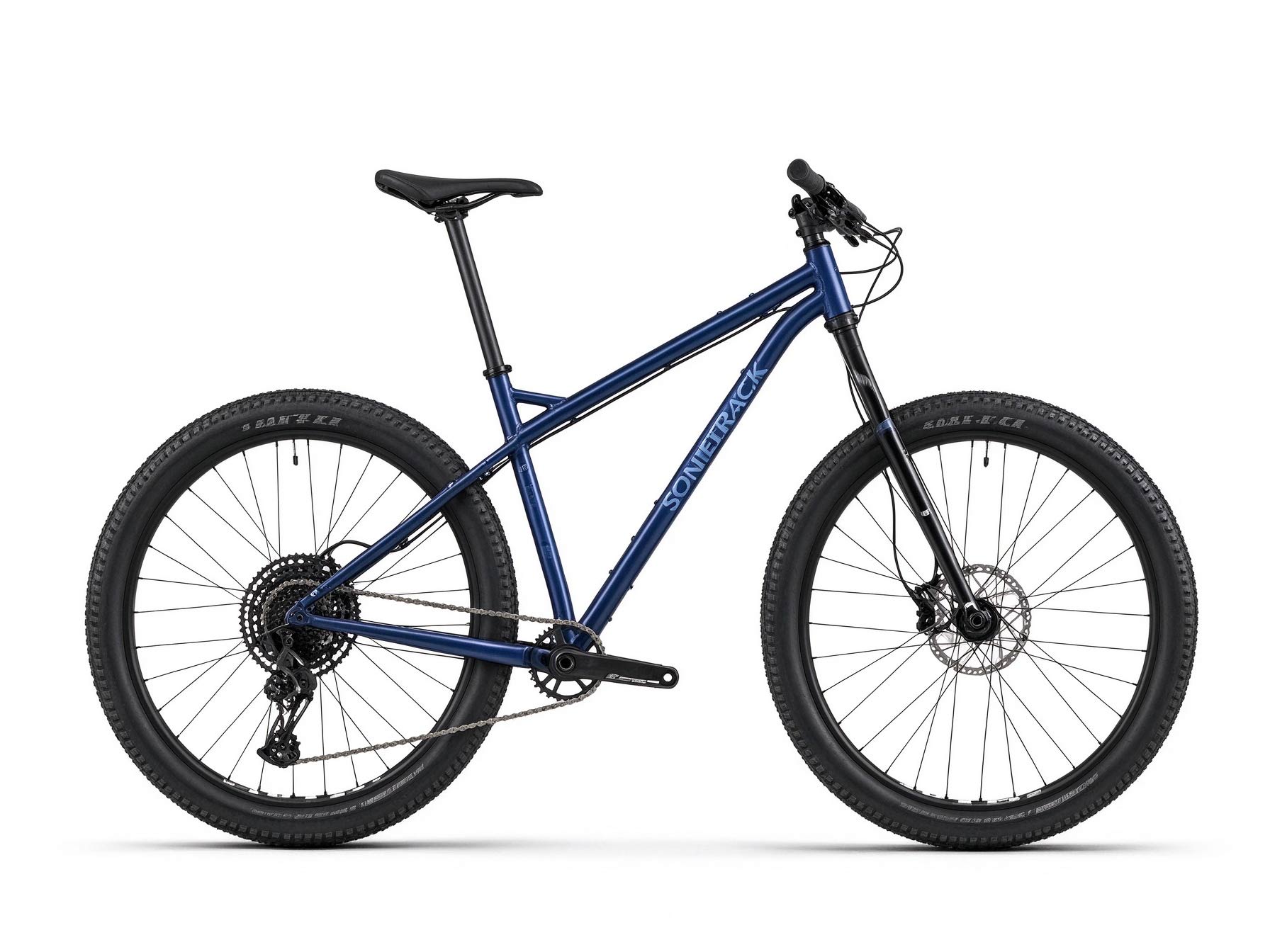
Pricing spans roughly €1,499.99 for the steel Arise to €5,999.99 for the Hook EXT Ti, with the carbon Hook EXT C Apex AXS at €3,999.99 and aluminum options like the Hook AL Sword near €2,000. US pricing runs about $1,719.99 for the Arise and $2,749 for the flat-bar Hook EXT SX Eagle. Beyond completes, Bombtrack sells framesets such as the Beyond at $949.99, plus a cargo bike (Munroe), cyclocross race machines (Tension), and hardtails (Cale).
Races, Records, and the Tuscany Trail Crew
Bombtrack invests in community the way small brands must: through events, not ad buys. The brand has sponsored the NRW-Cross-Cup cyclocross series since 2017 and fields a team on the Tuscany Trail, the self-supported bikepacking crossing of Tuscany. Its roster includes Sofiane Sehili, who holds the fastest known time on the Silk Road Mountain Race, an Eurasian ultra-distance event. This is a company whose bikes are raced and loaded across continents, not just photographed.
What Buying Direct Actually Looks Like
The online store is a full Shopify shop with EU/UK currency options, selling complete bikes, framesets, apparel, accessories, and spare parts. Warranty terms are published plainly: three years on frames, two on forks, one on parts, paint, and decals, with claims routed through authorized dealers. The honest caveats: frames are manufactured in Taiwan, US dealer coverage is thinner than European, and bikepacking.com dinged the Hook EXT for high stock gearing and a low front end.