A napkin sketch became america's largest electric bike store chain
Official homepage: https://pedegoelectricbikes.com
Before direct-to-consumer e-bike brands fought over torque sensors and app integrations, Pedego was sketching a different path — one drawn, famously, on the back of a cocktail napkin. Founded in Orange County in 2008 by two lifelong friends, the company built America's largest branded electric bike store network on a simple premise: sell fun first, bicycles second, and let delighted customers become dealers. This review examines the official store from every angle — its unusual founding, its dealer-first model, its warranty, its recall record, and what changed when new owners arrived in late 2025.
Hated Hills, Loved Cycling: A Business Born of Frustration
Don DiCostanzo spent thirty years in the automotive world before opening an electric bike shop called Zclipse in Newport Beach as a labor of love. The shop quickly became one of America's largest e-bike retailers, but DiCostanzo grew frustrated with the quality and bland styling of the bikes he was importing. The hill between his home and the beach didn't help either. When his longtime friend Terry Sherry — a technical expert who had rebuilt bicycles with his father since childhood — complained about the same hills ruining his weekend rides, the two decided the market needed a brand they would build themselves.
Two Best Friends and One Famous Cocktail Napkin
In November 2008, over dinner, the pair sketched their plan on the back of a napkin and set quality, innovation, and customer service as the company's core values. Pedego opened its doors that December in a 1,500-square-foot space in Irvine, California, then doubled to 3,000 square feet within a year, doubled again by 2010, and settled into a 16,000-square-foot headquarters in 2012. The first Comfort Cruiser sold in 2009. The two founders, who served as best men at each other's weddings, have repeated the napkin story so often it has become the brand's founding myth — but the dates, addresses, and square footage all check out.
The Anti-Amazon Play: Branded Stores Over Discount Shipping
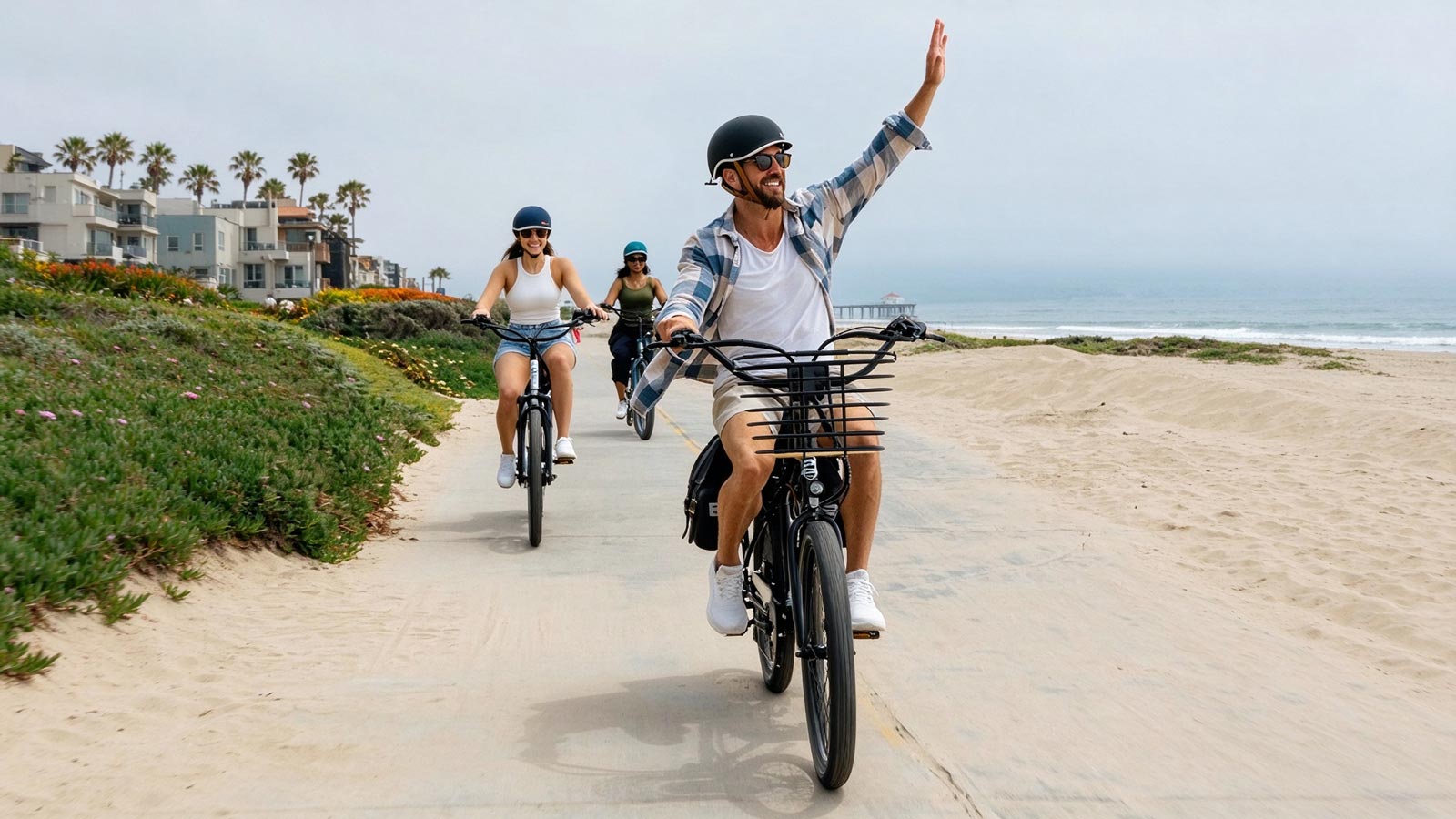
Pedego's defining strategy was refusing to compete on price and shipping speed. Instead, it built a network of independently owned, Pedego-branded stores — around 83 in 2016, more than 140 by the company's tenth anniversary, and roughly 200 at its peak — where customers could test ride, get fitted, and return for service. Navigant Research named Pedego the number one electric bike brand in the United States in 2016. For its first decade the company famously did no advertising, relying on its "Hello, fun..." tagline, colorful designs, and a striking pattern: many Pedego dealers started as customers who loved their bikes enough to open a store.
Five Years of Coverage Behind the Bright Paint
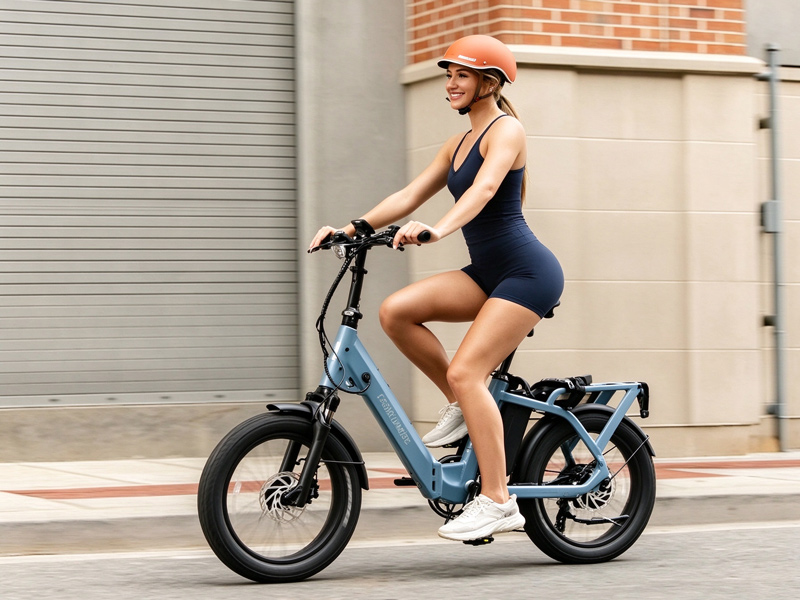
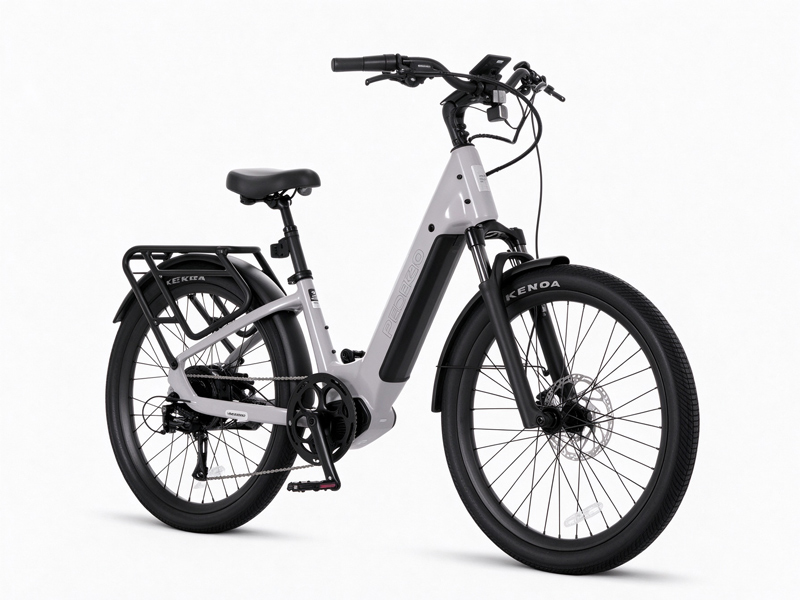
The current lineup spans cruisers like the Comfort Cruiser and Interceptor, the City Commuter, the fat-tire Trail Tracker, the Elevate mountain bike, cargo haulers, trikes, and tandems, with typical pricing between $1,600 and $4,600. Bikes are contract-manufactured overseas, with production shifting toward Taiwan and Vietnam around 2018. The headline promise is Pedego Care: a five-year warranty covering the full bike, backed by lifetime frame coverage and a three-year battery warranty — among the strongest terms in the industry, provided a nearby dealer honors them. Manufacturing origin varies by model, so buyers should confirm the spec sheet on the exact bike they want.
Three Recalls and a Sale to New Owners
The honest record includes three CPSC recalls: a 2015 battery fire hazard, a 2020 unexpected-acceleration cable fault, and a December 2025 frame-fracture recall on the Fat Tire Trike. None went unaddressed, but three recalls in a decade is more than some rivals carry. The bigger shift came in November 2025, when Pedego was sold to the US-based ownership group behind the brand Urtopia, and DiCostanzo — who remained on the board until October 20, 2025 — departed entirely. The operating company now trades as New Pedego Holdings Inc., and long-term warranty support sits with owners whose track record in the American market is still short.
Deciding Whether Hello Fun Fits Your Garage
Pedego remains a legitimate, long-established brand with real stores, real service, and a warranty that reads impressively on paper. It suits recreational riders — the beach-cruising, trail-rolling, hills-be-damned crowd the founders built it for — more than spec-driven commuters comparing watt-hours. The trade-offs are real: bikes contract-built overseas, a mid-range price band, three federal recalls, and brand-new ownership still proving itself. Buyers near a well-run Pedego store get genuine value from the dealer model; buyers far from one should weigh how much of the promise survives the distance.