A camera company sold three times, outlived every buyer
Official homepage: https://www.lorextechnology.com/
Lorex is one of the oldest names in do-it-yourself security, and one of the most turbulent. Founded in Ontario in 1991 by the Klein family, it went public, was bought by a thermal-camera giant, sold to a Chinese surveillance manufacturer, pulled from America's biggest retailers, and rescued by a Taiwanese cloud company — all while keeping its no-subscription, local-recording formula intact. Thirty-five years on, its recorders still anchor security walls in homes and small businesses across North America. Here is our review of its store.
Three Decades of DIY Security Before the Cloud
The company began as a family electronics business. Bernard Klein founded Lorex in Ontario in 1991, took it public in 1993, and sold it to Strategic Vista International in 1996; by 2000 it was leading the DIY niche with a five-inch black-and-white system that paired cameras with a TV tuner, and in 2003 it expanded into professional security through a subsidiary called Digimerge. Long before "smart home" was a category, Lorex was selling self-installed camera systems through electronics retailers and its own e-commerce site — an early 2007 move that let customers assemble customized systems at a time when most security meant a dealer visit and a monthly contract.
Thermal Camera Giant Bought It, Then Walked Away
In 2012, FLIR Systems — best known for thermal imaging — acquired Lorex for $59 million, betting that consumer security volumes would drive down the cost of its camera cores. The marriage never quite worked: retail pricing pressure squeezed margins, and by early 2018 FLIR exited the DIY market entirely, selling Lorex to China's Dahua Technology for a reported $29 million — less than half what it had paid six years earlier. Under Dahua, Lorex pivoted hard toward 4K resolution and smart deterrence, becoming by 2020 the retail market leader in 4K security camera systems, while the corporate ownership would soon become its biggest liability.
Shelved by Big Retail, Rescued by Taiwan
In 2021, the reckoning arrived: Best Buy, Home Depot, and Lowe's stopped carrying Lorex products amid concerns about Dahua's alleged role in surveillance in Xinjiang and U.S. restrictions on the parent company. The response came at the end of 2022, when Dahua agreed to sell Lorex to Taipei-based Skywatch for $72 million, with the deal completing in February 2023. Ownership changed, but the supply chain did not entirely: reports have indicated that Dahua hardware still underlies much of the recorder catalog, and in October 2025 the Texas Attorney General opened an investigation into whether Lorex deceptively downplays those ties; the state filed suit in February 2026. Shoppers should know the provenance debate is ongoing, even as the brand operates as an independent North American-facing company.
The Recorder That Never Asks for Rent
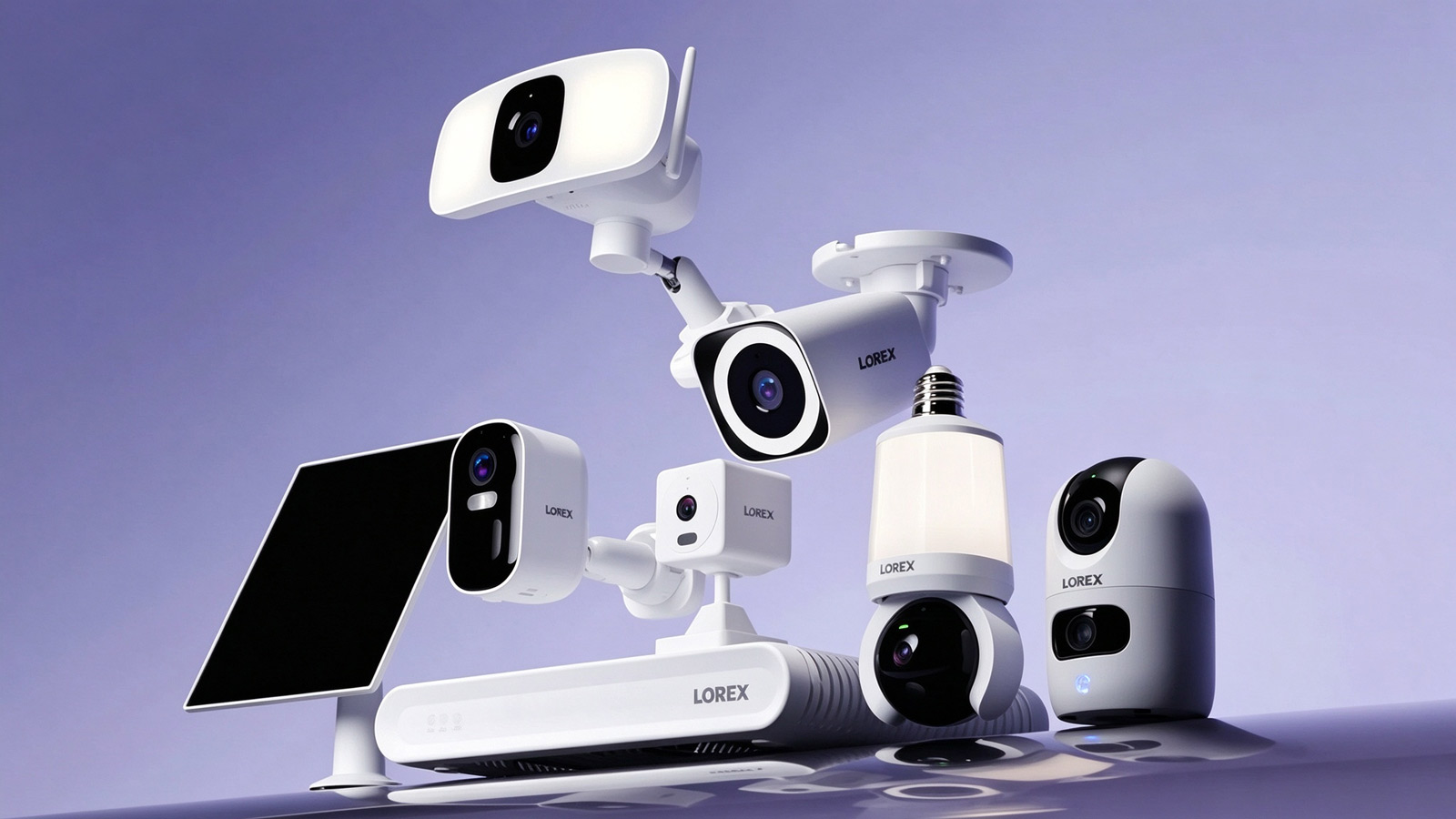
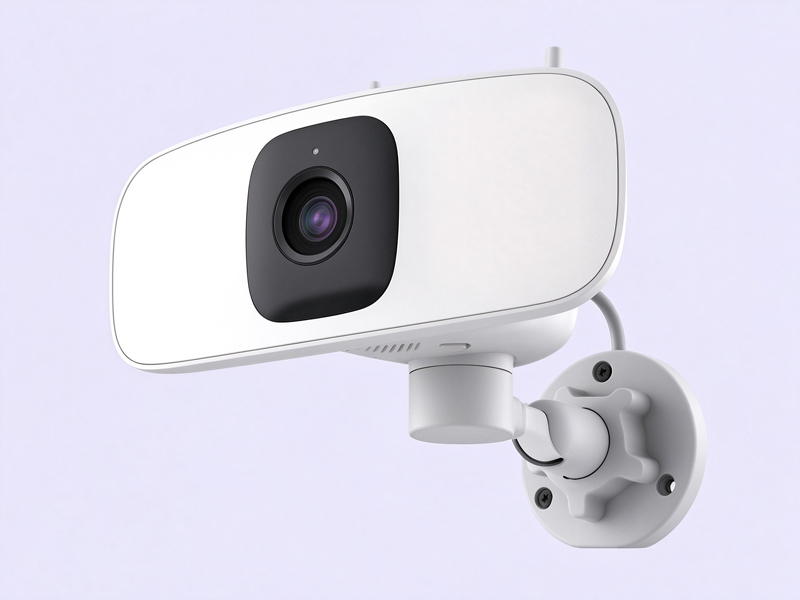
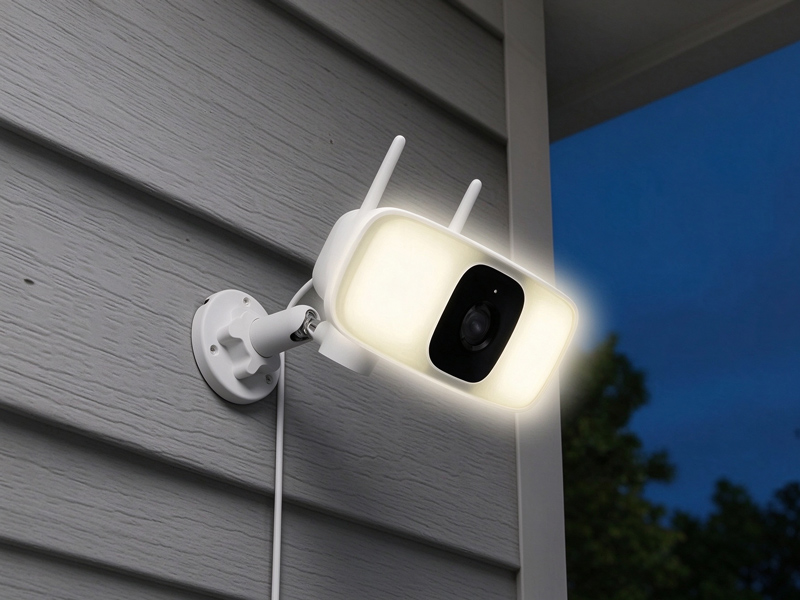
The product formula, meanwhile, has stayed remarkably consistent. Lorex sells four families of gear — analog DVR kits over coax for retrofits, PoE NVR systems over Cat6 for new builds, Fusion hybrid recorders that mix analog and IP cameras on one box, and wire-free battery cameras — with wired systems recording continuously to local hard drives of two terabytes and up. There is no required subscription: the Lorex Home app, live view, playback, and person and vehicle detection work free, and the optional Lorex Cloud tier at roughly $4 to $10 per camera monthly is genuinely optional. Current hardware spans the $199 budget DVR to the $799 sixteen-channel hybrid recorder, 4K smart-deterrence cameras with color night vision around $129 to $229, a 2K video doorbell at $149, and the Smart Home Security Center, a ten-inch touchscreen hub that doubles as an Alexa speaker. Warranties run two years standard, stretching to four on Costco-exclusive bundles.
Government Scrutiny Followed the Cameras
No honest review can separate the gear from the geopolitics. Dahua — Lorex's owner from 2018 to 2023 — sits on U.S. federal restricted lists over national security concerns, and while Lorex itself is not banned and maintains NDAA-compliant product lines for government-adjacent buyers, the Texas lawsuit alleges continued component and firmware ties to its former parent. The practical read for a household is nuanced: footage on a local Lorex NVR never needs to leave the property, which limits exposure compared with cloud-first rivals, but buyers who weigh supply-chain provenance heavily will want to follow the litigation. The company, for its part, emphasizes its Taiwanese ownership, U.S. and Canada support operations, and commitment to transparent security practices.
Who Should Wire This Store Into Their Home
For the right buyer, Lorex remains compelling: permanent wired coverage, 24/7 continuous recording, 4K detail that identifies faces and plates at distance, and zero mandatory monthly fees — a combination subscription-first rivals do not match at similar prices. The store suits homeowners planning a multi-camera install, small businesses, and anyone retrofitting coax wiring through a Fusion hybrid box. The costs are equally specific: installation means running cable and finding closet space for a recorder, the app is functional rather than delightful, battery and smart-home integration lag the cloud-native crowd, and the ownership history demands informed consent. Choose it for the recorder, not the brand story — and it delivers.