The keypad that shuffles itself after every visitor
Official homepage: https://www.lockly.com/
Lockly attacks a problem most smart lock makers treat as solved: someone watching you type your code. Its patented PIN Genie keypad reshuffles the digits after every entry, and its Secure line pairs that with 3D fingerprint readers and optional built-in video doorbells. Founded by University of California Berkeley graduate Lee Zheng and based in Walnut, California, the company has stayed privately funded for a decade. Here is our review of its store.
A Berkeley Engineer Rewrote the Door's Keypad
The company was founded in the mid-2010s in California's San Francisco Bay Area by Lee Zheng, a UC Berkeley graduate, with a simple observation: smart locks were adding connectivity but not fixing the oldest vulnerability in electronic locks — the telltale pattern of a typed PIN. Smudges on a static keypad, a glance over a shoulder, a code shared with one too many cleaners or guests: these were the ways real households actually got compromised. Zheng's answer was to attack the keypad itself rather than bolt on more software, and the company built in-house hardware and software teams across the United States and Asia to control the whole stack. No public funding rounds are on record — Lockly has grown the old-fashioned way, on product revenue.
The Numbers That Move After You Type
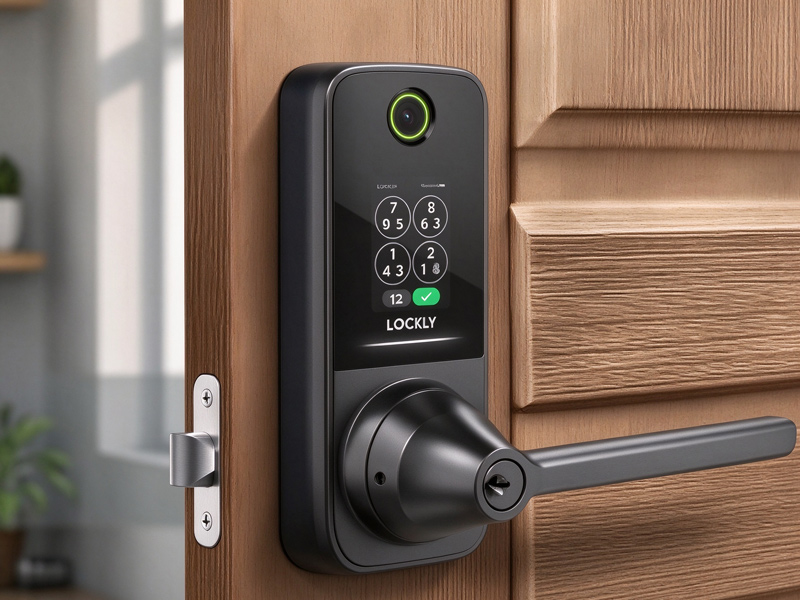
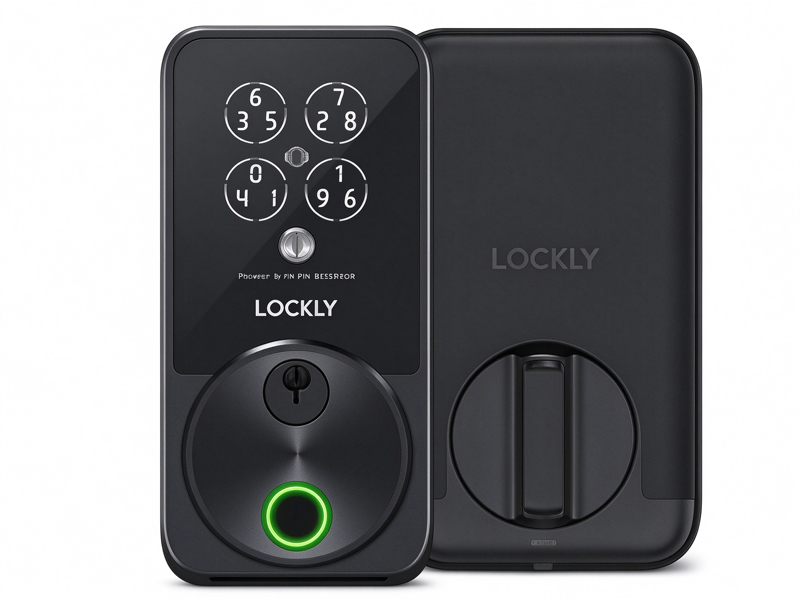
The headline technology is PIN Genie, a patented keypad whose digit positions reshuffle after every single entry, so a bystander — or a camera, or the smudge trail on the glass — cannot reconstruct which buttons were pressed. The app adds further layers: temporary guest codes, scheduled codes for housekeepers or dog walkers, and remote lock history that shows who entered and when. Underneath sits 128-bit AES encryption on the lock's communications. Reviewers consistently single out the implementation as more than a gimmick, and the Secure line has sold well enough to spawn Standard, Plus, and Pro tiers at different price and feature points, making it one of the few genuinely differentiated keypad designs in a market full of lookalike deadbolts.
Fingerprint, Video, and One-Device Doors
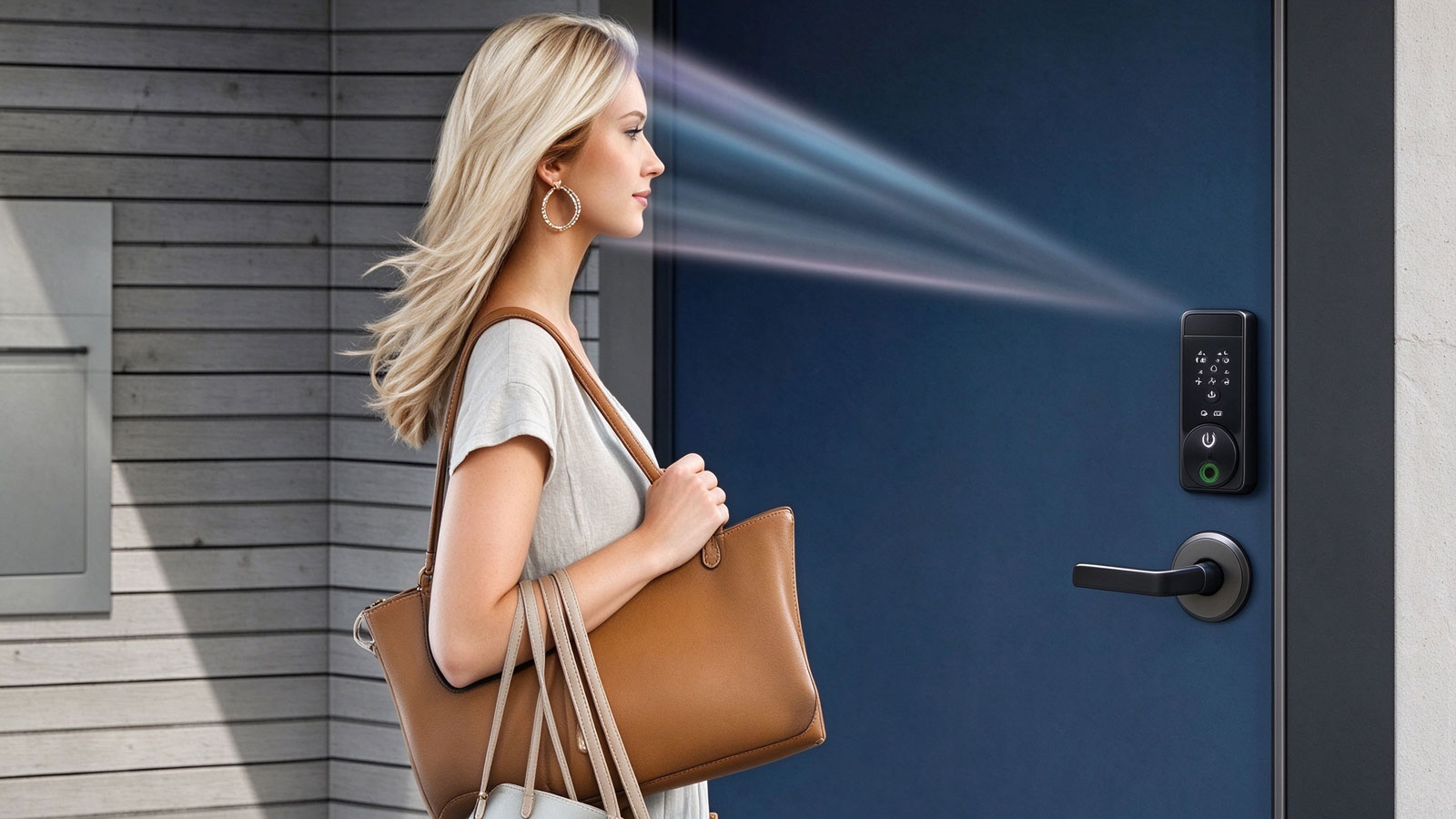
Entry options stack on top of the keypad. A 3D biometric fingerprint reader sits beside it, reading fingerprint depth rather than a flat image, with recognition fast enough that the lock opens as the finger lands. The Lockly Vision line pushed further by merging the deadbolt with a video doorbell — camera, two-way audio, and motion alerts in the same device — a category the company was early to and still anchors, with Vision Elite variants adding wider fields of view and longer battery life. Battery power across the line runs on standard AA cells with months of life, and the locks install on standard deadbolt footprints in place of existing hardware, keeping the upgrade approachable for homeowners who have never touched low-voltage wiring.
No Venture Money, One Patent Discipline
The corporate profile is unusual for a company with this much shelf presence: privately held with no disclosed institutional funding, run from its Walnut headquarters with product and support operations spanning the US and Asia. That independence shows in a consistent design language — every model carries the same reshuffling keypad and the same app — and in a willingness to build adjacent categories in-house. At CES 2026 the company broadened the catalog in two directions: the Affirm series of Matter-over-Thread smart locks starting at $179.99, and the OwlGuard security camera extending the brand beyond the front door. The TapCom platform targets short-term-rental hosts with code management across multiple properties, a growing niche as the smart lock market splits between homeowners and hosts.
Matter, HomeKit, and the Rental Market
Connectivity has been modernized deliberately. The Matter Link hub — previously sold as Secure Link — bridges the Bluetooth-based locks onto WiFi and into the Matter standard, including Matter-over-Thread connectivity, so a Lockly deadbolt can appear in Apple Home alongside Google and Amazon ecosystems without proprietary lock-in. The Affirm series goes further by building Matter in natively. The practical caveats mirror every Bluetooth-bridge lock: remote access depends on the hub staying powered and online, and the deepest management features live in the Lockly app rather than the ecosystems it integrates with. For pure smart-home purists who want native Thread end-to-end, some rivals go further — but for households that want a lock that works first and integrates second, the architecture is reasonable.
The Lock for People Who Hate Lockouts
The store's pitch resolves to one sentence: enter however suits the moment — finger, shuffling code, app, key — without ever worrying who saw. That combination of anti-shoulder-surfing design, dependable biometrics, and the option of a one-device lock-plus-doorbell is genuinely rare, and pricing across the Secure line undercuts flagship rivals while remaining more premium than budget imports. The honest trade-offs are support and ecosystem: with no venture-scale organization behind it, the service experience is competent rather than luxurious, advanced automations need the hub, and the camera line is young next to camera-first brands. For renters-turned-owners, hosts juggling guest access, and anyone who has ever watched a stranger memorize their door code, though, this store addresses a real problem most rivals ignore.