A sleep-deprived phd dad turned the crib into a lab
Official homepage: https://www.nanit.com/
Nanit turned the baby monitor into a sleep-science instrument. Founded by computer-vision researchers in New York and Israel, it launched in June 2016 on $6.6 million of seed funding with a camera that watches a crib from above and explains, in plain language, how the baby inside it sleeps. A decade later the store spans cameras, breathing wear, and a sound-and-light machine, with a subscription tier many parents consider the actual product. Here is our review of its store.
Fifteen Years Making Cameras Smarter
The founding team came from deep inside computer vision. Assaf Glazer spent fifteen years as a researcher and engineer making cameras smarter, earning a PhD in machine learning and computer vision at the Technion Israel Institute of Technology; Tor Ivry worked alongside him at Applied Materials from 2004 to 2010; Andrew Berman completed the founding trio. The company's first institutional home was Cornell Tech's Runway Startup Postdoc program in New York, which incubated the idea while the founders consulted pediatric sleep labs, sleep scientists, and psychologists — including Dr. Avi Sadeh of Tel Aviv University — to connect sleep science to image analysis. That research-first DNA still defines the product: Nanit is as much a sleep-data company as a hardware one, with offices in New York and Ramat Gan, Israel.
The Night His Son Wouldn't Sleep
The origin story is parental and specific. While studying for his PhD, Glazer and his wife had a son, Udi, and like every new parent Glazer found himself sleep-deprived, standing at the crib wondering whether the baby was asleep, awake, or about to wake. His professional instinct kicked in: why not point the smart-camera technology he built at work at the crib, and let algorithms answer the questions parents ask at 3 a.m.? Ivry, then expecting his third child, heard the pitch and joined. The insight that shaped everything after was that a monitor should do more than show an image — it should understand one. The company launched on June 15, 2016, with $6.6 million in startup funding, and a Series B in May 2018 led by Jerusalem Venture Partners brought total funding to nearly $30 million, with Upfront Ventures, RRE Ventures, Vulcan Capital, and Vaal Investment Partners along for the ride.
Overhead Is Where the Science Works
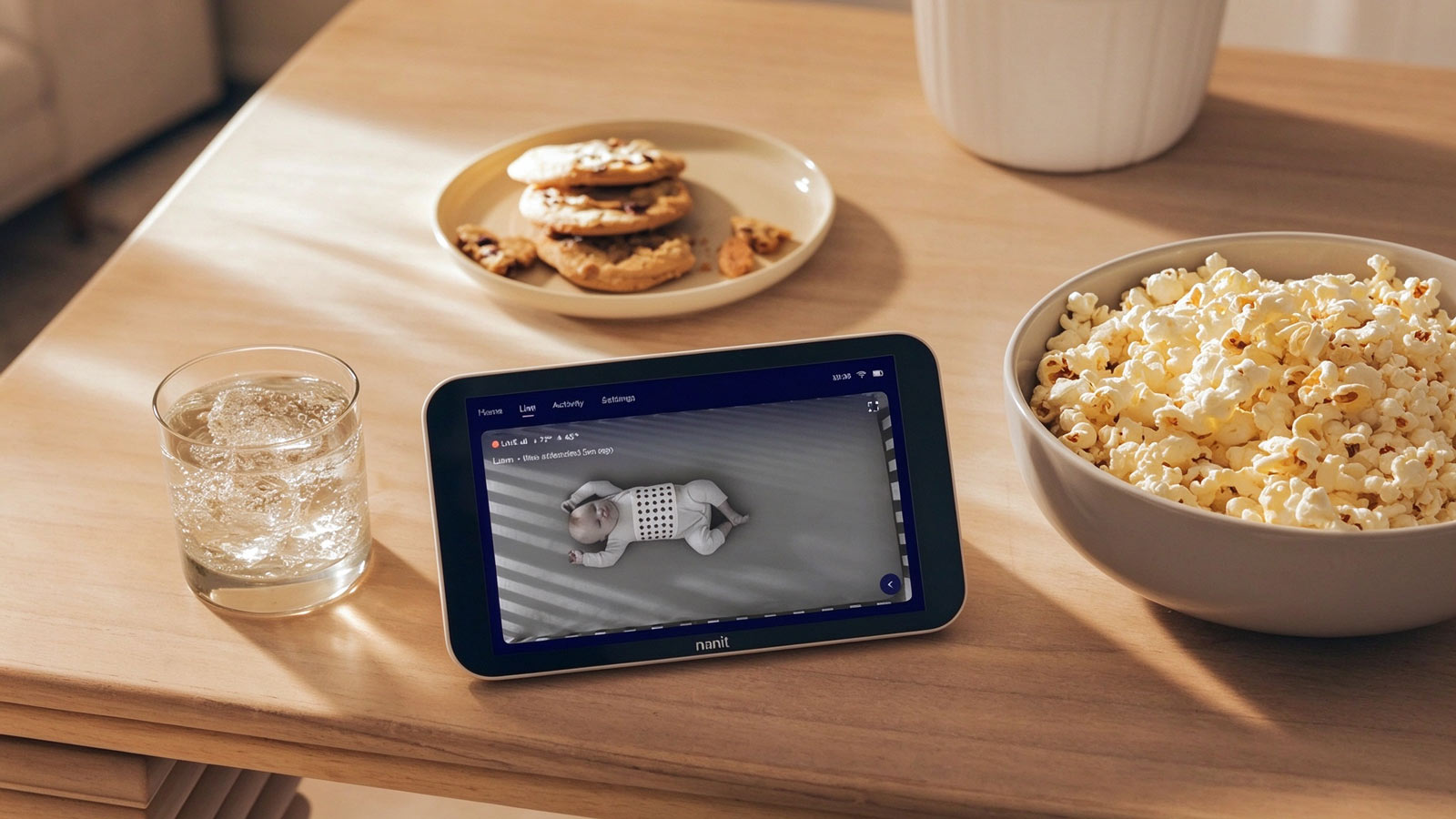
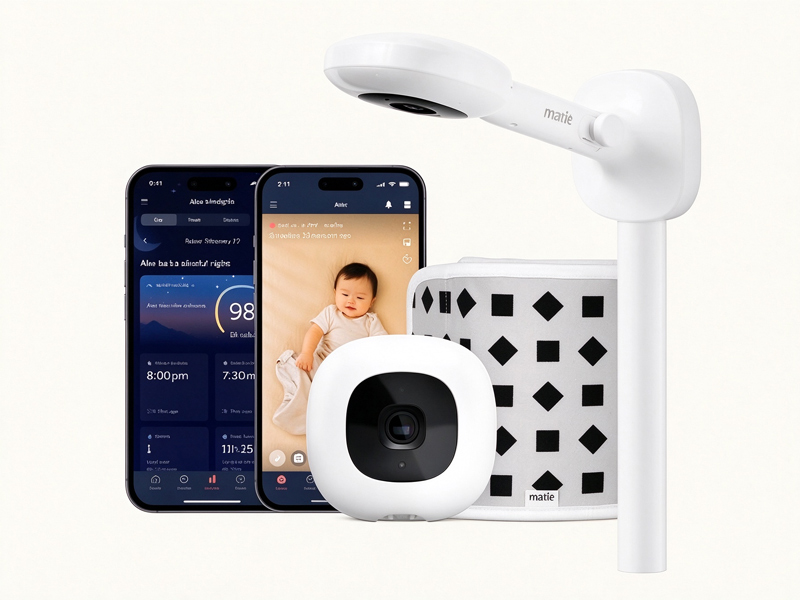
The hardware's defining decision is the mount: the Nanit Pro camera hangs above the crib — wall-mounted or on a floor stand — looking straight down in 1080p HD at the entire sleep space. That bird's-eye angle is what makes the software possible, because the algorithms need an unobstructed view of the whole baby to track movement, detect when a parent approaches, and distinguish asleep from awake. The feed streams to a free app on the parents' phones — there is no separate parent unit — with two-way audio, white noise, a night light, and temperature and humidity readings on the dashboard. The Pro camera lists at $289.99 with a choice of mount, and safety thinking runs through the design, from included cord covers to the overhead position itself, which removes any chance of a curious toddler pulling the camera into the crib. The trade-off is equally real: there is no remote pan or tilt, so the camera must be physically repositioned if the crib moves.
Insights Became the Real Product
The camera is the entry ticket; Nanit Insights is where the company actually lives. The subscription converts the video into a nightly sleep timeline — sleep efficiency, wake windows, visits, trends over weeks — plus personalized tips and video history. In 2026 the Premium plan runs $6.99 a month or $49.99 a year, and the Unlimited tier, which keeps longer video history and multiple-camera support, runs $149.99 a year. Parents routinely describe the free tier as a nice camera and the paid tier as the reason they bought it, which is the honest way to evaluate the total cost of this store: budget the camera plus at least the Premium subscription when comparing against subscription-free rivals. The company's own numbers explain the loyalty — within two years of launch it had tracked more than five million hours of sleep, and it reports that 94 percent of customers say they got more sleep using the system.
Cameras Grew Into a Nursery Ecosystem
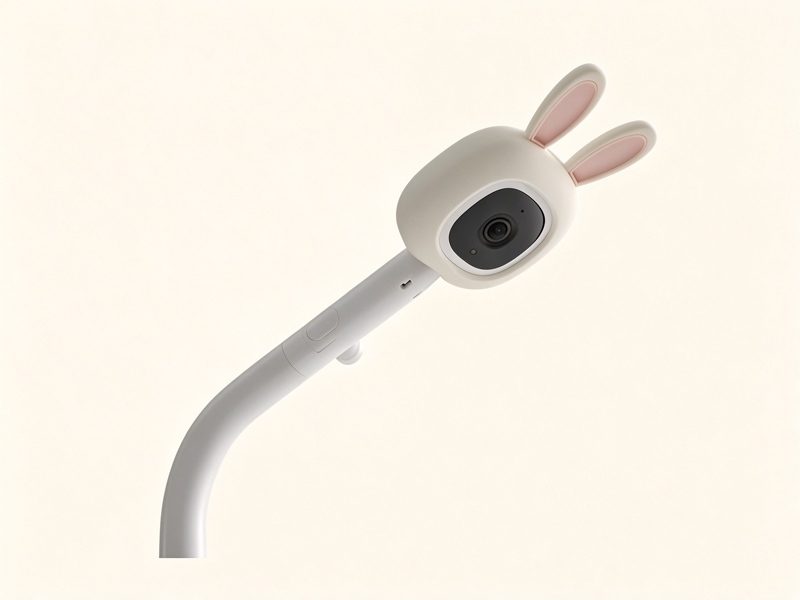
Around the camera, the catalog has assembled a complete connected nursery. Breathing Wear — patterned swaddles and bands — lets the camera read breathing motion visually, no wearable electronics on the baby; the company is explicit that this is motion tracking, not medical monitoring, and it does not measure oxygen. The Sound + Light machine extends the system into audio soothing and wake routines, multi-camera support handles twins and siblings, and unlimited-user sharing with permission controls lets grandparents and sitters join the app. Retail distribution runs through buybuy BABY, Best Buy, Amazon, Babies R Us Canada, and Pottery Barn Kids, with the direct store handling bundles and accessories. The ecosystem walls are worth knowing: smart-home integration is limited compared with general-purpose camera brands, so Nanit works best as a dedicated nursery system rather than another node in a whole-home setup. Leadership has stayed professional — retail veteran Sarah Dorsett steered the company as CEO from 2019, and Anushka Salinas has held the role since 2024.
Who Should Let Nanit Watch the Nursery
The store is unapologetically built for one customer: the sleep-anxious new parent who wants data, not just video. If that describes you — first child, irregular sleep, a partner who wants charts — Nanit is the category's reference product, and its subscription is priced fairly against the cost of a sleep consultant. The counter-cases are equally clear: parents who want a dedicated parent unit with a screen, households avoiding subscriptions entirely, or families needing oxygen and heart-rate vitals should look at Owlet's sock-based system, while privacy-first buyers who want no cloud at all have strong local alternatives. But for its chosen job — seeing the whole crib and telling you what happened there last night — this store remains the one that turned parental exhaustion into a decade of sleep science.