They put a fingerprint scanner on the front door first
Official homepage: https://www.ultraloq.com/
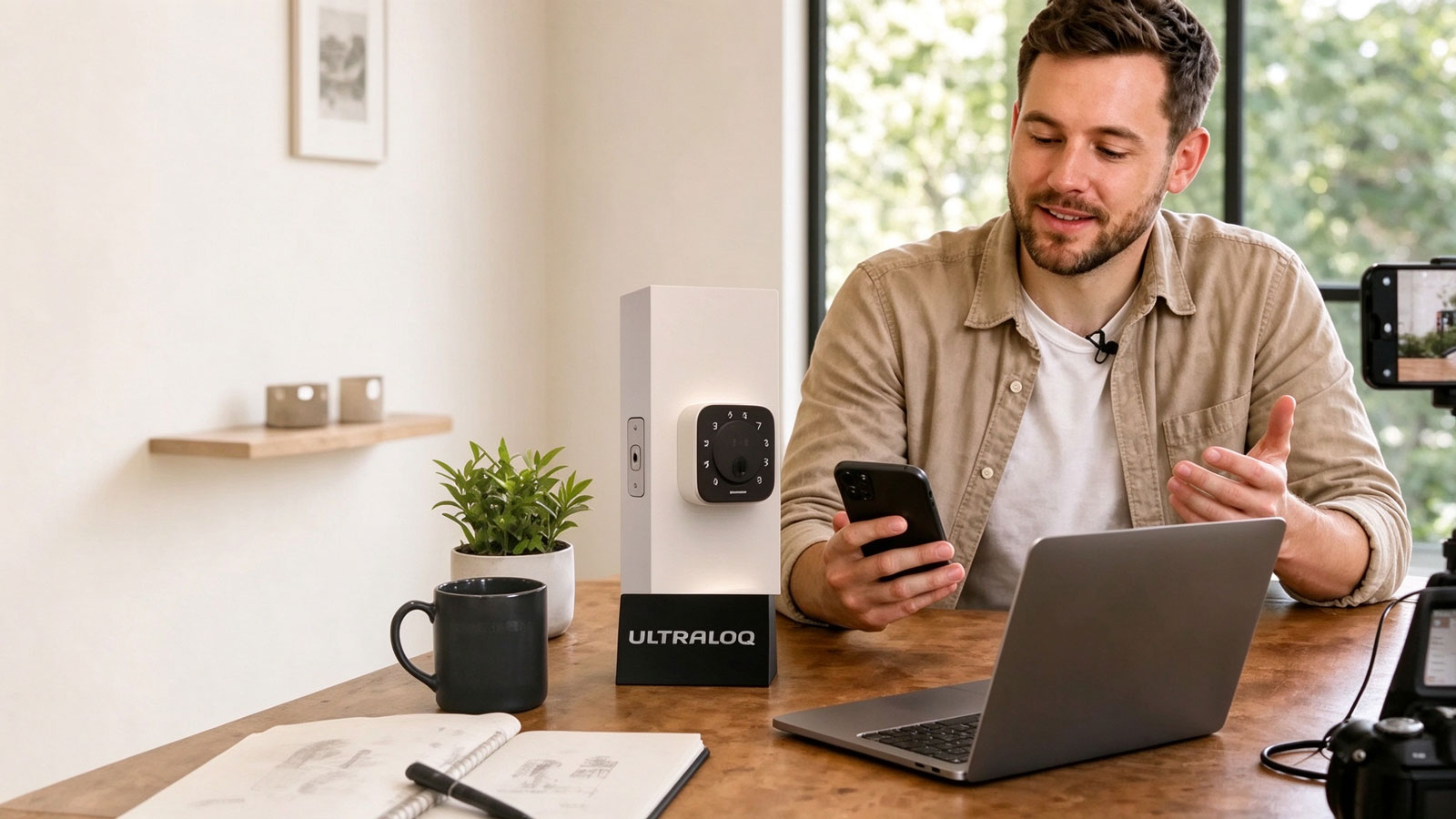
Ultraloq made biometrics the front door's default before the rest of the industry caught up. The smart lock line of U-tec, a self-funded Silicon Valley company founded by Clark Ruan, launched its first fingerprint-and-touchscreen lever in 2015, grew through crowdfunding into a six-in-one entry ecosystem, and now claims more than a million North American customers. Its newer deadbolts were early to Apple home key and the first with a Matter-over-Thread fingerprint reader. Here is our review of its store.
A Camera Company Pivoted to Your Doorknob
U-tec began in 2015 in Fremont, California, the product of engineers with years of experience in enterprise security and biometrics who wanted intelligent security to be something everybody could afford. The company's first catalog was not locks at all but CamGuardian — compact do-it-yourself surveillance kits with a video recorder and day/night cameras aimed at homes and small businesses. The pivot came quickly: in August 2015 the company introduced the Ultraloq UL3, a lever-style door lock combining a fingerprint scanner with a touchscreen keypad and a hidden mechanical key, marketing it around a simple promise — leave home in a rush and never be locked out again. That lock established the formula the brand still runs on: multiple ways in, one of which is always your finger.
Six Ways In, None of Them a Key
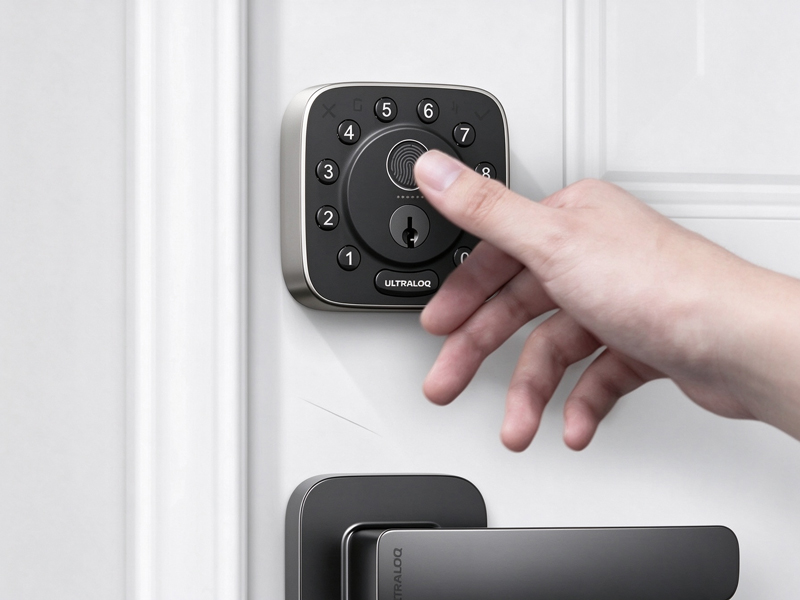
The current catalog centers on the six-in-1 entry system that made the brand famous. A single Ultraloq deadbolt opens by fingerprint, by anti-peep keypad code — where extra digits typed before and after your real code defeat anyone watching — by smartphone app, by geofence-driven auto-unlock as you approach, by key fob, or by mechanical key hidden beneath the lock. The flagship U-Bolt Pro line, which the company built into an Indiegogo crowdfunding success before expanding to retail, pairs that versatility with WiFi built in, an IP65 weatherproof rating suitable for exposed doors, and battery life measured in months on standard AA cells. Pricing undercuts the legacy hardware giants: the U-Bolt Pro WiFi sits around $170 to $200 depending on promotions, with bolt-style models starting lower and bundles adding keypads and bridge hardware.
Biometrics Before It Was Fashionable
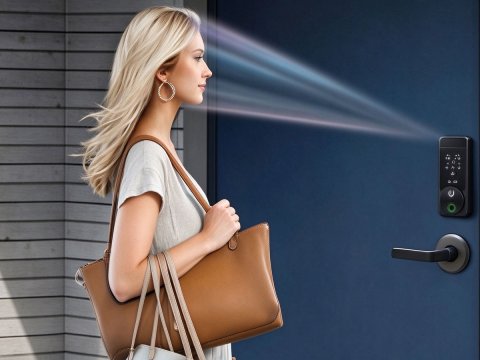
What separates Ultraloq from the Schlage and Yale shelves is sequencing. The big lock makers treated fingerprint readers as a premium accessory added years after their keypad lines matured; Ultraloq led with biometrics in 2015 and has iterated on them ever since, which is why review outlets consistently rate its fingerprint speed and reliability among the best in class. The newest releases push further into multi-modal biometrics: the U-Bolt Vision, launched in April 2026 at $349, combines 3D facial recognition with a fingerprint reader and a color touchscreen, while the Bolt Sense unveiled at CES 2026 pairs facial recognition with palm-vein authentication — an infrared system that reads the vein pattern beneath the skin and works with wet or dirty hands and in total darkness. For multi-generational households where children, grandparents, and caregivers all need different ways in, this redundancy is the product.
Crowdfunding Built the U-Bolt Empire
The company has grown without a public venture round on record — databases track no institutional funding, and the brand's own story emphasizes self-reliance built on early customer money. The Indiegogo campaigns that launched the U-Bolt line doubled as market research: backers chose the features that mattered, and the company shipped them. Today U-tec sits within the Xthings portfolio alongside biometric-security company Anviz, and claims more than a million connected-home customers across North America. The direct store model — ultraloq.com selling alongside Amazon — keeps pricing aggressive and firmware updates frequent, though it also means the support experience is more self-serve than the dealer networks legacy lock brands provide.
Matter, Home Key, and a WiFi Bulb
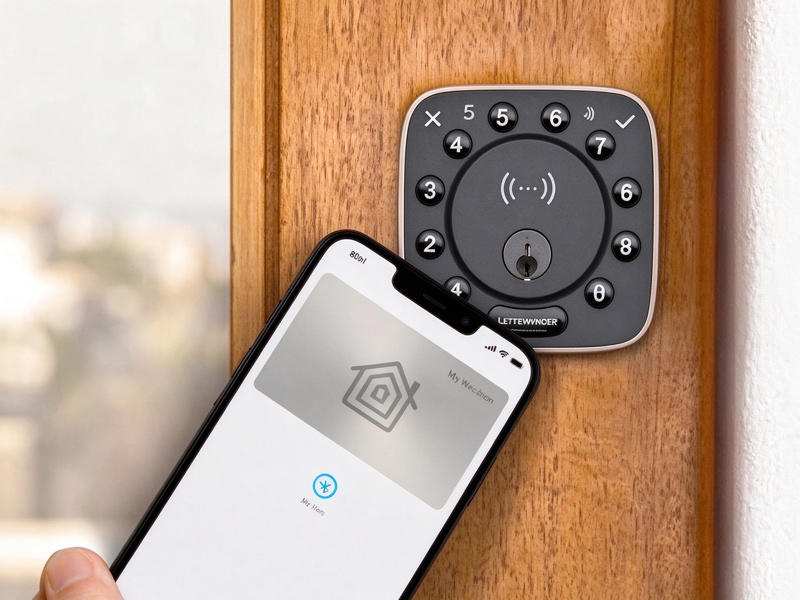
Ecosystem compatibility has become a quiet strength. The Bolt Fingerprint Edition was marketed as an early Matter-over-Thread lock with a fingerprint reader, meaning it joins Apple, Google, Amazon, and SmartThings networks without a brand-specific hub, and the Bolt line supports Apple home key — tap an iPhone or Apple Watch to unlock. Alexa and Google Assistant voice control, SmartThings, and IFTTT round out the integrations. Even the accessories fit the whole-home logic: the U-tec Bright A19 color bulb doubles as a WiFi range extender for other U-tec devices, a clever hedge against the dead-zone problem that plagues locks mounted on garage and side doors. What is missing is any meaningful presence outside North America — this is a continent-focused store — and the camera ecosystem remains a sideline rather than a pillar.
The Verdict for Multi-Generational Doorways
Ultraloq earns its loyal following the practical way: locks that open however you happen to arrive — finger, code, phone, fob, or key — at prices that undercut legacy brands, with biometrics that simply work. The honest asterisks are equally practical: the brand's polish and support infrastructure trail Schlage and Yale, the app experience is capable rather than delightful, and buyers who want a fully integrated security-camera-plus-lock platform will find camera-first brands more complete. For the household whose real problem is getting everyone through the front door with keys left behind, though, this store has spent a decade refining exactly that — and the newest biometric releases suggest it intends to keep leading.