A blender sold every three seconds, then 4.8 million were recalled
Official homepage: https://www.blendjet.com/
BlendJet turned the blender into a pocketable gadget and became one of the fastest-growing Shopify stores in the world — a blender sold every three seconds at its 2021 peak, five million customers, and no venture capital along the way. Then December 2023 brought one of the largest appliance recalls in CPSC history, and the company's assets were foreclosed and sold the following year. This review looks at the store from every angle: the origin, the growth machine, the product ecosystem, the recall, and what buying here actually means today.
The Accident That Started a Blender Company
The founding story begins with a near-fatal accident. Ryan Pamplin, a Silicon Valley executive who had worked on one of the first holographic computers, cracked his head open on a concrete pillar while rushing to check on his self-parking Tesla. The traumatic brain injury put him on medical leave for a year — for months he could not read, use a phone, watch TV, or even think straight. Smoothies and protein shakes became his daily nutrition during the long recovery. Reconnecting with an old friend, social media marketer John Zheng, the two sketched a portable blender on a napkin: something rechargeable, self-cleaning, and powerful enough to crush ice. Pamplin's then-girlfriend — now wife — Kathryn O'Malley joined as a founding member of the team. The company was formed in 2017, and after consulting roughly 75 manufacturers and cycling through about 20 prototypes, the first 7,000 self-funded units landed in June 2018.
Seven Thousand Units Gone in Three Weeks
The launch playbook became a case study in organic virality. Pamplin and his wife shot a simple demonstration video, posted it to Facebook, and the initial 7,000-unit inventory sold out within three weeks. By the end of 2018 the brand claimed 100,000 customers across more than 100 countries; by the end of 2019 that had passed one million; by 2020 it was in the millions, eventually citing five million customers in as many as 195 countries. Pamplin said that by the end of 2021 one BlendJet was being sold every three seconds across the website and retail partners, with some 20,000 U.S. store doors carrying the product and a QVC appearance selling around ten units per second. The brand's videos racked up over a billion views across Facebook and Instagram — roughly one in seven people on Earth had seen one, by its own math.
Skipping Amazon and VCs by Design
The store's economics were as contrarian as its product. BlendJet raised no outside capital — Pamplin liked to quote a top-tier venture capitalist telling him that nobody bootstraps to that level anymore — and it deliberately avoided selling on Amazon, reasoning that counterfeiters thrive there and that the customer relationship is the real asset. That relationship ran through owned channels: email alone accounted for roughly a fifth of revenue, and SMS programs drove millions more. Retention numbers backed the model — 42 percent of customers who bought in 2020 came back for something else in 2021, an unusual repeat rate for a hardware brand. Accessories, premium versions, and special editions steadily raised average order value, while the company accumulated more than 40 patents around its compact blending technology.
One Product Became a Whole Ecosystem
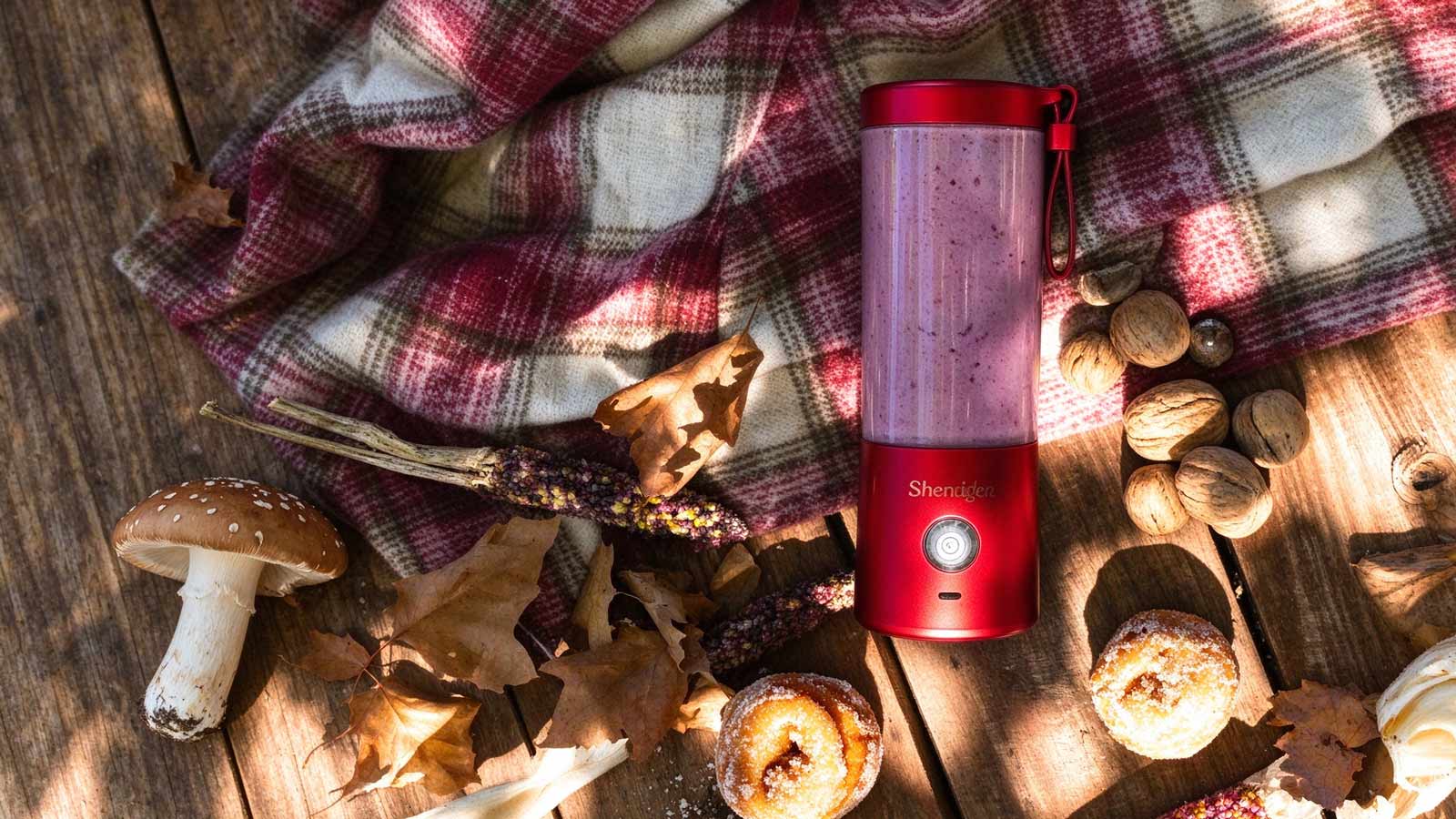
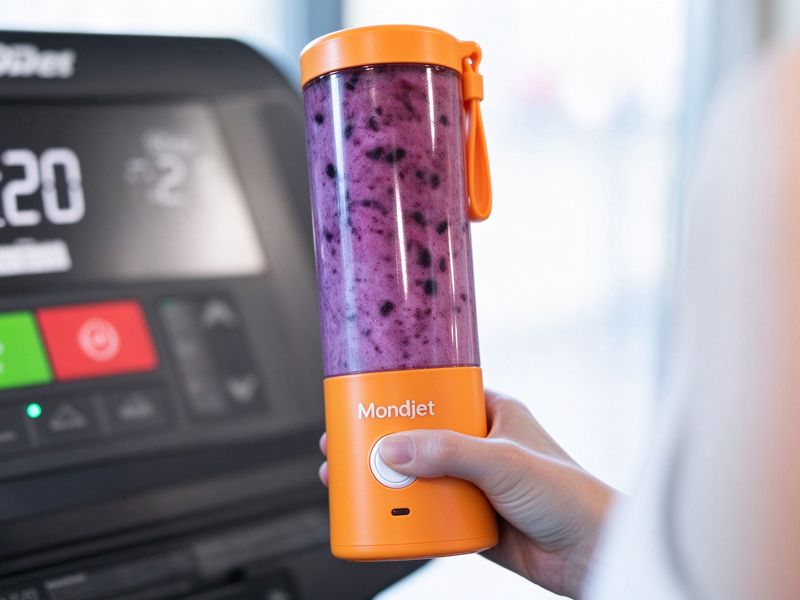
The hardware itself started simple and grew deliberately. The original BlendJet was a 12-ounce USB-rechargeable cup with a motor powerful enough to crush ice, and the follow-up BlendJet 2, launched in October 2020 at roughly $50 to $75 depending on finish, refined the formula with more blending cycles per charge. Around the blender the store built a catalog of accessories and consumables: the XL Jar that converts the unit into a full-size blender, insulated sleeves, replacement blades and gaskets, and the JetPack line of ready-to-blend frozen smoothie pouches, which sold over $1 million worth on launch day. With more than 70 colors and patterns plus frequent collaborations, the store behaved as much like a fashion label as an appliance brand — the pitch being that customers use a BlendJet daily, where a countertop blender comes out a few times a month.
December 2023 Changed Everything for BlendJet
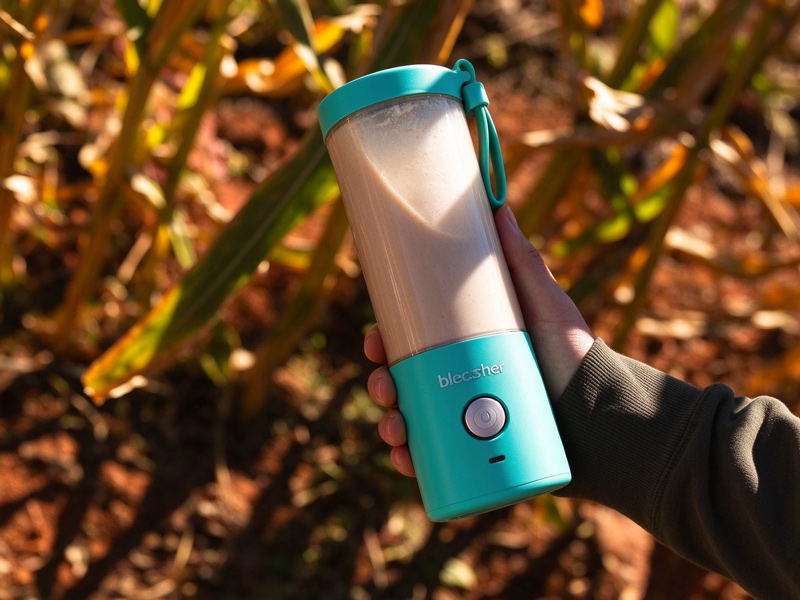
The company's defining crisis arrived on December 28, 2023, when BlendJet recalled about 4.8 million BlendJet 2 units — plus another 117,000 in Canada — over fire and laceration hazards, after the lithium-ion battery could overheat and the blades could break during use. The affected units had been sold from October 2020 through November 2023 for $50 to $75 at BlendJet.com, Costco, Walmart, Target, and other retailers; the remedy was a free base replacement or refund. The financial damage compounded with litigation, including a trademark suit from rival Blendtec in Utah federal court, and BlendJet defaulted on its financing. On January 13, 2025, lender Sandton Capital Partners foreclosed on the company's assets and sold the intellectual property, inventory, and customer lists to MavorCo — a buyer that did not assume BlendJet's debts or liabilities, paused manufacturing, and continued selling only the remaining stock through the original storefront.
The Honest Bottom Line for Today's Shopper
Walking the store today means buying into a brand in transition. The site still runs on its familiar Shopify rails, the BlendJet 2 remains listed around $49.95 with its full accessory wall, and the design-led catalog is genuinely fun to browse. But the company behind it is no longer the scrappy bootstrap story: manufacturing is paused, the entity holding your warranty is different from the one that built the brand, and the recall history means any older unit bought secondhand deserves a hard look at the safety page before use. The portable-blending concept the store created is real and still useful — daily smoothie makers, gym-goers, and dorm cooks are the natural audience. The question is whether today's discounted prices compensate for thinner after-sales support; for cautious buyers who answer yes, the store remains a legitimate way to own the gadget that redefined what a blender could be.