Wildflower sells out its handmade phone cases on purpose, and it works
Official homepage: https://www.wildflowercases.com
Wildflower Cases is the rare phone accessory store that became a fashion brand by accident. Founded in Los Angeles by Michelle Carlson and her daughters Devon and Sydney after a chance encounter with Miley Cyrus, it sells handmade, limited-edition cases that sell out by design — and appear in the hands of Kendall Jenner, Bella Hadid, and Dua Lipa. This review covers the origin, the drop model, the retail empire, and what buying direct looks like.
A mother, two daughters, and one Miley Cyrus encounter
The founding story has been retold so often it sounds like legend, but the family swears by every detail. Michelle Carlson could not find cute cases for her teenage daughters, so she handmade a pair — clear cases lined with denim and studded by hand — and tucked them into their Easter baskets. The girls carried them everywhere. Then, during a family dinner out, Devon ran into Miley Cyrus and asked for a photo; Miley spotted the case, demanded to meet the mother who made it, and told the family to start a business. That night she tweeted a photo of the cases; by morning the girls' father, a graphic designer, had stayed up building the first website, and Devon spent the day answering messages with one URL. Orders arrived immediately. The company turned a crafting project into one of the defining fashion-accessory brands of the Instagram decade.
Coquette, cottage core, and the house Y2K style
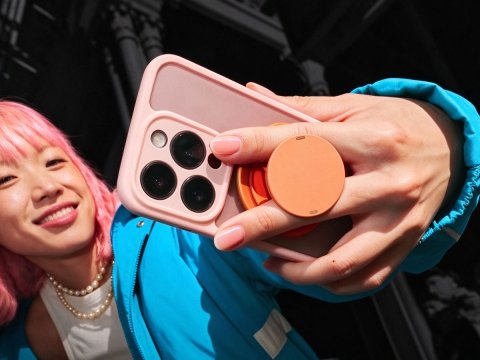
Design is the product here. Wildflower makes its own textiles — roses, cherries, gingham, cherubs, cow prints, wallpaper florals — and describes its range as running from coquette to cottage core, a vocabulary its Gen Z audience already speaks. Cases keep the handmade signature through fabric inlays rather than printed plastic, and the sisters' personal style functions as the brand's research department: Devon Carlson was named by New York Magazine's teen poll as a bigger style influence than Rihanna or Kendall Jenner. The collab program extends the aesthetic — past and present partnerships include designer Sandy Liang and model Salem Mitchell — keeping the catalog feeling like a capsule wardrobe rather than a parts bin.
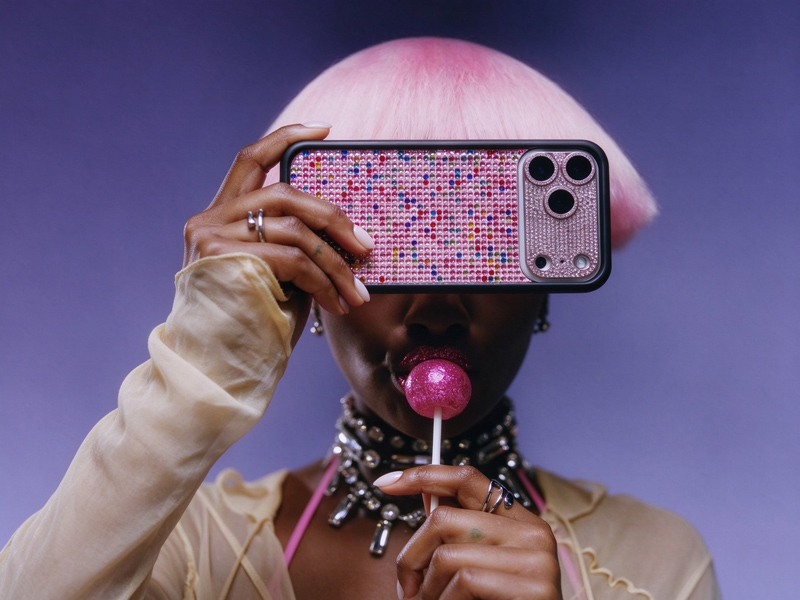
Handmade means limited, and limited means gone
The store runs on engineered scarcity. Every case is a limited edition; when a fabric sells through, the design retires. The site badges products 'Low Stock' and 'New!' in real time, and long-time fans describe setting alarms for drops and refreshing for restocks. This is a deliberate merchandising choice: small handmade batches keep the brand's perceived value high, turn every purchase into a collectible, and convert restock notifications into a marketing channel. The trade-off is frustration — a design you love may simply be gone, and vintage Wildflower cases circulate on resale markets at a premium. For the target customer, that urgency is part of the fun; for gift buyers on a deadline, it is a genuine planning risk.
The celebrity flywheel Devon Carlson accidentally built
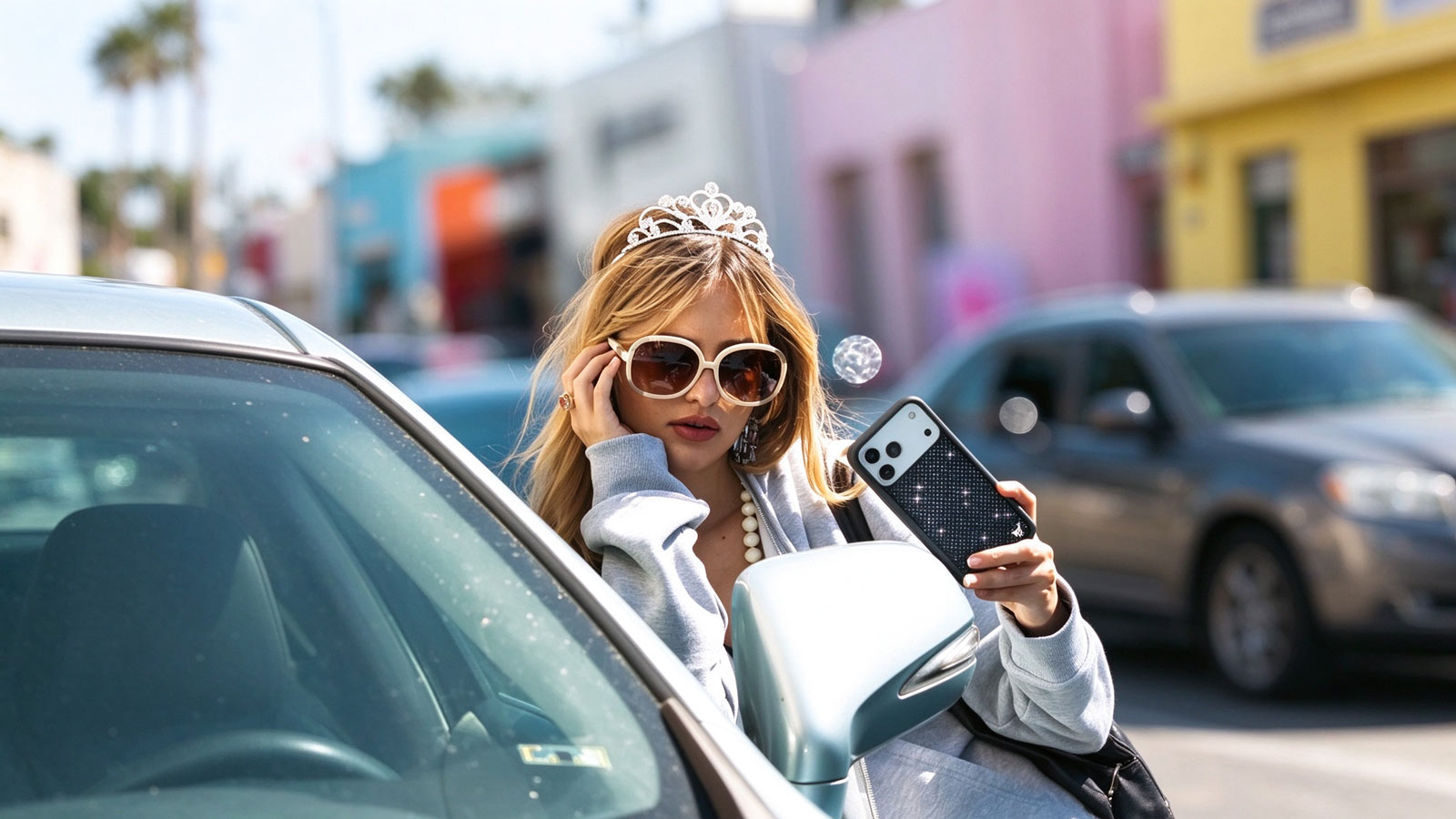
Wildflower's marketing engine is the mirror selfie. The fans list reads like a festival lineup — Miley Cyrus, who started it all; Kendall Jenner and Bella Hadid, whose mirror selfies put cases in front of hundreds of millions of followers; Kylie Jenner, Dua Lipa, Olivia Rodrigo, Lana Del Rey, Halsey, and Irina Shayk. The sisters' own followings — Devon in particular as the internet's perennial It-girl — blur the line between founder and ambassador. The flywheel even reached pop culture's meta level: Billie Eilish's song 'Wildflower' is widely believed by fans to reference Devon, which the brand absorbed as free mythology. None of this is paid advertising in the traditional sense; it is a decade of organic celebrity seeding compounding in public.
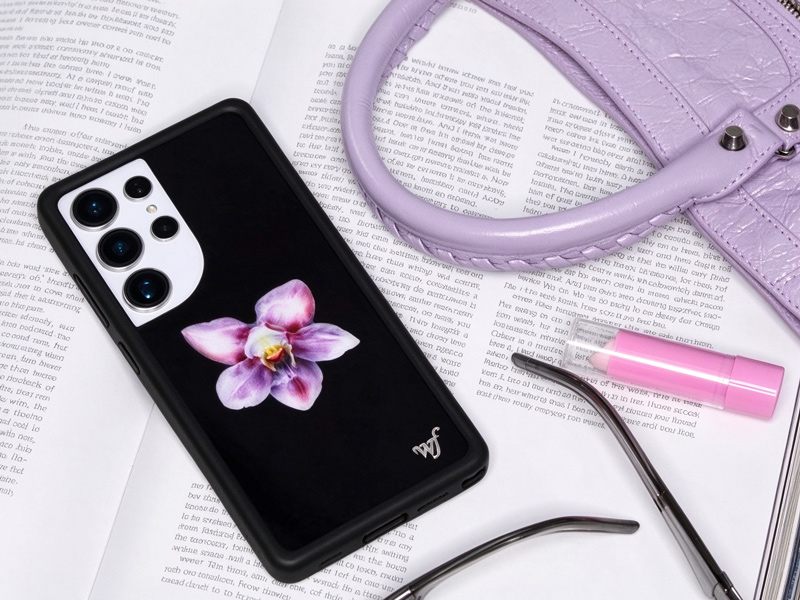
Urban Outfitters shelves and Dubai mall kiosks
The direct store is the flagship of a much wider fleet. Wildflower products sit in Urban Outfitters, Nordstrom, Free People, Dolls Kill, and Anthropologie, plus hundreds of boutiques, and the brand operates internationally with retail presence across Japan, Australia, Dubai, Europe, and Singapore — including a dedicated Asia storefront. The global site itself is a case study in Shopify localization: a country selector with dozens of currencies, localized pricing, and regional shipping options. For shoppers, the direct store remains the first stop for new drops and the full accessories line, while the wholesale network handles impulse purchases and international discovery.
Thirty-five dollars a case, fifty for free shipping
Pricing sits in fashion-accessory territory rather than tech-accessory territory: cases list around $35 for iPhone and $37 for Samsung, with sale designs dipping to $17.50, and the accessories ladder — Stickeez, wristlets, charms, camera bling, screen protectors, AirPods and AirPods Max covers, iPad cases, AirTag keychains, even wrapping paper — pushing baskets toward the $50 free-shipping threshold. Standard US shipping is $3.95 and takes three to seven business days, with orders shipping as soon as the next business day, though the store is explicit that delivery dates are estimates, not guarantees. The footer promises easy, fast returns, and the site layers on loyalty rewards, gift cards, and a referral program. Each product page carries its own review count, and Trustpilot sentiment skews positive on both product quality and support.
The last petal on the Wildflower checkout
Wildflower's store succeeds because the product, the people, and the scarcity are the same story: a family that made cases for each other, discovered by accident, still designing fabric in Los Angeles while the world photographs the results. Its weaknesses are the mirror image of its strengths: thirty-five dollars buys style more than military-grade protection, the iPhone-first catalog leaves Android users with fewer options, limited runs punish hesitators, and delivery windows carry no guarantees. For the audience it built — style-first buyers who treat a case like an outfit — there is simply no substitute on this tag.