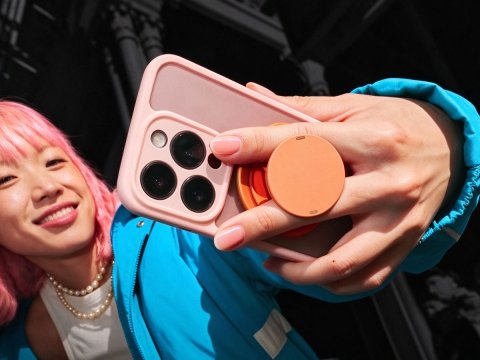
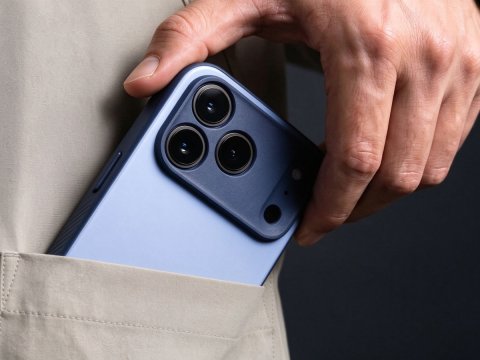
Moment sells camera gear built by a founder fired from his first company
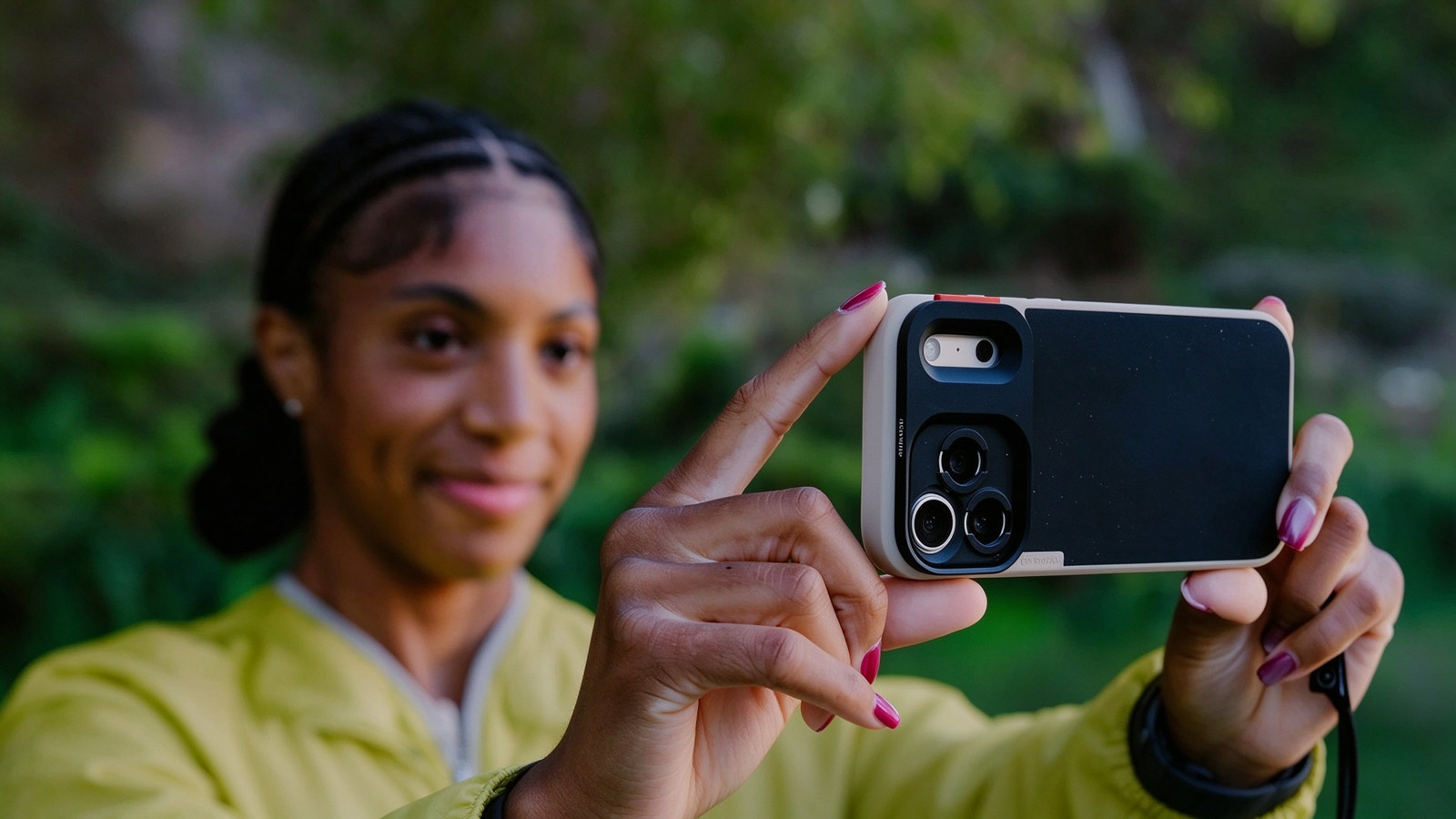
Official homepage: https://www.shopmoment.com
Moment is the creator-gear store with a redemption arc. Co-founded in 2013 by Marc Barros — the man behind the Contour action camera, from which he was famously fired — it launched on Kickstarter when Instagram was still young, rode a YouTube flywheel to mobile-photography fame, overreached into a marketplace during COVID, and clawed its way back to being a product company. This review examines the lenses, the pivots, and the sharply divided service record.
Contour's founder, fired, started over with glass
Marc Barros built Contour into GoPro's most serious rival, then lived every founder's nightmare: being removed from his own company. His answer, chronicled in a widely shared essay about the firing, was to start over — this time with glass. In 2013 he and co-founder Erik Hedberg created Moment to answer a question the action-cam wars had left behind: why could phones not take photos worth framing? The founding insight was that phone cameras were becoming good enough to matter, and the accessory industry was not keeping up. A designer founder, a fired founder's urgency, and a category at its inflection point — the three ingredients that would define the brand for a decade.
Nine times the goal, in the Instagram stone age
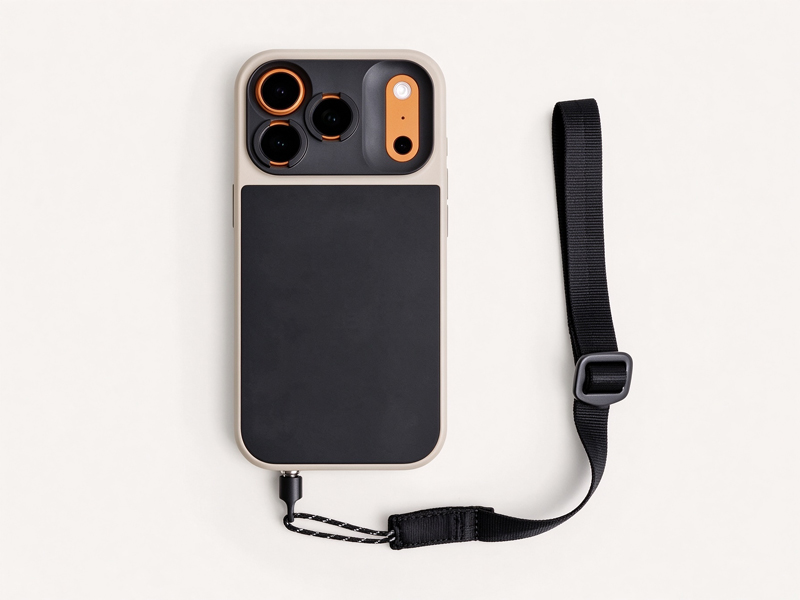
The launch set the template. Moment's January 2014 Kickstarter paired a wide lens and a tele lens for iPhones and pulled in nearly half a million dollars — roughly nine times the goal — at a moment when Instagram was still young, YouTube was years from its creator golden age, and paid social barely existed. The community that funded those first lenses became the company's distribution: mobile photographers who treated the glass as an identity. The Moment Case followed in 2015 with a bayonet lens interface, and the product line matured into the filters and rigs that fill the store today — variable ND filters, CineBloom diffusion glass, cages, straps, backpacks, and a camera app, Pro Camera II, the company bills as its top-rated product. The mission, unchanged on the site: go more places, capture more moments.
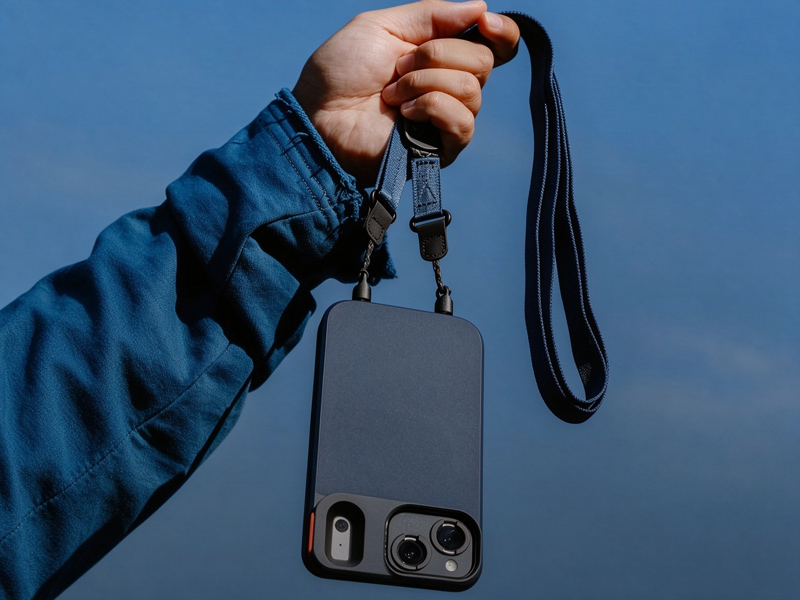
The vlog era: tours, festivals, and eighty percent
From 2016 through 2019 Moment ran one of the earliest brand-YouTube playbooks: an in-house crew of creators, DIY-style ads, photography tours around the world, and even the world's largest mobile film festival. Barros's own retrospective puts the number plainly: over eighty percent of new customers arrived through YouTube, whether the channel itself or creators posting Moment gear. It was a creator-brand symbiosis before the term existed — and it made Moment less a store than a clubhouse with a checkout.
COVID, cancelled trips, and five million in refunds
The pandemic turned the playbook against the company. Moment had pivoted from making its own goods to being a premium marketplace for creators — REI-style, with third-party gear, courses, and Moment Travel photography trips. When travel halted overnight, the company unwound trips, pivoted the channel to courses, and watched demand for home content-creation gear explode. The growth hid a supply-chain trap: by late 2021 Moment could not stock what it sold, and Barros says the company was issuing five million dollars a year in refunds for cancelled orders — a number large enough to make the business unprofitable in an instant. The episode is told on the founder's own site with unusual candor, which matters when you read the customer horror stories from that exact period.
De-ventured, organic, and back to making things
The 2023 turnaround is the part most reviews skip. Moment de-ventured — buying out outside investors — turned off paid marketing, slashed the team to a small core, killed discounting to protect wholesale partners, and rebuilt the funnel on organic channels: SEO, email, a creator Residency Program, and TikTok teams instead of celebrity deals. The store reflects the discipline: a free membership program with free US ground shipping over fifty dollars, member-only deals, and up to ten percent back yearly in a Moment Wallet; multi-currency checkout across seven regions; orders shipping within one business day; and wholesale and dealer programs quietly feeding retail. The company describes itself today as healthier than it has ever been, now back to what the Kickstarter promised: making things.
A two-point-seven and a redemption narrative
The public record still carries the scar tissue. On thingtesting, the brand sits at 2.7 — dragged down by sagas from the marketplace era: a November 2024 order that took more than three months and ended with neither product nor refund for one buyer; a Polish filmmaker who waited sixty-three days for two anamorphic lenses, lost money to a forced Google Pay refund's currency conversion, and wrote one of the most detailed warnings in the category; and recurring complaints about a six-dollar order-protection upsell injected at checkout. Against that, Trustpilot's more recent 151 reviews skew clearly positive, and the product itself keeps earning superlatives — owners call the lens-interface cases the best they have ever used, and the glass retains a loyalist following that survives every pivot. The honest summary: gear excellent, execution historically uneven, current trajectory pointed the right way.
The last frame on the Moment store
Moment's store sells to a specific person: the mobile photographer or indie filmmaker who wants cinema-grade glass on a phone budget and enjoys the lore of a brand that survived its own ambition. Its weaknesses are documented rather than alleged — fulfillment has failed buyers before, and the protection upsell annoys — but its current incarnation ships fast, prices honestly, and keeps the community machinery that made it famous. For creators, it remains the clubhouse with the best glass in the window.