Prism kites: the 'BMW of kites' built by sailors in seattle
Official homepage: https://prismkites.com
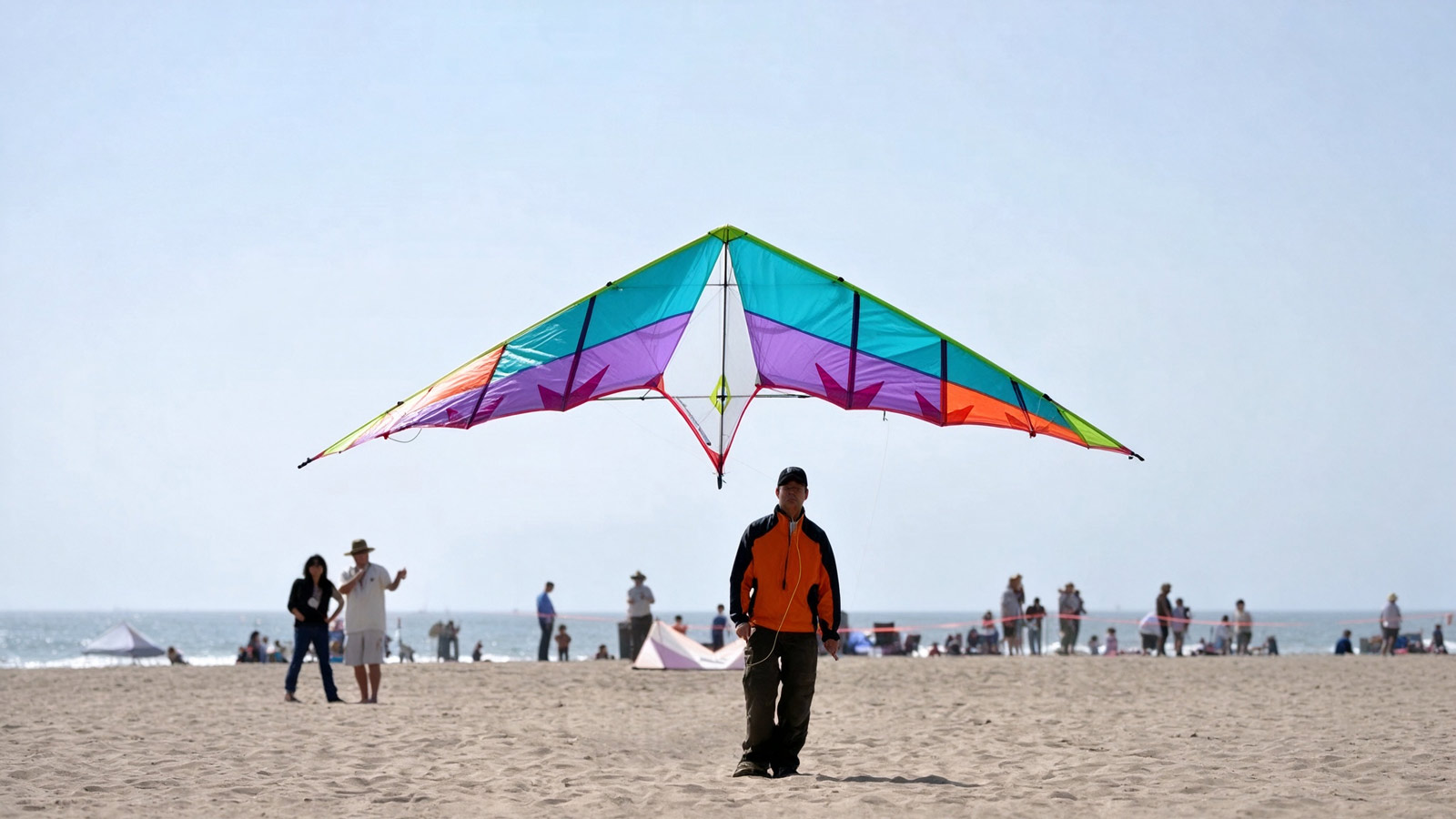
Prism Kites is the design studio that dragged kite flying into the composite age. Founded by two college sailors who dreamed of replacing fiberglass frames with the carbon fiber and sailcloth of their sport, it has spent three decades as the reference brand for sport kites — profiled by Sunset as the 'BMW-Porsche-Mercedes of the kite market' — and its store remains one of the most complete ecosystems in the hobby: kites, parts, repair, DIY materials, and a coaching culture where the owner still teaches strangers to fly by phone. This review examines the materials obsession, the lineup, and the community moat.
College sailors with a materials-science dream
Prism was founded by two young sailors and designers who spent their college years flying sport kites and grew frustrated with the equipment: fiberglass frames, tired fabrics, designs that had not changed since the hobby's 1970s boom. Their thesis was borrowed from their other sport — if racing sailboats had moved to carbon fiber composites and aerospace materials, why were kites still sticks and polyester? They set up in Seattle, within sight of the water that shaped their instincts, and began building kites like sailboats: engineered, tunable, repairable. By 2005 a Sunset Magazine profile could quote owner Mark Reed describing the company's position without irony: 'We're perceived as the BMW-Porsche-Mercedes of the kite market.' Nearly two decades later the profile still reads as accurate, which is either a testament to the build quality or a warning about the sport's pace — probably both.
Fly the line, and the kite will follow
The company's most enduring product may be its advice. In a long-running kite forum, a pilot struggling to advance from intermediate to expert recalled phoning Prism and getting Mark Reed himself, who told him: 'Stop trying to fly your kite into tricks you want it to do. Instead, fly your line. Focus on the terminal end of the line at the bridle, and the kite will follow.' The caller credits the sentence with carrying him to expert level, and the story is told and retold across the sport as the best coaching minute ever given away. The store institutionalizes that generosity: product manuals, a kite-flying basics academy, video resources, a repair service, and a contact line that reviewers consistently describe as staffed by actual fliers rather than scripts.
Quantum, Nexus, Synapse, and the 2026 colorways
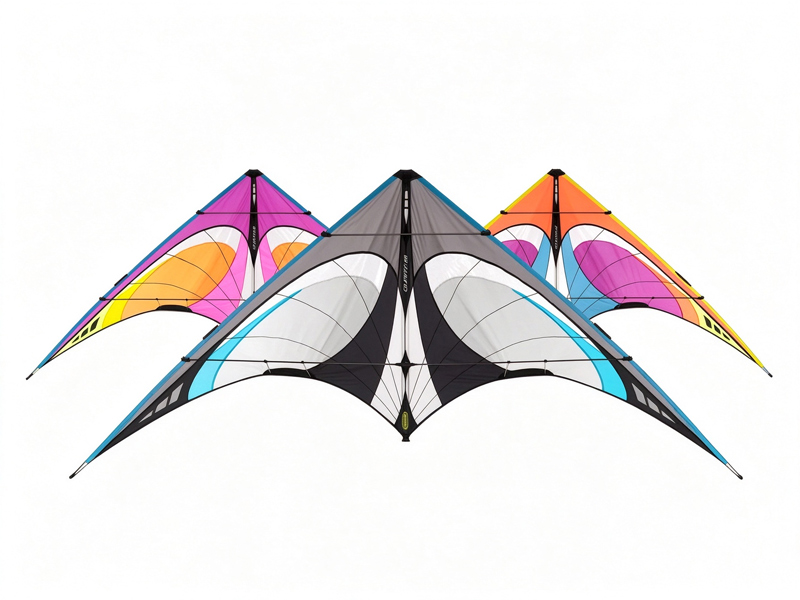
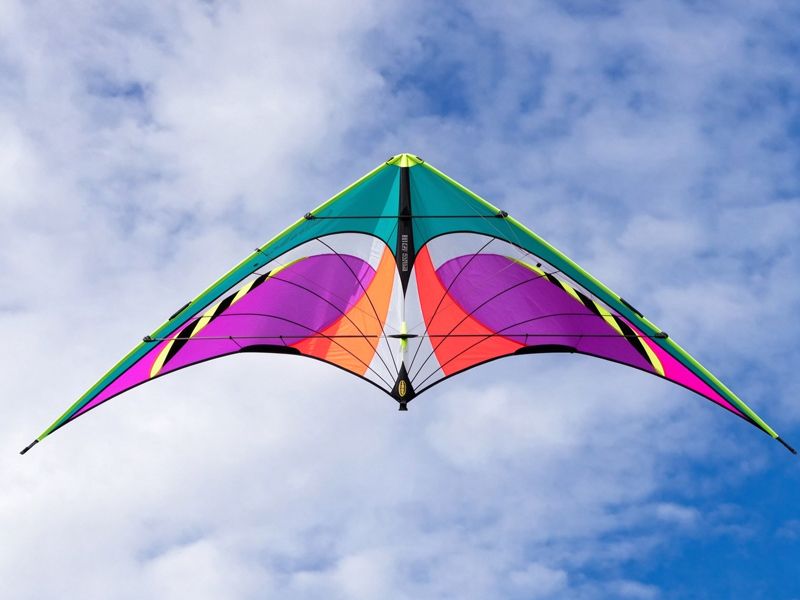
The lineup ladders cleanly from beach toy to competition tool. The Jazz 2.0, a zippy 62-inch wing built extra durable, is the keep-it-in-the-car starter. The Synapse foil series — in 140, 170, and 200 centimeter wingspans — has no rigid frame at all: crash it into the sand repeatedly and it bounces back, which makes it the default recommendation for children and beginners. The Quantum, the company's do-everything icon, carries an 87-inch wingspan, a 3-to-25-mph wind range, and a twentieth-anniversary Mylar edition; the Nexus is its five-foot dual-line sibling, and both just received six new colorways for the 2026 season. Above them sit the Synthesis for precision flyers and the Prophecy for connoisseurs, while the Tantrum and Mentor extend the range into trainer foils and power kiting for traction sports.
Frames of pultruded carbon, sails of ripstop and Mylar
The engineering case is specific. Framed kites use pultruded carbon spars — light, stiff, and splinter-tolerant — inside sails of ripstop nylon laminated with Mylar for crispness, with Kevlar reinforcement at the nose and wear points and APA fittings at the joints. A specialist review of the high-end Prophecy praised everything from the taped seams to the padded bag that swallows two kites and spare spars, conceding only that the price 'may give some pause' before judging it thoroughly justified. Wind-range engineering runs from the absurd to the practical: the 3D indoor kite will fly at a walking pace in dead air, while vented versions tame twenty-mile-per-hour gusts. Setup times across the framed range sit under five minutes, and every ready-to-fly bundle includes matched Dyneema line, winder, and straps.
A spare-parts drawer deeper than most kite shops
Ownership economics are where Prism separates from disposable kites. The store sells individual replacement spars and fittings, full repair services, and — unusually — raw DIY materials including sailcloth and frame stock for builders who want to cut their own. A bargain bin moves cosmetic seconds, gift cards cover the indecisive, and the manuals archive extends back through models long out of production. For a product category where a broken $150 kite usually means landfill, the message is deliberate: these are machines meant to be flown for decades, crashed, repaired, and handed down. The one honest caveat in the record is a mixed review of the 3D indoor model, whose slippery bridle knots and fraying whiskers drew criticism even from a reviewer who loved its flight — a reminder that the top of the line is hand-tuned territory.
Designs from other makers, curated like a record store
The strangest aisle in the store may be its most revealing. Alongside its own catalog, Prism retails a curated 'Designs from Other Makers' section — a manufacturer cheerfully selling rivals' kites, chosen with the confidence of a shop that knows exactly where it stands. Around the edges sit the Synthesis SE Project for custom commissions, Instagram as the community bulletin board, and a retailer network the site actively routes buyers toward rather than hoarding every sale. It is the posture of a category leader playing a long game: grow the sport, keep the fliers flying, and let the kites speak in the wind.
The last gust of the afternoon
Prism's store sells the most complete kite-flying proposition on this tag: aerospace-grade materials, a ladder from beach toy to connoisseur's instrument, a parts-and-repair ecosystem that treats kites as heirlooms, and a coaching culture whose founder still answers the phone like a sailing instructor on a dock. Its trade-offs are the mirror of its strengths: premium prices that casual fliers may not need, a sport that rewards patience more than screens, and none of the app-based gamification that modern toy brands use to lure newcomers. For the family that wants one kite to last a decade, or the flyer who heard the fly-your-line story and wants to feel it, this is the store the wind keeps recommending.