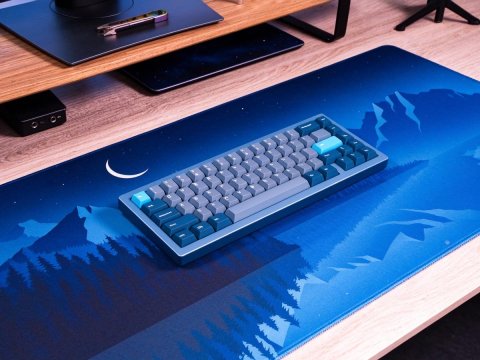
Mode designs: the boston studio selling premium keyboards without group-buy purgatory
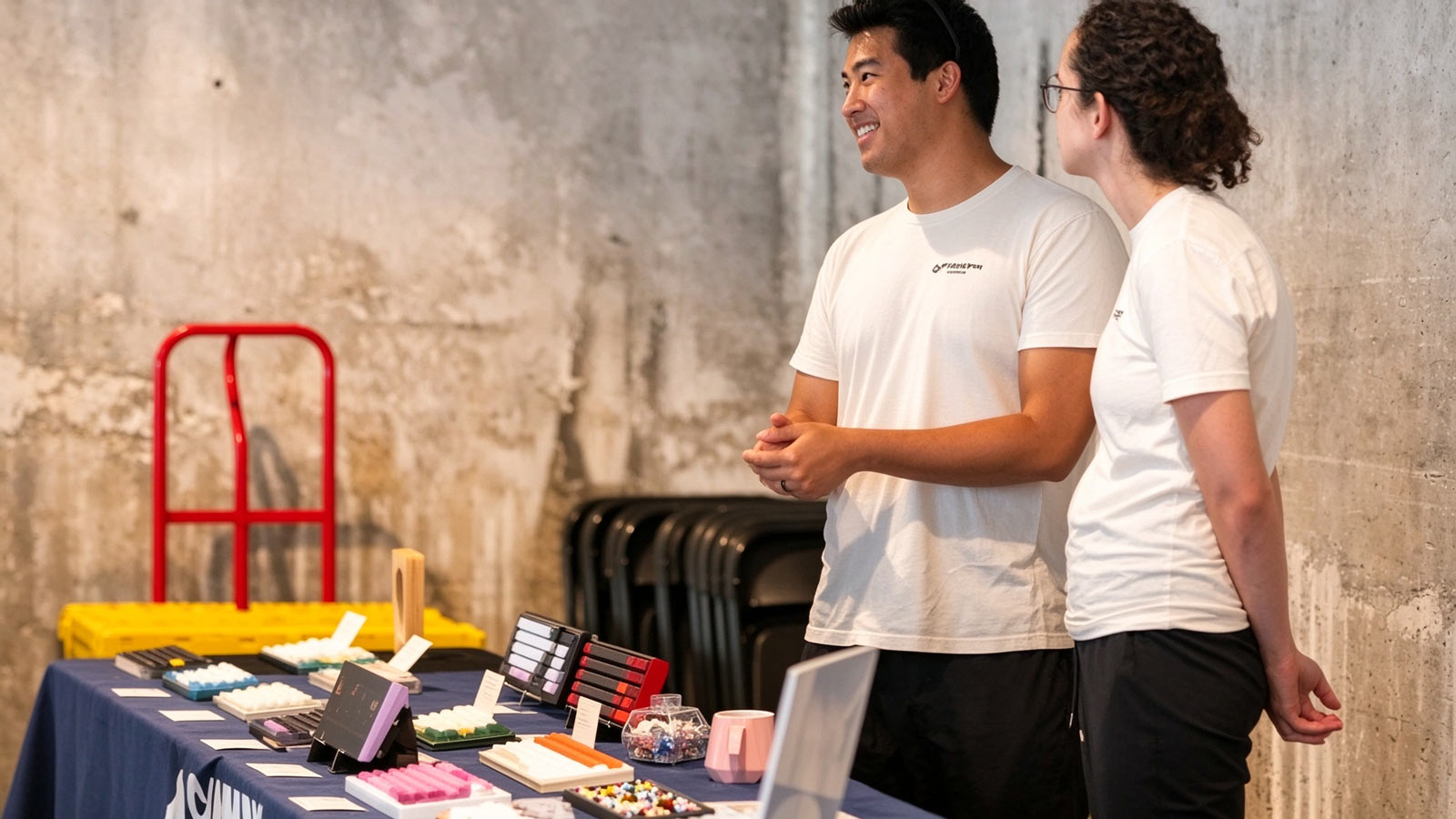
Official homepage: https://modedesigns.com
Mode Designs is the custom keyboard store built for people who refuse to wait two years for a keyboard. Founded in 2020 by a small team of designers and engineers tired of group buys that collected money instantly and shipped hardware eighteen months later, Mode inverted the model: build the inventory first, open a configurable product page with real-time pricing, and deliver in months. Its Sonnet earned one of TechCrunch's most effusive keyboard reviews ever, and its new Crown mounting system aims at the engineering summit of the hobby. This review examines the anti-wait bet, the option creep, and the mounting lineage.
A tiered launch born from waiting-room rage
The founding frustration was the hobby's original sin. Enthusiast keyboards of the late 2010s sold in forty-eight-hour group-buy windows, collected payment in full, and delivered twelve to eighteen months later — if the vendor survived that long. Mode's founding team, a small group of industrial designers and engineers split between Boston and San Francisco, concluded that enthusiasts would accept a modest three-to-six-month production lead in exchange for fixed pricing and a real ship date. The proof came with the first keyboard, the Eighty TKL, in 2020: a Founder's Edition of fifty units with polished rose gold bottoms at $690 sold by raffle and auction, a First Edition of four hundred fifty at the mid-six hundreds, and a Standard Edition of one thousand at $470 to $490. Because inventory was machined before pre-orders opened, most Standard buyers held their boards by February 2021 — months, not years, after ordering. The model has never changed since.
The Sonnet and TechCrunch's platonic ideal
The commercial breakthrough arrived in 2022 with the Sonnet, a 75-percent board with a sculpted side profile and contrasting accent bar. TechCrunch's review delivered the hobby's most quoted verdict of the decade: the reviewer had yet to type on a keyboard that felt as good, some days the Sonnet was a main motivation to start writing, and with half plates and no foam every keypress sounded like two billiard balls colliding — a description that sent half the hobby chasing that exact sound. The pricing started at just under three hundred dollars for a kit without switches or keycaps, and the same review noted what every buyer learns: options creep the total quickly. Tom's Hardware documented a near-maximum Sonnet configuration at six hundred sixty-one dollars before adding switches, keycaps, or stabilizers. TechCrunch's framing still defines the brand: not a limited group buy, not a waiting list — a product expected to sell for the foreseeable future, with the wait measured in weeks of queue rather than seasons of prayer.
Stack mounts, lattice blocks, and crown springs
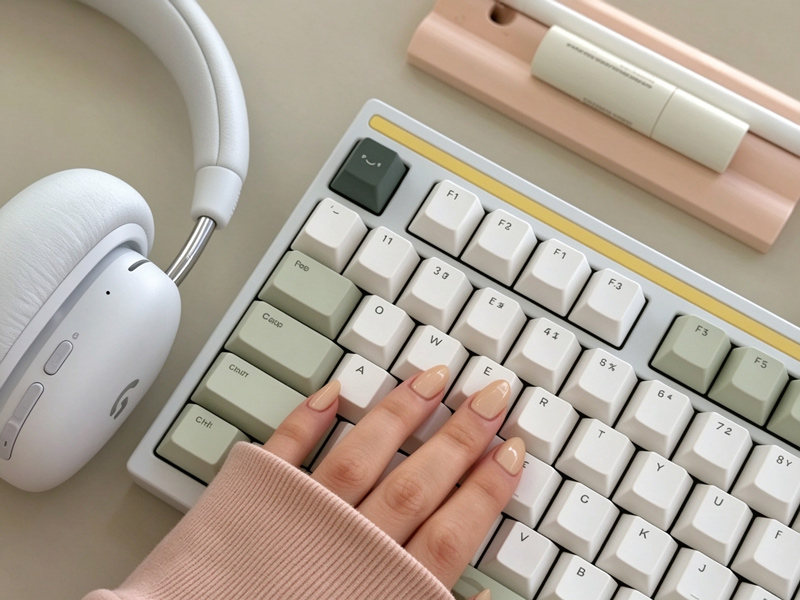
Mode's engineering lineage reads like a public research journal. The Eighty introduced stack mounting — every internal layer sandwiched in poron foam — which half the community loved for its muted balance and half dismissed as over-dampened. The answer arrived in user-swappable mounting blocks: lattice blocks in green, black, and half configurations tuned flex from dreamy to firm, with solid blocks for a traditional feel and isolated top mount for springy response. The 2024 Encore collaboration with designer Matthew Encina added the Crown Mounting System — eight wave springs and silicone spools riding a shoulder bolt, a genuinely novel assembly now carrying the new Prologue 98-percent flagship. Each generation's build guide warns the same thing in step one: test the PCB before assembly, because a board built on an untested PCB cannot be guaranteed a replacement. The company learns in public and publishes the corrections.
Six hundred sixty-one dollars before the switches
The honest economics deserve their own arithmetic. A Sonnet begins under three hundred, but the configurator offers CNC aluminum, polycarbonate, brass, and copper for the case; steel, brass-wave, copper-wave, and multicolor PVD stainless for the weight; dozens of accent pairings; and plates from POM to carbon fiber — each selection nudging the total. Independent reviewers who chased the dream build landed past six hundred before the switches, keycaps, or stabilizers entered the cart, and those parts carry their own prices elsewhere in the store. Shipping helps only at scale: free UPS ground on domestic orders over five hundred, half-off international DHL above the same threshold, with duties adding fifteen to thirty percent to landed costs in Europe and Canada. The entry Envoy, by contrast, starts near one hundred eighty-nine dollars — the value pick the community recommends to Keychron graduates.
A configurator with hundreds of combinations
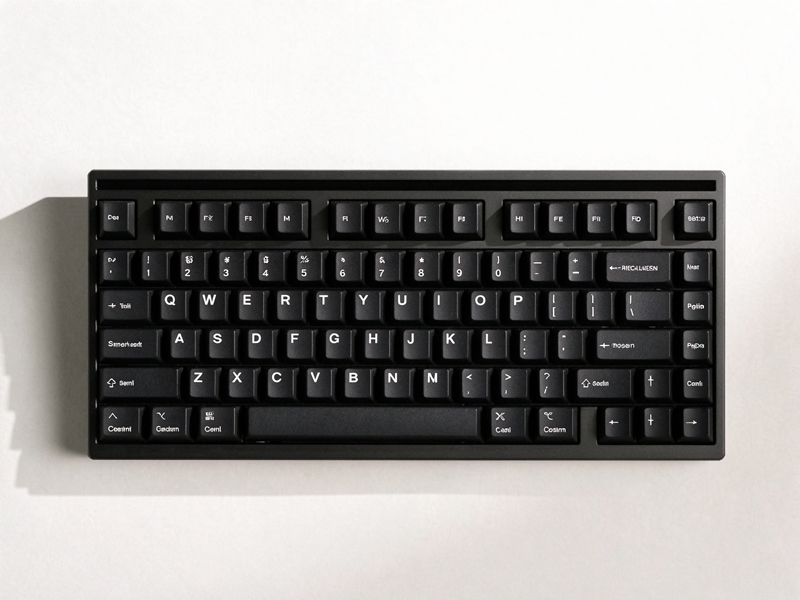
The shopping experience itself is the product. The configurator renders the chosen combination in real time — case, plate, weight, accent, PCB — and generates a custom code so a buyer can leave mid-decision and return to the exact specification later. Guide sites count hundreds of possible combinations per model, which is the point: Mode sells personalization as a first-class feature rather than a post-purchase modification. The ecosystem extends beyond boards: in-house keycaps in a Cherry-profile PBT-ABS hybrid, with legends designed by veteran typographer Tim Van Damme from the Neue Haas Grotesk typeface and sprue marks hidden on the keycap bottoms; Mode-branded switches — Obscura linears, Tomorrow tactiles, Anthracite silents; stabilizers; and a parts archive so complete that owners of the 2020 Eighty can still order replacements five years on.
Keycaps drawn from Neue Haas Grotesk
The position in the hobby's hierarchy is deliberately specific. Above Mode sit the true boutiques — Rama's brass monuments, TGR's scarce grails, Keycult's auctioned icons — where prestige comes from exclusion; below sit Keychron and Glorious, where value comes from volume. Mode claims the awkward, valuable middle: real machining, real engineering, no lottery. Guide sites call it the default answer for the typist who outgrew a Keychron Q1 but will not commit to an eighteen-month wait on a boutique board. The trade-offs follow from the position: no wireless on any model, waits that still run weeks, a five-hundred-dollar free-shipping threshold that the cheapest kits do not reach, and a prestige ceiling the community agrees exists but few buyers at this tier actually touch. The 2026 lineup — Sonnet and Encore pre-orders shipping in July, the Prologue arriving for summer — keeps the bet unchanged: premium hardware, patient logistics, zero purgatory.
The last keystroke of the patient premium
Mode Designs' store sells the custom keyboard hobby's sanest luxury: a configurator that renders your exact board before you pay, mounting systems documented like research, keycaps drawn by a real typographer, and a promise that the wait ends in months. Its trade-offs are the arithmetic of the middle tier: option creep that doubles the sticker, queues that still run to weeks, shipping thresholds that favor bigger carts, and no wireless for anyone. But for the typist who has outgrown the mass-market board and refuses to mortgage a year of patience for the boutique dream, this is the store that ended the purgatory — and put a billiard-ball click within reach of everyone willing to configure it. The wind, as the hobby's other poets might say, no longer makes you wait.