Loopy cases and the humble loop that changed how we hold phones
Official homepage: https://www.loopycases.com
Loopy Cases is the phone-case store that solved a problem nobody else had bothered to engineer: phones kept slipping out of hands. Its answer was almost comically simple — a silicone loop across the back of the case — and it became a category, spawning thousands of imitators while Loopy kept the 'original finger grip case' crown. This review examines the engineering, the review record across platforms, the lifetime warranty, and the fine print.
The original finger-grip case, and its thousand imitators
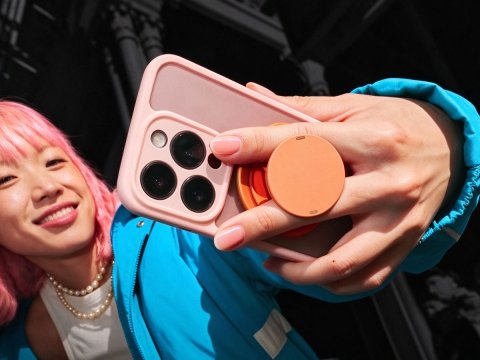
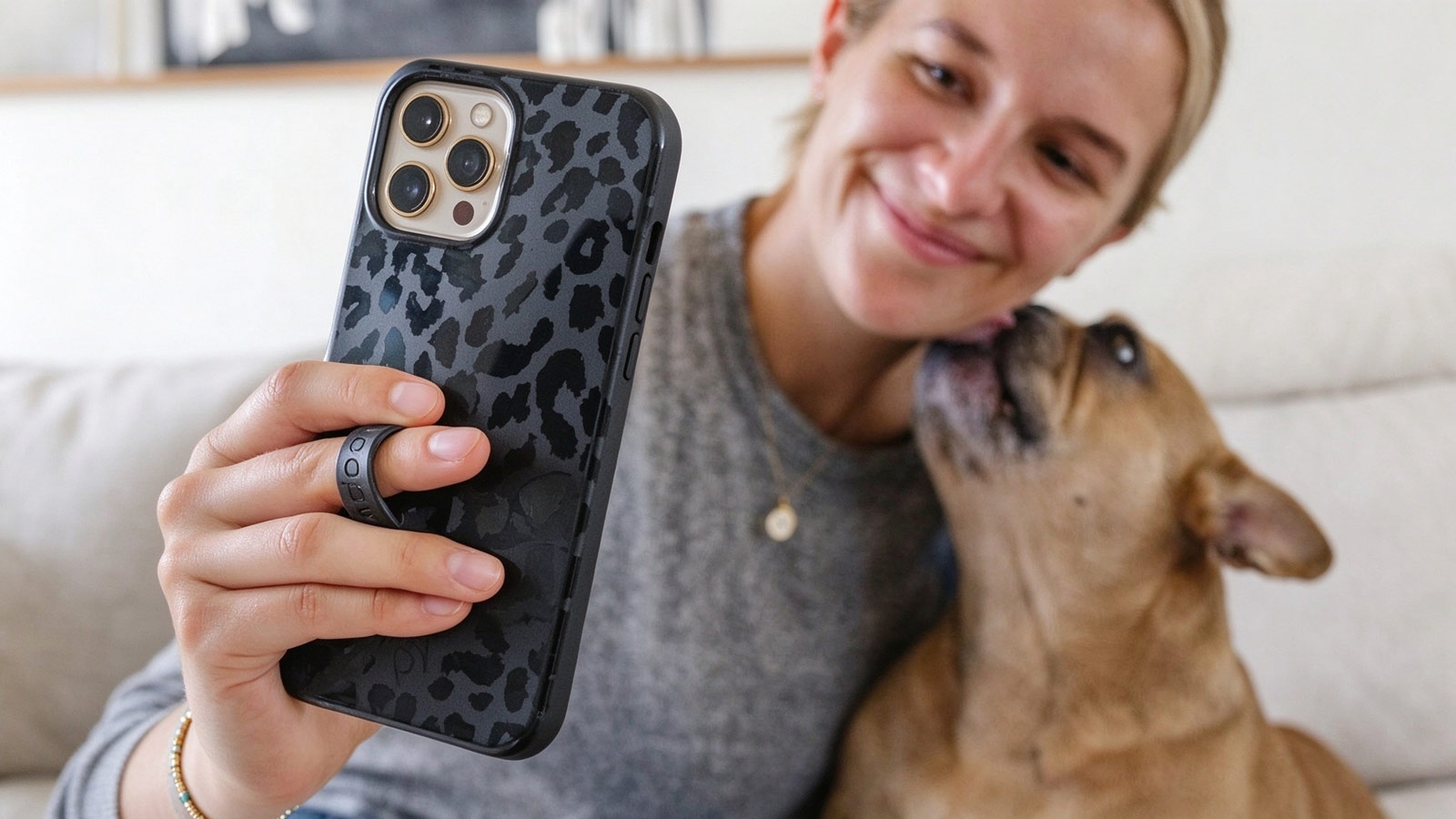
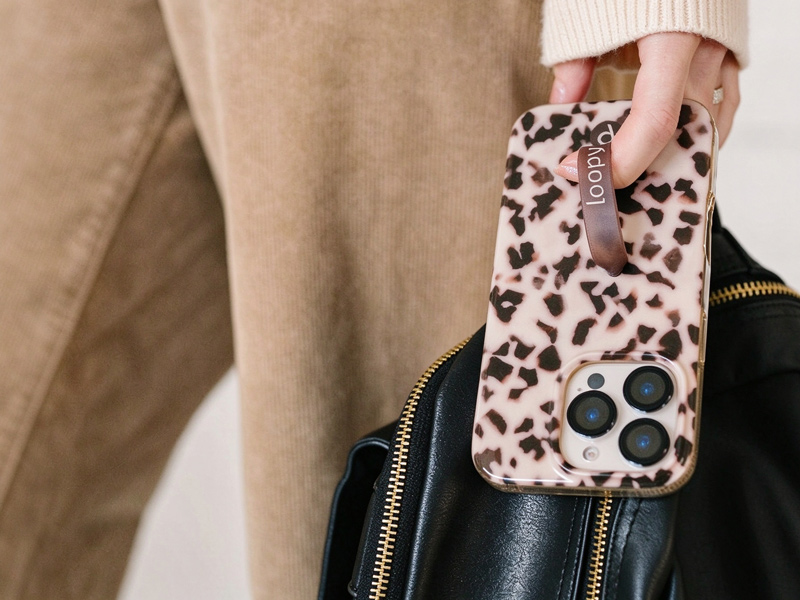
Before Loopy, the grip-accessory market was an afterthought: stick-on rings, pop-out sockets, wrist straps. Loopy's insight was to build the grip into the case itself — a soft loop of silicone across the back panel, sized for two fingers, molded into a one-piece shell. The result became the brand's enduring tagline: the original finger grip case. A decade of competitors have since bolted loops onto their own shells, which is arguably the strongest endorsement in the industry — when an entire category copies your feature, you invented something real. Loopy still leans on the identity with its #STOPTHEDROP social campaign and a claim, displayed on the storefront, that more than ninety-three percent of people in its community would recommend the brand to a friend.
MultiGrasp, pocketability, and the physics of the loop
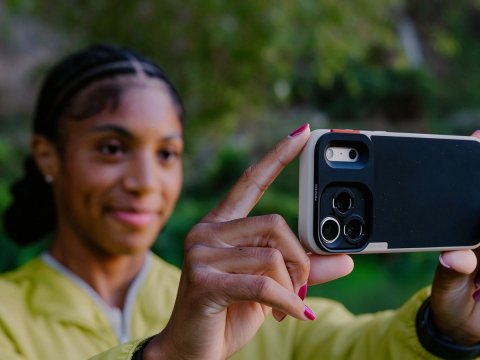
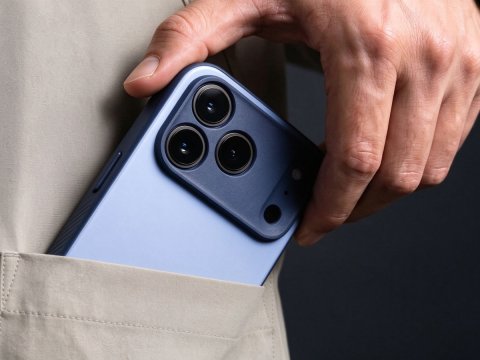
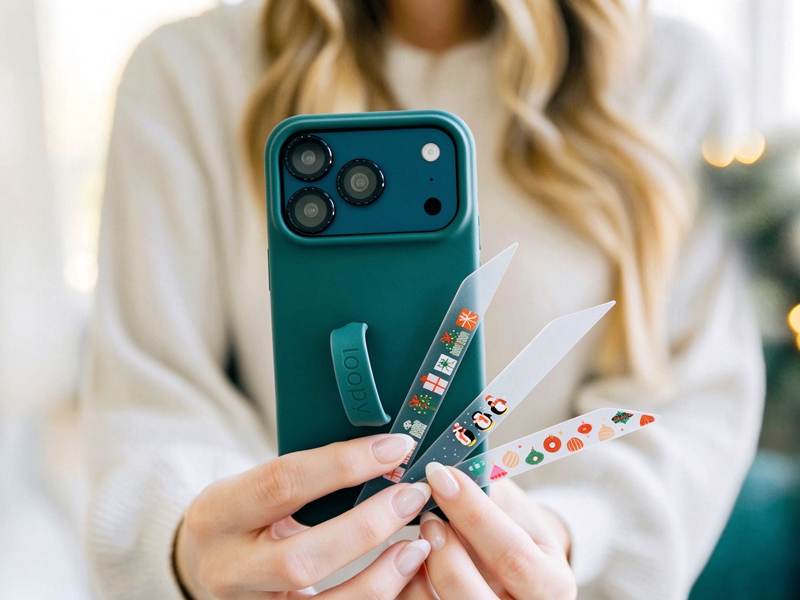
The engineering pitch is ergonomic rather than cosmetic. Loopy calls the system MultiGrasp: the loop lets you anchor the phone with two fingers while your thumb reaches diagonal corners no one-handed grip should reach, carry groceries and a coffee without a pocket check, or hand the phone to a toddler knowing there is something small hands can hold. Crucially, the loop flattens against the case, so the whole package still slides into a back pocket — the most-cited drawback of ring stands does not apply. The shell itself is a soft-touch, one-piece design with raised edges around screen and camera, offered for both iPhone and Android rather than iPhone-first, with a Duo line extending the idea to two loops for larger devices.
Four-to-six-foot drops and the lifetime promise
Protection claims cluster around four-to-six-foot drop survival, and the loop's real function is prevention: reviewers describe phones caught mid-fall on stairs, in crowds, and on amusement park rides, where the grip mattered more than the armor. The policy layer is where Loopy separates itself on this tag. Two promises sit at the top of the storefront: a thirty-day risk-free trial, and a Loopy Lifetime Guarantee. Independent reviewers back the second promise with specifics — multiple owners report loops snapped by rough use replaced free of charge, no receipts demanded, often faster than expected. In a category where warranties typically expire with the phone cycle, a lifetime promise on a consumable product is a genuine act of brand confidence.
Interchangeable loops and the accessory annuity
The catalog has a quiet second act: interchangeable loops. Solid-color replacement loops list at $19.99, and the store leans on the idea that swapping a loop is like swapping a case — changing the entire look for a third of the price. It is clever economics: the case shell is a durable good, the loop a fashion consumable, and the accessory margin funds the rest of the catalog. Around the core sit the usual suspects — mounts, chargers, and seasonal designs — but the loop refresh remains the most distinctive accessory play on this tag, and a reason existing customers return without waiting for a new phone.
Seventy thousand five-star reviews, one three-star average
The review record is genuinely two-sided, and both sides deserve airtime. On its own site, Loopy advertises more than seventy thousand five-star reviews and publishes a wall of named testimonials about drop saves and comfort. Off-site, the picture narrows: Trustpilot holds seventy-one reviews at a middling 3.5 average, while smaller aggregators land around 4.3. The gap likely reflects selection bias as much as service quality — delighted customers review on the brand's site, disgruntled ones seek out third parties — but the recurring third-party complaints (slower-than-expected shipping, warranty friction for a minority) are consistent enough to take seriously. Treat the lifetime guarantee as excellent on paper and usually excellent in practice, with a queue.
Thirty days to try, a lifetime to keep the promise
Commerce terms are straightforward. Free US ground shipping starts at $55, with frequent promo codes lowering the bar during campaigns; the storefront runs a country selector covering sixty-plus markets from Iceland to Singapore with local currency checkout. The thirty-day risk-free trial applies to first purchases, and returns are handled through a standard portal. The honest caveats: pricing sits at the premium end of the case aisle — the loop is a feature you pay for — design variety is deliberately narrower than the fashion-first rivals elsewhere on this tag, and the loop's bulk, flattened or not, makes pocket entry slightly snugger than a bare case. None of these are dealbreakers; all are the correct expectations to set before ordering.
The last loop around the Loopy checkout
Loopy's store is a study in doing one thing with total commitment: the loop, the grip, the lifetime promise. It will never out-style the fashion houses or out-armor the rugged brands, and its third-party review profile is too thin to take the storefront's seventy-thousand-star banner at face value. But as a purpose-built answer to the most common phone accident there is — the dropped phone — it remains the original, the most-copied, and, by its community's account, the one worth recommending to a friend.