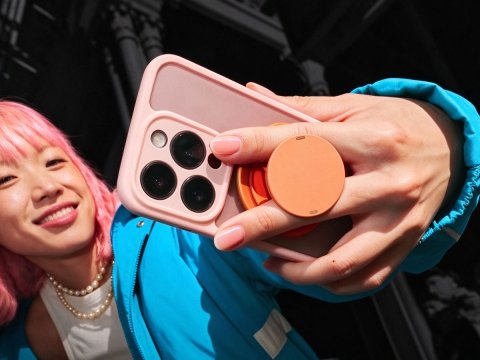
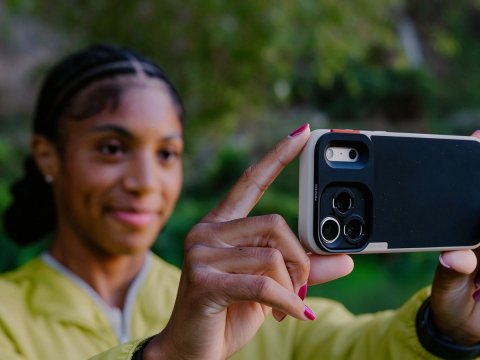
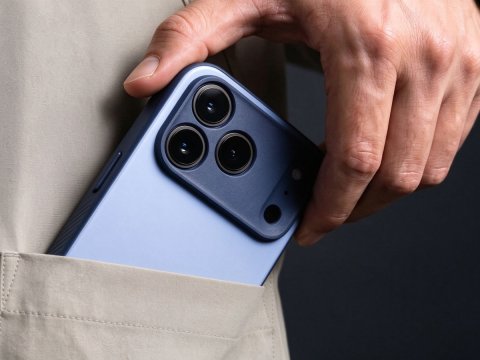
Latercase is what happens when youtube's biggest unboxer hates phone cases
Official homepage: https://latercase.com
Latercase is the phone-case store founded by Lewis Hilsenteger — better known as Lew Later, creator of the Unbox Therapy YouTube channel — out of a simple grievance: every case he tested ruined the phone. His answer is one of the thinnest cases money can buy, 0.6 millimeters of aramid fiber, and a launch that ignited a public feud with a rival brand. This review covers the product physics, the controversy, and what the store asks you to accept.
Lew Hilsenteger and the zero-bulk obsession
Lew Hilsenteger built Unbox Therapy into one of the largest tech channels on YouTube by opening hardware and judging it honestly, and years of handling every flagship left him with a pet peeve: cases that add millimeters and grams to engineering that cost millions. In 2019 he launched Latercase under the trademarked tagline 'impossibly thin phone cases' — a brand whose entire identity is subtraction. The bet was that his audience, saturated with his hands-on verdicts, would trust a case designed by someone who had physically touched everything on the market. The launch drew immediate demand and immediate skepticism in equal measure, and both ended up defining the brand.
0.6 millimeters, ten grams, four pennies
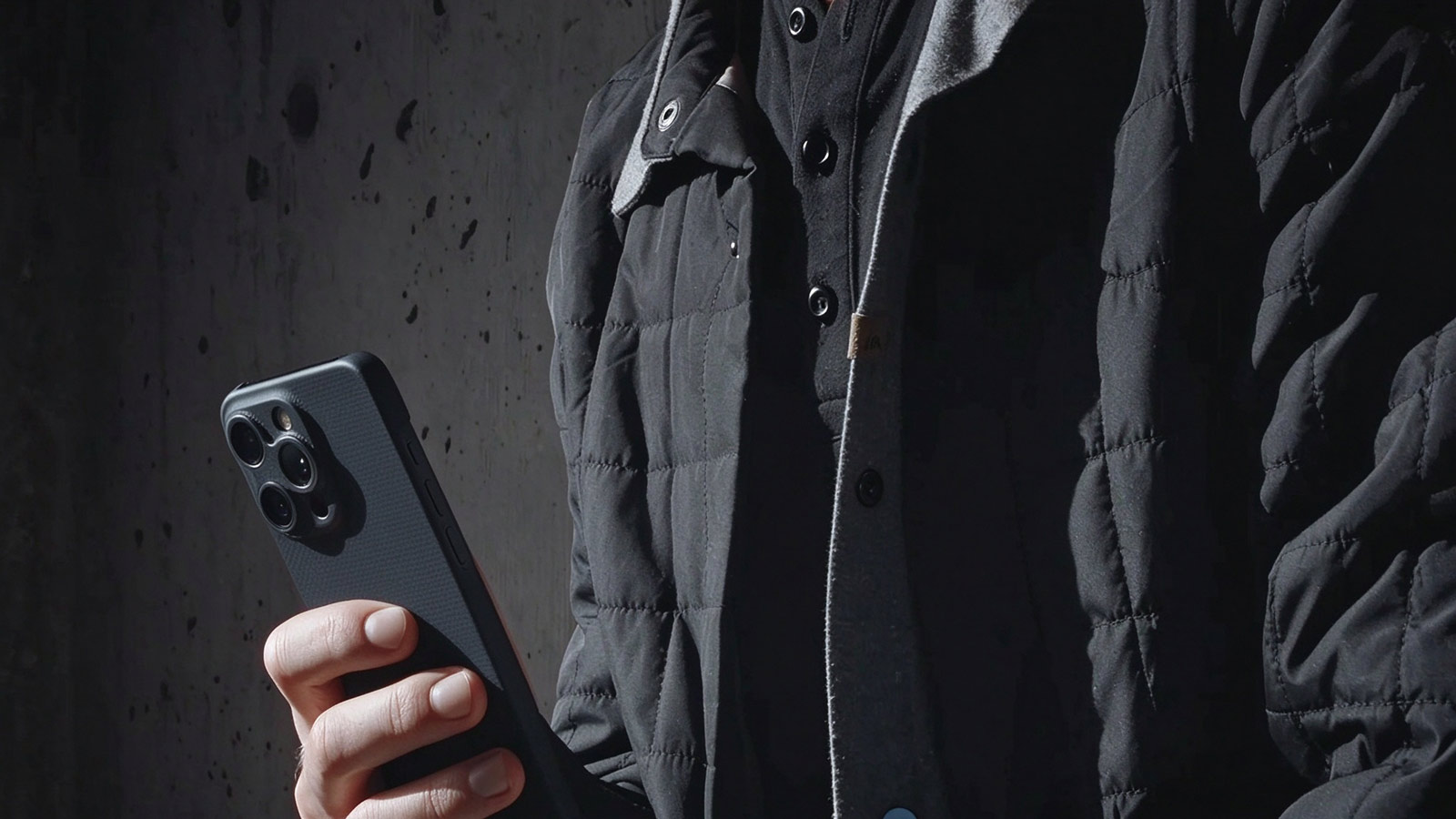
The flagship case is an exercise in reduction. A shell of 600D aramid fiber — the same material family as bulletproof vests — measures 0.6 millimeters thin and weighs between six and twelve grams depending on the phone; the company's own support page compares the average to four pennies. Aramid is non-conductive, so wireless charging and signal pass through unaffected, and the matte coating produces the 'addictive texture' reviewers repeatedly mention. There is a raised lip for the camera and precise cutouts — which also means buttons, top, and bottom edges stay exposed. Latercase's own FAQ is admirably blunt: this is a case for everyday wear, smudges, and scratches, not drops. One Trustpilot reviewer summarized it as 'zero drop protection,' and the company would not disagree.
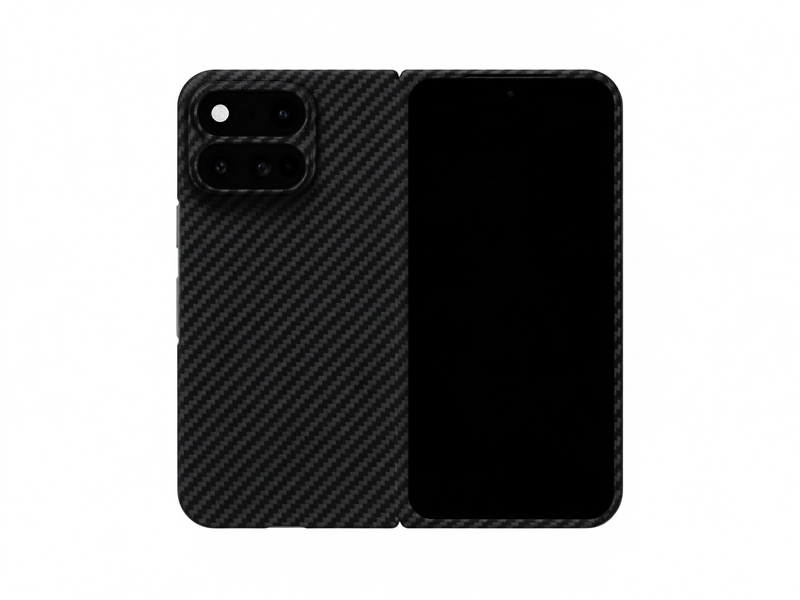
Aramid, cutouts, and the zero-drop-protection fine print
The honest framing extends across the support portal: expect the case to outlast the phone, wash it with warm water and hand soap, use isopropyl alcohol for stubborn stains, and do not expect it to survive a serious fall. That clarity is rare and worth praising — but it frames the price question. At $59 for a standard Pixel case, buyers are paying a premium for thinness and material, not protection, and the base cases ship without built-in magnets, a genuine gap in 2026 when MagSafe-style accessories are table stakes. Rivals like ThinBorne now bundle 600D aramid, magnets, and a tempered-glass protector for around $70, making the value equation the store's softest point.
The dbrand feud that launched a thousand forum posts
Launch week made headlines beyond tech YouTube: rival accessory maker dbrand publicly accused Latercase of being a rebadged generic aramid case sold at a markup, and the internet argued about it for weeks. The community's rebuttal, preserved in long XDA threads, held up under scrutiny: Latercase uses a different weave and texture, omits the magnetic liner that makes competitors thicker, and cuts openings more precisely. Whatever the truth of sourcing — and aramid cases are, in fairness, a commodity-adjacent product — the feud functioned as the best possible launch campaign, cementing Latercase's name in every phone-case discussion thread for years afterward. It remains the brand's most-repeated piece of lore.
MagLock rings and the accessory afterthought
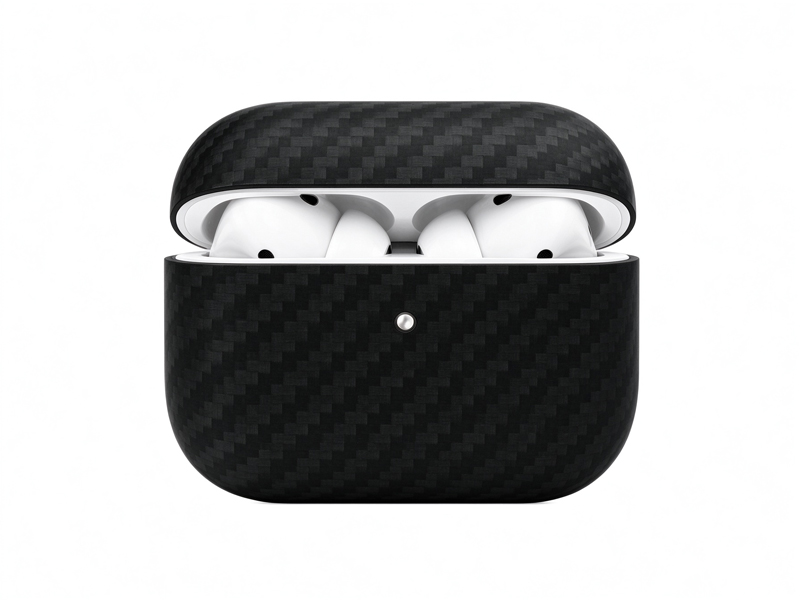
The catalog has since grown into a thin-device ecosystem: cases for iPhone, Samsung Galaxy, and Google Pixel, plus AirPods cases, Apple Watch shells, and — a genuinely amusing flex — Nintendo Switch 2 cases that extend the thinness philosophy to a console. Screen protectors, USB cables, and microfiber cloths round out the shelf. The most revealing addition is the MagLock Ring, an adhesive magnetic ring that adds MagSafe compatibility to cases that lack it — a tidy admission of the base case's biggest omission, and a low-cost upsell that turns a weakness into an accessory line. For foldables, the two-piece Duo MagLock case runs $79 at one millimeter and twenty grams, with reviewers noting the exposed hinge and the adhesive front panel as the price of extreme thinness; it sold out within weeks of launch.
Eighty-five dollars of free shipping math
Commerce terms are compact. Free tracked shipping to the US and Canada starts at $85, with tracked worldwide shipping available everywhere else — a high bar for a single $59 case, so most orders either pad with accessories or pay for shipping. Support runs through a dedicated help portal rather than a phone line, and independent aggregators put the store around 4.3 stars across a modest review base, with praise for the product feel and complaints split between shipping expectations and the price-to-protection ratio. The brand does not pretend to be anything else: the FAQ, the product pages, and the support answers all tell the same zero-drop-protection story, which keeps expectations aligned even when the checkout total stings.
The last thin layer on the Latercase store
Latercase's store is a personality-driven niche executed with unusual candor: it tells you exactly what its case will not do, then charges a premium for what it will. The founder's unboxing credibility, the aramid physics, and the launch feud give it a story few accessory stores can match. The costs are structural: no magnets at the base price, no drop protection by design, a high free-shipping threshold, and competitors closing the thinness gap while bundling more. For buyers who have always hated cases and accept the risk, it is the most honest version of that compromise on this tag.