Wyze: twenty-dollar cameras, ten million homes, and a security reckoning
Official homepage: https://www.wyze.com
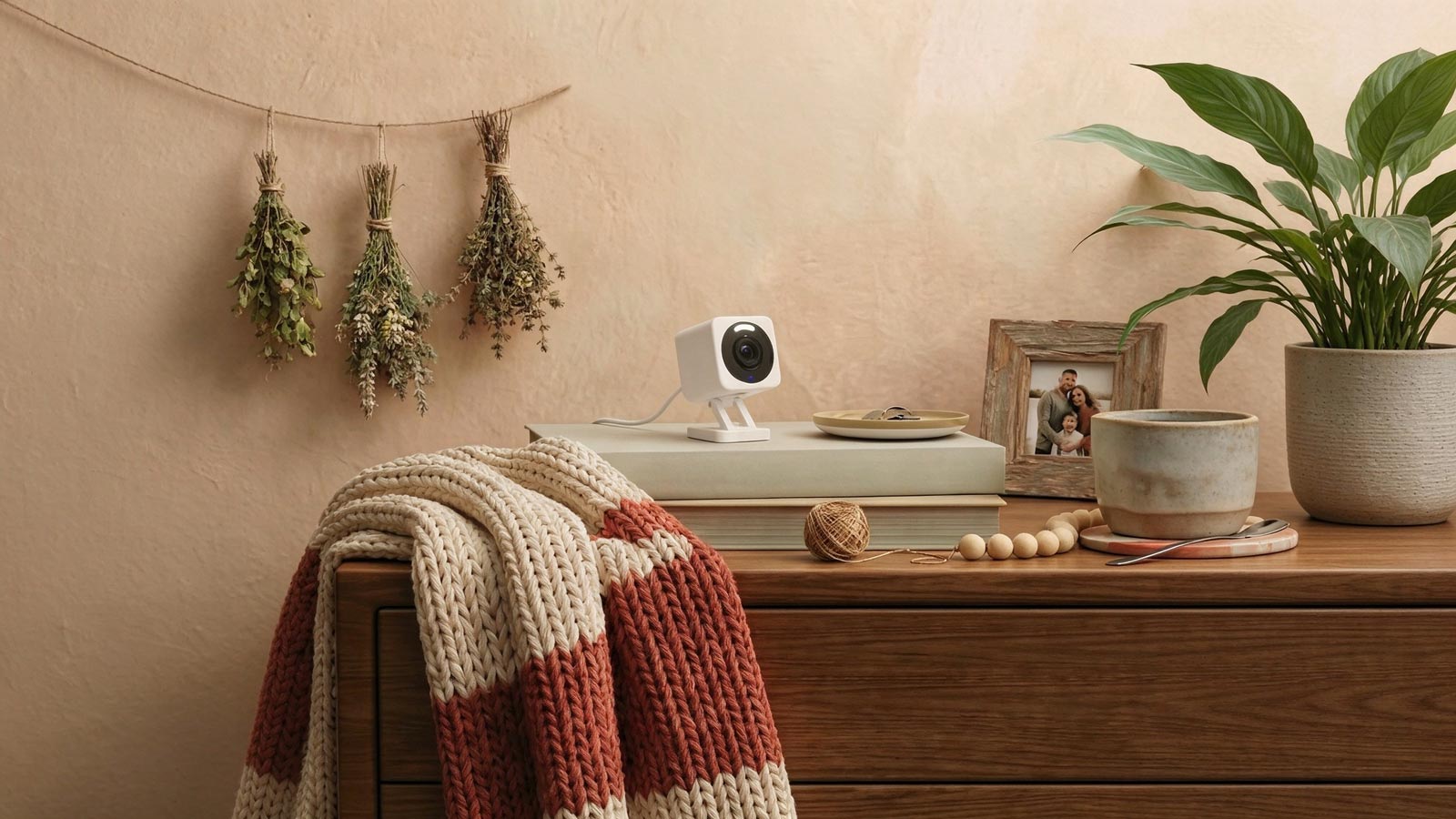
Wyze sells the cheapest credible smart home in America. Founded in 2017 by four former Amazon employees in Kirkland, Washington, the company launched a twenty-dollar camera that matched hundred-dollar rivals on video quality, sold a million units in its first year, and expanded into an ecosystem of plugs, bulbs, locks, doorbells, scales, and vacuums that prices the connected home for renters and skeptics alike. The same company also presided over the most instructive security ledger in consumer electronics: a 2019 data leak affecting 2.4 million customers, a 2022 revelation that it had sat on a camera vulnerability for three years without telling anyone, and a 2024 incident that showed thirteen thousand customers someone else's living room. This review examines the storefront dimension by dimension: the Amazon-bred pricing thesis, the ecosystem sprawl, the subscription economics, and the security history that both damns and, in its aftermath, partially redeems the brand.
Four ex-Amazonians and the twenty-dollar thesis
The founding quartet brought a specific education. Yun Zhang, Dongsheng Song, Dave Crosby, and Elana Fishman had all worked at Amazon — Zhang as an engineering leader — and carried the company's pricing doctrine out the door: thin margins, enormous volume, customer obsession as operating system. The first product, the Wyze Cam, launched in October 2017 at twenty dollars against hundred-dollar category incumbents, and the New York Times named the phenomenon within months: the hidden player spurring a wave of cheap consumer devices. The device was not a trick — it matched rivals on video quality, night vision, and two-way audio, with local microSD storage as an option and no subscription required for the basics.
The growth curve validated the thesis instantly: a million cameras sold in the first year on a team of twenty-five, and 1.5 million units by the January 2019 Series A — a $20 million round led by Norwest Venture Partners, justified partly by the referral engine the company had built: nearly eighty percent of users recommended the products, generating two hundred thousand additional users on word of mouth alone.
From one camera to an entire smart home
The ecosystem sprawl followed the camera's logic. The Pan tilt camera extended the original; then the plugs and bulbs converted the buyer's entire outlet and lighting infrastructure; the doorbell, lock, and thermostat-adjacent sensors completed the security perimeter; the scale, watch, and robot vacuum carried the brand into health and chores. By the mid-2020s the catalog ran to dozens of SKUs under one app, with the company's employee count passing three hundred and fifty — still small for a company whose devices sat in millions of American homes. The strategy's logic, consistent with the Amazon pedigree: own the entry point cheaply, then monetize the household's expansion within the same account, the same app, and the same Wi-Fi network.
For the storefront reviewer, the ecosystem is the moat and the exposure: switching costs rise with every plug installed, and the customer's entire connected home eventually depends on one company's cloud staying alive, secure, and honest.
The Cam Plus pivot, and the free-tier grumble
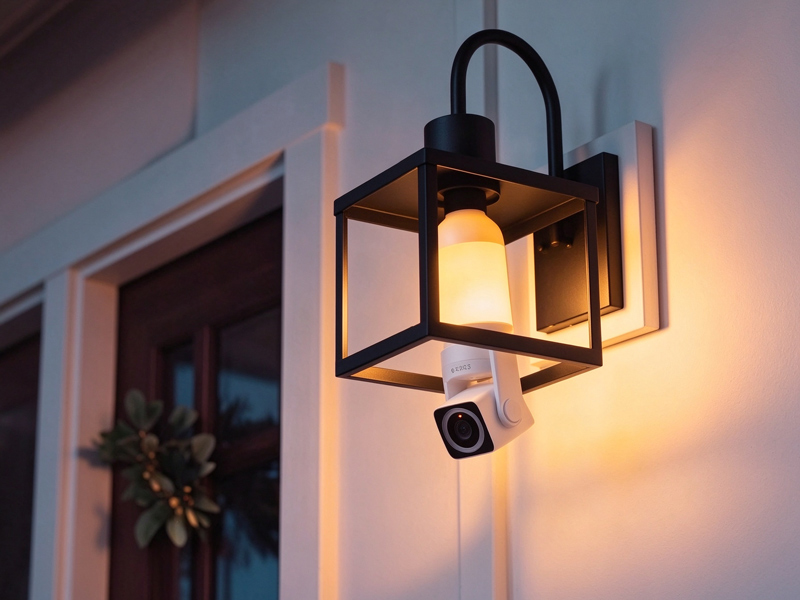
The subscription chapter arrived in 2019 and defined the modern Wyze trade. Person detection — the feature that distinguishes a security camera from a motion-activated video recorder — was originally free, built in partnership with an AI provider whose termination forced a rethink; Wyze first removed the feature, then rebuilt it in-house and returned it under the Cam Plus subscription, alongside extended cloud recording and package detection. The free tier kept motion alerts and twelve-second clips, but the useful intelligence moved behind a paywall — two dollars a month per camera, or less with bundles, cheap by SaaS standards and grumbled about by a customer base recruited on the promise of no-subscription security.
The economics are the company's answer to the twenty-dollar price: the camera was never the business; the ongoing relationship was. Buyers who accept the trade get honest hardware pricing; buyers who wanted the camera to be the whole product found the free tier quietly hollowed — the tension that runs through every Wyze review thread ever since.
The security ledger, told in full
The integrity file must lead the cons column of any honest review, and Wyze's is extensive. In December 2019, the company confirmed a server leak that had exposed the personal details of roughly 2.4 million customers; the response — forcing every user to log out and re-authenticate — was competent, and Consumer Reports' subsequent security testing gave the cameras strong marks for both privacy and data security, noting local-storage options and disclosed data practices. Then came the case that defined the company's reputation. In March 2022, the security firm Bitdefender revealed that Wyze's first-generation camera carried a vulnerability allowing unauthenticated access to locally stored videos — and that Wyze had known about it for three years, patched it silently in January, and discontinued the camera days earlier without telling customers why.
The security community's verdict was unambiguous. Bruce Schneier wrote that sitting on a known vulnerability for three years is not normal — responsible-disclosure timelines are measured in days — and The Verge published the review that became the movement's slogan: I'm done with Wyze. The forum threads from the era record the beyond-panic among the company's most loyal users, many of whom defended the brand through every previous incident and broke at the silence itself.
The three years of silence, and the reckoning
The aftermath is the ledger's second half, and it belongs in the review because it is documented rather than claimed. The 2023 web-viewer caching incident and the February 2024 breach that showed approximately thirteen thousand customers the feeds of other people's homes — admitted within days, root-caused to a caching error — kept the company under press scrutiny, and the responses grew structurally more serious: expanded security engineering, additional testing and verification measures, revised compliance practices. The 2025 chapter is VerifiedView, a feature that writes a hashed account identifier into camera firmware and embeds it in the metadata of every image, video, and stream, refusing mismatched livestream requests at the infrastructure level — a cryptographic answer to the exact failure mode of 2024.
The market's response, as of 2026: CNET, which had stopped recommending the cameras after the incidents, began recommending them again, with a published explanation of what changed. For the storefront reviewer, the arc reads as the category's defining case study in trust: cheap hardware bought forgiveness repeatedly until silence finally spent it, and engineering, not apology, is what is buying it back.
Xiaomi's patent and the Amazon listing
The legal chapter belongs because it shows the vulnerability beneath the price. In 2021, Xiaomi — which had once been a Wyze investor-adjacent manufacturing partner — filed an infringement report with Amazon over a robot-vacuum patent, threatening the listing that carries a significant share of Wyze's sales. Wyze responded not with a settlement but with a preemptive lawsuit in federal court, asking for a declaratory judgment that Xiaomi's 2019 patent was invalid on prior-art grounds — a small American company betting its shelf space on the quality of its patent defense.
The episode underscores the business model's exposure: twenty-dollar economics leave no margin for litigation, and the company's entire distribution strategy — its own storefront alongside Amazon's — depends on relationships with platforms and partners whose interests can invert. The lawsuit's posture, aggressive and public, matched the company's response to Amazon's own copycat urges years earlier: Wyze has never been a company that settles quietly.
The economics of twenty dollars
The commercial engine deserves a fair paragraph. Wyze's discipline — the Amazon DNA — shows in the cost engineering: camera components selected for availability over novelty, firmware shared across SKUs, and the subscription layer funding the intelligence that hardware margins cannot. The referral data from the Series A — eighty percent of users recommending the products — remains the cheapest customer acquisition in the category, and the company's community forums function as a tens-of-thousands-strong volunteer support desk and product-testing lab. The storefront itself runs the standard direct playbook: launch pricing with referral codes, bundle discounts on multi-camera kits, and the subscription upsell woven through the app's every notification.
The honest counterweight is the total-cost arithmetic the marketing buries: the camera is twenty dollars, the useful version of the camera is twenty dollars plus two dollars a month per unit, forever — and the cloud-only architecture means the hardware's useful life ends when the company's support does, a cycle the forums' e-waste commentary has documented with each discontinued generation.
The verdict for the budget smart-home buyer
Wyze's storefront is the twenty-dollar thesis and its entire bill: four Amazon alumni who proved the smart home could cost less than its cables, a million cameras in a year and an ecosystem that swallowed the whole house, a subscription layer that made the cheap camera a relationship, and a security ledger — leak, three-year silence, stranger's living room — that constitutes the most serious trust deficit this review series has documented, followed by a recovery built on engineering rather than apology.
Buy here if your budget is the constraint and your tolerance for configuration is high, if twenty dollars for a credible camera still beats a hundred for a perfect one, if Cam Plus math is acceptable at scale, and if the 2025 security architecture plus the CNET re-recommendation read as sufficient penance for 2022. Buy the premium incumbents if the camera watches your children and silence — corporate or otherwise — is the one feature you cannot accept. For the budget smart-home buyer who prices trust alongside pixels, this Kirkland storefront remains the category's most instructive answer: the cheapest way in, and the most expensive way to learn what your camera owes you.