Nothing: the phone brand built on transparency, ten days of retirement, and 900 leds
Official homepage: https://nothing.tech
Carl Pei co-founded OnePlus, the Chinese smartphone upstart that taught the industry the phrase flagship killer, and at thirty-one he walked away. His retirement lasted ten days. In October 2020 he founded Nothing in London with a $7 million seed round assembled from the iPod's inventor, Apple's co-founder, a YouTube filmmaker, and the founders of Twitch and Reddit — and a thesis that consumer technology had become a sea of indistinguishable black rectangles. Five years later, Nothing's transparent-backed phones with their glyph light interfaces have shipped more than seven million units, passed two billion dollars in lifetime sales, and turned community investment into a funding strategy. This review examines the storefront dimension by dimension: the exit, the design manifesto, the glyph interface, and the honest arithmetic of a design-led challenger in the world's most brutal hardware market.
Ten days of retirement, then a new phone war
The founder's biography reads like a hardware-industry bildungsroman. Pei was born in Beijing in 1989, emigrated with his family to the United States as a child, and settled in Sweden, where he enrolled at the Stockholm School of Economics — and dropped out in 2011. He joined the Chinese manufacturer Oppo that year, and in December 2013 co-founded OnePlus with Pete Lau. The new company's formula — near-flagship specifications at roughly sixty percent of the price, sold through viral community marketing — earned the nickname that defined an era of Android: the flagship killer. Under Pei's seven-year run, OnePlus captured a third of India's premium market, surpassing Samsung, and built a global cult.
By 2020, though, OnePlus had been absorbed into its parent Oppo's ecosystem, and Pei has said the company began to feel corporate — the disruptor energy gone. He resigned in October 2020. He has described the retirement that followed as lasting about ten days. On October 29 he registered Nothing Technology in London; the company was announced that January with the mission he still prints: remove the barriers between people and technology.
The seven-million-dollar rolodex
The seed round was a statement of intent before a product existed. Nothing's first $7 million came from a roster of individuals rather than institutions: Tony Fadell, the inventor of the iPod; Steve Wozniak, Apple's co-founder; the filmmaker Casey Neistat; Kevin Lin, Twitch's co-founder; and Steve Huffman, Reddit's chief executive. The company also recruited Teenage Engineering — the Stockholm design studio whose synthesizers and speakers are cult objects — as a founding partner, and quietly acquired the brand assets of Essential Products, the defunct phone maker founded by Android's creator Andy Rubin, whose name and trademarks signaled that Nothing intended to build phones, not just accessories.
The structure matters to this review: a founder who had already scaled one phone brand to global relevance, backed by the people who invented the categories he intended to enter, partnered with the design studio whose entire philosophy is making objects people form emotional attachments to. The capital was small; the conviction network was the moat.
Ear (1): the transparent manifesto
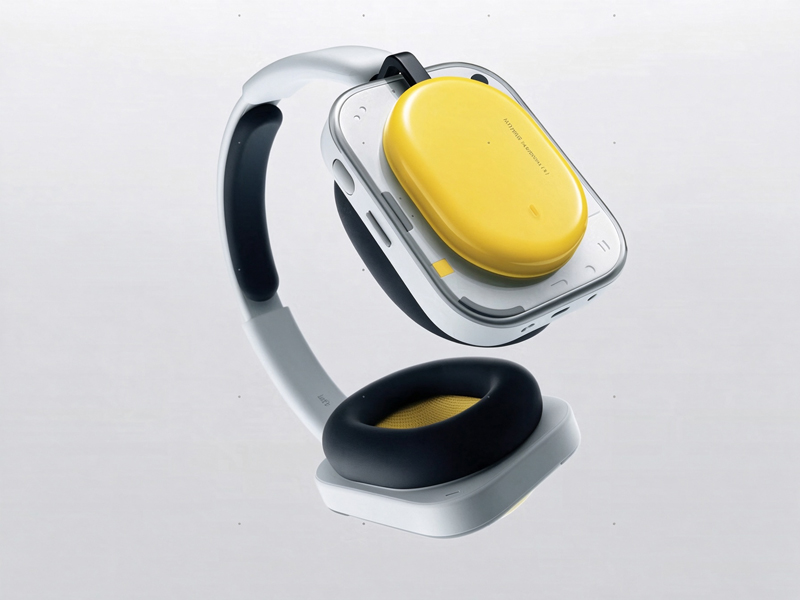
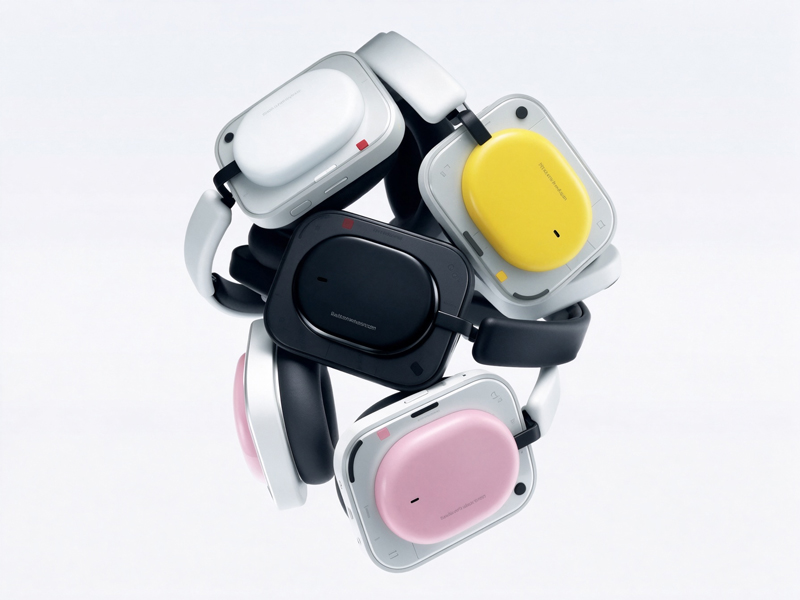
The first product arrived in July 2021 and made the thesis visible. The Ear (1) wireless earbuds — $99 — shipped in a transparent case with transparent earbuds that exposed the internal components: speakers, antennas, circuit boards. The aesthetic borrowed from Braun and Dieter Rams, the tradition of making the mechanism visible rather than hiding it. The market's reaction validated the differentiation strategy in one stroke: the Ear (1) sold out repeatedly, and by early 2023 the company reported 650,000 units sold, temporarily unavailable worldwide.
The manifesto's logic is commercial as much as philosophical: in a commoditized market, attention is the scarcest resource. One influential Indian investor, Nikhil Kamath, later framed his $21 million bet in exactly those terms — most tech brands compete on specs and pricing; Nothing competes on attention. If a product is not recognizable from ten feet away or in six seconds, it is invisible. The transparent object is not a style; it is a market-entry strategy against companies a hundred times Nothing's size.
Nine hundred LEDs on the back
The Phone (1), launched in July 2022, converted the manifesto into the product that defined the brand. The handset's transparent back exposed its internals — wireless charging coil, screws, antenna lines — and its rear surface carried the Glyph Interface: roughly nine hundred white LEDs arranged in strips that light in programmable patterns for notifications, charging status, and ringtones. The glyph turned the phone's back, an industry afterthought, into an interface: a caller's identity in light, a charging progress bar, a silent-alarm sunrise. The launch drew more than one hundred thousand pre-orders and, with the earbuds, passed a million cumulative units by the end of 2022.
The lineage has since evolved — the Phone (3) replaced strips with an LED matrix capable of more complex patterns, and the 2026 Phone (4a) Pro carries a glyph matrix of 137 mini-LEDs displaying widgets like battery and timer — and with the evolution has come the design-drift debate the honest review must engage: the 4a Pro abandoned the transparent back entirely, a first for the brand.
Community as capital: users invest too
The community machinery is institutionalized, not decorative. Nothing has invited its community to invest alongside venture capitalists in funding rounds — ordinary users owning a piece of the company whose phones they buy — a structure almost unheard of in hardware. The YouTube operation runs with unusual candor: company vlogs, reaction videos to influencers reviewing Nothing products, and, remarkably, reviews of competitors' products — the anti-corporate posture as content strategy. When the design drift debate peaked in 2026, Pei took it to a Reddit community Q&A, acknowledged that the pace of change had been too fast, and said he had asked the team to recapture the spirit that went into the Phone (1). Accountability as a channel.
For the storefront reviewer, this is the deepest version of the community flywheel this category has produced: the customers are the investors, the content engine, and the design review board — the audience converted from constituency into ownership.
The unicorn sprint, and the India thesis
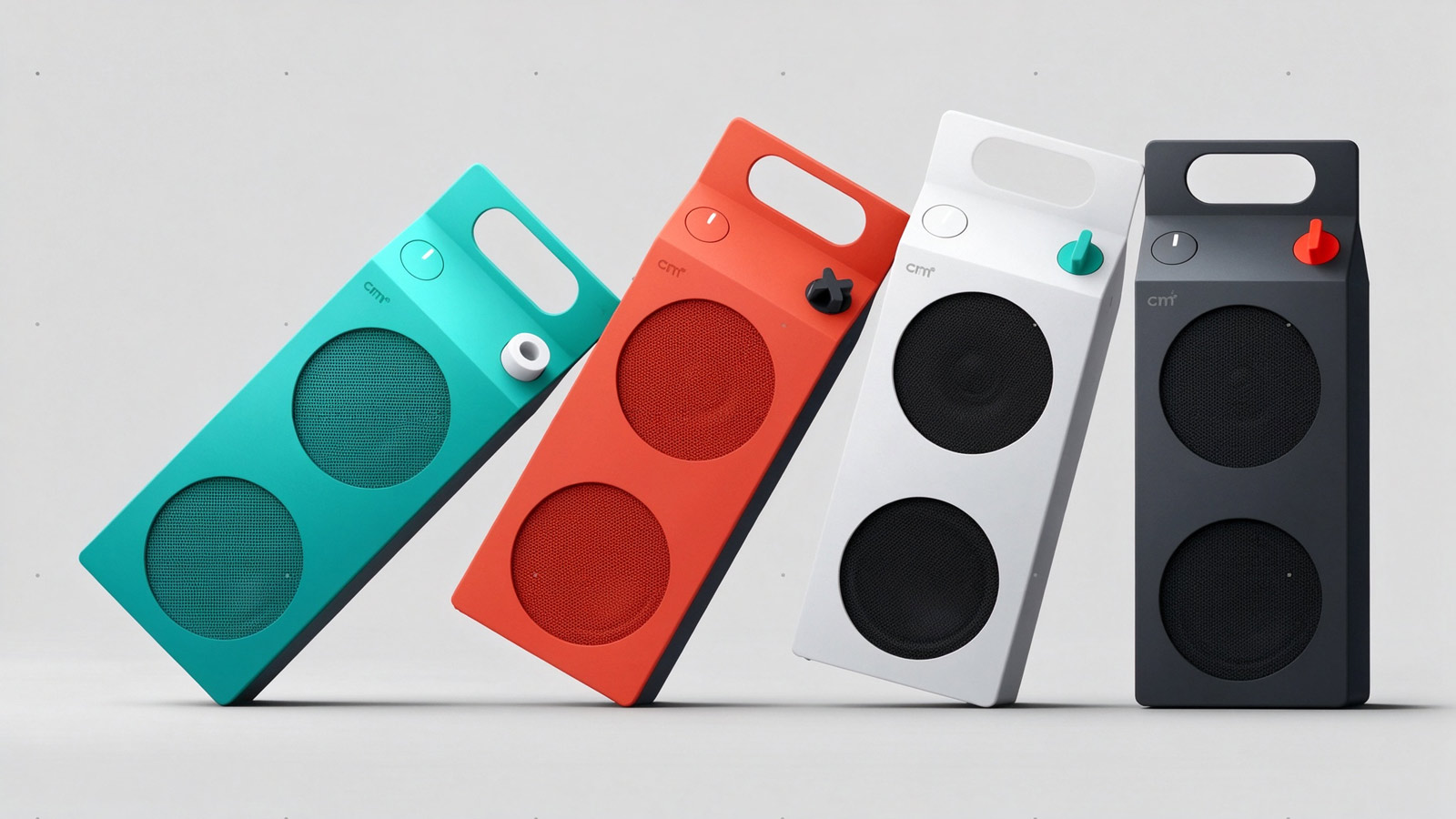
The capital arc ran at venture tempo. A $96 million round in 2023 led by Highland Europe; a $200 million Series C led by Tiger Global at a $1.3 billion valuation; and Kamath's $21 million entry, justified by the India arithmetic — in the world's most competitive smartphone market, Nothing posted 577 percent year-over-year growth and became the fastest-growing brand. The scale ledger by mid-2026: more than seven million devices shipped, over $2 billion in lifetime revenue, roughly nine hundred employees, and annual revenue estimates above $500 million. The budget sub-brand CMF, launched in 2023 with hardware at $279 and below, was spun into a separate company in 2025, extending the design language down-market without diluting the flagship.
The founder's own near-death stories, told on long-form podcasts, belong in the record: 80 percent defect rates on first products, and fundraising rounds that nearly failed — the unicorn exterior over a hardware company that has repeatedly come close to breaking.
The honest texture of design drift
Four honest cautions belong in the ledger. First, the squeeze: Nothing competes in the upper mid-range against Google's Pixel A series, Samsung's Galaxy A line, and its own former company OnePlus's Nord — giants with deeper pockets, longer update promises, and carrier relationships Nothing does not have. Second, the design drift: the 4a Pro's abandonment of the transparent back — the very signature that made the brand recognizable — is a concession the founder himself has had to explain in public; whether the glyph alone carries the identity is an open question the next launches will answer. Third, the hype-cycle dependence: a brand built on attention lives and dies by the launch-week narrative; the same design maximalism that won the early audience invites fatigue if each generation's surprise is smaller than the last. Fourth, longevity: a five-year-old phone maker asking customers to trust a decade of software updates, against competitors whose support windows are now printed in the spec sheet — the trust question no design language can answer for you.
None of these are contradictions; all four are the taxes on being the design-led challenger in a market where the incumbents buy components by the tens of millions.
The verdict for the design-fatigued phone buyer
Nothing's storefront is the manifesto thesis run for five years: a thirty-one-year-old who quit the company he built, a seed round from the people who invented the iPod and Apple, Teenage Engineering in the design room, transparent earbuds that sold out worldwide, a phone whose back lights up in nine hundred LEDs, a community that owns equity alongside the venture funds, seven million devices shipped, and a founder who answers design criticism on Reddit. The cons are the cons of the challenger: the mid-range squeeze, the design drift the founder himself conceded, the launch-hype dependence, and the update-window trust question.
Buy here if the black rectangle bores you and the glyph interface delights you, if a phone whose back does something is worth more to you than a camera benchmark point, if a brand that lets its community buy shares matches your idea of loyalty, and if you are willing to bet on a five-year-old company's decade-long software promise. Buy the Pixel or Galaxy if camera consistency, carrier deals, and seven-year update guarantees rule your spreadsheet. For the design-fatigued buyer who wants technology to feel like an object again, this London storefront remains the category's most transparent answer — ten days of retirement, seven million phones, and the LEDs still blinking.