Willo wants to brush your kids' teeth while they stare at a screen
Official homepage: https://willo.com
Willo is the kids' oral-care store built around a machine that brushes for them: a hands-free device that circulates its own foaming toothpaste around a silicone mouthpiece while an app keeps score. Behind the robots sit an accessibility mission, a chief dental officer, a small published trial, and a thirty-day guarantee. This review examines what the store sells, whom it actually serves, and what parents should know before the refill subscription kicks in.
Circulating toothpaste, a silicone mouthpiece, zero scrubbing
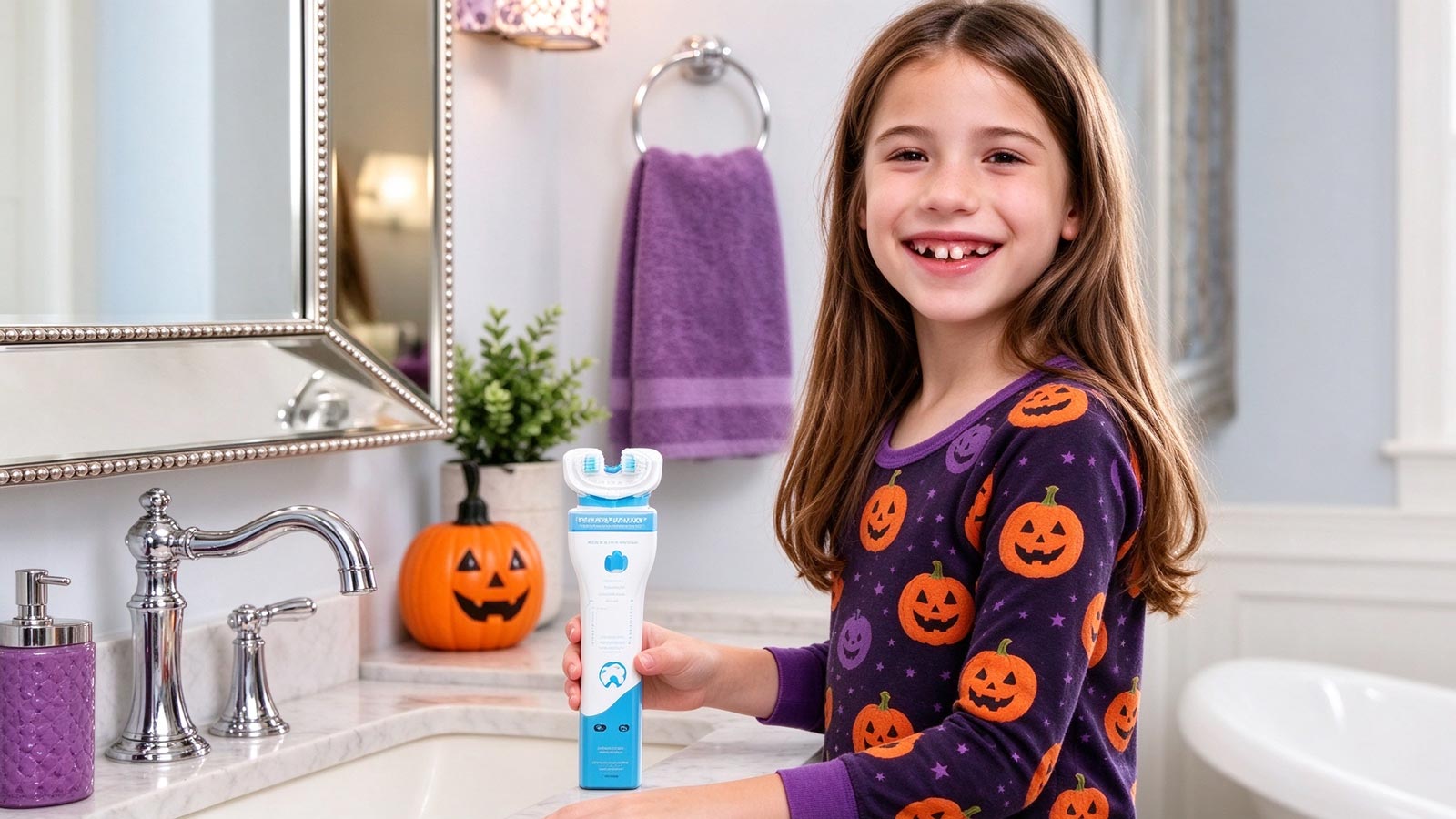
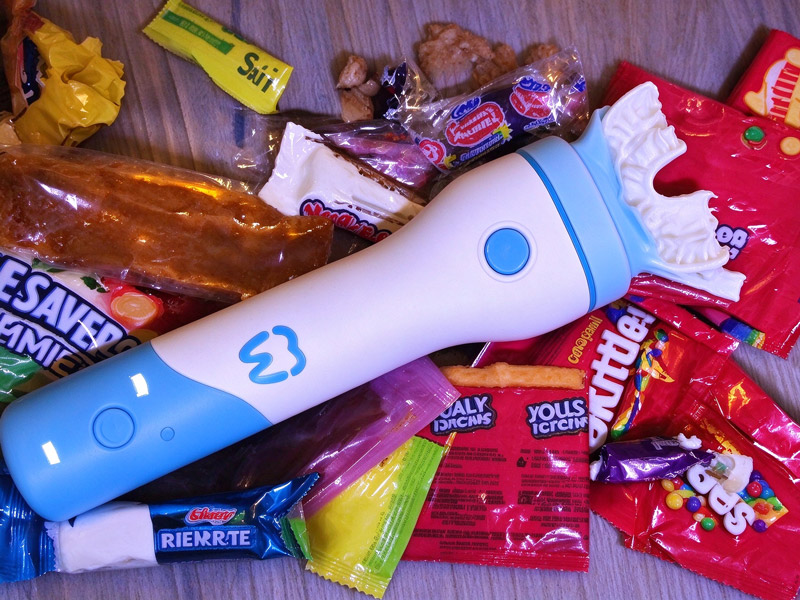
The AutoFlo+, Willo's flagship, works nothing like a normal electric toothbrush. A child bites into a U-shaped silicone mouthpiece, and the device pumps foaming toothpaste in a loop around every tooth for a guided cycle — no wrist motion required, no spit choreography, and no guessing whether two minutes passed. The BrushBot, aimed at younger children, wraps the same idea in a character-driven robot with app games and avatars that reward completed sessions. Both systems pair with refills, the ortho version of the mouthpiece fits around braces, and the starter kits position the device as the hook with replacement pods as the ongoing cost. It is the most appliance-like product on this tag, closer to a home medical device than to a tube of paste.
The accessibility play nobody else attempts
Where Willo diverges from every other kids' brush brand is its audience definition. The store organizes content around attention struggles, motor challenges, and sensory sensitivities, with dedicated pages for therapists, care teams, and special-needs adults — not just parents of neurotypical children. A dental-professional hub lets providers book demos, review clinical case studies, and join an ambassador program, reflecting the company's pitch that hands-free brushing solves real problems for occupational therapists and caregivers. A pilot study published in a peer-reviewed dental journal tested the device in long-term care: among the residents who completed the protocol, biofilm scores fell dramatically and gingival health improved — though nine completers out of sixteen enrolled, and gag reflexes limited acceptance. The company frames such evidence honestly, posting both the gains and the drop-outs.
A chief dental officer named Berg, and his evidence file
Willo's clinical spine is Dr. Joel Berg, a veteran pediatric dentist serving as Chief Dental Officer. The store's headline claim — seven times more plaque removal in hard-to-reach areas versus manual brushing — carries a clinical asterisk on its own banner, and the research page links to the published trial alongside usage statistics the company reports from its user base. Transparency is reasonably good for a young device brand: the long-term-care study showed biofilm dropping from 2.33 to 0.31 on average among completers, and the company does not hide that gag reflex and compliance were the main failure modes. Parents should still read the claims as company-reported until larger independent trials exist.
Mom's Choice Award, seven times the plaque, one app
Marketing leans on parent-facing validation: a Mom's Choice Award seal, the clinically proven seven-times plaque claim, reporting that eighty-seven percent of kids brush the full two minutes, and a five-star rating drawn from a thousand-plus parent reviews displayed on the store. The app is the engagement engine — avatars, streaks, and parental dashboards — and the hardware is HSA and FSA eligible, with the store advertising average savings around thirty percent for shoppers using those accounts. As a purchase funnel it is cohesive: award seals at the top, clinical footnotes at the bottom, and a subscription waiting after the first month.
Starter kits, refill pods, and HSA-eligible hardware
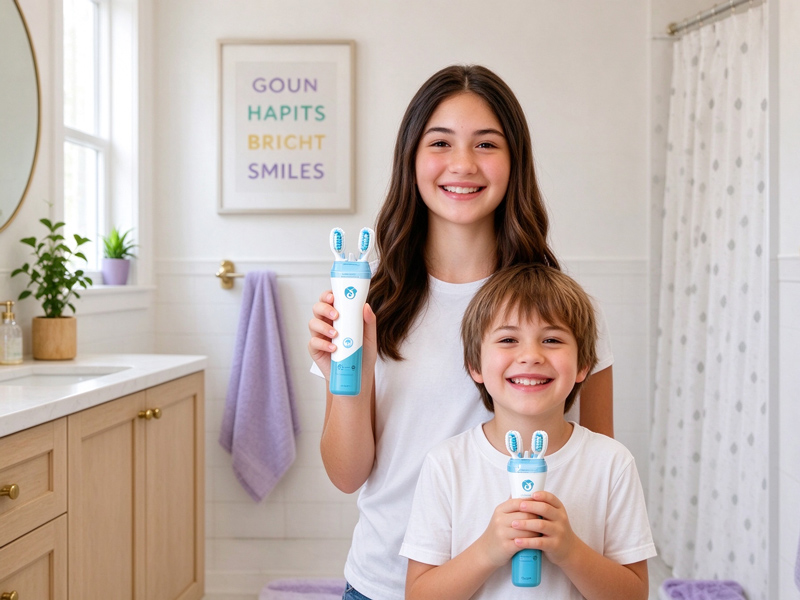
The catalog is tight by design: two starter kits, refill pods on subscription, the orthodontics-ready mouthpiece, and accessories. The AutoFlo+ sits at the premium end for this tag and the BrushBot below it, with refill pods arriving on a schedule — the classic razor model, here dressed as a robot. HSA and FSA eligibility is a genuine differentiator, since few toothbrush brands bother with the paperwork; for families already funding dependent-care accounts, the effective price drops meaningfully. International buyers are largely out of luck, as fulfillment centers on the US market, and the ortho line, while smart, requires the right mouthpiece version from day one.
Thirty days to decide, one portal to return it
The store's safety net is a 30-Day Satisfaction Guarantee on direct purchases: request within thirty days of confirmed delivery, use the self-service returns portal, and ship back within fourteen days of the prepaid label. That is a solid trial framework for hardware whose fit and gag tolerance are personal, and it softens the premium entry price. Support runs through email and a help center rather than phone lines, and the return process requires authorization in advance — boxes sent back unannounced may not qualify. Nothing exotic, but read the sequence before your kid's first cycle rather than after.
Signing off from Willo's automated bathroom
Willo's store is the most specialized on this tag: not a whitening brand, not a paste merchant, but a habit-engineering appliance company aimed at children whose brains or bodies make traditional brushing a battle. The evidence is promising but thin, the price is appliance-grade, and the refill subscription assumes the device earns its counter space. For the families it targets — sensory-sensitive kids, orthodontic households, weary caregivers — it offers something no manual brush or app can: the brushing simply happens. For everyone else, the two-minute song-and-dance of a regular electric brush remains the cheaper lesson.