The humble co. gives a toothbrush away for every one it sells
Official homepage: https://thehumble.co
The Humble Co. is the eco oral-care store that outgrew the eco aisle. Founded in 2013 by Swedish dentist Noel Abdayem after a volunteer trip to Jamaica, it built the world's most sold bamboo toothbrush, tied every purchase to a donation, and grew into a publicly traded consumer group whose products sit on more than 70,000 shelves across 70-plus countries. This review looks at the mission, the business, and the humble storefront behind the numbers.
Dentistry in Riga, plastic on Jamaican beaches
Noel Abdayem was a Swedish dentistry student in Riga, Latvia, when volunteering took him to Jamaica. Two things struck him there: beaches littered with plastic waste, including the very toothbrushes he was studying, and communities with no access to oral care at all. The pairing became the company's founding equation in 2013 — an eco-friendly toothbrush whose purchase also funded care for people who could not afford it. Abdayem's dental training stayed central to the brand: products are designed with dentists, carry the values the company calls the Humble Ps, and aim for the Swedish concept of lagom — just the right amount, in every sense. The founder has since become a serial oral-care entrepreneur, but Humble remains the flagship story.
Humble Brush and the buy-one-give-one engine
The hero product was the Humble Brush, a bamboo-handled manual toothbrush the company describes as the world's most sold of its kind. Its give-back engine runs through the Humble Smile Foundation, which Abdayem co-founded: every product sold triggers donations of brushes, toothpaste, and funding to oral-health programs in vulnerable communities — by the company's count, more than fifty projects across thirty-seven countries, with millions of Swedish kronor and hundreds of thousands of products donated. It is a structural promise, printed into the business model rather than appended as a campaign, and it predates the corporate social-responsibility fashion by years. For shoppers, the donation is the reason to buy here instead of grabbing a generic bamboo brush on a marketplace.
Self-funded seven years, then the stock exchange
The business story is unusually dramatic for a toothbrush brand. Abdayem bootstrapped the company for seven years, reaching about €2.2 million in turnover in 2017 before taking a €4.9 million growth investment from Nordic private-equity firm Verdane. The Verdane years were explosive: revenue climbed toward €12 million by 2019 while EBITDA margins reportedly expanded from seven to forty percent. In 2021, consumer-growth group Bayn acquired Humble in a deal valuing it around SEK 809 million, and the combined group listed on Nasdaq Stockholm that same year with a market capitalization reported in the hundreds of millions of dollars. One bamboo toothbrush had become a publicly traded FMCG group.
Seventy thousand shelves and one humble site
The direct storefront is a small door into a very large building. Humble products reach consumers through 70,000-plus stores and dental clinics in more than seventy countries — tens of millions of units sold cumulatively — so thehumble.co is only one of many checkout lanes. That said, the store itself is well built: a UK storefront priced in sterling, a global one in euros, free-shipping thresholds displayed prominently in both currencies (around €29 or £34), and shipping and taxes calculated transparently in the cart. The catalog spans the full basics — brushes, pastes, flosses, tongue scrapers, kits, and even bamboo straws and swabs — at prices that undercut most of this tag by a wide margin.
Nylon bristles, compostable handles, and honest waste notes
What earns Humble credibility with eco-literate shoppers is what it admits. Its FAQ states plainly that the bristles are DuPont nylon-6, BPA-free — not compostable — and instructs buyers to pull them out with pliers before composting the bamboo handle. Its electric brush heads, made of mixed materials, are directed to general waste with an explanation of why. Even the handle's environmental case is understated: bamboo regrows quickly, the company notes, before the sober caveat that no product is impact-free. In a category thick with greenwashed claims, this combination of FSC-certified materials, vegan and cruelty-free formulas, and published limitations reads as genuinely Scandinavian.
Fluoride or fluoride-free: the aisle has both
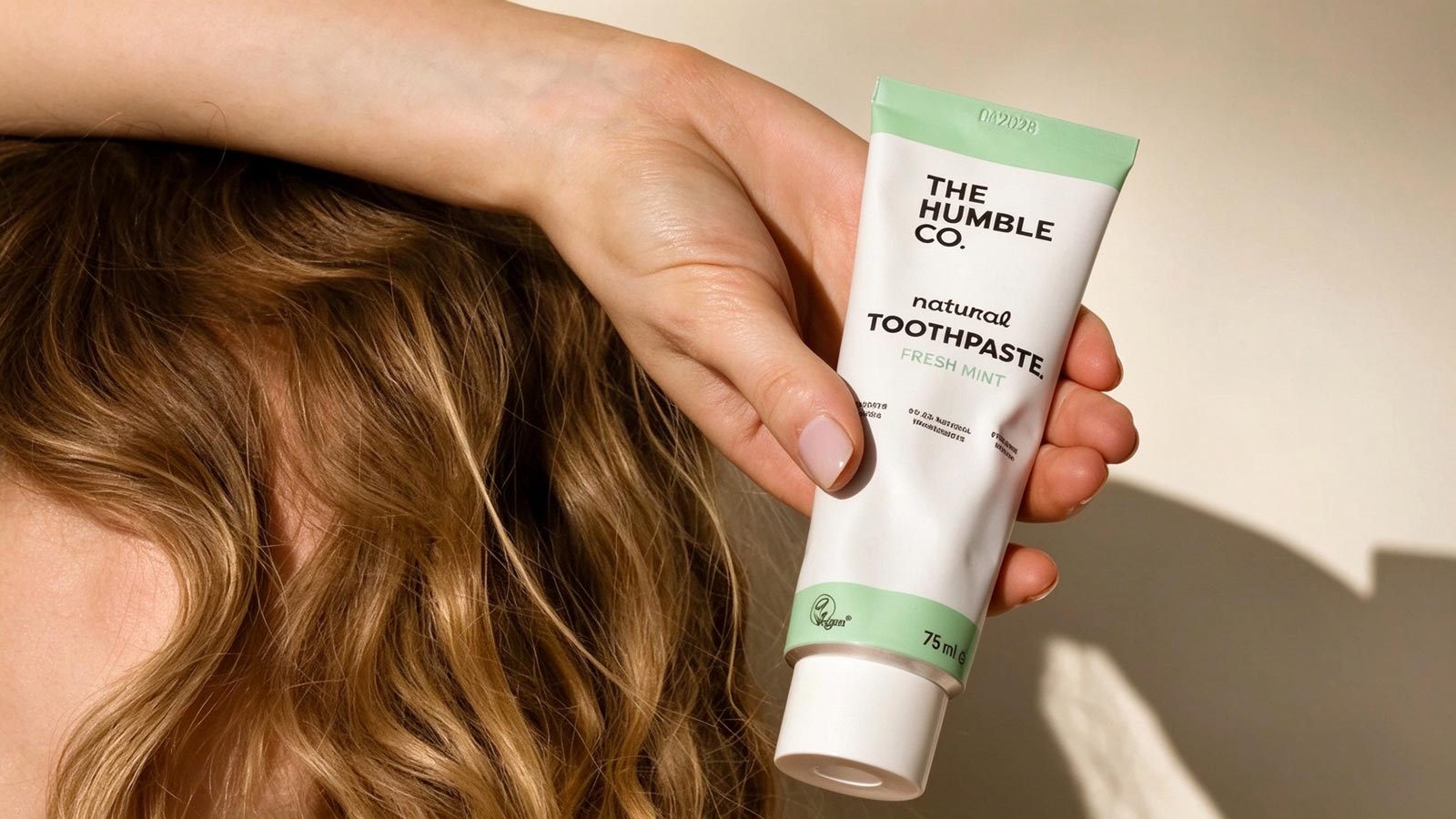
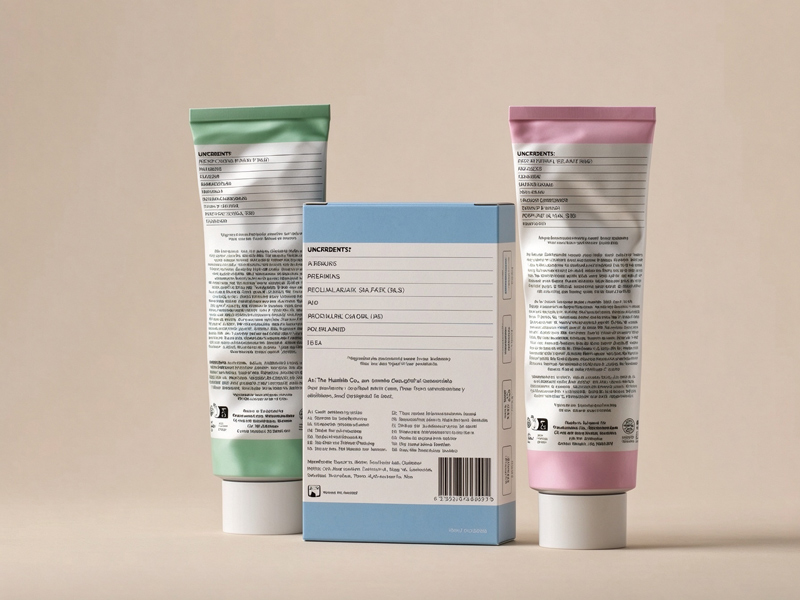
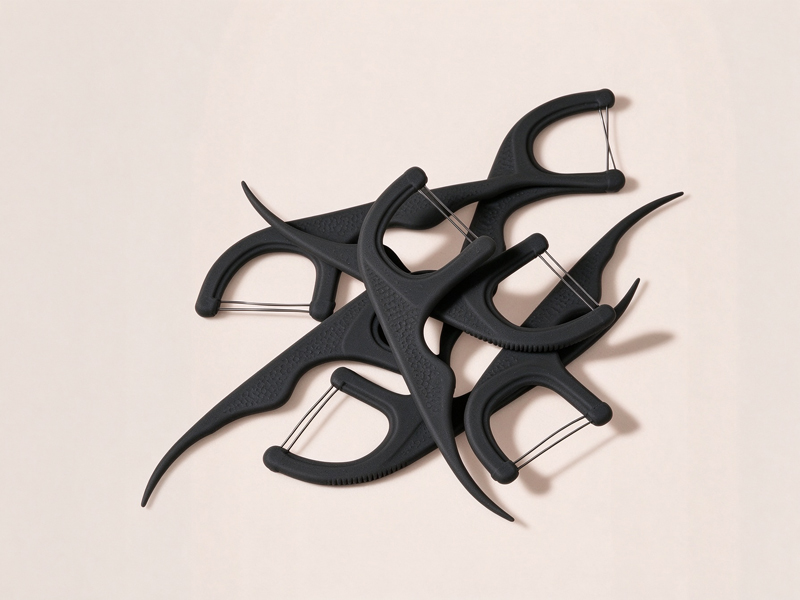
The product line holds a quiet middle position the natural aisle often misses: the toothpaste comes both ways, with and without fluoride, at about six pounds a tube. One visible customer review on the store thanks the brand for offering a zero-waste fluoride option that is notoriously hard to find — a reminder that Humble's dentist DNA targets oral health outcomes first and ideology second. Around the paste sit a charcoal floss pick at £2.99, a double-thread floss that independent reviewers rave about, a stainless tongue scraper at £4, a whitening pen at £10, and aloe-based whitening strips at £18. Routine kits — better breath, whitening, sensitive — cluster between £12 and £26. The range is deliberately utilitarian: few hero products, no devices, nothing above thirty pounds.
The last swab in the Humble cabinet
As a store, The Humble Co. is the anti-premium counterpoint on this tag: no devices, no influencer machinery, no seventy-dollar bundles — just dentist-designed basics with honest disclaimers and a donation wired into every sale. Its limits follow from the same facts: the direct store is a secondary channel to a retail empire, the catalog is intentionally sparse, and shoppers wanting advanced whitening or smart hardware must look elsewhere. But for eco-minded households building a plastic-light bathroom routine at drugstore prices, with a give-back promise that has survived an IPO, this is one of the most trustworthy shelves in oral care.