Two teachers cut puzzles in a shed for forty years
Official homepage: https://www.bigjigstoys.co.uk/
Bigjigs Toys is one of Britain's quietest toy success stories: two teachers began hand-cutting wooden jigsaw puzzles in a Kent garden shed in 1985, sold them at a weekend market stall in London, and built a family company now exporting to over one hundred countries. Forty years on, the Folkestone firm still designs its wooden toys in-house and counts its grandchildren among its toy testers. Here is our review of its online store from several angles.
Hand-Cut Puzzles Sold at a London Market Stall
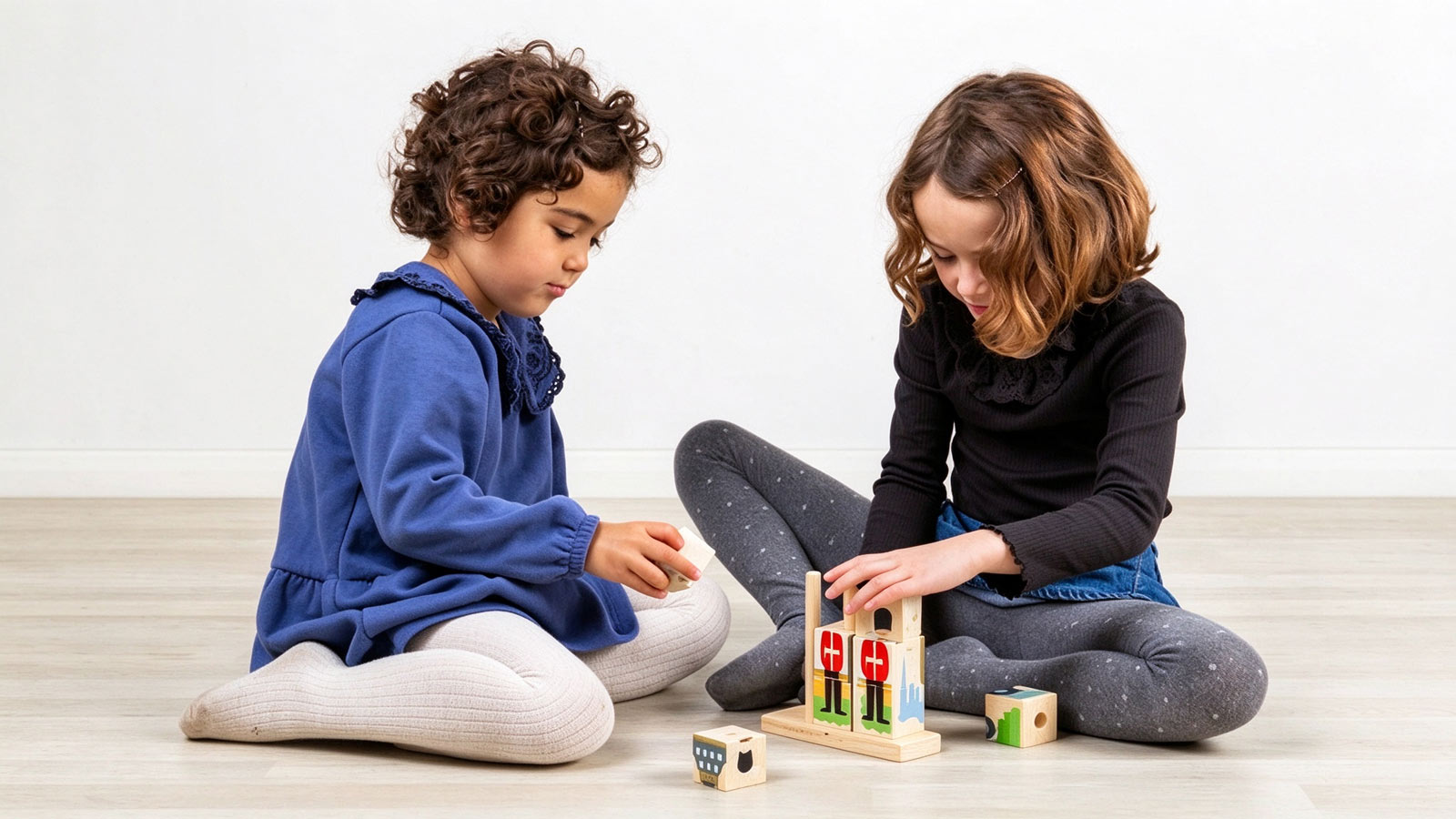
Peter and Liz Ireland were both working as teachers when they started Bigjigs in June 1985, spending their spare time hand-crafting wooden jigsaw puzzles in a garden shed in Folkestone, Kent — cutting, painting, and packing every piece themselves. Liz has recalled that in the early years the couple slept on a mattress on the floor while their sons Sam and Tom slept in the bottom of a chest of drawers, pouring every penny the puzzles earned back into the business. The only sales outlet was a weekly weekend market stall in Covent Garden, London, where customers kept asking for more than puzzles. That market feedback, gathered one wooden piece at a time, became the company's product development process — a habit of listening to buyers that the family says still governs the range today.
The Range Grew From Puzzles to a Wooden Railway
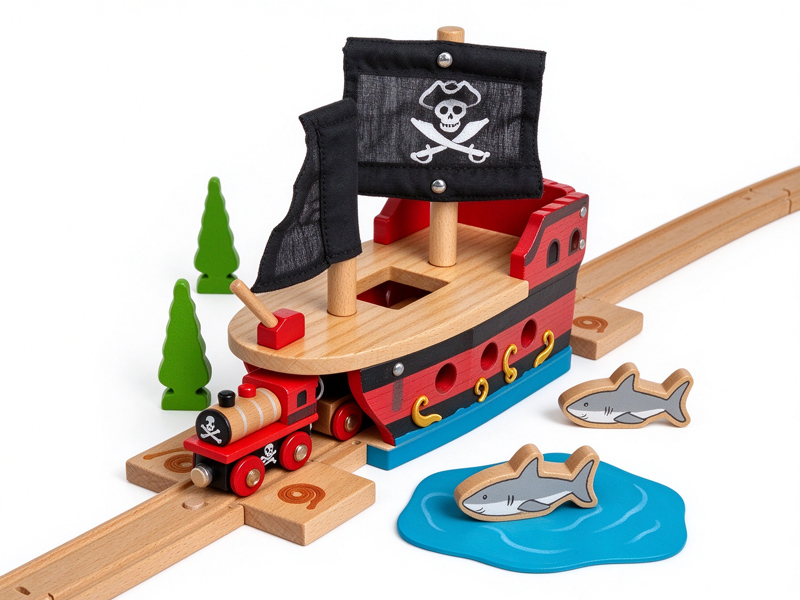
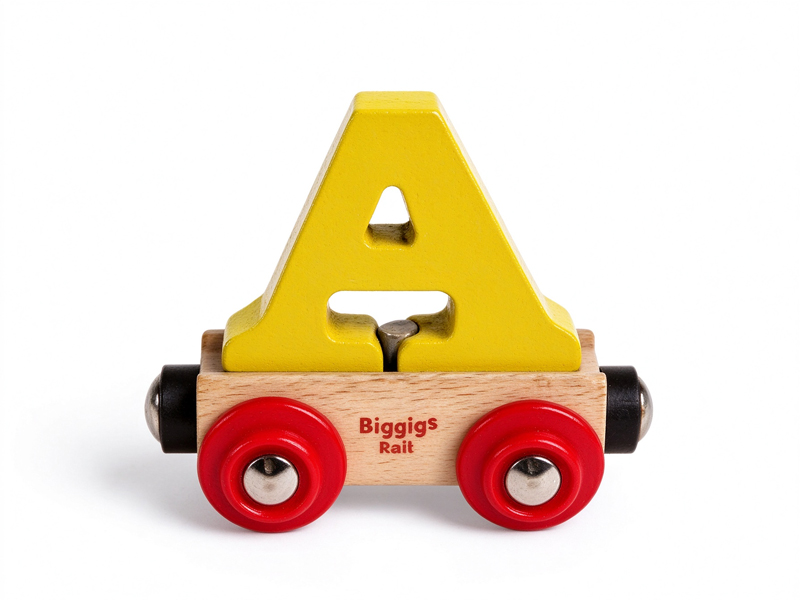
The catalog widened naturally from jigsaws into magnets, wellie pegs, pencil holders, and door plaques before landing on the product that would define the brand: Bigjigs Rail, a wooden railway system deliberately compatible with every other major wooden railway brand on the market. The rail range — track expansion packs, level crossings, buffers, and licensed locomotives — teaches the same lessons as the original puzzles: fine motor control, spatial planning, sequencing, and the storytelling that children improvise around a layout. Around the railway, the shelves filled with traditional wooden playthings: activity toys, role-play sets, musical instruments, outdoor games, and educational puzzles. In 2018 the company bought Tidlo, a renowned wooden toy manufacturer, extending the range further, and its distribution arm carries a curated portfolio of like-minded brands.
Wholesale Built the Company Before Direct Selling Arrived
For most of its life, Bigjigs was a trade business: wholesale and B2B sales to toy and gift shops across the UK and Western Europe were the company's backbone, and they remain significant. The direct-to-consumer storefront launched only in 2018 — a full thirty-three years after founding — when the family decided the time was right to sell alongside its retail partners rather than only through them. The store today carries that heritage in practical ways: trade accounts remain prominent, the wholesale catalog is deep, and shoppers effectively browse the same warehouse range that supplies independent toy shops, now with home delivery instead. Distribution runs from a 60,000-square-foot Kent warehouse, with EU offices in Utrecht and Poznań, a US arm in Grantsville, Maryland, and distributor reach into Australia, South Africa, and beyond.
Rail, Role Play, and Montessori Now Fill the Shelves
The contemporary catalog is far broader than trains. Bigjigs Rail anchors the collection with compatible wooden track at prices well below the category's premium brands. Role-play sets — kitchens, shops, and dress-up — support social and language development, while traditional games, puzzles, and pocket-money toys cover the early years. For its fortieth anniversary in 2025, the company unveiled a debut Montessori range of simple wooden toys designed for independent learning, alongside a Simply Scandi plush line, a Monster Rail range, and a bespoke London-themed collection. Across the range, the design philosophy stays consistent with the shed-era originals: responsibly sourced wood — much of it rubberwood that would otherwise be discarded after latex production — child-safe paints, and testing to European and American safety standards. The company's stated mission remains what the market stall promised: quality, safe, affordable toys that complement childhood development through fun, exploration, and learning.
The Family Remembers Its Co-Founder This Year
In October 2026, Bigjigs published a remembrance of Peter Ireland, who co-founded the company with Liz in 1985 and died this year at eighty-one — making this review, in a small way, a look at a legacy in transition. The second generation is already well established: sons Sam and Tom became directors in 2017, running operations and product while Liz remains Managing Director, and even the third generation — grandchildren Arthur and Edith — appear in company materials as toy testers. The company celebrated forty years in 2025 with more than one hundred new products, a milestone few toy firms founded on a market stall ever reach. The continuity matters to shoppers in a concrete way: family ownership means the people answering for quality, safety, and design are the same family that cut the first puzzles.
What Parents Should Know Before Ordering From Folkestone
Bigjigs rewards shoppers who value traditional play over screens and licensing. The strengths are specific: genuine forty-year craftsmanship heritage, a family still running the business, one of the most affordable compatible wooden railway systems anywhere, safety testing to both EU and US standards, and a development-first mission that shows in the product mix. The limitations are equally specific: the store is UK-centered, so shipping and returns for international families need checking at checkout; the aesthetic is deliberately traditional, which will not excite children raised on character brands; and the direct storefront is comparatively young, with a shopping experience that is functional rather than polished. For families hunting sturdy, thoughtfully designed wooden toys that grow with a child — and for anyone who simply prefers buying from the family that still tests its own toys — this Folkestone institution is one of the most trustworthy shops in the category.