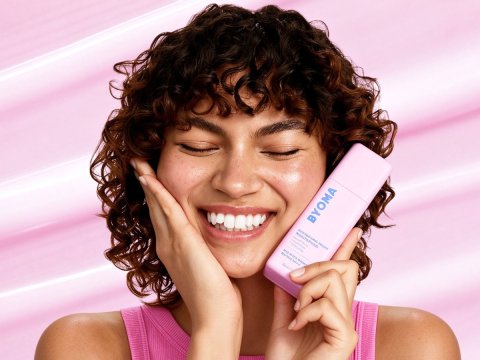
The tampon subscription that grew into gen z's skincare conscience
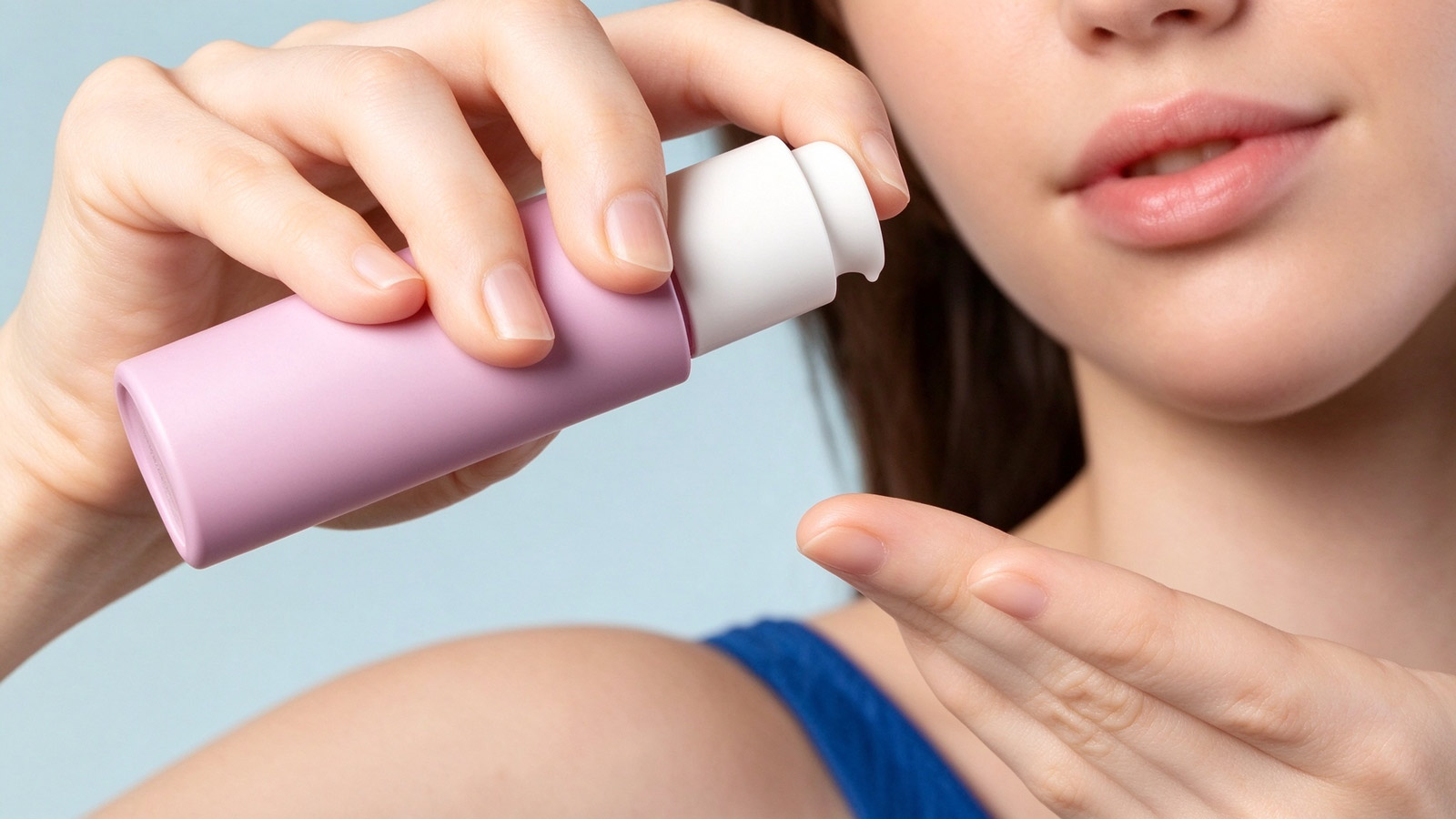
Official homepage: https://www.blume.com/
Blume began as an organic tampon box and became something the beauty aisle had never hosted: a skincare brand built around puberty itself. Founded in Vancouver in 2018 by sisters Taran and Bunny Ghatrora, the company turned the awkward first-decade-of-womanhood experience — periods, hormonal acne, deodorant, cramps — into one clean, gentle, stigma-free catalog. Now stocked in Sephora, Ulta, and Nordstrom with more than half a million customers, here is our review of its store.
A PCOS Diagnosis and a Law Degree Intersected
The company behind Blume started with pain, plural. Bunny Ghatrora spent years with extremely painful periods before doctors finally diagnosed polycystic ovary syndrome — a condition she felt had been brushed under the rug — while her sister Taran was in law school studying menstrual stigma as a barrier to women's advancement around the world. In 2016 the sisters launched Ellebox, an organic tampon subscription box with self-care extras, and the customers taught them the real business. Thousands of pre-teen girls and their mothers wrote in saying the monthly box had opened conversations they had never been able to have; an Ellebox survey of 1,000 customers found that 60 percent of teens could pinpoint their self-esteem plummeting around puberty, and 68 percent felt unprepared for their first period. The sisters concluded the whole fragmented experience — first period, first breakout, first deodorant — needed a single go-to brand, and in June 2018 they rebranded entirely as Blume, retiring the subscription model for a focused product line of their own making.
The Rebrand Listened Before It Ever Formulated
What distinguished the 2018 launch was that the products were crowd-created before they existed. The founders held monthly personal phone calls with their most engaged customers, ran focus groups across cities and age demographics, and sent samples of formulas in progress — asking the community to weigh in on scent, texture, and even naming. The first lineup said everything about the thesis: organic all-cotton tampons and pads at $11 for sixteen, a paraben-free acne-fighting face wash called Day Dreamer, an aluminum-free deodorant called Hug Me, an all-natural acne treatment called Meltdown, and an essential-oil roller for period cramps called Cloud 9. Every product answered a request the Ellebox community had repeated for years — an acne treatment that would not peel or scar under makeup, a cramp remedy that was not a pill — and the playful naming convention made the category feel like self-care rather than medicine.
Crowd-Created Formulas Beat Focus-Group Guesswork
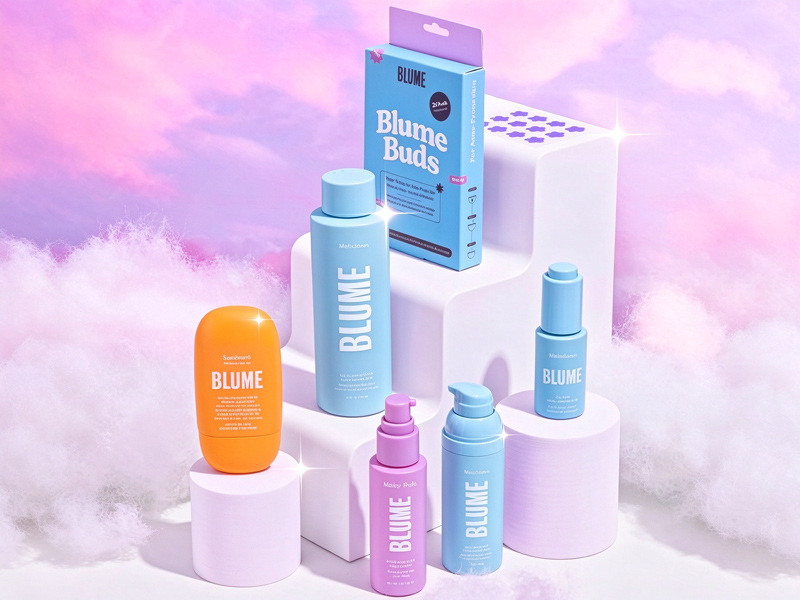
The community machinery hardened into infrastructure. Blumetopia, the loyalty program, awards points for purchases and engagement, and top members are invited into a private community group with early access to samples — a feedback loop that still shapes launches, from the best-selling Blume Buds power patches to the ceramide-packed blue gel moisturizer. The formulations follow the same listening discipline: vegan, cruelty-free, free of parabens, sulfates, and synthetic fragrance, derm-tested for sensitive and acne-prone skin, and developed with North American labs that prioritize formula over expensive packaging to keep prices accessible. The hero product, Meltdown Acne Oil at $28, mixes non-comedogenic rosehip, blue tansy, tamanu, and black cumin seed and can be used as a spot treatment or blended into moisturizer. Certification followed the same path — Clean at Sephora, Conscious Beauty at Ulta — giving the retail presence third-party validation rather than self-declared claims.
From Direct Site to Sephora's Conscious Beauty Shelf
The channel strategy inverted the typical indie-beauty sequence: Blume stayed direct-to-consumer long enough to build the community, then took its credentials to prestige retail. By 2025 the brand was projecting $5 to $8 million in full-year revenue with roughly 1,800 offline distribution points, stocked at Sephora, Ulta Beauty, and Nordstrom, with Amazon as a secondary channel. Funding reflected the same pragmatism: a roughly $250,000 round in 2018, backing from female-led funds including The51, Maveron, and Felicis Ventures, and later non-dilutive capital from Clearco to scale inventory and digital marketing without surrendering equity — a choice co-founder Bunny publicly framed as founder-protective. The customer base passed 500,000, and the brand's Gen Z focus stayed explicit: Taran Ghatrora's thesis, quoted in industry profiles, is that legacy giants are simply not what girls relate to, and Blume is the only brand serving that audience cohesively across commerce and content.

Blume University Sells Education Alongside Serum
The most unusual shelf in the store is not a product. Early on, Blume launched a medically accurate, comprehensive sex-ed curriculum — Blume University — covering puberty, periods, sexual health, and confidence, extending the Ellebox insight that products were only half the conversation. A portion of every sale funds Days for Girls, the nonprofit expanding menstrual-health education and access in more than 140 countries, so a purchase of Buds power patches or Hug Me deodorant carries a giving mechanism baked into the unit economics. Marketing walks the same line: unretouched imagery, never photoshopped, showing real skin with real spots, explicitly promoting healthy skin over perfect skin. The community feedback loop, the education platform, and the donation commitment are not side projects — they are the retention engine that keeps a young customer base inside the brand as they age out of the original tween positioning.
Our Final Word on Puberty's Unembarrassed Brand
What blume.com sells is coherence: skincare, period care, and deodorant in one voice, at tween-accessible prices, with the reassurance credentials parents look for and the unembarrassed tone teens actually respond to. The honest caveats are equally clear. Revenue scale — under $10 million — is modest next to the patch and sunscreen giants reviewed elsewhere on this site, and the company depends heavily on its founding story and community goodwill rather than proprietary technology; gentle natural formulas, however well-chosen, compete in the most crowded corner of clean beauty. The tween-to-teen focus that is the brand's strength also caps its ceiling as customers' skin concerns mature into actives and anti-aging. For its intended audience, though — a thirteen-year-old building a first routine, or her mother shopping alongside — this store remains the rare brand that treats puberty as something to be proud of rather than survived.