The carpenter who reinvented the backpack in a glendale garage
Official homepage: https://www.kelty.com/
Kelty is one of the oldest names on this list — in 1952, carpenter Asher "Dick" Kelty and his wife Nena built the first civilian aluminum-frame backpack in a Glendale, California garage, and backpacking has never been the same since. More than half a century later, the brand that once trekked to Antarctica with a National Geographic expedition now rides in the trunk of millions of family cars at remarkably friendly prices. That long arc — from a single invention to a household name — makes Kelty a fascinating shop to review. In this article, we look at how the company started, what its gear is actually like today, who it serves best, and whether the legacy still justifies a visit to its online store.
A Carpenter's Garage in California Gave Birth to Modern Backpacking
In 1952, Dick Kelty was a working carpenter in Southern California, spending his weekdays building houses and his weekends walking into the mountains with a pack that punished him every step of the way. The standard Scout-style canvas rucksacks of the era had no frame at all — everything hung off two shoulder straps, and a heavy load meant sore shoulders and a bent back by the end of the day. Convinced there had to be a better way, Dick began tinkering in his home garage in Glendale, sketching a frame that would stand off the back and carry weight on the hips instead. His wife Nena became the operation's seamstress, stitching pack bodies from surplus WWII parachute fabric — light, tough, and cheap enough for a young couple bootstrapping a business. The early packs were full of the same make-do ingenuity: thick wool carpeting cut into shoulder pads to ease pressure points, military surplus nylon for the body panels, aircraft-grade aluminum bent into a contoured frame, and clevis pins standing in for finicky knots. Out of that garage came two inventions that now define virtually every hiking pack on Earth: the contoured external aluminum frame and the padded, weight-bearing hip belt. It is hard to overstate how radical this was — before Kelty, no civilian had ever been offered a pack engineered around the human skeleton rather than the army surplus bin.
Twenty-Nine Packs at Twenty-Four Dollars Each Started the Whole Company
In the first year, Kelty hand-sold just 29 packs at $24 each — every one assembled in the garage and often delivered personally. The number looks trivial on paper, but the design sold itself: people put one on, felt the weight drop from their shoulders to their hips, and told their hiking friends. Demand proved the concept almost immediately. Sales climbed to 90 packs in 1953 and then 220 in 1954, roughly tripling every year, and by 1956 the side project had outgrown the garage and the carpentry business alike. Dick quit his trade for good, moved production into proper premises, and opened Kelty's first retail store in an old barbershop in Glendale — a fittingly humble birthplace for a company that would redefine how the world carries gear outdoors. By the end of the decade, the packs were appearing on trails across the American West, and competitors were scrambling to copy the frame-and-belt formula that Kelty had patented. Few outdoor brands can point to a single decade in which they invented a product category, proved it commercially, and forced an entire industry to follow — Kelty did all three before most of today's gear giants existed.
A National Geographic Antarctic Expedition Carried the Brand to the World Stage
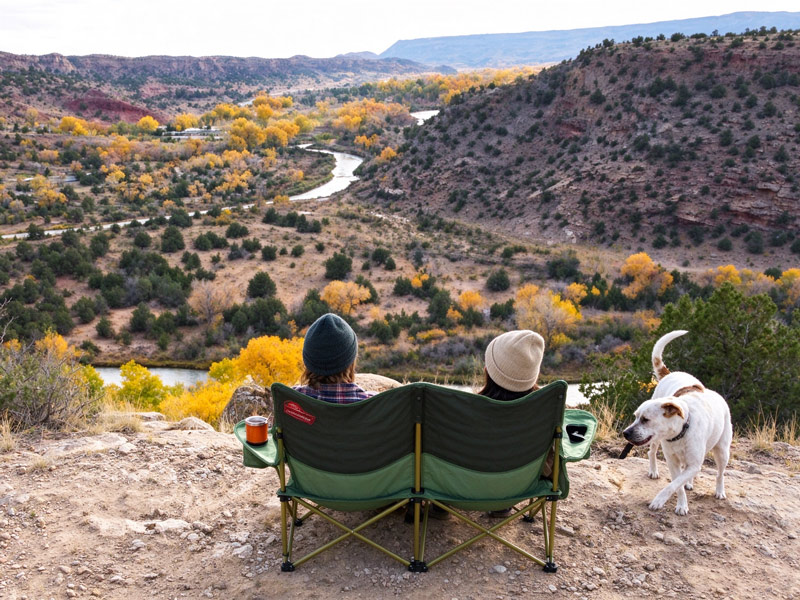
Validation arrived from the top of the adventure world in 1966, when a National Geographic Society expedition carried Kelty packs to Antarctica — a garage-built California brand standing on a world stage for the first time, trusted in the harshest environment on the planet. The momentum only grew from there. Through the following decades the packs kept showing up everywhere, from serious expeditions to the flanks of major peaks to an entirely different kind of exposure: Kelty gear appeared on the 1970s American TV series Land of the Lost, putting the brand in front of millions of living rooms and making it a cultural symbol of the family camping era. The product line expanded steadily alongside the fame, with milestone designs like the 1969 BB5 pack and the company's growing range of frame styles cementing its reputation for dependable, affordable load carriers. Enthusiasts came to call Dick Kelty the "Henry Ford of backpacking," a nod to the way he had taken an elitist, painful activity and engineered it into something an ordinary family could enjoy. That reputation — earned one expedition, one trailhead, and one television appearance at a time — is still the brand's most valuable asset today, even though the company building the packs has changed hands many times.
Ownership Changed Hands Several Times Before the Brand Landed in Colorado
In 1972, Dick Kelty sold the company to CML Inc. — the first of several ownership changes that would carry the brand through the decades. Over the years, Kelty passed between outdoor groups and holding companies, each reshaping the catalog and the business slightly, until it eventually landed under Exxel Outdoors, headquartered in Broomfield, Colorado, where it operates today as part of a portfolio of heritage outdoor names. For shoppers, this history matters in practical ways. On the positive side, corporate ownership gave Kelty the distribution, warranty infrastructure, and retail shelf space to reach big-box stores and a national audience — the reason you can walk into almost any American outdoor retailer and find a Kelty tent. On the other hand, the family-garage intimacy that defined the early brand is long gone. Product decisions now follow market research and price tiers more than one craftsman's stubborn ideas about how a pack should carry. The founder's spirit is still honored in the marketing, and the core designs remain recognizably Kelty, but today's buyer is interacting with a modern mid-market outdoor company wearing a very authentic heritage badge.
Today's Store Focuses on Affordable Family Campouts Rather Than Ultralight Gear
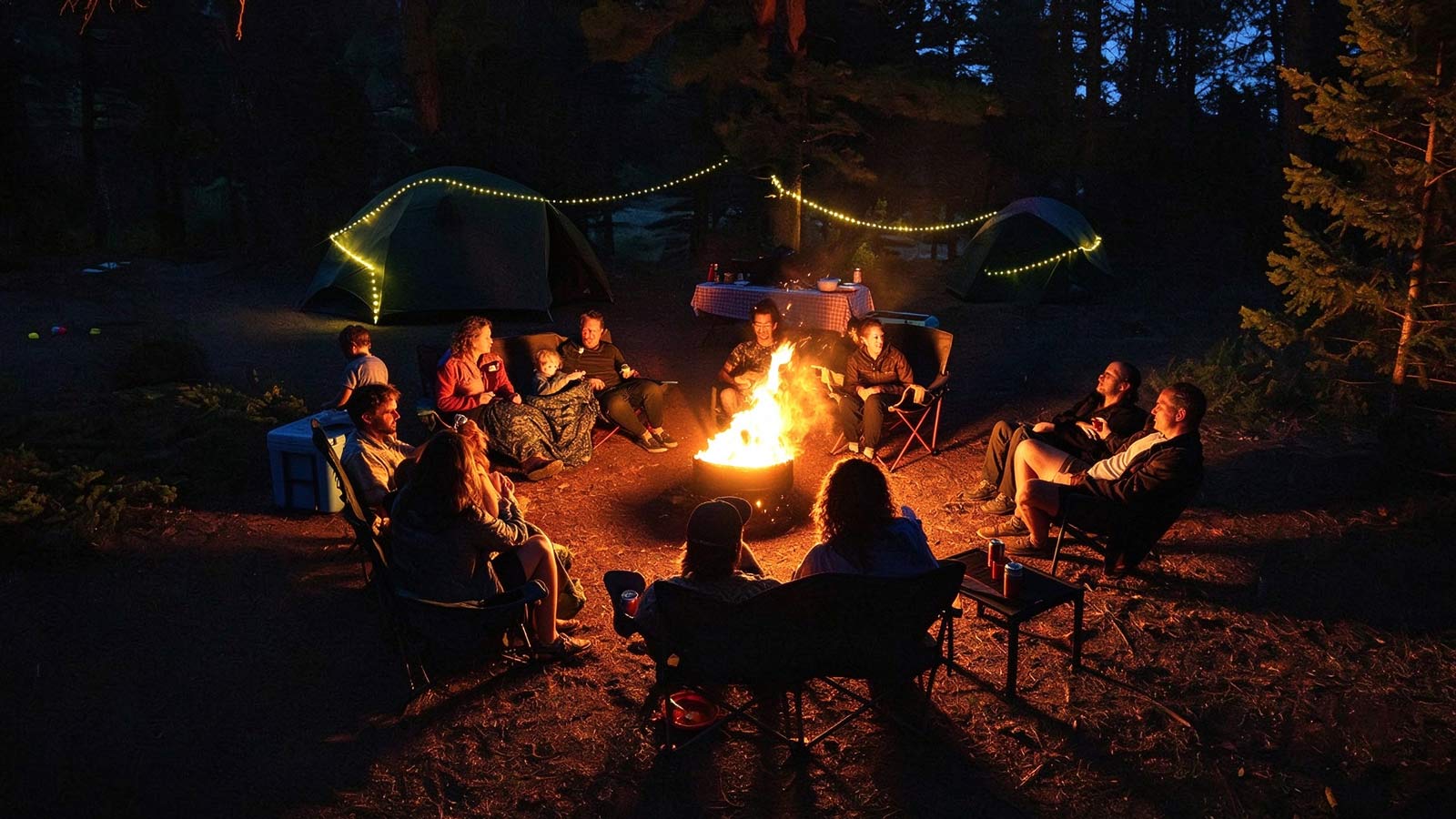
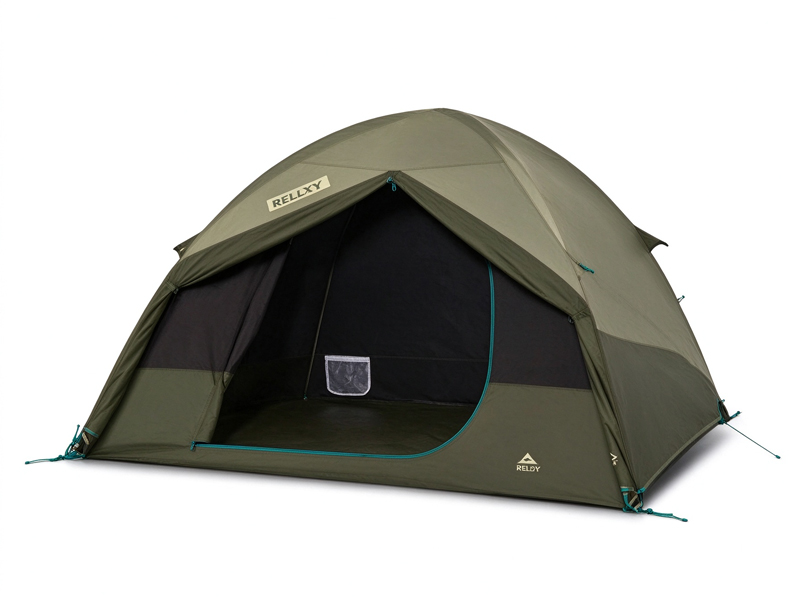
Open today's Kelty store and you won't find cutting-edge ultralight gear or fabrics with names like Dyneema — you'll find a complete "family campout" catalog: dome tents in three- and four-person sizes, rectangular sleeping bags rated for mild car-camping nights, classic external-frame and internal-frame backpacks in the 40–65 liter range, camp furniture, and a cheerful assortment of kids' camp chairs and sleeping bags. Most products sit between $50 and $200, a completely different market position from specialist brands whose single tent can cost more than an entire Kelty basecamp kit. That positioning is deliberate and, frankly, honest: Kelty aims to be the reliable first set of camping equipment a household ever buys, the gear that survives a decade of summer trips and then gets handed down. The designs favor wide doors, straightforward pole clips, and color-coded setup over gram-counting, which means a first-timer can pitch a Kelty tent in minutes without studying a manual. Warranty support and parts availability through major retailers add to the low-risk feel. If your camping ambitions involve driving to a state park rather than thru-hiking a wilderness trail, the store's assortment is arguably better tuned to you than anything the ultralight corner of the industry offers.
The Legacy Is Real Even If Modern Rivals Have Moved Further
Objectively, Kelty invented the basic form of the modern backpack — a historical status no one can take away, and one that few brands of any category can claim. But honesty requires saying the rest: facing the recent ultralight wave, the product line looks conservative. Materials sit in the mid tier, weights are unremarkable, and iteration is slow compared with cottage manufacturers pushing composite fabrics and minimalist designs. Serious backpackers counting ounces will outgrow Kelty's packs quickly, and budget tents from the line, while perfectly fine for fair-weather weekends, trail specialist brands when storms turn serious. And yet, weighed as what it is — an entry-level, family-oriented store with seventy years of engineering DNA and honest pricing — Kelty still deserves a stop from any family preparing for a first camping trip. Seven decades of functional design and friendly prices add up to strong entry-level value, the warranty support is real, and the story behind the badge is one of the best in the entire outdoor industry. As a cornerstone of camping culture, Kelty deserves to be known; as a store, it serves its chosen audience very well indeed.