Stirling: the soap company named after a view from a scottish hilltop
Official homepage: https://stirlingsoap.com
Stirling Soap Company is the wet-shaving community's conscience — an Arkansas artisan that sells ninety-plus scented shave soaps for fifteen dollars, mails a surprise freebie in every order, and roasts its own coffee on the side. Its founder was an Army veteran finishing his graduate thesis in radiation physics when a Scottish vacation and a tree on a monument changed his trajectory. This review traces the hilltop, the master-bedroom factory, and the pricing doctrine its founder calls bad business.
Radiation physics, the Army, and a master bedroom factory
Roderick Lovan spent twelve years on active duty in the Army while earning a graduate degree in radiation health physics, with every intention of joining the nuclear industry. Somewhere between duty stations he started making soap as a hobby, and somewhere between lab assignments the hobby became the plan — as he told his high school's alumni board, he realized he would rather take the risk of building a business from scratch than take orders from someone else again. In 2014 the Lovans left Fort Hood's orbit for rural Arkansas and ran the entire company from their master bedroom in Booneville, a town of a few thousand people on South Broadway. The location was strategy: rural Arkansas rents gave them a very large production space for next to nothing, and proximity to agricultural supply chains let them buy raw materials in bulk quantities that insulate them from price swings. A soap company built like a supply-chain thesis is exactly what the founder's other degree would predict.
The tree on the Wallace Monument
The name and the logo share one moment. Standing atop the William Wallace National Monument in 2012, looking down over the Scottish town of Stirling, the Lovans first discussed the idea of making soap — and the tree they saw from that hilltop became the logo still stamped on every green tub. The trip had stirred a craving for things natural and pure, and a little research back home produced the founding outrage: most of what American stores sell as soap is technically not soap at all by the FDA's definition, but detergent bars dressed in the word. The business statement they wrote in response still anchors the About page: you should not have to pay eight dollars a bar for real soap that is good for your skin and safe for your family.
Samples from day one, prices on principle
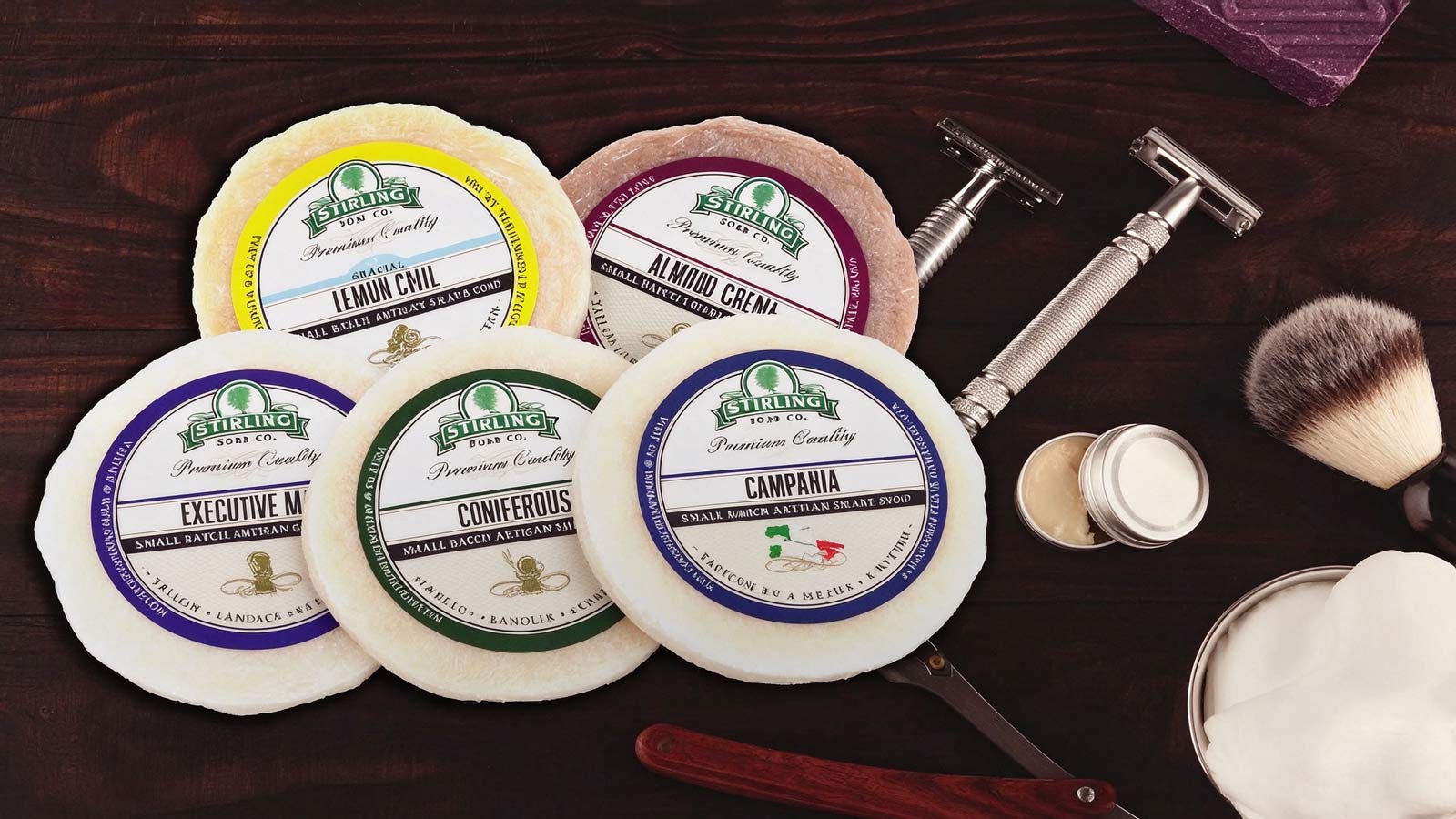
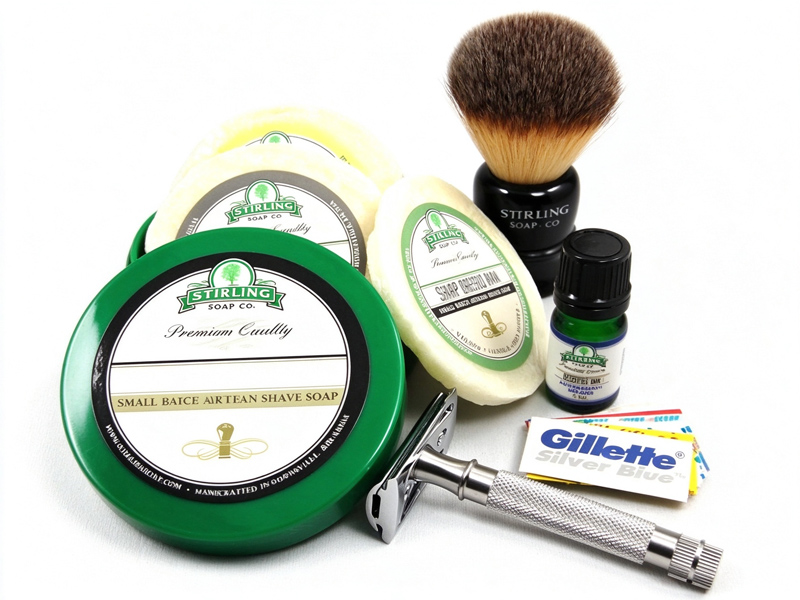
The commercial doctrine is disarmingly simple and has never changed. Prices stayed low enough that a first-time customer could gamble on an unfamiliar scent without feeling burned, and sample sizes existed from nearly day one — today a one-ounce sample runs five dollars, a refill puck eleven, and the full jar fifteen. Lovan was also early to Reddit and the wet-shaving forums, answering questions helpfully for years before and after his brand became a fixture. Asked how he sustains the pricing while artisans around him charge more, his answer is the company's identity in one sentence: 'I look at what I would be willing to pay and that is what I charge. Probably makes me a bad businessman and means I will likely never get rich doing this, but our pricing is a big driver of our success, so I am okay with that.'
Tallow, lanolin, and the mutton experiment
The formulas are old-school in the ways that matter. The flagship base is tallow and lanolin with castor oil, shea butter, coconut milk, and almond oil — an uncomplicated ingredient list a chemist's spouse can read — and the range includes mutton-tallow and beeswax variants for texture purists. What the catalog lacks in exotic ingredients it compensates in breadth: well over ninety scents, from the community-famous Executive Man to Texas on Fire, with homage dupes of designer colognes funding the niche originals the owner loves most — as he puts it, the budget blockbusters pay for the art films. The honest caveat is the flip side of breadth: with that many scents, everyone finds a few they hate, and community reviews cheerfully document the misses — one memorable thread compares a citrus blend off the puck to furniture polish, lovingly.
Bath soap outsells everything, and the freebies
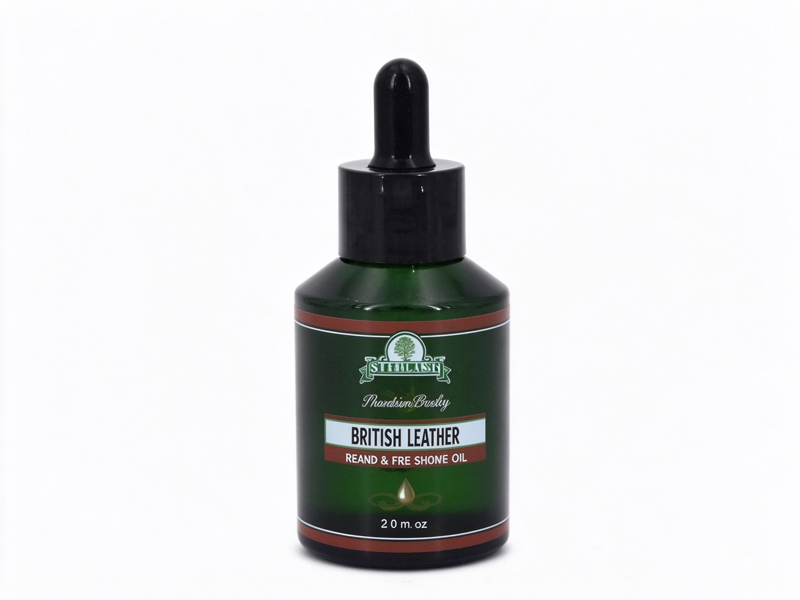
The sales charts would surprise most visitors. By the company's own accounting, bath soap outsells everything else by volume and revenue — six-ounce tallow bars at under five dollars that customers try once as the free sample tucked into every order and then refuse to shower without. Around that quiet empire sit aftershave splashes in three formulas, post-shave balms, solid colognes that sold far better than anyone predicted, shampoo bars, body lotions, lip balms, beard oil, candles and wax melts, apparel, wallets, dopp kits, hardware from razors to brushes to bowls, and — because an Arkansas soap company can — the Stirling Roastery, whose espresso roasts fuel the founder's own morning latte routine. Free shipping arrives at seventy-five dollars, and the freebie-in-every-box policy turns repeat orders into small gifts.
Splashes are old school and manly
The aftershave philosophy doubles as the brand's personality. Where most companies merged splash and balm into one SKU years ago, Stirling keeps them separate on purpose: splashes are old school, manly, they burn and they wake you up, and they carry what Lovan calls a connection to the fathers and grandfathers who slapped on a fragranced high-alcohol splash and went to conquer the day — the balm then repairs what the splash dries. Community reviews hand the format its honest scores: the alcohol splashes condition and project well, the witch-hazel versions are gentler but fade faster, and the balms run slightly greasy, so a little goes far. The eau de toilettes at twenty-five dollars earn the routine's loudest praise, with eight-to-ten-hour longevity that embarrasses designer junior lines.
The last lather of the honest soap
Stirling's store sells the most honest value in wet shaving: a fifteen-dollar tallow soap with a five-dollar sample, a freebie in every box, a founder who prices like a customer rather than a spreadsheet, and a catalog wide enough to equip the whole bathroom — coffee included. Its trade-offs are the honest ones of breadth and humility: ninety scents means roulette, the balms skew greasy, the in-house hardware is solid rather than special, and the website can overwhelm a newcomer. But for the shaver who believes the hobby should cost what it should cost, and that a soap company can be run by decent people in a small Arkansas town and still outsell the fancy brands — this is the green tub the community keeps coming back to, and the one this tag's pricing debates will orbit for years.