She fixed her own eczema, then sold a bottle every two minutes
Official homepage: https://www.peachandlily.com/
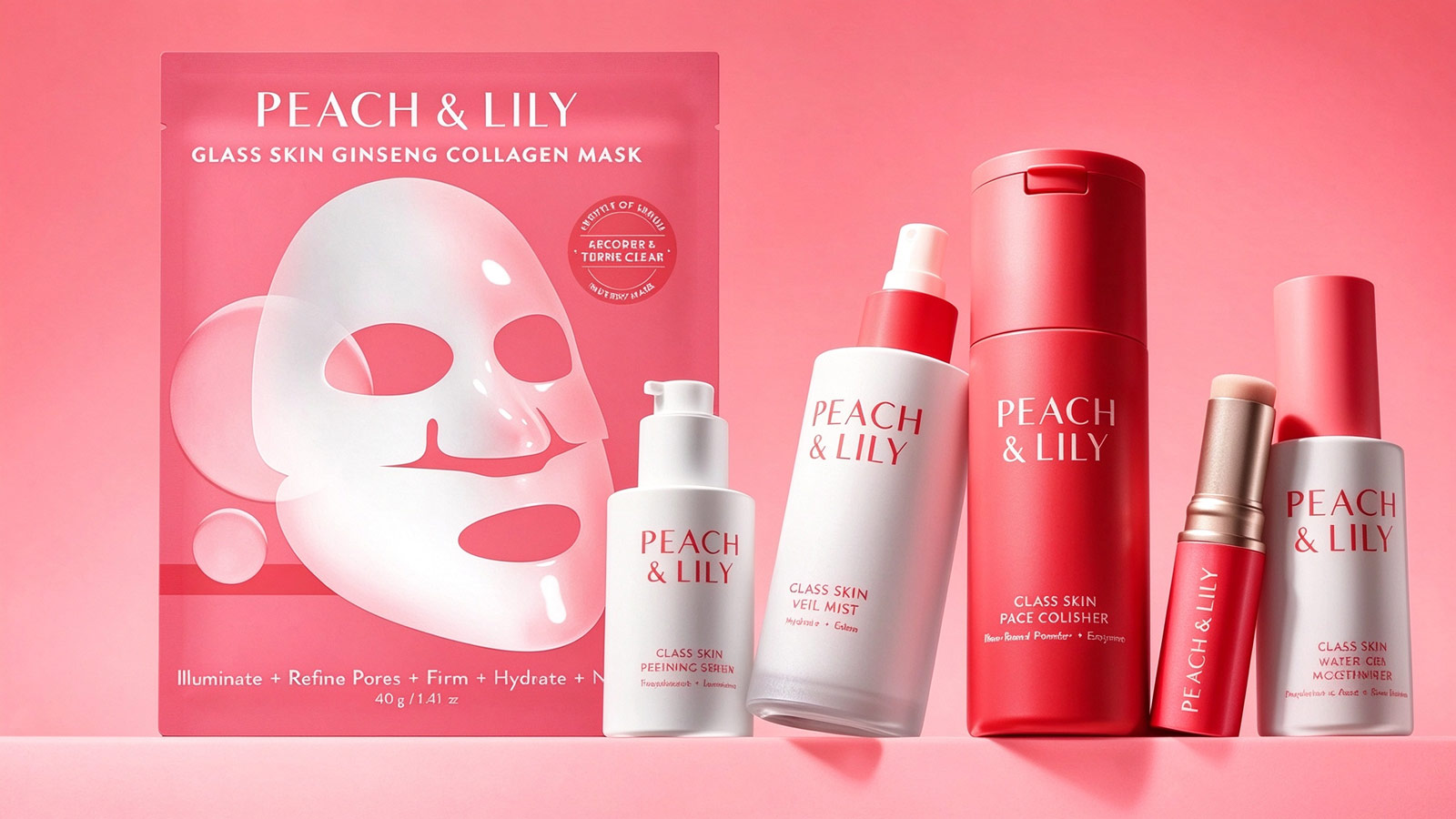
Peach & Lily is arguably the brand that turned "glass skin" from a Korean phrase into a global skincare obsession. Its founder, Alicia Yoon — a licensed esthetician trained in Korea with degrees from Columbia and Harvard Business School — built the first major K-beauty destination in the United States before launching her own formulas in 2018. One hero serum now reportedly sells every two to three minutes. Here is our review of its store from several angles.
Wall Street Credentials Met an Esthetician License
Yoon's path defies every beauty-founder stereotype. Born in Korea and raised between Seoul and New York, she suffered severe eczema throughout her childhood — severe enough that after high school she enrolled in esthetician school in Korea, determined to understand her own skin, and transformed it. She then returned to the United States for a philosophy degree at Columbia, worked at Goldman Sachs, earned an MBA at Harvard Business School, and joined the Boston Consulting Group — all while giving facials and skincare consultations on nights and weekends. In 2012 she left consulting to build the bridge she had been crossing her whole life: a destination that would make Korea's most advanced skincare accessible to American shoppers who, like her, couldn't find it beyond Los Angeles' Koreatown.
The Largest K-Beauty Curation Arrived Before the Trend
What Yoon launched in 2012 was not a brand but a highly selective retail platform — at the time the largest and most rigorous curation of Korean beauty products in the Western world, with a famously demanding vetting process for every product it stocked. This matters for understanding the store today, because the direct-to-consumer site still carries that DNA: education-first content, ingredient transparency, and complimentary skin consultations with licensed estheticians, free of charge, alongside the curated shelves. The business grew largely on community and word of mouth — the company reportedly did not run its first formal marketing campaign until December 2022 — and industry profiles attribute more than 65 percent of revenue to repeat purchases, an unusually loyal base for beauty.
Two Hundred Formulas Later Came One Serum
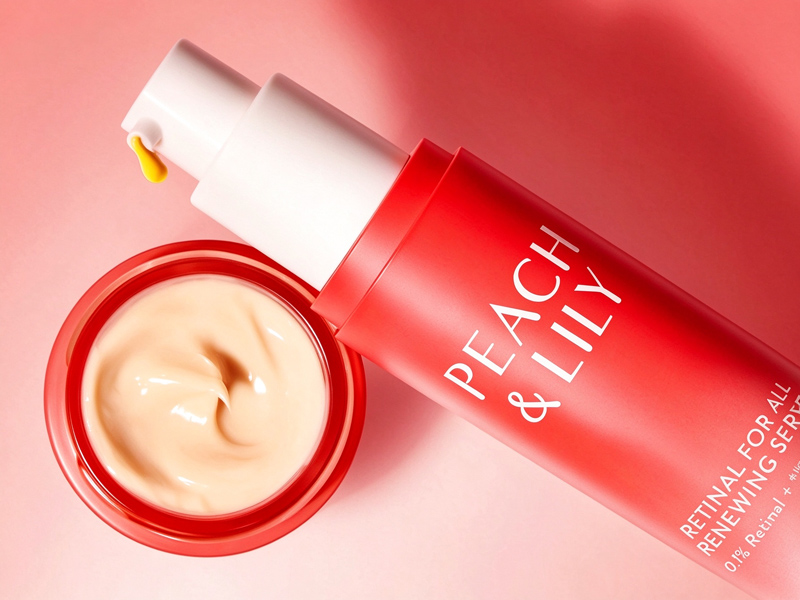
In 2018, Yoon finally turned curator into creator. The Peach & Lily Collection launched with the Glass Skin Refining Serum — and the development story explains the hype: more than two hundred formula iterations refined with a team of roughly forty chemists, blending Western power actives (peptides, AHAs, later retinoids) with soothing Korean botanicals. The launch generated a 25,000-person waitlist and over two thousand five-star reviews before most customers had even touched the product. The "100% worry-free" standard that governs the formulas is unusually strict: Leaping Bunny-certified cruelty-free, vegan, gluten-free, alcohol-free, fragrance-free, and free of more than 1,550 flagged ingredients including sulfates, parabens, dyes, mineral oil, and silicones. For a founder whose origin story is eczema, the sensitive-skin safety case is the product strategy, not a marketing layer.
One Serum Sold Every Two to Three Minutes
The retail execution of the serum launch was nearly as remarkable as the formula. Peach & Lily entered Ulta Beauty in select doors in late 2018; within six months, Ulta requested chain-wide expansion to meet demand, putting the line in nearly every US store by March 2019. Retail profiles later described the brand on track to be a top-five prestige skincare performer at Ulta, and the company neared $100 million in net sales by its fifth anniversary. The viral mechanics were real, too: the "glass skin" hashtag passed a billion views on TikTok, and the brand's own reporting puts current serum sales at one bottle every two to three minutes. In 2020, Yoon accepted her first outside money — a strategic growth investment from Sandbridge Capital, the firm behind Farfetch and The RealReal — after years of bootstrapping on her own terms.
A Drugstore Sister Brand Serves the Rest
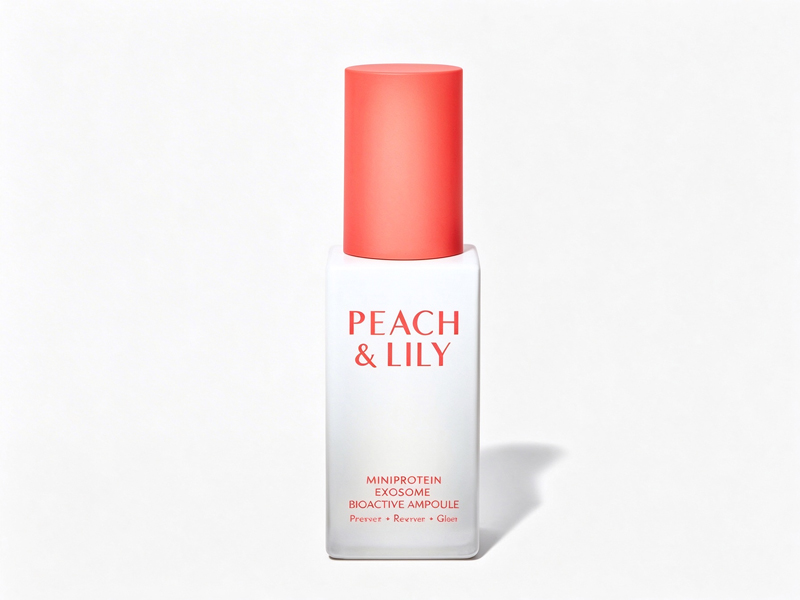
The store's two-tier architecture is one of its smartest features. Peach & Lily is the prestige line; Peach Slices is the mass-market sister brand — famous for drug-free, medical-grade hydrocolloid Acne Spot Dots priced around $4.99, along with toners and treatments for acne, rosacea, and oily skin. Peach Slices reportedly became a top-five acne brand at both Walmart and CVS, giving the company a presence from drugstore shelves to prestige counters while the direct site serves as the hub for both lines. Add in the philanthropy — Peach & Lily is one of the largest financial contributors to Restore NYC, which supports survivors of sex trafficking — and the brand's "zero compromises" claim starts to look structural rather than cosmetic.
The Store Experience Behind the Viral Term
Peach & Lily is what happens when a rigorous curator becomes a formulator without losing the rigor. The strengths are substantial: an authentically credentialed founder, a development story measured in hundreds of formulas, a safety standard that excludes 1,550-plus ingredients, retail ubiquity that makes sampling effortless, and free esthetician consultations that extend the education mission. The honest caveats: premium pricing puts a full routine in the considered-purchase range; the catalog's core philosophy centers on gentle efficacy, so shoppers chasing aggressive actives may find the line conservative; and with two brands and heavy retail presence, bundle promotions can make direct-site pricing feel variable compared with Ulta sales. For anyone who wants K-beauty's results with a clinically reassuring ingredient list — especially the eczema-prone shoppers Yoon built this for — the store remains one of the most trustworthy in the category.