Shark tank called him delusional, then his barefoot shoes ran past everyone
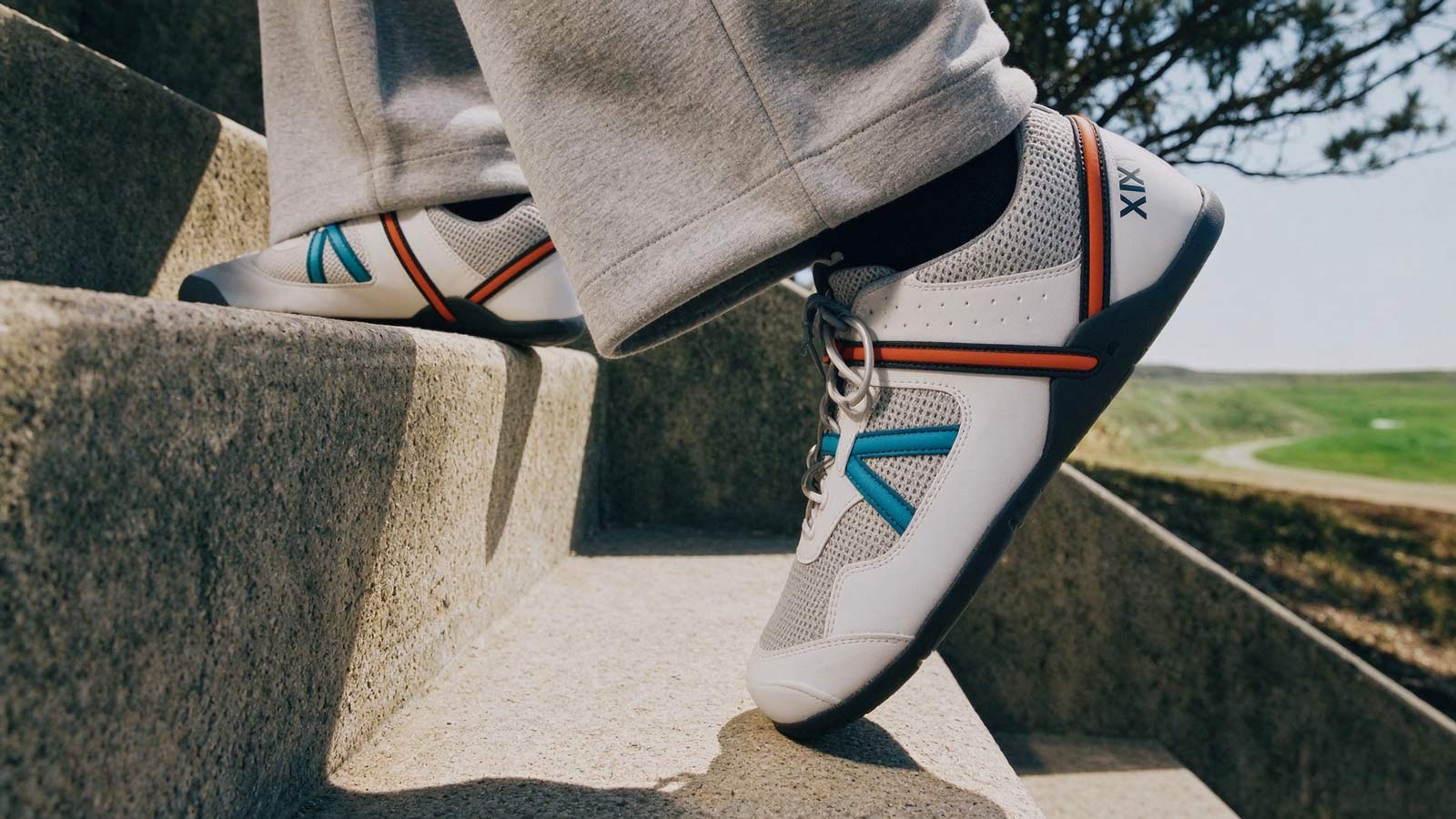
Official homepage: https://xeroshoes.com
Every footwear company claims its founder is passionate. Xero Shoes can prove its founder raced in his product — Steven Sashen, a Harvard-educated cognitive psychologist turned stand-up comedian turned internet marketer, returned to sprinting at forty-five after thirty years away, spent two years getting injured in conventional shoes, read Born to Run, fixed his form by running barefoot, and became a Masters All-American sprinter. Then he refused to give up the feeling, taught himself to make Tarahumara-style huaraches from hardware-store materials, built a website after his wife went to sleep, and launched a company from a Boulder spare bedroom. Sixteen years and one famous Shark Tank rejection later, Xero Shoes clears nearly sixty-five million dollars a year, backs every sole with a five-thousand-mile warranty, and outfits NBA players, ninety-year-olds, and everyone in between. This review measures the operation across eight dimensions.
A sprinter's injuries and a copy of Born to Run
The founding diagnosis was immediate and physical. A friend — a world champion cross-country runner, roughly as rare in Boulder as a neighbor — handed Sashen the book and suggested barefoot running to diagnose his chronic injuries. In a Boulder Barefoot Running Club class that weekend, he was so transfixed by the sensation of bare feet on ground that he ran past five kilometers without noticing — remarkable for a hundred-meter specialist whose longest run until then was about a mile, and disliked at that. Barefoot, his gait flaws hurt and good form felt good. He changed how he ran, the injuries vanished, and he went on to become one of the fastest men in his age group in America.
A website built after his wife went to bed
The solution came from ten thousand years of design and one late night. Inspired by the Tarahumara huaraches — tire scraps lashed to feet, in which the tribe ran Leadville — Sashen bought Vibram rubber and cords and made himself a pair. Runners at the club wanted their own, which became a sidewalk sandal-making party at the University of Colorado. When a barefoot-book author told him a website would earn a mention, Sashen rushed home and pitched the idea to his wife, Lena Phoenix — who called it a horrible distraction. He agreed, waited for her to go to sleep, and built the website anyway. Within three months the hobby was full-time, and Phoenix, converted, took over operations with one condition: if they were doing this, she was running it.
Kitchen table advice from Nike alumni
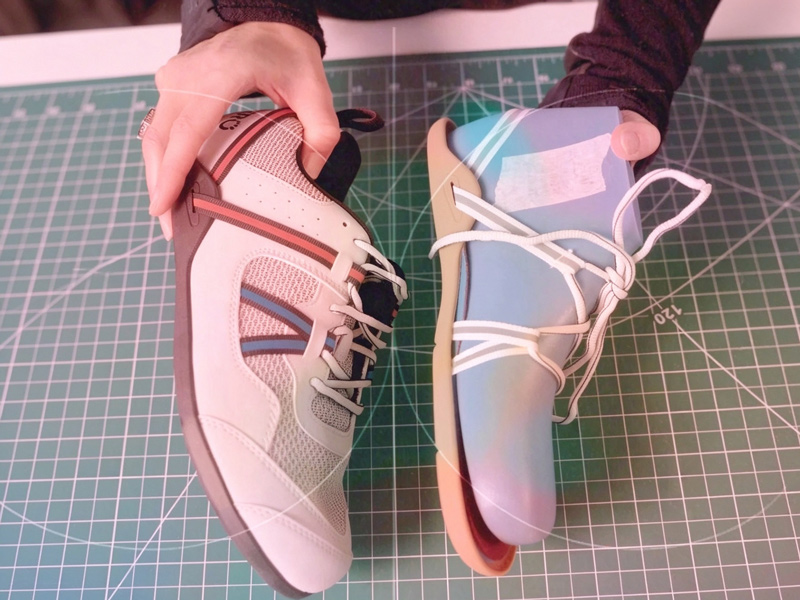
The early growth has a scene most startups never get. About eight months in — when the company was doing a few hundred thousand dollars a year — the former lead designers from Nike and Reebok were sitting at the founders' kitchen table, laying out product plans and designing the proprietary FeelTrue outsole that still anchors the range. The pattern repeated for a decade: customers told the founders what to build next, and the founders built it — trail versions, office versions, performance shoes, winter boots. The catalogue expanded in concert with the audience's life, which is why a company that started with a rubber sheet and string now sells more than sixty styles across running, trail, hiking, casual, and sport categories, with professional basketball players wearing them on NBA and WNBA courts.
Rejection on Shark Tank, growth after it
The national inflection came on television, and on the founders' terms. In February 2013, Xero Shoes appeared on Shark Tank, asking for $400,000 for eight percent of the company. Kevin O'Leary offered $400,000 for fifty percent; the founders declined, and Sashen was labeled a delusional entrepreneur for valuing the company at five million dollars. The rejection turned out to be the marketing event: the episode drove roughly three months of sales in the first week after airing. Growth then compounded — landing the company on the Inc. 5000 for six consecutive years and bringing 2023 revenue to nearly sixty-five million dollars, with eighty-seven employees, close to one hundred thousand square feet of space, and a European branch in Prague.
Sixty five million dollars of barefoot belief
The product philosophy is equal parts anatomy and defiance. Feet carry a quarter of the body's bones and joints and more nerve endings than anywhere except fingertips and lips; Xero's argument is that footwear should let them work — wide foot-shaped toe boxes, zero drop, no elevated heel, flexible thin soles that let the ground in. Sashen brings an unusual edge: a Harvard master's in cognitive psychology, a decade as a stand-up comedian, years as an internet marketer, and a willingness to call the mainstream footwear industry repugnant for selling comfort through features he says the research does not support. The marketing is anti-marketing, and it works because it arrives with receipts.
Five thousand miles of warranty promise
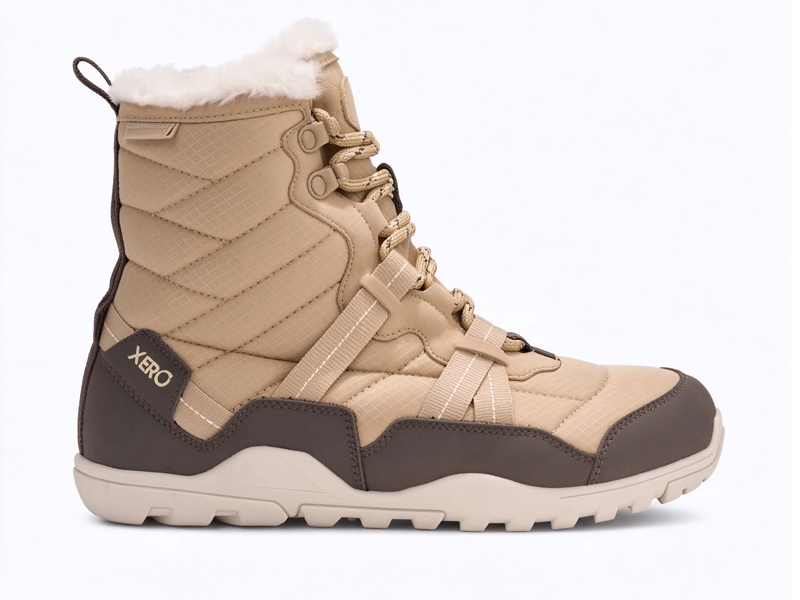
The signature commercial promise is one no competitor will match: a 5,000-mile sole warranty, honored even on performance shoes, against an industry that tells runners to replace shoes every few hundred miles. The guarantee reframes the durability conversation entirely — a Xero sole is expected to outlast the sport's advice cycle by an order of magnitude. Shopping terms are modern multi-region: separate storefronts for the United States and Europe, a country selector spanning dozens of markets, exchanges and returns through a customer happiness team reachable by phone, and final-sale exclusions kept clearly marked. A loyalty program, a second-step trade-in channel, an authorized retailer map, and a Denver flagship store round out the infrastructure.
DIY kits, sixty styles, and eighty five countries
The honest trade-off is the product itself. Minimalist shoes ask the runner's body to do the work that cushioning does in conventional footwear, and the transition — too much, too soon — is how barefoot converts get hurt and blame the shoes. Xero publishes guidance on easing in and tells customers their feet may complain before they adapt, but the category's learning curve is real, and runners who want plush protection will find the whole premise alien. The other caveat is fit by correspondence: the wide toe boxes and thin soles fit foot shapes that conventional brands ignore, but sizing quirks reward using the fit guides, and final-sale pairs are, as everywhere, final.
Who should feel the world
Xero Shoes in 2026 is for a specific runner: the injured veteran of conventional shoes ready to ask whether the cushioning was the problem; the minimalist purist who wants a trail shoe, a race flat, and a winter boot from one company; the customer who votes with company stories and prefers a $400,000 rejection to a $50 million acquisition; and the sprinter of any age who suspects speed was never about the shoes. For that runner, Xero offers a package the industry cannot assemble — a founder who races in his product, a five-thousand-mile warranty, a sixty-style catalogue built from customer demands, and a media legend in which the shark lost. It is less suited to the runner who wants foam, stability posts, and zero learning curve: the shoes are honest, and honesty has a ramp. But when a man reads about a tribe that runs hundred-mile races in tire sandals, builds a high-tech version in his spare bedroom, and spends the next sixteen years outrunning an industry that called him delusional, the proof is not in the marketing. It is on the track.