Phoenix artisan: where every shave soap comes with a novella
Official homepage: https://phoenixshaving.com
Phoenix Artisan Accoutrements is the wet-shaving store that treats every product page as a short story. Founded in Phoenix by two East Coast artisans fleeing the cold — Douglas Smythe of How to Grow a Mustache and Frances Towle of Petal Pusher Fancies — it became one of America's first artisan soapmakers, built an award-adjacent reputation on exotic butters, and buried its signature scent legend inside a Spanish word for 'finally.' Along the way it survived an ingredient-label controversy its founder still argues was misunderstood. This review examines the rebirth, the butter thesis, and the prose.
Two artisan brands burned down into one phoenix
The company's history begins with two previous lives. Douglas Smythe ran How to Grow a Mustache, one of the early internet's beloved wet-shaving destinations, and Frances Towle owned Petal Pusher Fancies, an artisan soap company of her own. They left the cold, wet East Coast for the dry desert of central Arizona around 2012, chose the phoenix as their mascot — rising from the ashes, a fresh start — and merged their crafts into Phoenix Artisan Accoutrements. Smythe numbers the company among the first five American artisan soapmakers, and the pair co-founded the Big Shave West, an annual gathering that pulls shavers, artisans, retailers, and wet-shaving YouTubers into one room. The origin story is not marketing copy; the community that built modern wet shaving watched it happen.
Bacuri, murumuru, cupuaçu: the butter thesis
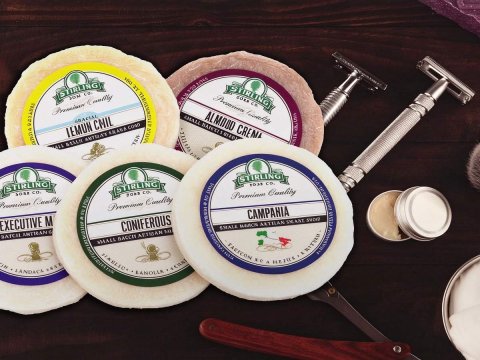
The formula philosophy is a deliberate provocation. Asked about the CK-6 base he spent years perfecting, Smythe describes a rabbit hole of what makes soap feel good — and exotic butters most artisans had never heard of at the time: bacuri, murumuru, cupuaçu, joined by kokum, cocoa, and shea. His stated aim was to end the forum argument that tallow soap is inherently superior to everything else, and independent reviewers concede the performance case: the vegan CK-6 is widely counted among the best lathering bases in the hobby. The store sells the thesis in two tiers — the original formula at $14.95 for four ounces, and CK-6 at $24.95 for five — so buyers can test the butter premium against their wallet.
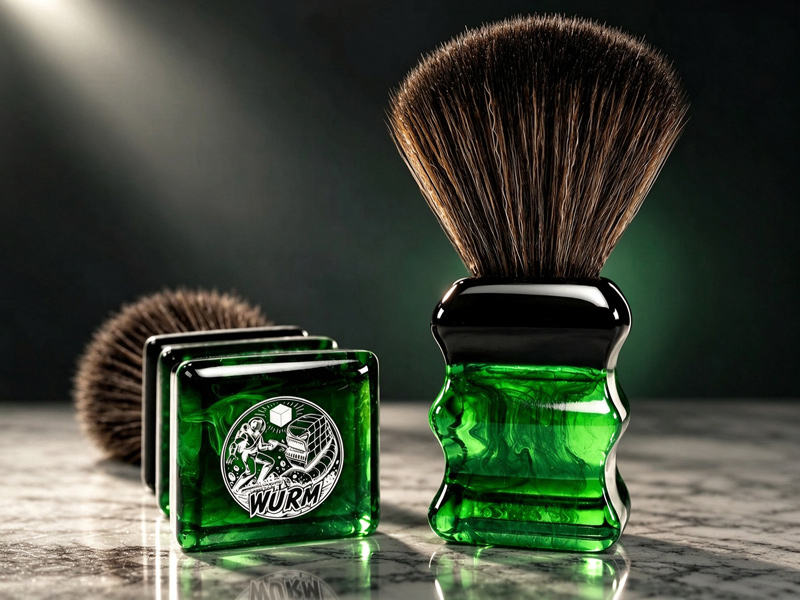
'Al Fin': the scent that named itself
The brand's most famous creation carries its origin inside its name. After months of blending and failure, Smythe finally hit the accord he had been chasing and said the word out loud: 'Al fin' — Spanish for 'at last' or 'finally.' The legend the company built around the scent is deliberately mythic: dreams of mythical beasts, ancient knowledge, Etta James on a car radio at a drive-in, a meteor shower over a warm beach. The copy should not work; it does. A similar logic runs through the Doppelgänger line, which resurrects discontinued designer fragrances as shaving scents — a tribute series the community praises as often as the originals, sometimes more.
Product pages that read like short fiction
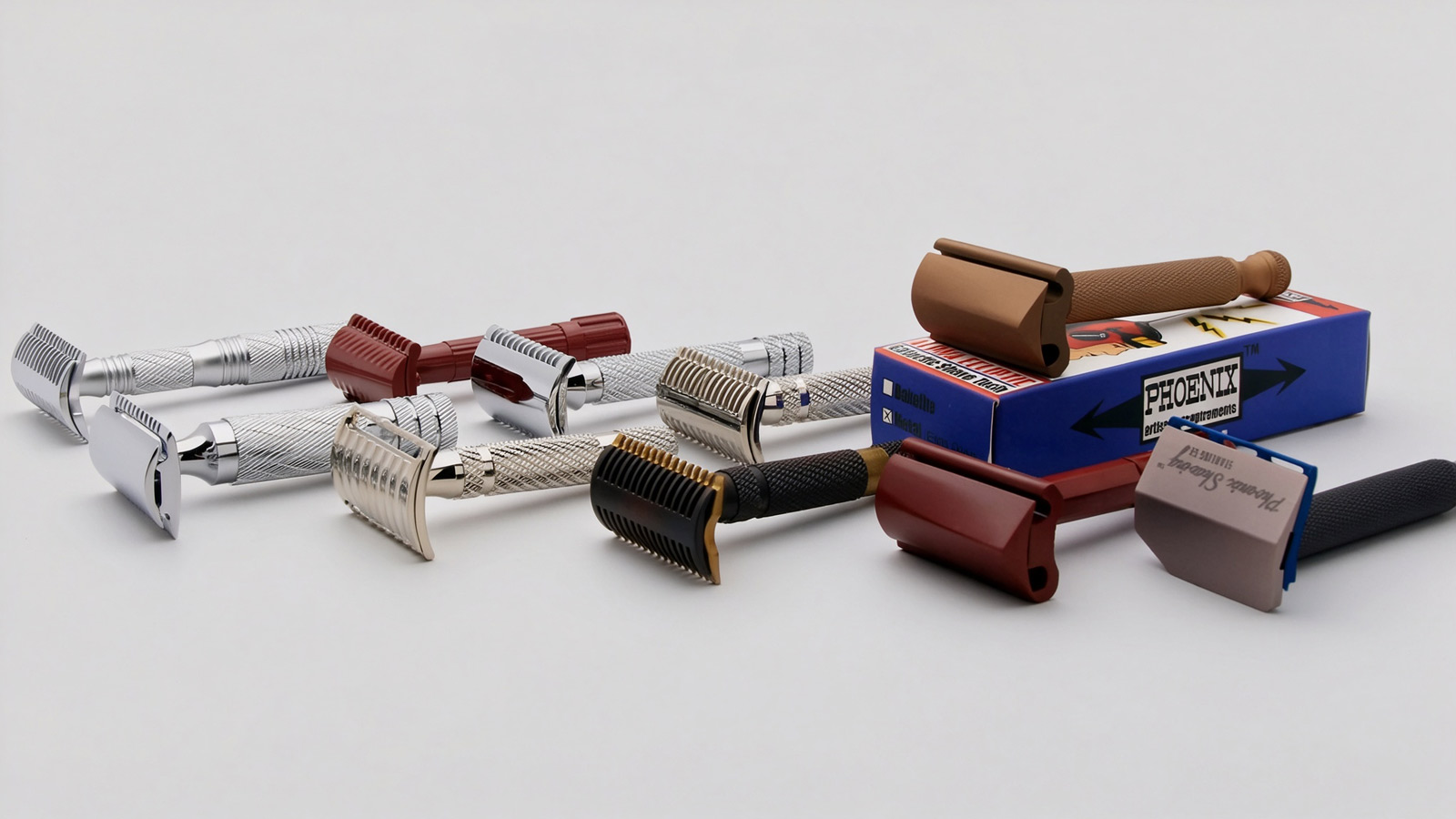
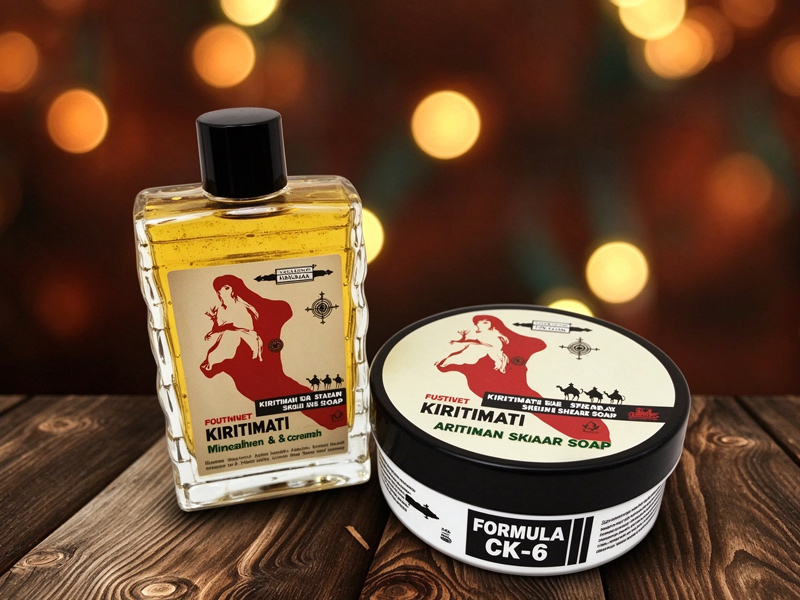
Where competitors write bullet points, Phoenix Artisan writes chapters. The product page for Fresco opens with a 1991 memory: a fifteen-year-old paperboy in a CVS at Christmas, his eyes catching the glint of an Old Spice gift set, love at first sniff of the blue 'Fresh Scent' decanter — a several-paragraph origin story for an aromatic fougère. Every seasonal release arrives with lore of its own, from Atomic Apple Pecan Pie to the holiday Kiritimati bay rum, and bundles pair soap with matching aftershave at a small discount with limited-edition holographic labels for the first fifty buyers. Around the prose sits a genuinely complete catalog: CK-6 soaps, Star Jelly aftershave, CUBE 2.0 preshave bars, Monster Slant razors, a Chill Mill menthol grinder, scuttles and brushes, fine fragrances, bath and body, beard care, gift cards, and a samples program — with free continental shipping at seventy-five dollars.
The mislabeled tin and the EU certification
The honest ledger includes the controversy the founder still disputes. Early tins listed ingredients out of order — every ingredient was actually in the soap, Smythe explains, but the label error was caught and corrected weeks before a Badger and Blade user bought an old used tin, posted about it, and a thread hardened into accusations of lying about what was inside. His rebuttal is procedural: the company was, he says, the first American artisan soapmaker to earn EU certification, a process that would have surfaced any real ingredient problem, and the affair cost him his standing in the forum where the community he helped build still argues his case and its opposite. The buyer's takeaway is simpler: the formulas have been EU-validated for years, the owner is persona non grata in parts of his own community, and the polarized reputation survives a decade on.
Thirsty soaps and limited-edition labels
The user consensus is equally specific. Phoenix Artisan soaps are thirsty — they demand more water than most to reach their best lather, a trait veterans call out in the same breath as they praise the result — and the scents can run over the top, though the intensity, fans note, rinses away and softens under aftershave. Community top-ten lists lean toward the Doppelgänger homages and classics like Atomic Age Bay Rum, and bundles with rotating limited-edition labels keep collectors hunting. Distribution runs deep through third-party artisans' retailers at home and in Europe, and the company still shows up to the events it co-founded. For the patient latherer who reads product copy for pleasure, the catalog is a library; for the minimalist, it is a maze — and the sample program is the correct entrance either way.
The last lather of the desert workshop
Phoenix Artisan's store sells the most literary shave on this tag: formulas built on rainforest butters, legends poured into every tin, and a catalog deep enough to get lost in. Its trade-offs are inseparable from its charm: the soaps demand water and patience, the scents announce themselves, the limited editions never stop coming, and the founder's decade-old forum feud still shadows the brand he built. But for the wet shaver who believes a morning ritual deserves a story — and who wants EU-certified vegan formulas underneath the narrative — this is the desert workshop where craft and prose finally met, al fin.