Layrite: your hair lays right, said one customer, and a brand was born
Official homepage: https://layrite.com
Layrite is the founding father of the modern pomade aisle. In 1999, Costa Mesa barber Donnie Hawley set out to fix the one flaw of the greasy classics — they held like armor but washed out never — and cooked up the water-based formula an entire category now takes for granted. The brand's name came not from a marketing firm but from a client whose offhand compliment became its promise. Twenty-six years on, Layrite still sells through barbershops, still prints its slogan on every jar, and still competes at both Walmart and boutique shelves. This review examines the invention, the Band of Barbers, and the honest gripes of a water-based world.
Hawleywood's and the greasers of 1999
Donnie Hawley built Layrite inside his own shop: Hawleywood's Barbershop in Costa Mesa, California, a temple of what the trade calls real men's grooming of the 1940s — classic haircuts, straight-razor shaves with hot towels, even shoe polish while you wait. The clientele was the SoCal rockabilly and greaser scene, men who needed a pompadour to survive a motorcycle ride, and the products were developed the way barber brands should be: tested on real clients during real appointments until they performed under pressure. The company's own history tells the naming story with evident relish — a customer announced that Hawley's pomade was the only product that ever made his hair lay right, and the workshop solution had its name. European distributors still market the brand with the line that has become its historical claim: from the inventors of water-based pomades, California, 1999.
Petroleum held forever; nobody could wash it out
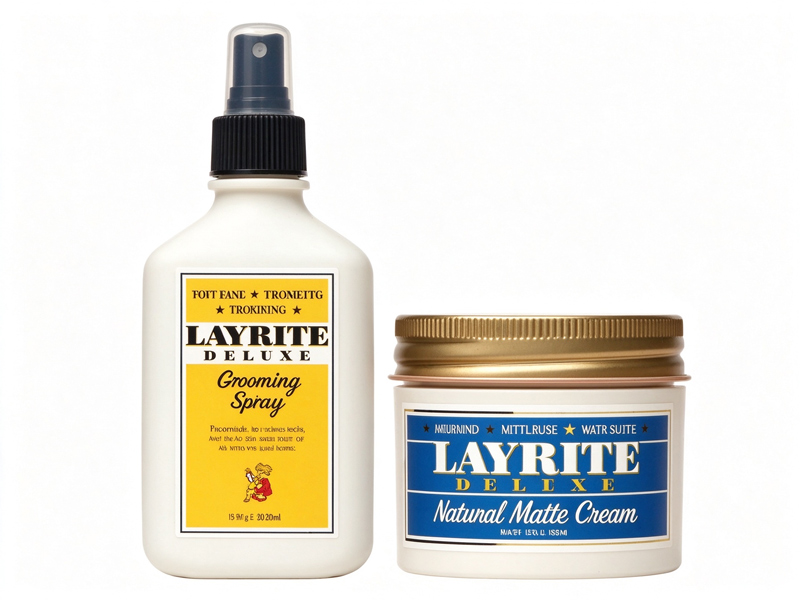
The problem Layrite solved sounds quaint until you have lived it. The petroleum-based pomades of the greaser era — and the modern oil-based faithful — hold magnificently and wash out essentially never, demanding multiple shampoos and a dedicated ritual to remove. Hawley's answer was to reverse the trade-off entirely: a water-soluble formula that sets firm like wax and rinses clean like gel, needing nothing but water. The formulation philosophy carries through today's range, which leans on kaolin clay and naturally derived waxes from Brazilian palm leaves for structure, and castor-derived conditioners for shine without grease. The company sells a Grooming Spray precisely because the system thinks like a barber: prep damp hair with the primer, work the pomade through, comb, and the style holds all day without stiffness or flakes.
Holds like wax, washes out like gel
The slogan deserves its own paragraph because it is the rare piece of packaging copy that is also a complete technical specification. Hold like wax means the product sets firm enough for pompadours, slick backs, and executive contours; wash out like gel means the shower removes it with water alone, leaving no residue and no next-day buildup. Independent reviewers across two decades keep arriving at the same modest verdict — solid performers, dependable, good water-based pomades — which is both the compliment and the ceiling of a formula everyone has now caught up to. The German specialist retailer PomadeShop, which has stocked the brand since the beginning, notes the corollary buyers should know: what washes out with rain also washes out in rain, and a water-based style can surrender on a sweaty afternoon — the eternal tax of the category Layrite invented.
Original, superhold, supershine, matte, cement
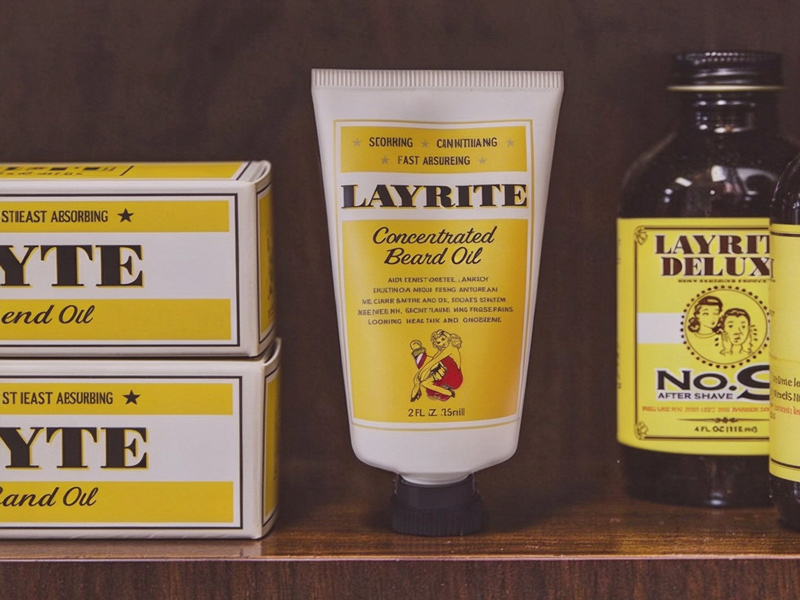
The range ladders from the icon outward. Original Pomade is the medium-hold, natural-shine default — from twelve dollars for the small jar to twenty-four for the four-ounce — built for fine to medium-thick hair and classic or messy looks alike. Superhold answers thick, coarse, and curly hair; Supershine chases the wettest gloss, though a Badger and Blade thread preserves the era's funniest complaint: one veteran finds it smells like a chalkboard. The matte generation follows — Natural Matte Cream for texture, and Cement Clay for extreme, flexible, reworkable hold with no shine at all. Grooming Spray primes; eucalyptus-hemp-menthol shampoo and a vitamin conditioner wash; a beard line and shave goods round the cabinet. Travel sizes and bundle discounts push the entry cost below fifteen dollars, and the subscribe-and-save option trims another fifteen percent for the converted.
A subscription option, fifteen percent off
The storefront itself tells the story of a heritage brand learning modern retail without betraying its chair-side roots. The Band of Barbers program runs the wholesale channel for shops, backed by user guides, how-to tips, and bundle pricing that treats the barber as the primary customer — the same inversion that built the brand in 1999. The consumer side sells apparel and barber gear beside the pomades, offers free shipping thresholds and Shop Pay installments, and now lists a monthly subscription on every product page at fifteen percent off retail — a quiet irony for the brand that taught men to abandon grease, now selling the cartridge-aisle trick of recurring revenue. Whether that is evolution or dilution depends on how sacred one considers the single-jar purchase.
Walmart at eight ninety-nine, the boutique at twenty-four
The honest ledger ends where it usually does for heritage brands: the shelf. The same Deluxe Original that lists at twenty-four dollars at specialty retailers has appeared at Walmart for $8.99 on a four-ounce-plus jar — a channel spread that confuses loyalists, delights bargain hunters, and quietly trains shoppers never to pay full price anywhere. A German long-term reviewer notes the formulas have been reformulated over the years, the addition of beeswax changing the feel longtime users remember, and water-based loyalists of all brands debate whether the modern Layrite still leads or merely founded the category others now out-engineer. None of this has dethroned the jar from its historical perch — but it frames the purchase correctly: you are buying the original, not necessarily the best.
The last comb-through of the orange jar
Layrite's store sells the category's birth certificate: the first water-based pomade, named by a compliment, still mixed in the spirit of the 1940s barbershop that cooked it. Against the tag's louder pomade houses — the Dutch scumbags, the Ziploc-bucket empires — Layrite is the quiet elder statesman, its slogan still true and its formulas still solid if no longer singular. Its trade-offs are the honest ones of a pioneer: water-based means rain-defeatable, the scent lineup misses occasionally, channel pricing rewards patience, and the category it invented now crowds it from every shelf. But for the man who wants the original jar that started it all — or the barber stocking the brand every client recognizes — this is the orange standard, still laying hair right after twenty-six years.