He sold his trail gear company to rossignol, then bought it back
Official homepage: https://raidlight.com
Some brands are founded by athletes. Raidlight was founded by an athlete whose racing résumé reads like a dare: second at the Grand Raid de la Réunion, fifth at the 400-kilometer Ultra-Trail of Gobi, three consecutive starts at the Barkley Marathons — the race famous as the hardest footrace on earth. Benoît Laval founded the company in a French mountain garage in 1999 with fifteen thousand euros and a folding table at race finish lines, commercialized the world's first Z-fold trekking poles in 2003, sold the brand to Rossignol in 2016, resigned over strategic differences three years later, and bought his company back in the middle of a pandemic. Twenty-five years in, Raidlight manufactures in three Alpine workshops, wins French design awards, repairs every product it has ever made, and remains stubbornly independent. This review measures the operation across eight dimensions.
A garage in the Pilat massif, 1999
Laval ran competitively from the age of ten, trained as a textile engineer in Lille, ran his first marathon at twenty, crossed the Pyrenees end to end the following year, served with the Chasseurs Alpins, and by the late 1990s was racing trail ultras across Europe. In 1999, at twenty-seven, he combined the two halves of his life in a garage in the Pilat massif near Saint-Étienne: roughly fifteen thousand euros, about ten products, a pioneering e-commerce site, and two folding trestles at race finish lines where he sold his own prototypes. The thesis was stated from the first catalogue — lighter, more ergonomic, more ingenious gear, accessible to everyone — and the company grew in double digits nearly every year of its first decade.
Folding poles and a ninety five gram jacket
The early catalogue contained two inventions that outlived their moment. In 2003, Raidlight became the first company in the world to commercialize the Z-fold collapsible trekking pole — a design by Savoyard inventor Thierry Barboux, which Raidlight manufactured and distributed into what is now an unavoidable piece of outdoor equipment. The same year the brand signed world champion orienteer Thierry Gueorgiou, who won his first world title in Raidlight gear as the official partner of the French orienteering federation. The Hyperlight Jacket used the brand's hydrophobic MP+ membrane to hit ninety-five grams while claiming twenty thousand millimeters of waterproofing — a number that still reads credibly today. And the OLMO backpack line, built from prototypes handmade by Marco Olmo — the Italian legend who won the UTMB in his fifties — put bottle pockets on the shoulder straps, a layout every race vest now imitates.
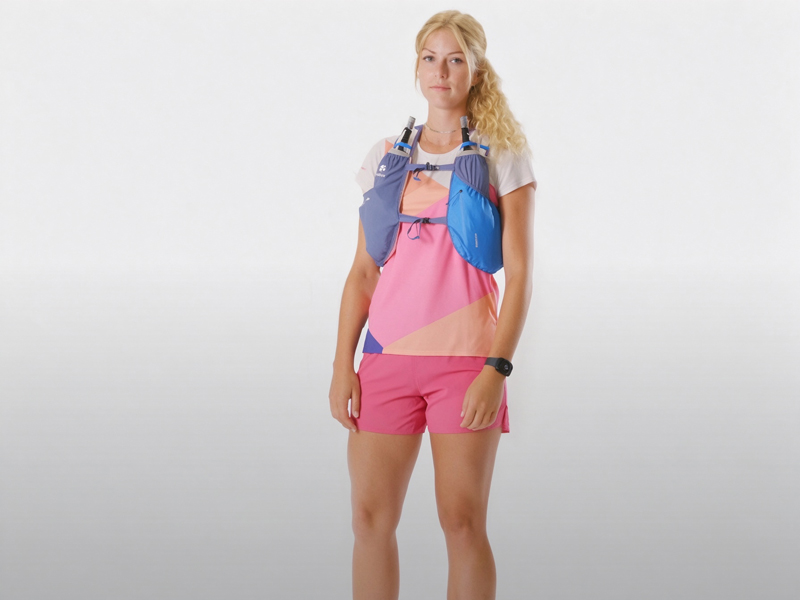
Racing Barkley while running a company
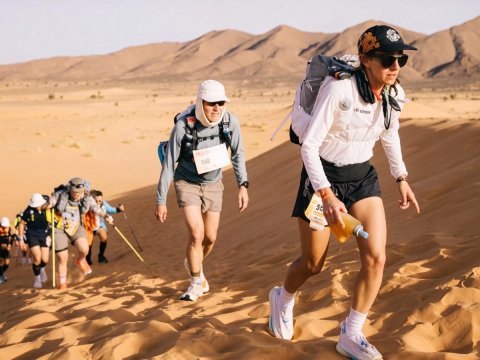
The founder's racing calendar is the part no marketing department could script. Laval took second at the Grand Raid de la Réunion in 2003, finished ninth at the Marathon des Sables in 2004, placed second and fourth at the Diagonale des Fous, won the Annapurna Mandala Trail in Nepal, became French vice-champion of trail running, made the French national trail team in 2010, ran the non-stop 400-kilometer Ultra-Trail of Gobi in 107 hours for fifth place in 2015, and then lined up at the Barkley Marathons in Tennessee in 2016, 2017, and 2018. He has said the races were market observation as much as sport. In 2017 he co-created the Chartreuse Terminorum, a small sister race to the Barkley, in his own mountains.
Open innovation and the trail stations
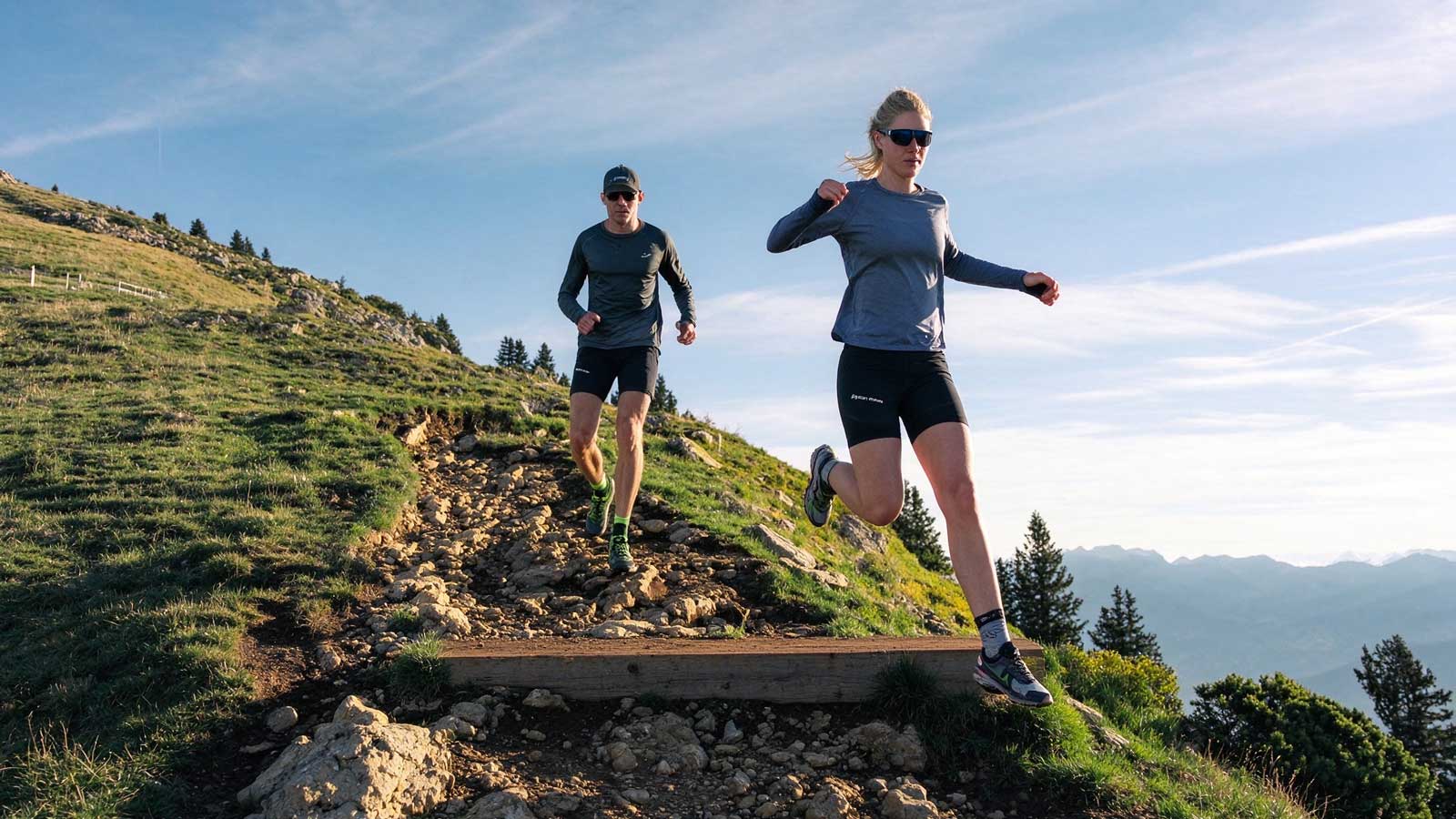
The brand's operating system is open innovation, and it predates the phrase's fashionability. In 2008, Raidlight became the first brand in the category to build a true social network around its customers — the Team Raidlight community, which grew past eight thousand members — and it institutionalized the loop: field testing on Chartreuse trails by employees, ambassadors, and volunteer runners; feedback through an interactive kiosk in the store, an online collaborative R&D platform, and direct exchanges; then local manufacturing of whatever survived the testing. The same year, the company began building the Station de Trail network — marked trail running destinations with services, showers, test gear, and coaching, which spread to thirty labeled stations across France. The premise, radical for its era, was that customers should design the products they buy.
Three workshops in the French Alps
The manufacturing footprint is where the brand now separates itself. When Raidlight moved its headquarters in 2011 to an eco-responsible building at a thousand meters in Saint-Pierre-de-Chartreuse, Laval opened INO-Fab, a five-hundred-square-meter workshop with about thirty machines dedicated to lightweight technical production. A second workshop opened in Veurey-Voroize at the gates of Grenoble in 2024, and a third in Notre-Dame-des-Millières near Albertville in early 2025. Fifteen people across the three sites produce roughly forty thousand items a year — packs, carbon poles, technical jerseys — representing about twenty percent of turnover, using laser cutting, heat sealing, and sublimation printing, with every item individually checked. The brand is transparent about the ceiling: producing the entire range in France would double or triple prices, so the Made in France line is positioned as a premium choice within a broader responsibly-sourced range. In 2025 the effort won the Janus de l'Industrie, the French design award jury citing a sincere, committed, resilient project.
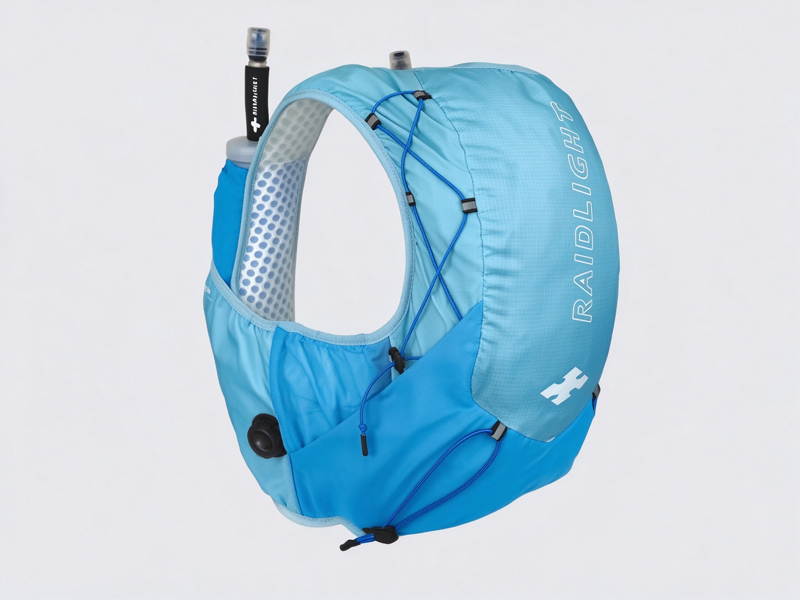
Lifetime repairs and the Janus award
The service promise matches the manufacturing pride. Raidlight offers a lifetime repair service for all of its products, whether Made in France or not — a pack, jacket, or pair of poles can be sent back to the workshops and fixed rather than replaced, on the stated logic that a product that lasts is a product you do not throw away. For a category where ultrarunners routinely carry the same pack for a decade of hundreds, the commitment functions as both sustainability credential and durability advertisement. Pair it with the individual inspection inside the workshops and the traceability of local production, and the brand's four pillars — lightweight, durable, innovative, local — stop reading as slogans and start reading as an operating budget.
The Rossignol sale and the buyback
Then there is the corporate chapter, and it is a redemption arc. In 2016, following uninterrupted double-digit growth since its founding, Raidlight-Vertical joined the Rossignol Group, the ski-industry giant, with Laval becoming the group's vice president of outdoor activities. Three years later, in February 2019, he resigned over differences in strategic vision — a polite sentence that covers what was reportedly a real divergence about what the brand should be. He traveled, trained at HEC and INSEAD, and in August 2020, as the pandemic scrambled outdoor-industry valuations, he bought Raidlight and Vertical back from Rossignol with a pool of private shareholders and resumed the presidency. The company has remained independent since — around thirty employees, headquartered at the Outdoor Lab in Chartreuse, with a US storefront and distribution across Asia through partners.
Who should run the French way
Raidlight in 2026 is for a specific runner: the trail runner who wants gear designed by someone who has started the Barkley; the buyer who values repairability over replacement and can point to the exact French workshops that made their pack; the UTMB-culture enthusiast who knows what an Olmo vest is; and the Francophile who likes the idea of the French way — bold, engaged, and proud of its products. For that runner, Raidlight offers a combination no American brand can assemble: a founder-athlete of the highest order, three domestic workshops with a design award on the shelf, a lifetime repair promise, and an open-innovation loop that predates the industry's co-creation fashion by fifteen years. It is less suited to the buyer who wants mall availability or the cheapest option: distribution outside France and specialty trail shops is thinner than the brand's reputation deserves, and the Made in France premium is real. But the man who sold his life's work to a ski conglomerate, disagreed about what it should become, and bought it back to make packs in the mountains has already answered the only question a review can leave open — whether the story is worth the gear. The trails of Chartreuse, where employees test prototypes at lunch, suggest it is.