He mixed acne cream in his kitchen; sephora said yes before one sale
Official homepage: https://peaceoutskincare.com/
Peace Out Skincare turned a hydrocolloid bandage found in a Los Angeles drugstore into the product that defined the pimple-patch era. Founded in 2017 by Enrico Frezza — a cybersecurity analyst with severe adult acne, not a beauty insider — the San Francisco brand convinced Sephora to stock it before selling a single unit, then sold more than seventy-five million Acne Dots. Here is our review of the store behind the dots.
A Cybersecurity Desk Job Hid a Skin Obsession
Enrico Frezza's career had nothing to do with beauty. He worked in cybersecurity for his family's intelligence company, and his skin history was the kind most founders keep quiet: severe teenage acne he has called "pizza face," a round of Accutane, and breakouts that followed him into adulthood. In 2014, wandering a Los Angeles drugstore, he picked up hydrocolloid bandages — the blister dressings hospitals use to draw out fluid — and started experimenting on himself. His kitchen became a makeshift lab, and he has admitted he burned off layers of his own skin before landing on a workable idea: what if the hydrocolloid dressing itself carried active anti-acne ingredients? That self-experimentation became the founding insight of the brand, and it explains why every product Peace Out has launched since traces back to a personal skin complaint rather than a market trend report.
Seventy-Five Manufacturers Said No Before One Said Yes
Turning the kitchen prototype into a manufacturable product nearly killed the company before it existed. Frezza reached out to roughly seventy-five manufacturers in the United States and overseas, and every one of them either refused or quoted two to three years of research and development. Six months in, he nearly gave up — until he reverse-engineered the problem, finding a patent on mixing alginates into dressings that proved infusion was physically possible. He tracked down one of the patent's inventors, who turned out to own a manufacturing facility thirty minutes from Frezza's home in California. Seven rounds of research and development later, the Acne Dot existed: a medical-grade hydrocolloid patch infused with salicylic acid, vitamin A, and aloe vera — the first acne patch to combine active ingredients with hydrocolloid polymer. The scarcity of that supply chain explains much of the brand's defensibility; even now, the dots carry patents, with the pore strips and wrinkle patches patent-protected as well.
Sephora Demanded a Full Brand Before Opening Its Doors
The retail launch story is unusual for an unknown indie brand. Through a family connection, Frezza pitched Sephora before Peace Out had a single sale — and the retailer tested the product, loved it, and still said no, explaining it only takes on a handful of new brands per category each year and needed a full brand, not one hero SKU. Rather than accept a smaller retailer, Frezza went away, rebuilt the company around a complete product pipeline — acne dots, overnight pore strips, dissolving microneedle patches for dark spots and wrinkles — and came back. Sephora took the brand as an exclusive in 2017, online and in stores, with an initial production run of 20,000 dots already committed before launch. That exclusive relationship carried Peace Out to the top acne brand position at Sephora, and it remains the brand's most important shelf: the dots are stocked in Sephora doors across the US, Canada, Europe, the UK, the Middle East, Australia, and New Zealand.
Six-Hundred-Ten Percent Growth in a Year Nobody Planned
For its first years, peaceoutskincare.com was deliberately just an educational brochure — the strategy was to build awareness through Sephora's physical stores and let that pull customers to the site. The pandemic inverted everything overnight. With Sephora doors closed, the brand shifted fully to direct-to-consumer and grew its own web sales roughly 610 percent in 2020; one viral TikTok post alone moved 15,000 units of pore strips in a single day, and a single acne dot was selling every four seconds. The TikTok era mattered strategically beyond the sales spike: Peace Out was among the first skincare brands to treat the platform as a primary community channel, and Gen Z went from one-third of its customer base to half in two years. Frezza has said the company only partners with creators who personally struggle with acne — authenticity as a sourcing criterion, not a marketing slogan — and the acne-positivity community built around the brand became its most durable competitive asset.
Patents, Microneedles, and a Twenty-Million-Dollar Infusion
The product line has stretched well beyond the original dot, and each extension repeats the founding pattern of pairing a delivery technology with a specific skin problem. Peace Out Pores applied hydrocolloid to the nose strip — a category first. Peace Out Dark Spots introduced dissolving microneedles made from active ingredients to target post-acne pigmentation, born from Frezza's own melasma. Peace Out Wrinkles extended the microneedle platform to fine lines, and the Retinol Eye Stick launched in December 2020 sold through six months of inventory in two weeks. In 2022 the brand spent over two years reformulating its hydrocolloid to remove mineral oil, becoming the first fully clean, FDA-approved over-the-counter hydrocolloid acne patch and earning Sephora's Clean seal; it also took its first outside capital that year — a $20 million growth investment from 5th Century Partners — to fund international rollout. By 2023 industry sources projected $40 to $50 million in global retail sales, with distribution extended to Ulta, Kohl's shop-in-shops, Boots, and Cult Beauty, and more than seventy-five million Acne Dots sold in total.
Our Read on the Patch That Started a Category
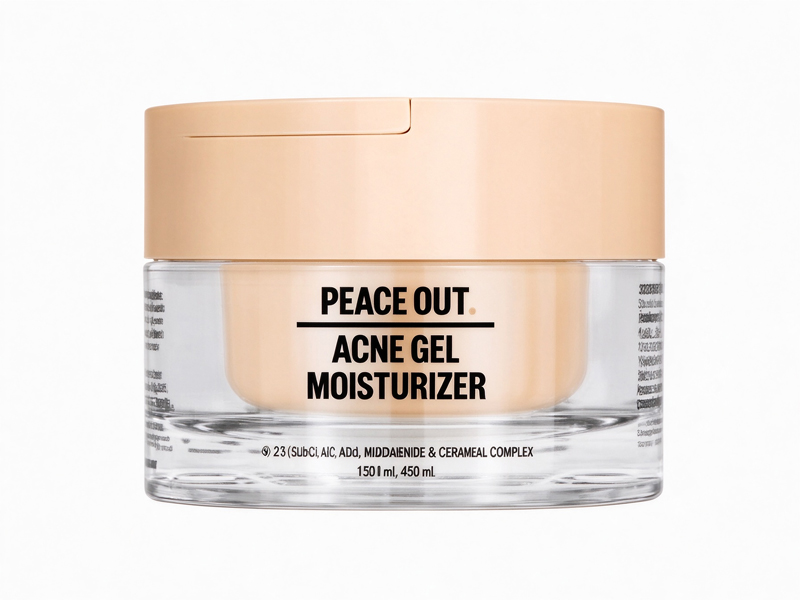
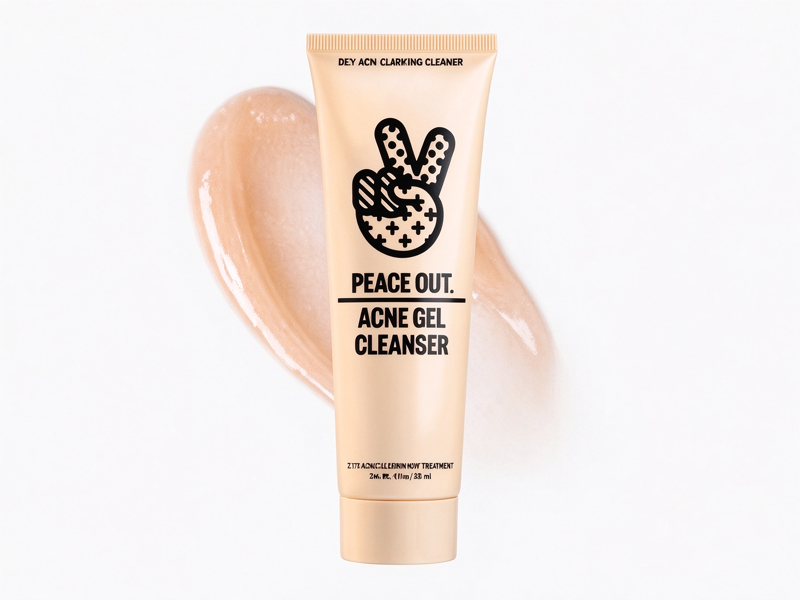
What separates Peace Out's store from the wave of pimple-patch competitors is vertical honesty: the founder is the original customer, the patents cover the technology rather than the marketing, and the clinical claims are relatively restrained — the dots promise calmer, flatter blemishes in hours, not miracles. Pricing sits at a premium for the category at $19 for twenty dots, roughly a dollar a patch, which buys the infused actives and the supply-chain moat but will always invite comparison with cheaper pure-hydrocolloid rivals. The broader skincare extensions — serums, moisturizer, cleansing balm — are competent but face far more competition than the patch franchise. For shoppers who want the original medicated dot and the community that grew around it, this remains the benchmark store in its niche.