A ten-year-old korean brand sat quietly until one sunscreen changed everything
Official homepage: https://beautyofjoseon.com/
Beauty of Joseon is the rare case where the second owner made the brand matter more than the first. Founded in Korea in 2010 and ignored outside Reddit's AsianBeauty forums for a decade, the hanbang-inspired label was acquired and rebuilt around 2019 — then watched a single $18 sunscreen carry it to Sephora, Ulta, and the top of TikTok's skincare discourse. Euromonitor has since named it the world's number one K-beauty suncare brand by online sales. Here is our review of its store.
A Two-Hundred-Year-Old Beauty Book Became the Brief
The brand's source material predates the company by two centuries. Its formulas draw on the Gyuhap Chongseo, a Joseon-era encyclopedia written by female scholar Yi Bingheogak — a book about household management and self-care that was itself, as the current team describes it, a remarkable act by a woman improving other women's lives two hundred years ago. The brand's name references the Joseon dynasty, when court women famously favored clear, tended skin over heavy makeup. Eight key hanbang ingredients — rice, ginseng, propolis, mugwort, green tea, honey, orchid, and red bean — come directly from that text, and each modern product pairs one traditional botanical with a proven active: rice bran and grain probiotics in the sunscreen, rice and alpha-arbutin in the brightening serum, ginseng root water with niacinamide and squalane in the Dynasty Cream. The founding product, Dynasty Cream, launched with the brand in 2010 and remains a bestseller today — continuity the acquisition never broke.
Ten Years of Niche Status Ended With an Acquisition
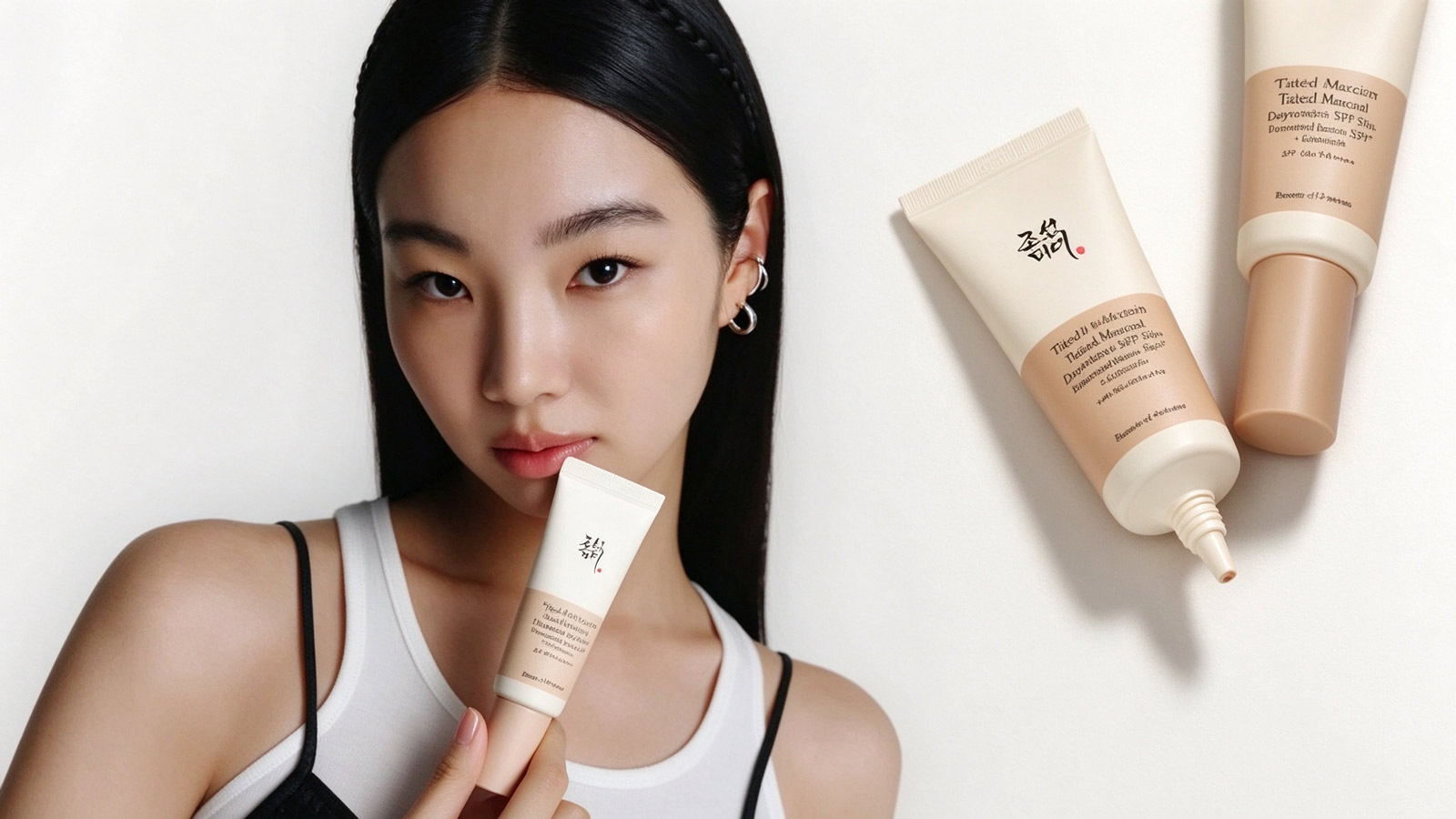
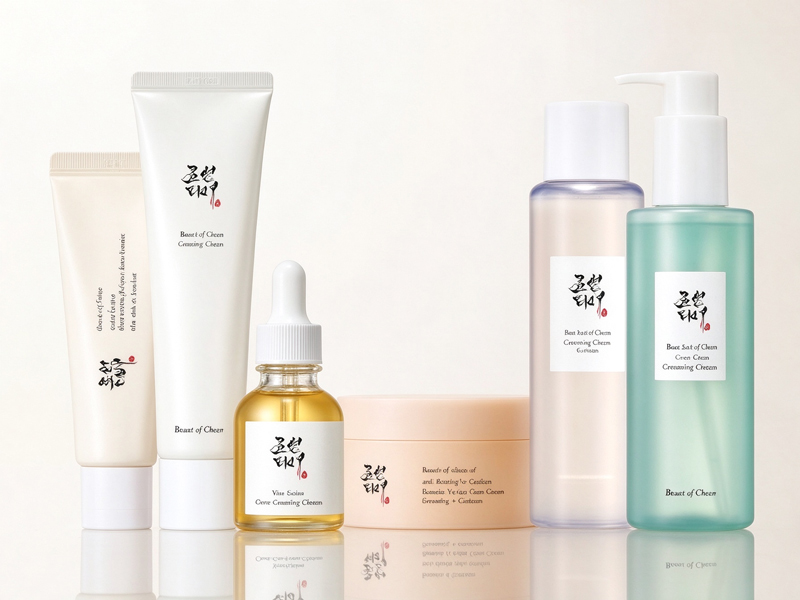
For its first decade, Beauty of Joseon was a quiet Korean indie with a cult following and no mass distribution — the kind of brand r/AsianBeauty devotees praised in long ingredient threads while Western shoppers scrolled past. Around 2018 and 2019, Sumin Lee's team acquired the brand and set about a total reinvention, keeping the hanbang thesis but rebuilding the product line, packaging, and go-to-market around modern accessibility: fragrance-free formulas, HRIPT dermatological testing for sensitive skin, and prices anchored in the mid-teens to mid-twenties. The rebuilt brand launched in 2019 under Goodai Global, and the new team's first flagship was not an ampoule but a sunscreen — Relief Sun: Rice + Probiotics SPF 50+ PA++++, released around 2020 with chemical filters that were unavailable in American formulations, a finish engineered to match the elegance of Japanese sunscreens, and a $18 price point that undercut Western dermatologist-recommended competitors by half.
Dermatologists, Not Influencers, Made Relief Sun Famous
The virality that followed was earned through an unusual channel: dermatologists. Creators like Dr. Shereene Idriss and Dr. Muneeb Shah endorsed Relief Sun on TikTok throughout 2023, and that clinical tier did what ordinary influencer marketing cannot — it gave a Korean drugstore-priced sunscreen the credibility of a dermatologist's office recommendation. The product's structural advantages did the rest: a lightweight, cosmetic-finish texture with no white cast across most skin tones, strong UVA and UVB coverage, and a price of $18 to $22 against $30 to $45 Western alternatives. Discovery compounded through Reddit and TikTok community threads with minimal paid amplification, and the success inverted the brand's home-market standing — it became a hit in the United States before it became one in Korea, a trajectory founder Sumin Lee has discussed openly on beauty-industry podcasts. By 2026, Euromonitor International named it the world's number one K-beauty suncare brand in online sales.
Eighteen Dollars Undercut the Entire Sunscreen Aisle
The commercial machine behind the viral hero is deliberately omnichannel. The brand sells direct, on Amazon, on TikTok Shop, and through Sephora and Ulta in the United States, with the Aqua-Fresh variant — Rice + B5 — extending the franchise into stick formats and additional filter systems. The catalog follows the same rice-and-hanbang logic across categories: Glow Replenishing Rice Milk, a dual-layer toner balancing oil and moisture; the Revive Eye Serum pairing ginseng with retinal, which converts to retinoic acid eleven times faster than retinol with better tolerance; the Glow Serum combining propolis and niacinamide; and post-Relief-Sun expansions into sun sticks and cleansing balms. Every hero sits at roughly $15 to $25, a band the team has defended as the point where accessibility and formula quality intersect — and where Western competitors anchored at twice the price struggle to follow without cannibalizing their own margins.
Counterfeiters Followed Success Into Every Marketplace
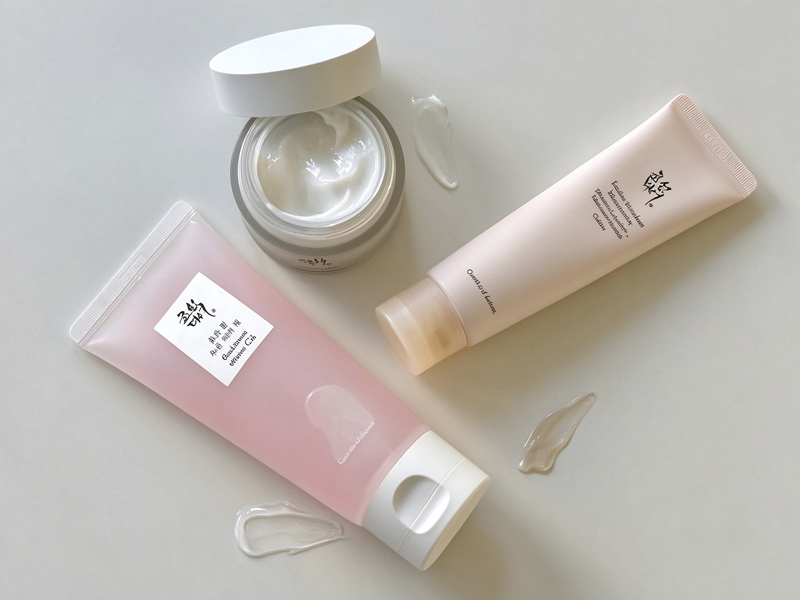
Success at this scale created a problem most indie brands never face: counterfeiting. Fake Relief Sun tubes began appearing across online marketplaces, and the brand has spoken publicly about building dedicated anti-counterfeit operations — authentication infrastructure, authorized-retailer lists, and active marketplace enforcement — to protect customers who cannot easily distinguish a $18 original from a convincing $7 fake. The lesson for shoppers is practical: the official store and its named retail partners (Sephora, Ulta, Amazon's brand storefront, TikTok Shop's verified sellers) are the only channels where the HRIPT-tested, fragrance-free formula is guaranteed, and the savings from gray-market listings are rarely worth the dermatological gamble.
The Last Word on Hanbang's Modern Benchmark
What beautyofjoseon.com offers is coherence between story and shelf: a two-century-old beauty philosophy translated into fragrance-free, dermatologist-endorsed formulas at drugstore-adjacent prices, with the world's bestselling K-beauty sunscreen as the front door. The honest caveats: the brand's explosive awareness rests overwhelmingly on one product franchise, and the broader catalog, while solid, has fewer breakout hits than the sun care line; the acquisition-era reinvention means the founding-era story is more heritage than lived memory; and as Korean competitors crowd the same rice-and-propolis formulas, differentiation will increasingly depend on the brand's name and testing discipline rather than ingredients anyone can source. For shoppers building a gentle, affordable routine with a credible SPF at its center, though, this store remains the benchmark the rest of K-beauty is chasing.