Three trilogies and a wall: the new zealand studio conquering board gaming
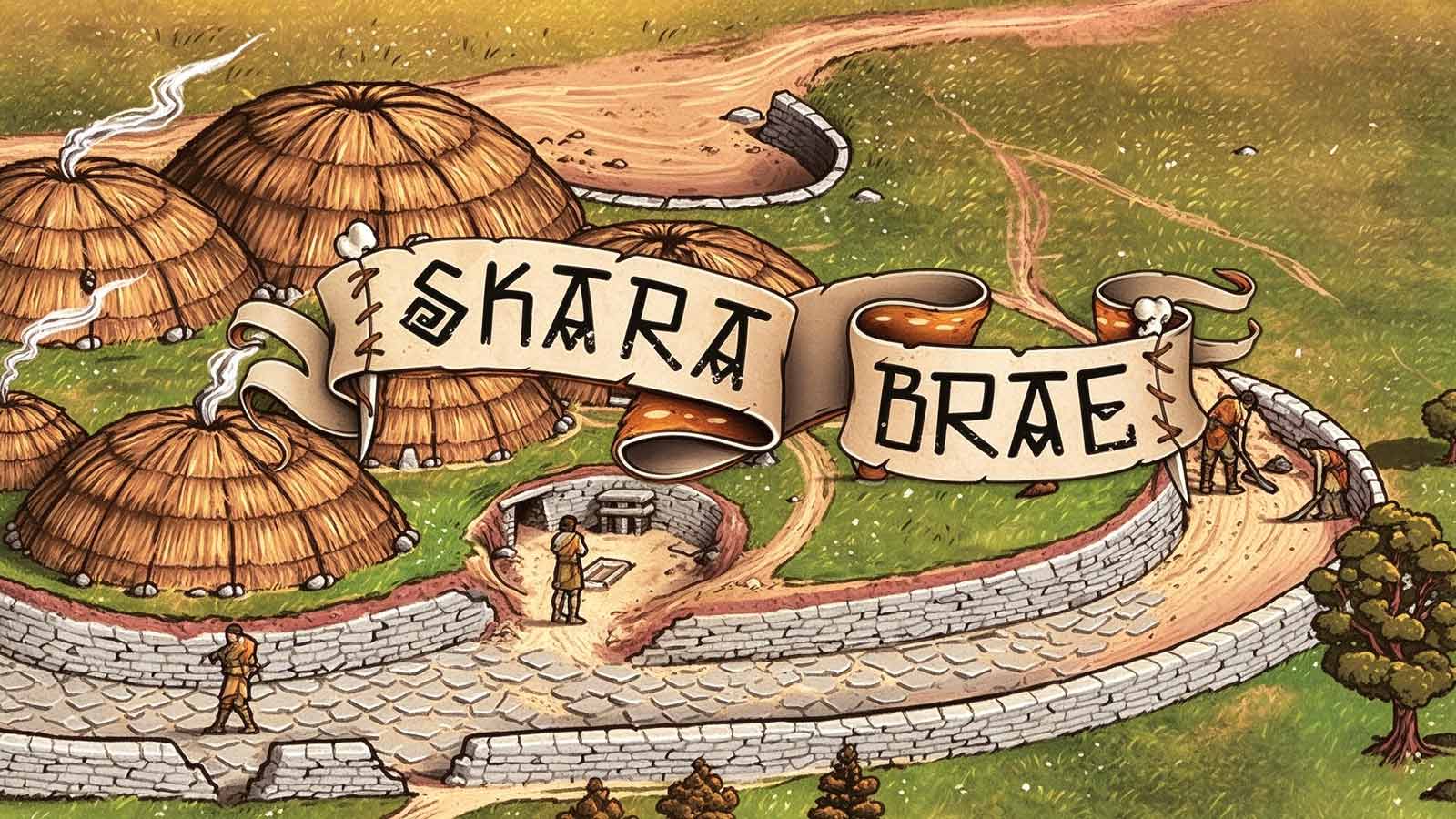
Official homepage: https://www.garphill.com
Most of the board game industry's heavyweights sit in Germany, the United States, or China's manufacturing belt. Garphill Games operates from Waikanae on New Zealand's Kapiti Coast, ships worldwide in USD, and has quietly built one of the most respected catalogs in modern strategy gaming. Since 2009, Shem Phillips has turned a hobby into a trilogy machine: Vikings, Carolingian architects, and Abbasid scholars, each series raising the bar. This review examines the studio's story, its design philosophy, the direct storefront, and what buying from the far corner of the map actually involves.
A Hobby That Turned Into a Full-Time Gamble
Shem Phillips started designing games in 2008, and for Garphill's first five years it was a true passion project: family-style games in tiny print runs, sold mostly at New Zealand markets. The turning point came in 2014, when Kickstarter opened to New Zealand creators. Shipwrights of the North Sea was the studio's first campaign and its first taste of a global audience; the follow-up, 2015's Raiders of the North Sea, earned a Kennerspiel des Jahres nomination, board gaming's most prestigious recognition, and turned a hobbyist into a full-time designer in 2017. It is one of the cleaner case studies in how crowdfunding detonated the traditional gatekeeping of game publishing — one creator, one platform, one Viking village at a time.
Named After a Father, Stamped with a Robin
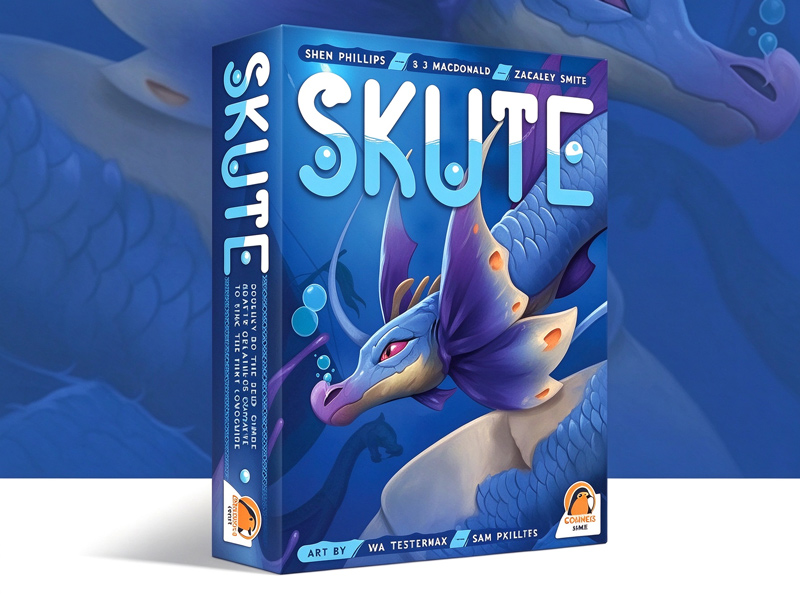
The company name is a small act of family memory: Garphill combines the first name of Phillips's father, Gary, with the surname, and the logo's robin comes from his mother's middle name, Robin. That instinct toward the personal runs through the whole operation. Brother Sam Phillips joined as a full-time illustrator, defining the Circadians science-fiction line and the Ancient Anthology series; co-designer Sam Macdonald came aboard for the West Kingdom trilogy and never left; marketing manager Zach Smith even co-hosts the studio's Lens and Veil podcast, where the team discusses design decisions in public. The store is not a faceless warehouse — it is a family workshop with a worldwide checkout.
One Viking Worker, Placed and Then Removed
The design signature that made Garphill famous is almost absurdly simple: in Raiders, every turn you place a worker on a space and take its action, then remove a different worker from the board and take that action too. One worker placed, one worker lifted — a rhythm that makes worker placement feel like a flowing economy rather than a land grab. The mechanic fit the theme so naturally that the Viking village seemed to run itself, and it has echoed through everything the studio has made since: tight rule sets, a single clever twist, and components that make the twist visible. The North Sea trilogy finished with Explorers, the pattern repeated with Architects, Paladins, and Viscounts of the West Kingdom — the 2020 Viscounts campaign raised over NZ$1.3 million from nearly 8,000 backers — and again with the South Tigris trilogy of Wayfarers, Scholars, and Inventors, with an East Empire series on the horizon.
Building Trilogies Like Television Seasons
Trilogy-building is the studio's commercial engine. Each series shares an illustrator — Mihajlo Dimitrievski, known as The Mico, whose first commission for Phillips was Shipwrights, drawn in a style the two developed without ever meeting in person — so the boxes form a coherent shelf wall that collectors find irresistible. Expansions, collector's boxes, metal coins, and play mats extend each world, and campaign products like Tomesaga tie trilogies together mechanically. The store's pricing reflects the strategy: core boxes sit at $60, expansions at $30 to $35, coins and boxes around $25 to $30 — premium but rational, with free worldwide shipping over $125 encouraging the multi-item cart the trilogy format invites.
Two Artists Who Defined the House Style
Garphill's visual identity is instantly recognizable, and it belongs to two collaborators. The Mico's gritty-cartoon medievalism gave the North Sea and West Kingdom games their personality — Phillips has often noted they had never met when the art turned Shipwrights from a modest campaign into a phenomenon. Brother Sam Phillips brought a cleaner science-fiction register to Circadians: First Light and Chaos Order and the Ancient Anthology line. The result is a catalog where you can identify a Garphill game from across a convention hall, which matters enormously for a small publisher competing against studios with far larger marketing budgets. On the store, every product page credits designer and illustrator by name, a small habit that signals how the studio sees itself: as a workshop, not a brand machine.
Solo Modes Engineered In From the Start
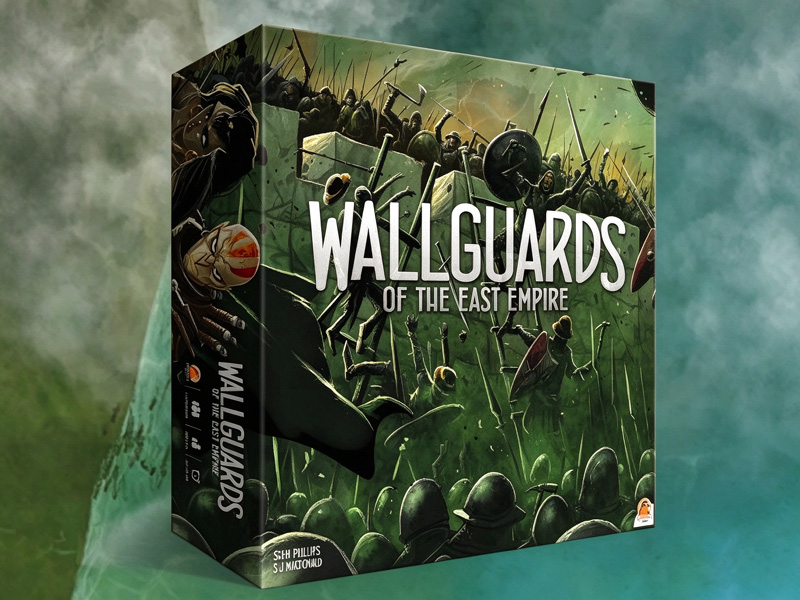
One of the studio's quiet differentiators is single-player design. Garphill has long treated solo modes as first-class citizens rather than afterthoughts, from dedicated solo variants to the ambitious Legacy of Yu — a 2023 campaign game built entirely around one player defending settlements across a persistent series of sessions. Hadrian's Wall, designed by Bobby Hill, became a pandemic-era solo favourite precisely because it plays the same satisfying puzzle at any count. For the growing audience of gamers who play alone as often as in groups, the store effectively carries a sub-catalog of its own, and product pages are honest about player counts and interaction levels in a way larger publishers sometimes are not.
Shipping From the Far Corner of the Map
The trade-offs of buying direct are geographic. Waikanae is one of the most remote places on earth from the industry's main consumer markets, and while the store ships worldwide with a sensible $125 free-shipping threshold, parcels to North America and Europe take the long way around the Pacific. Many Garphill titles are also distributed by partners like Renegade Game Studios, meaning retail and regional stores can undercut the direct shop on core boxes — the direct store's real advantages are the expansions, collector's items, coins, and play mats that never reach wide distribution, plus the knowledge that the margin stays in Kapiti. Kickstarter remains the studio's primary launchpad, so new releases typically mean campaign commitment rather than instant gratification.
Who Should Back, Buy, or Just Borrow
Garphill serves the strategy gamer who values elegance over chrome: medium-weight euros with one memorable twist, beautiful coherent art, and a catalog that rewards collecting across series. The direct store is the right destination for completionists chasing expansions and collectibles, solo players building a library, and anyone who wants their money reaching a genuinely independent workshop. If you only want one box, local retail may serve you faster and cheaper, and if you dislike campaign-style buying rhythms, the trilogy treadmill can feel engineered. But judged on design consistency, production quality, and independence, this little New Zealand studio punches so far above its weight that the distance from Waikanae to your table stops mattering.