We went to umami mart for donabe and left with a sake subscription
Official homepage: https://umamimart.com
Some stores sell products. Umami Mart sells a way of cooking, drinking, and living — imported from Japan, translated for American kitchens, and served out of a converted convenience store in Oakland's Temescal neighborhood. Born from a food blog in 2007, opened as an online shop in 2010, and launched as a physical store in 2012 with the help of a city pop-up program, it has quietly become the most complete Japanese kitchen and bar emporium in the United States. This review measures it across eight dimensions — from the conbini in the back nook to the fourteen-day return clock, from the New York Times to the fine print on who pays for shipping.
Two sake nerds build a conbini in Old Oakland
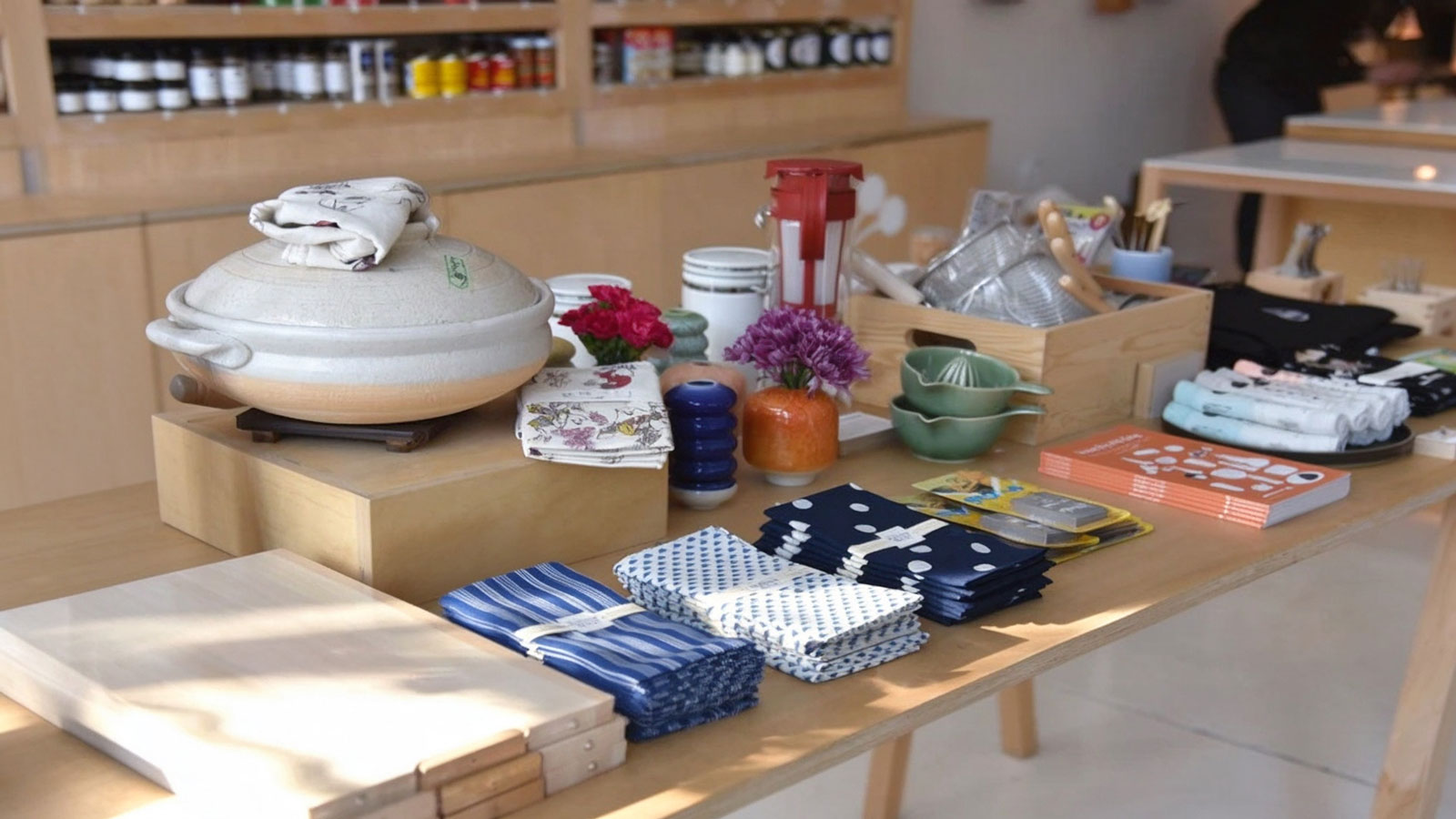
Kayoko Akabori and Yoko Kumano — two friends bonded over a shared obsession with Japanese food and drink — began documenting their eating adventures on a blog in 2007. That blog became a newsletter and an online shop in 2010, shipping Japanese pantry staples and kitchen tools to a growing diaspora of curious home cooks. In 2012, the city of Oakland offered the pair a deal too charming to refuse: six months of free rent in a vacant Old Oakland storefront on Broadway at Ninth Street if they would activate it. On August 3, 2012, Umami Mart opened its doors, and the pair — who had never run a retail operation — learned the business in public. A few years in, they built a tiny convenience store, a conbini in Japanese, into a back nook stocked with konbini snacks, becoming arguably the only conbini in the East Bay. In 2019 the store relocated to a 1,200-square-foot space at 4027 Broadway in Temescal, with a tasting room designed by Danish ceramicist Anders Arhoj.
From food blog to brick and mortar in 2012
The shop's physical identity is half the product. Beyond the retail floor there is a full bar with a rotating spirits list, a sake program run with genuine rigor, and a calendar that reads like a neighbourhood festival — an annual matsuri, pop-ups, tastings, and enough community gravity that the store has hosted a wedding. The founders' credentials accumulated alongside the store: Yoko Kumano is a certified sake professional with advanced tasting certification; Kayoko Akabori earned a shochu director qualification; the two co-host a talk series and co-authored a book on sake and shochu, with Kumano's solo book Everyday Sake arriving in 2026. The online store, meanwhile, quietly became one of the most complete Japanese kitchen and bar catalogues available to American shoppers, with a dedicated spirits selection and two subscription clubs the national press noticed.
A catalogue that runs from donabe to shochu
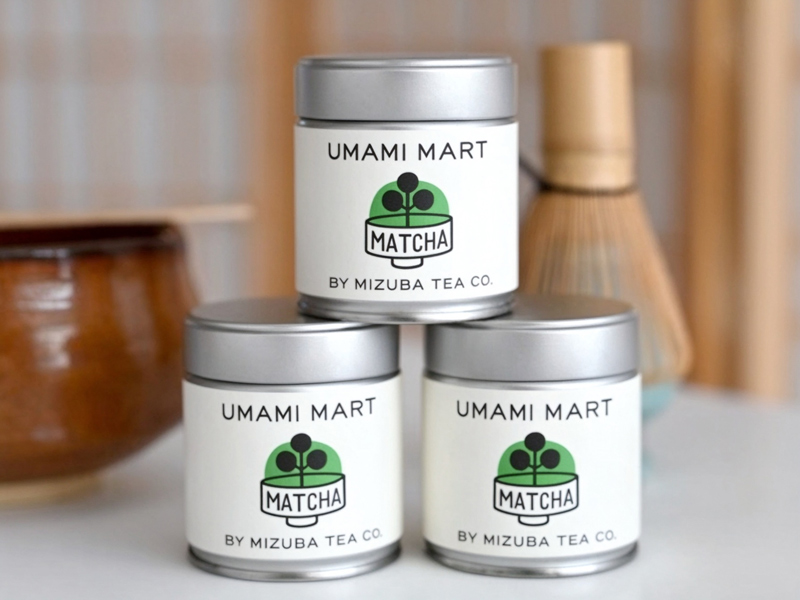
The assortment spans two worlds that rarely share a store. The pantry side carries soy sauces, miso, rice, noodles, condiments, and tea; the kitchen side carries donabe clay pots, knives, ceramics, and cookware; the bar side carries Japanese whisky, shochu, umeshu, sake, and the glassware and bar tools to serve them; then there is home, bath, dining, and a gifts section that turns all of it into presents. The navigation alone — sake and spirits, barware, glassware, kitchen, pantry, dining, home, bath, tea and teaware — is the widest spread of any store reviewed in this series, touching alcohol, food, cookware, tableware, and home goods in a single basket. Prices run from a few dollars for pantry staples to collectible bottles and handcrafted ceramics at the top of the range.
Ninety percent made in Japan, ten percent local
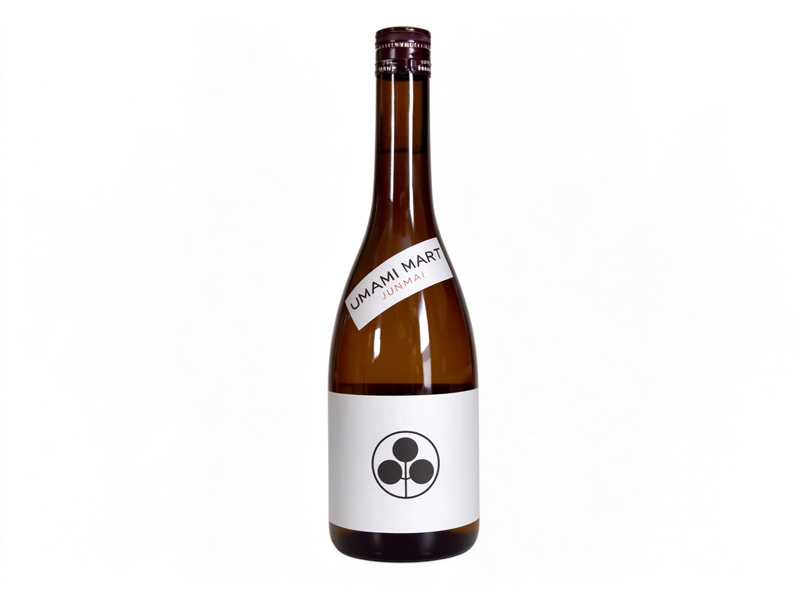
Sourcing is the store's ethical spine. Roughly ninety percent of products are made in Japan, sourced directly from makers and regional producers — including brewery-exclusive bottles that cannot be found elsewhere in the United States — while the remaining ten percent are local collaborations born of Oakland neighbourly affection. The collab list reads like a who's who of the East Bay food scene: a special junmai sake brewed with Den Sake Brewery in Oakland, an umami salt blended with Oaktown Spice Shop, and a long-running self-published zine called Japanify. This is import retail with a conscience: every product page tells a producer's story, and the ten percent local rule keeps the shop plugged into the neighbourhood that subsidised its founding.
Next business day dispatch with honest stock calls
Logistics are brisk and plainly documented. Orders placed before cutoff typically ship the next business day via FedEx or UPS, with tracking sent when the label prints; if an item is out of stock and cannot go out on schedule, the store contacts the customer rather than going silent. Pre-orders carry their estimated ship dates on the product pages. Local pickup at the Oakland store is free and usually ready within about two hours during opening hours, Tuesday through Sunday. The only soft spot is speed-of-stock on high-demand items — the store says demand for its products is extremely high and packages go out daily, which occasionally means an email about a wait. Honest, prompt, and human-scale.
Fourteen days, with shipping costs both ways on you
Returns are standard for the category, with a few sharp edges worth knowing before ordering. The window is fourteen days from delivery; items must be unused, undamaged, in original packaging, with a receipt; refunds process once the return is confirmed back at the Oakland address. Shipping in both directions is non-refundable — a condition that stings on a forty-dollar order of ceramics less than on a knife — and holiday orders get an extended runway to January 15. The non-returnable list is unusually consequential because it covers the store's own heartland: perishable food cannot be returned, gift cards and sake club gift subscriptions are final, and all sale items are final. Books with obvious signs of use earn partial refunds. Exchanges exist only for defective or damaged goods. The store also passes transit risk to the buyer explicitly: products are the customer's responsibility from the moment of delivery, untrackable USPS methods are shipped at the buyer's own risk, and the store is not responsible for lost or untrackable packages. For glassware and sake sets, those sentences should inform the courier choice at checkout.
The New York Times wrote about their sake club
The sake club is the shop's national calling card. Sake Gumi, the monthly subscription, was featured in the New York Times, which chronicled the club's growth from a devoted early membership into a community of roughly two hundred subscribers by 2025; its quarterly sibling Shochu Gumi passed two hundred members in 2023. Each shipment pairs bottles with producer notes and tasting guidance written by certified professionals, making the clubs the most accessible structured sake education available in English. Alongside press from Wirecutter and New York magazine, this is the store's certification wall in practice: expertise so deep it exports.
Who should fill their kitchen from this Oakland shop
Umami Mart is for a specific and underserved shopper: the American home cook who wants to cook Japanese food properly, the home bartender building a Japanese whisky and shochu shelf, and the gift-buyer who wants a ceramic donabe to carry real meaning. For that shopper, it is arguably the single best specialty source in the country — authentic, producer-connected, certified, and fast. It is less suited to browsers expecting frictionless returns: fourteen days, both-way shipping costs, food that cannot come back, and transit risk on the buyer are the price of importing directly from small producers. But for its niche, Umami Mart is less a store than an institution — two friends from a food blog who turned a city pop-up deal into the most beloved Japanese kitchen emporium in America.