Spärkel carbonates anything from water to cocktails, one sachet at a time
Official homepage: https://sparkel.com
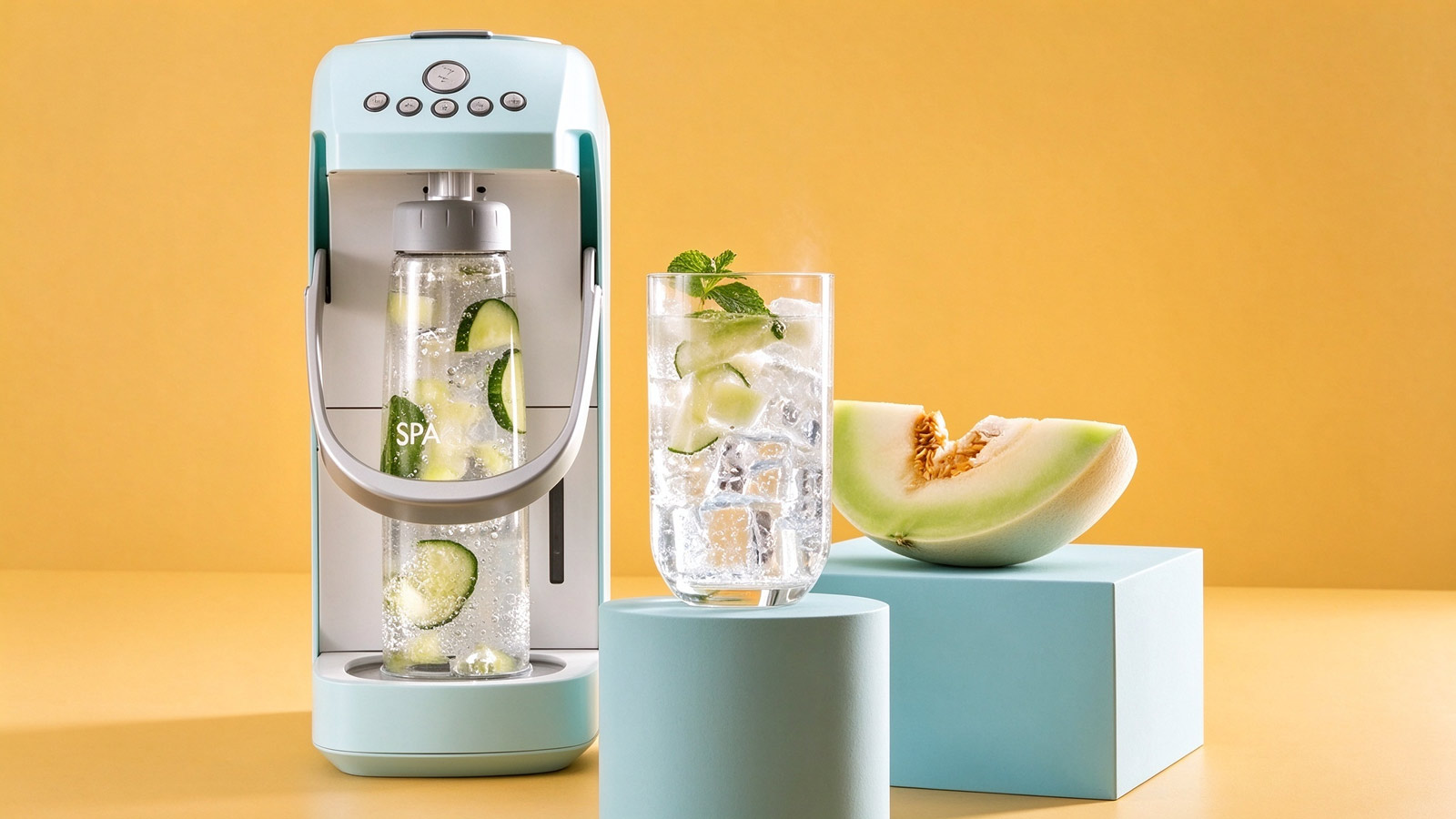
Spärkel is the countertop carbonation store for people who hate CO2 cylinders. The Toronto-made system generates its own bubbles from a pair of pantry-chemistry sachets — citric acid and sodium bicarbonate — letting it carbonate anything from plain water to wine, and infuse fruit or herbs in the same bottle, with no tank to exchange. This review examines the technology, the per-bottle economics, and the fine print behind the fizz.
Bonne O's second act and a $7.5 million round
Spärkel is the second generation of a Toronto company called Bonne O, whose first sparkling-water system proved the concept. The sequel was funded seriously: a $7.5 million Series B closed in May 2019, followed by an Indiegogo campaign that drew 2,352 backers and about $145,000 in June. The Spärkel Beverage System launched in November 2019 at $99, and trade coverage immediately framed it as the first real alternative to cylinder-based carbonators. The pitch has not changed since: all the fizz, none of the tank.
Citric acid, baking soda, and five fizz levels
The mechanism is school science, industrialized. Each use takes a two-part sachet — citric acid and sodium bicarbonate — poured into a sealed chamber at the top of the machine. Mixed with a little water, they react to release carbon dioxide, which the machine circulates through your bottle at up to eighty PSI. Five preset levels run from a sixty-second light fizz to a four-minute extra-fizz cycle for dense juices and cocktails, and because the CO2 amount is fixed per sachet, every bottle comes out identical — something cylinder machines, with their drifting pressure, cannot promise. The bottle is a 750-milliliter, dishwasher-safe pressure vessel; the machine is nine pounds, plugs into a standard outlet, and asks for a reservoir refill and a residue-drawer emptying roughly every seven bottles.
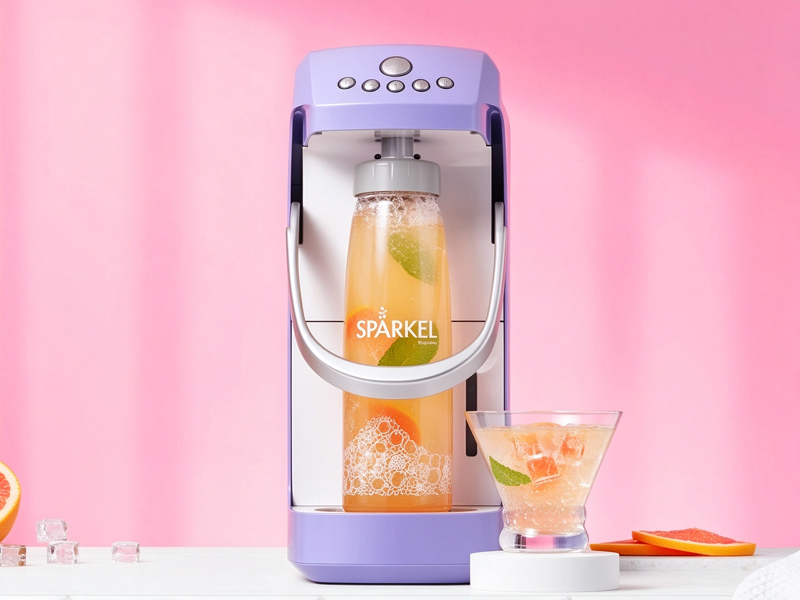
Carbonate the wine, infuse the fruit, skip the tank
The capability that defines the store is the one competitors cannot copy: because no part of the hardware touches your drink, the Spärkel carbonates any cold liquid — juice, iced tea, wine for homemade spritzers, cocktails — and lets you drop fruit, herbs, or tea straight into the bottle before fizzing, infusing flavor and bubbles in the same cycle. Cylinder machines explicitly forbid carbonating anything but water. Reviewers have called it a Keurig for sparkling water, carbonated a fully loaded cocktail at level five, and praised the sealed bottles for holding carbonation for days. The trade-offs are honest: cycles run longer than a SodaStream's seconds-long blast, only cold liquids carbonate well, and loose powder residue will crust on the unit if you skip the wet-cloth wipe-down.
Forty cents a bottle, or DIY and void your warranty
The consumables math is the store's quiet battleground. Official carbonators run about $40 for a ninety-pack — roughly forty-four cents a bottle — which is already a hair cheaper than cylinder CO2 per liter. One meticulous owner did the full accounting: at two bottles a day, the machine and bottles broke even after about nine months, and the second year saved roughly $380 against store-bought sparkling water, with hundreds of empty bottles kept out of the bin. Because the sachets are, in the end, baking soda and citric acid, a community of owners weighs its own powders at pennies per use — the company warns that unauthorized material voids the warranty and risks the machine, and that warning deserves respect even though experienced users report flawless results after a year of home-mixing. Subscriptions on carbonators exist for those who prefer the convenience of never thinking about it.
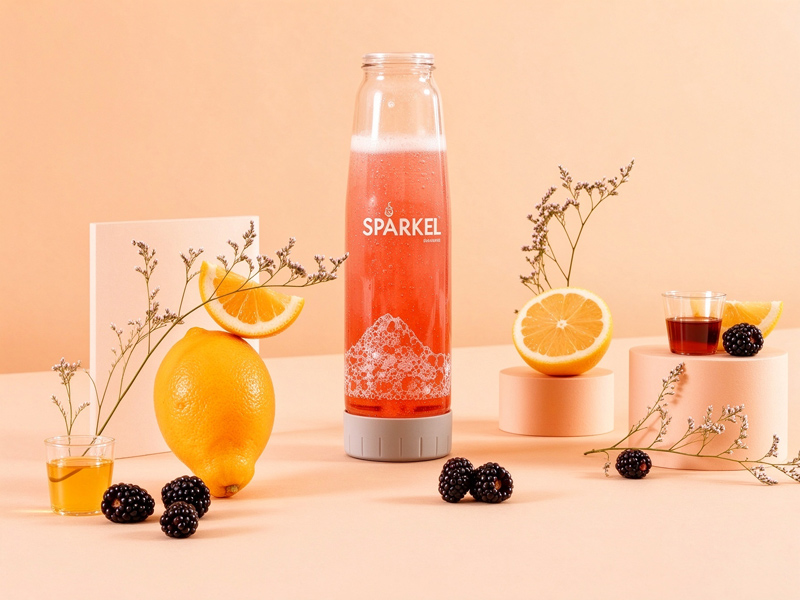
Electric, nine pounds, and the residue drawer
Compared with a cylinder machine's mechanical simplicity, the Spärkel asks more of its owner: it needs electricity to pump CO2, occupies about fifteen inches of height on the counter, and carries two housekeeping routines — the water reservoir and the residue drawer — that cylinder machines simply do not have. Early units drew occasional complaints about bottle seals leaking when gaskets seated imperfectly, a fixable but real nuisance. None of this has dented the enthusiast base: year-later updates from owners describe units that 'continue to work fine,' with taste staying crisp and the ritual becoming second nature.
Plastic-neutral sachets and the waste debate
Spärkel positions itself as the sustainable option — no cylinders to ship back and forth, no bottled water to haul home — and certifies its carbonator program as plastic neutral through a partnership with CleanHub, with sachets made of single-material number-five polypropylene that carries a recycling symbol. The honest counterpoint comes from the same Amazon review sections that praise the machine: dozens of tiny single-use sachets are still dozens of tiny sachets, and the company's own fine print limits official carbonators to its own sachets — a consumables lock-in that the DIY community exists precisely to route around. Both things can be true: greener than cylinders, less green than it advertises.
The last bubble on the Spärkel counter
Spärkel's store sells a genuinely different carbonation chemistry — tank-free, infusion-friendly, and priced to undercut both cylinders and bottled water over time. The checkout math deserves a final look: free shipping on continental US and Canadian orders over $25, a 30-day return window that unusually covers even opened machines, and a one-year replacement warranty thereafter — but returns require an advance Authorization to Return number, and opened carbonator or bottle boxes cannot come back at all. For households that want spritzers and infused waters rather than just sparkling water, it is the most capable carbonator on this tag; for speed-obsessed soda drinkers, a cylinder machine still wins the pour.