Malko saw runners throw away shredded socks, then built a brand
Official homepage: https://mudgear.com
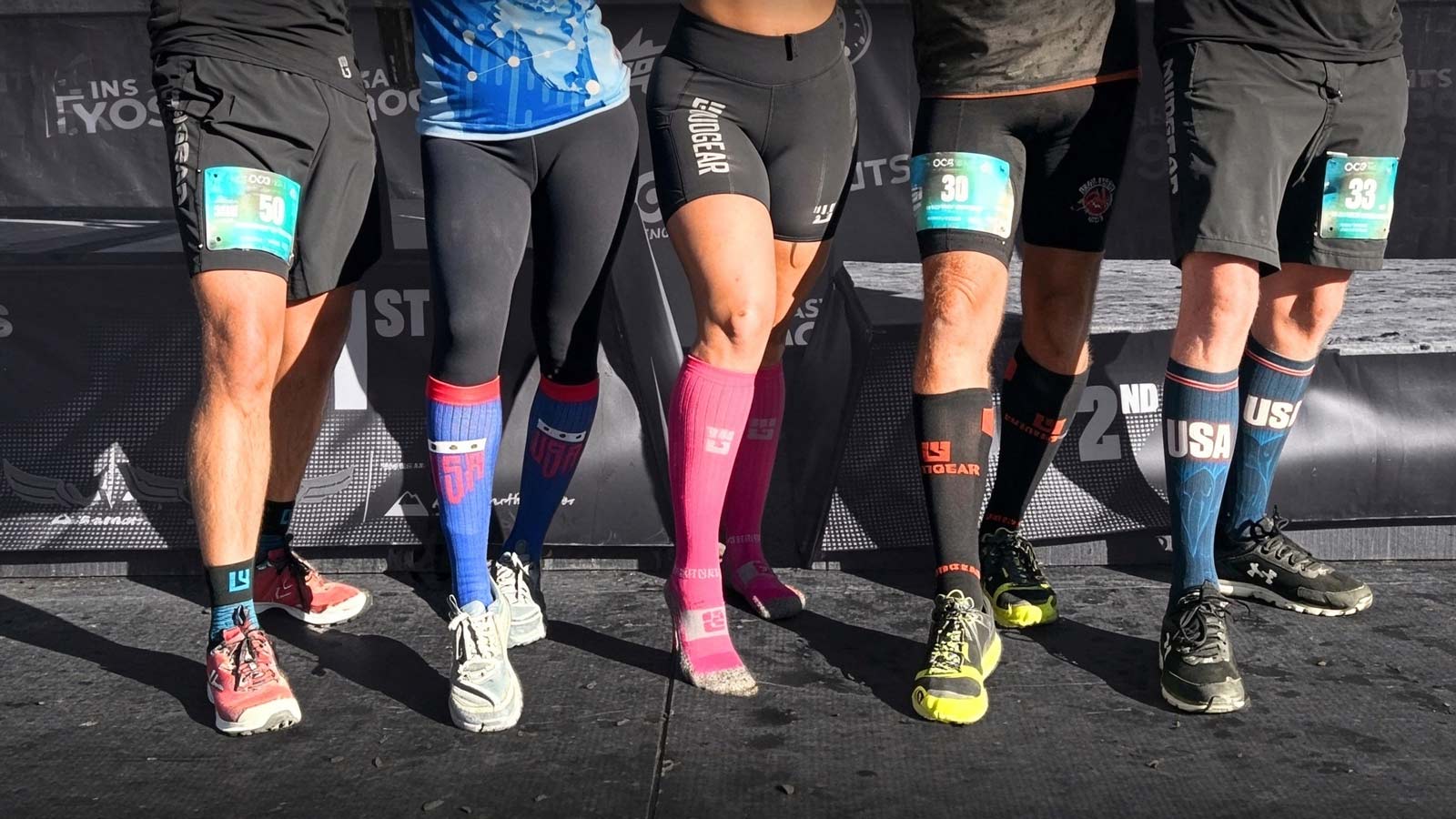
Every origin story starts with a problem. MudGear's started in a trash can. In 2011, a runner named Malko fell in love with obstacle course racing — the Spartans, the Tough Mudders, the weekends of rope climbs and wooden walls and barbed-wire crawls — and kept noticing the same thing at every finish line: people's legs were destroyed. Shredded calves from the climbs and traverses, torn socks abandoned in trash cans, shirts sacrificed to the course. Where most participants saw war stories, Malko saw a product failure with a devoted audience. He founded the company in 2012, named it for the medium that defined the sport, and built his first product for the exact damage he had witnessed — a custom tall compression sock with extra leg protection and drainage channels for the miles of running that follow full submersion. Fourteen years later, that sock is still the best seller, the company still knits every sock in Hickory, North Carolina, and its strangest growth engine — a free outdoor workout community called F3 Nation — has been distributing the gear for over a decade. This review measures the operation across eight dimensions.
Rope climbs, wooden walls, and shredded calves
Where most participants at obstacle races saw war stories, Malko saw a market gap. The founding observation was consistent across events: legs shredded by rope climbs and wall traverses, socks torn beyond saving, abandoned in trash cans at the finish. The damage was predictable, the audience devoted, and the incumbent socks — built for clean pavement — structurally unable to survive the sport. The founding brief wrote itself: build the sock the course could not destroy.
The world's first OCR tall compression sock
The first product claimed a title nobody else could — the world's first OCR tall compression sock. The design logic held up across a decade of course evolution. Where a running sock optimizes for blister prevention on clean pavement, an OCR sock must survive rope climbs that abrade the shin, wall traverses that scuff the calf, and water obstacles that leave conventional compression soggy and heavy for the miles that follow. The answers were structural: extra leg protection knitted into the tall silhouette, a yarn blend selected for drainage rather than pure wicking, and a compression fit that stays put when a leg swings over an eight-foot wall. The design has been iterated rather than replaced.

Made in Hickory with drainage channels
Manufacturing stayed deliberately local. Every MudGear sock is made in Hickory, North Carolina — a supply-chain decision the brand treats as identity rather than logistics, enabling small batches, rapid community feedback, and quality control at arm's length. The catalogue grew from that base with the same solve-the-obvious-problem energy. In 2013 came the quarter-crew trail running sock, built with a super-wicking synthetic blend and drainage features so runners could go many miles without blisters even after full submersion — the water obstacle translated to pure trail running. In 2014, as customers ran longer and later, came the Gloom Runner reflective sock for headlamp hours. In 2019 came the waterproof, air-permeable car seat protector — answering the question every muddy racer faces on the drive home.
A free workout community becomes distribution
The strangest chapter involves no race at all. In 2012, the same year the company launched, Malko joined F3 Nation — the free, outdoor, peer-led workout community that spread across the American South — and became obsessed, starting his own workout location and volunteering to handle the group's apparel orders. As F3 exploded in membership, the MudGear team became the operator of the F3 Gear Store, a partnership that has flourished for over a decade and continues today. The arrangement gave a niche sock brand something money rarely buys: a standing weekly congregation of thousands of high-mileage athletes who test products, evangelize them, and reorder in bulk. It is grassroots distribution that predates the influencer economy, and it remains a load-bearing wall of the business.
From mud runs to Hyrox and rucking
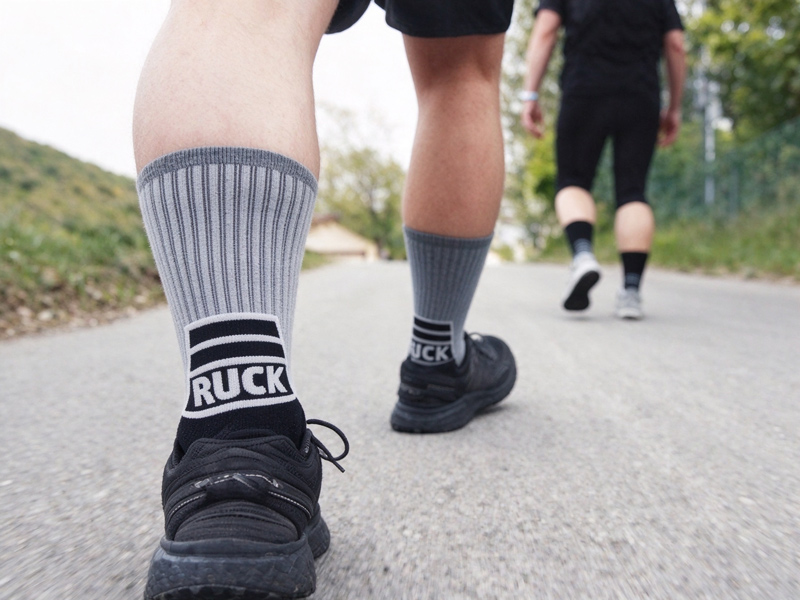
The product line tracked its community's evolution with unusual fidelity. When pandemic lockdowns canceled race calendars in 2020 and 2021, customers shifted to weighted training, and the rucking community — athletes strapping weight to their backs and walking long distances — took shape around the brand's next invention: the Ruck Sock, billed as the first merino wool performance sock built specifically for the sport of rucking. When hybrid fitness competitions like Hyrox and Spartan DEKA rose after the lockdowns, the brand answered with the Hybrid Training Sock, adding ankle stabilization and ridged traction elements for the weighted sled push and pull. The catalog now spans compression sleeves, marathon and ultra-distance merino socks, tactical lines, apparel, and event gear, organized on the site by activity: obstacle racing, trail running, rucking, hybrid fitness, hiking, and mountain biking.
Trail socks, reflective runners, and seat protectors
The commercial texture is community-warm with modern plumbing. The store serves twenty-five-plus currencies through a country selector, runs a GovX discount program for military and first responders, maintains a Team MudGear ambassador program, and sells custom-logo socks alongside race banners and temporary tattoos — the merchandising instincts of a brand that grew up at finish-line festivals. Pricing sits in the mainstream premium sock band, with multi-pair bundles and clearance sections for the deal-minded. For a fourteen-year-old niche brand, the operation punches above its weight in catalog breadth while keeping manufacturing domestic and the founder's first-name voice on the About page.
The returns page that leads nowhere
The flaw worth flagging is administrative, and it is visible to any careful shopper. The site's footer promises returns and exchanges, but the returns page itself currently returns a 404 — the policy details sit behind JavaScript layers or a stale link, which means a buyer with a problem must route through the general contact channel rather than a documented portal. There is no published warranty window this review could verify, and no independent consumer review corpus surfaced beyond the brand's own product pages. None of this is damning for a company whose socks carry fourteen years of finish-line testimonials; it is simply the gap between a community-driven brand's warmth and its back-office paperwork.
Who should gear up for the mud
MudGear in 2026 is for a specific athlete: the obstacle racer who wants the sock the sport was literally built around; the trail runner who appreciated the drainage-first thinking before anyone else did; the rucker and Hyrox athlete whose sports the brand helped dress; the F3 member who has worn the gear for a decade of free workouts; and the supporter of American manufacturing who likes knowing exactly which North Carolina city knits the product. For that athlete, MudGear offers a combination the majors cannot — a founder who watched a niche get shredded and built the fix, a manufacturing line an hour's drive from the office, and a community distribution engine that predates social media marketing. It is less suited to the buyer who demands flawless e-commerce paperwork or a mainstream review record: the returns page leads nowhere, the warranty window is unpublished, and the brand's fame lives in mud pits and workout parks rather than on review platforms. But the sock that started it all is still the best seller, still made in Hickory, and still solving the problem Malko saw at all those finish lines — one shredded calf at a time.