Looney labs, reviewed: three decades of ever-changing fluxx from two ex-nasa engineers
Official homepage: https://looneylabs.com
Most board game stores sell you a product. Looney Labs sells you the output of one marriage, two NASA careers, and thirty years of stubborn independence. Founded in 1996 by Kristin and Andy Looney — aerospace engineers who met at NASA's Goddard Space Flight Center — the Maryland studio is the house that Fluxx built: over four million copies sold, dozens of themed editions, and a fan club that doubles as its marketing department. This review walks through the company's history, its unusually deep catalog, and what buying direct from the source actually looks like.
From Goddard Space Flight Center to a Maryland game studio
The origin story is almost too neat. Andy and Kristin met at NASA in 1986; a year later Andy wrote a short story describing a fictional game played with pyramid-shaped pieces, and friends helped turn fiction into a real game system. A first company, Icehouse Games, sold about a hundred hand-made sets in 1989. Everything changed on July 24, 1996, when Andy invented Fluxx — a card game whose rules change as you play it. The initial 5,000-deck print run appeared in 1997, was licensed to Iron Crown Enterprises a year later, and came back home when ICE went bankrupt in 2000. Kristin quit aerospace in late 1999 and Andy followed by 2002. The company grew through basements, a rented attic, and the whimsically named Pepperland office before settling in College Park, Maryland — and it remains founder-run today, with a small full-time team, part-timers, and what its own site calls an army of fans, some of whom have become investors.
One flagship, forty faces: Fluxx and its many licensed lives
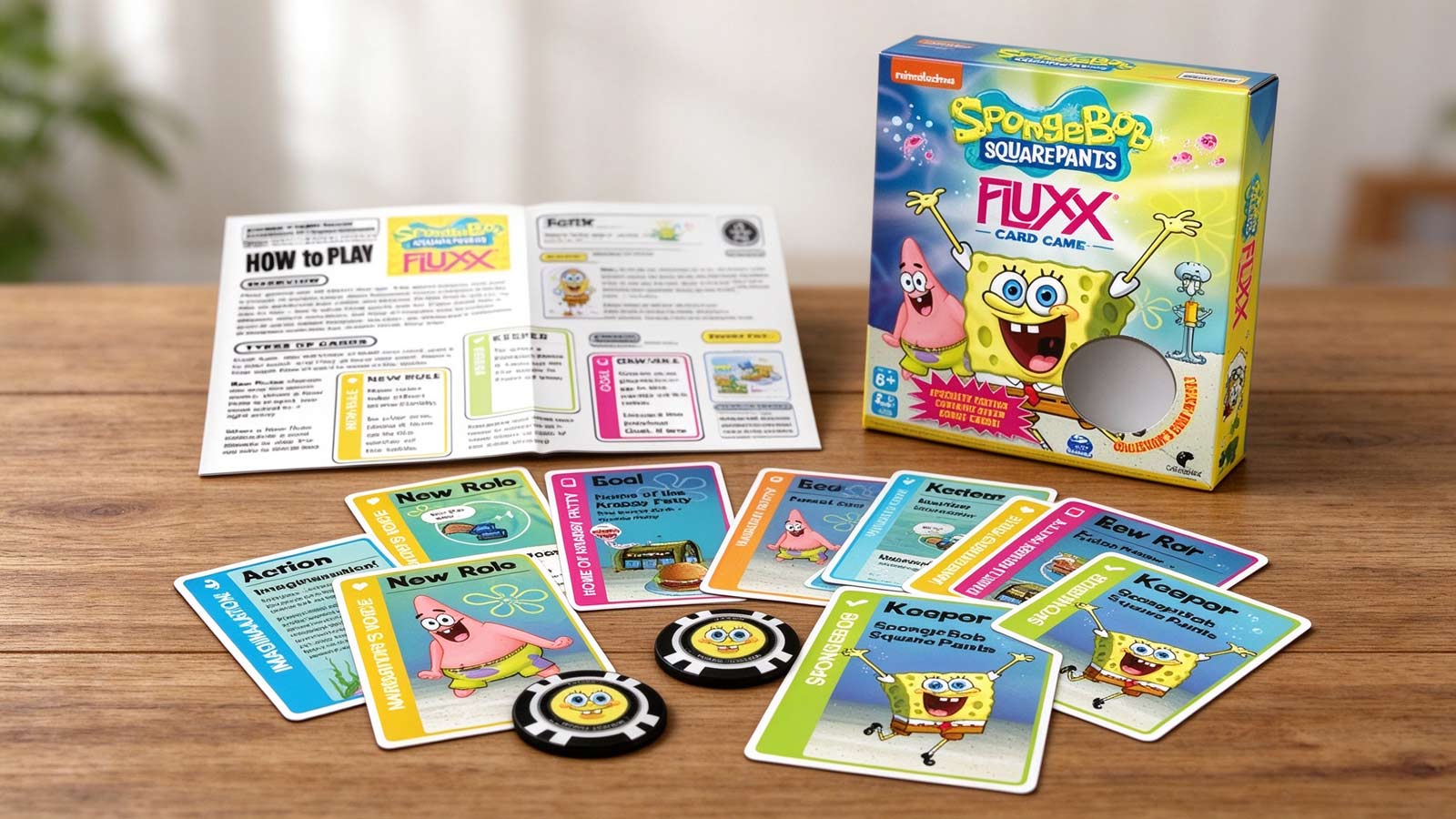
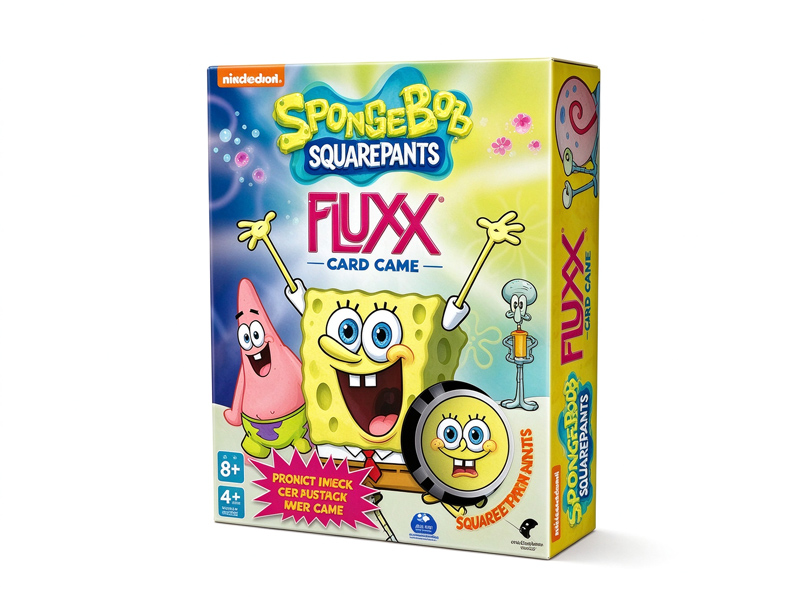
Fluxx is "the card game with ever-changing rules," and it has carried the company for three decades: over four million copies sold and translations into eleven languages. The catalog keeps multiplying through themed and licensed editions. Zombie Fluxx arrived in 2007 and introduced the Creeper card type; Monty Python, Batman, Doctor Who, Marvel, and Jumanji editions followed, with the Jumanji and Marvel versions reaching Walmart and Target shelves. The current storefront features Star Trek: Lower Decks Fluxx, Disney's Hundred Acre Wood Fluxx, Word Fluxx, Mystery Fluxx, and pet-themed Cat and Dog Fluxx — with the newest decks, like Cat Fluxx, listed at $20. There is even a Mad Libs card game built with Penguin Young Readers. Few publishers have stretched one core design this far without breaking it.
Pyramids, a time-travel patent, and experiments beyond Fluxx
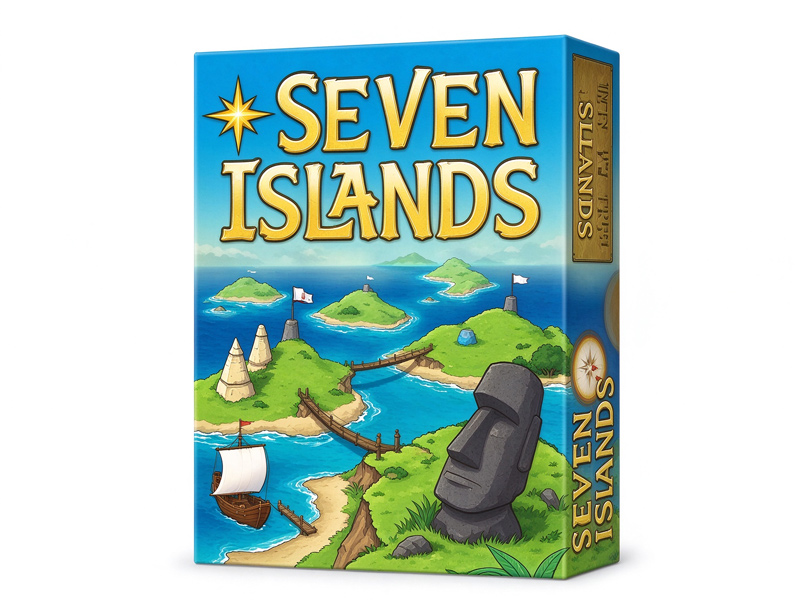
Beneath the Fluxx umbrella sits a catalog of genuine experiments. The Looney Pyramids — descendants of that 1987 short story — form an open game system with hundreds of fan-invented games; Pyramid Arcade packs 22 of them into one box, and the abstract strategy game Homeworlds is so demanding that Andy will award a medal to anyone who beats him. Chrononauts, the time-travel card game, earned an Origins Award, a Parents' Choice honor, and an actual U.S. patent for simulating time travel in a card game. Rounding out the line are the speed-matching game Loonacy, dessert-building card game Just Desserts, Get the MacGuffin, Aquarius, TimeBreaker, and the new Seven Islands. Across its history the company has collected eight Origins Awards plus Mensa Select and Games 100 recognition.
Classroom shelves: the store's curriculum-filtered game aisles
The online shop is organized less like a toy store and more like a teacher's supply cabinet. Alongside the standard product-line menus, an education section sorts games by school subject — Math, Science, History, English Language Arts, Critical Thinking, Social Emotional Learning, Literature and Film, and world languages — making it unusually easy for parents and teachers to shop by learning goal rather than by brand. A store locator points buyers to local retailers, a dedicated retailer portal serves shops, and the "More Fun" area gives away print-and-play games, printable rule sheets for every title, and digital extras. A newsletter doles out product alerts and coupon codes.
Buying direct: catalog prices, policies, and the free extras
Buying from the source is straightforward. Decks like Cat Fluxx sit at $20, and the checkout accepts Shop Pay, Apple Pay, Google Pay, PayPal, and major cards. The refund policy gives you 30 days after delivery to request a full refund of the purchase price via a direct email to the team; unless the store made a mistake, return shipping is on the buyer, and a dedicated shipping policy page spells out the rest. The direct store also carries items you will not find in mass retail — expansion packs, promo cards, accessories, and a "Vault" of harder-to-find stock. Perhaps the smartest perk is the free layer: with every rule sheet and a library of print-and-play games available before you spend anything, you can sample the design philosophy at zero cost.
The takeaway after thirty years of creating fun
Looney Labs is a rarity in an industry increasingly built on crowdfunding campaigns and venture-backed miniatures: a self-funded, founder-owned publisher whose store reflects the same playful eccentricity as its games. The direct shop will not dazzle you with luxury production or deep discounts — its strengths are catalog depth, transparency, and a community built over decades. For party-game fans, licensed-deck collectors, and educators alike, it remains one of the most characterful places in board gaming to hand over twenty dollars.