Italist review: italian luxury at up to forty percent off, and the returns fine print

Official homepage: https://www.italist.com
Ask luxury shoppers where they buy designer goods at Italian prices and one name keeps coming up: Italist. The Los Angeles-based marketplace has spent a decade quietly piping the stockrooms of roughly two hundred Italian boutiques to doorsteps in about eighty-five countries, promising in-season pieces from Gucci, Prada, and thousands of smaller houses at discounts that can reach forty percent below US retail. The catch — and there is one — sits buried in the returns and customs policy. This review measures both sides of that bargain, from the founder's Venice childhood to the fourteen-day return clock.
A Venice childhood, a Silicon Valley launch, one idea
Founder Diego Abba grew up in Venice in what he describes as a family with a near-ritual dedication to dressing well — he wore his first tailored jacket at four. His career wandered between fashion and technology for two decades: strategy at Bain, building a consumer subsidiary for Procter & Gamble in Vietnam, running a back-end technology company for the video game industry, and serving on the board of a luxury knitwear business with ties to the major fashion houses. The idea for Italist came from watching tourists queue outside Italian boutiques. People fly to Italy for the prices and selection, so why not pipe the boutiques' own inventory to anyone's doorstep? The name is a contraction of Italian and list — a curated list of Italian fashion finds. In the fall of 2015, 500 Startups and other investors put roughly half a million dollars behind the concept, and the company moved its base to Los Angeles, where it remains, with teams in both LA and Milan.
How a marketplace of two hundred Italian boutiques works
The model is deliberately narrow. Italist does not buy inventory and does not warehouse product. It partners with around two hundred of Italy's independent multi-brand boutiques, whose buyers curate the assortment and whose stockrooms dispatch each order. Abba has explained that these boutiques collectively represent the bulk of Italy's luxury fashion sales volume, which is why browsing the site feels like walking the streets of Milan rather than scrolling a conventional e-commerce catalogue. For the shopper, one checkout covers hundreds of stores; for the boutiques, it means access to international customers without building an export operation of their own. The trade-off is fragmentation: a single order may be split across multiple boutiques, each dispatching separately, and sizing consistency across Italian, French, and American labels is the buyer's homework.
What you can buy, from runway pieces to kids
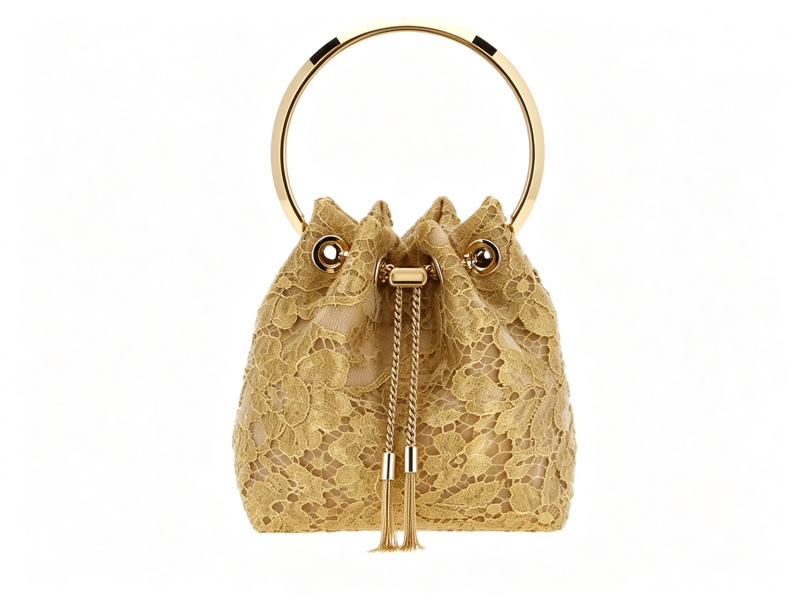
The catalogue spans more than 2,500 brands and several hundred thousand items — grown from over a thousand brands in the platform's early years into one of the widest luxury assortments online. Women's and men's ready-to-wear anchors the site, but the departments extend to handbags, shoes, fine jewellery, eyewear, watches, home, and kids — genuine department-store breadth, which answers the obvious question of what Italist actually is. It is not an outlet selling past-season leftovers: everything listed is brand-new and in-season, from global houses to small Italian labels that rarely export.
The pricing engine that undercuts American retail
The economic promise is simple and unusually well documented. Because items are sold at Italian retail prices rather than American or Asian ones, Italist claims savings of up to forty percent against other markets, and third-party price checks over the years have repeatedly confirmed double-digit gaps. The platform is candid about how it funds this: with no physical stores, minimal gift wrap, and inventory it never owns, it takes a commission estimated at twenty to thirty percent from its boutique partners and passes the structural savings on. Newsletter subscribers get an additional five percent off a first order, and sale sections can run fifty percent below an already-lower baseline — which is why seasoned luxury shoppers treat the site as a price-comparison tool before buying anything full price anywhere else.
Free express shipping, signature required, four days
Shipping is a genuine strength. Express delivery is free on every order worldwide, handled through DHL or UPS, and the standard promise is dispatch within roughly four business days with total transit of about a week. Packages require a signature, tracking is end-to-end, and multiple Trustpilot reviewers describe ordering on a Monday and holding the item by Friday — remarkable for cross-border delivery. The friction arrives at the border rather than the warehouse, and the duty structure matters more here than at most competitors.
Duties at checkout or on delivery, and never refunded
Here is the clause that generates the angriest reviews. In some destinations, duties and taxes are calculated and collected at checkout, so the price paid is final. In others, the order ships DDU — delivered duty unpaid — meaning the courier collects import charges on arrival, sometimes weeks after the purchase felt complete, and those charges can be startling on a discounted item. Italist is explicit that customs duties are non-refundable, even if you return the item, and directs customers who want that money back to their local customs bureau. Shoppers in the US, UK, EU, and several Asian markets can see which regime applies to them at checkout; anyone ordering from a DDU destination should treat the listed price as a starting bid, not a total.
The fourteen day return window and its real costs
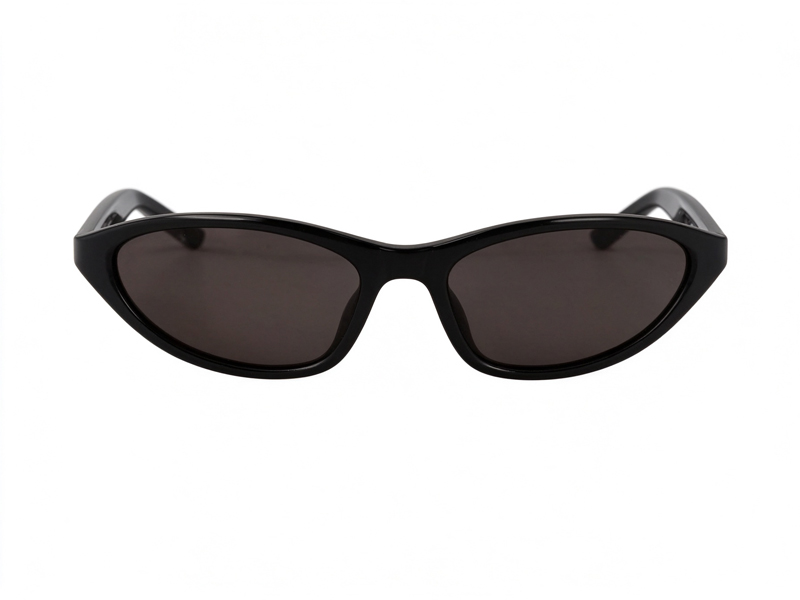
Returns are where the fine print bites hardest. You have fourteen days from delivery to initiate a return, and the item must be shipped back within that same window — back to Italy, through DHL, with the customer bearing return shipping, customs charges, and processing fees, all deducted from the refund. Multiple reviewers put the effective cost of returning a mid-priced item near a hundred dollars. Choosing store credit instead of a card refund waives all of those deductions, which reveals where the platform's incentives sit, and there are no exchanges at all. Entire categories are excluded outright: underwear, swimwear, fur, feathered items, down jackets, jewellery, eyewear, and watches. Once the item lands back in Italy, refund processing takes one to two weeks — a delay theme that recurs throughout the platform's review history, though responses are public, frequent, and increasingly apologetic.
Authenticity promises and the boutique question
Authenticity is the axis buyers rightly scrutinise. Italist sells a lifetime authenticity guarantee — a full refund if any item is ever proven inauthentic — and positions itself as the anti-counterfeit alternative to grey-market sellers, since every piece is sourced from authorised boutiques. Yet the platform has faced the same scepticism every luxury marketplace endures. In a 2016 investigation, a reporter traced a purchased item's origin and found it shipped from an Italian entity fully owned by Italist rather than from an identifiable partner boutique — a fact the company acknowledged while noting the goods were the same authentic stock. The honest summary: merchandise is overwhelmingly verified as genuine by buyers, the guarantee is real, but Italist behaves as much like a hybrid retailer as a pure marketplace, and shoppers who care about boutique-level provenance per item should know the platform does not always disclose which store fulfilled an order.
What thousands of Trustpilot reviews reveal about service
The independent reputation record is mixed, and worth reading before a first order. Trustpilot scores the platform in the mid-three-star range out of five across thousands of reviews — respectable for volume, well below luxury-marketplace leaders. Positive reviews praise arrival speed, packaging, and price, with repeat customers comparing savings against Saks or Neiman Marcus. Negative reviews cluster tightly: refunds taking months rather than weeks, cancelled orders for out-of-stock items where store credit was offered instead of a card refund, return costs approaching the value of cheaper pieces, and limited human support, with live agents available on US weekday mornings only and a chatbot covering everything else. Company replies are frequent and specific — a visible sign of a support organisation that has been rebuilt at least once.
Who saves money here, and who bears the risk
Italist makes economic sense for a particular shopper: someone who knows their size in a specific label, is buying a piece they intend to keep, and wants the in-season item at a meaningfully lower price than their local market. That buyer captures the full thirty-to-forty percent arbitrage with almost none of the risk. The calculus inverts for browsers, gift-givers, and anyone uncertain about fit — the fourteen-day window, paid returns, non-refundable duties, and excluded categories convert every hesitation into a potential loss. Used with discipline, it is one of the sharpest luxury-buying tools on the internet; used casually, the savings evaporate into fees. A decade in, with hundreds of thousands of pieces listed and physical expansion into New York under consideration, the model has proven durable — for the right kind of customer.