The london boutique that discovered alexander mcqueen now runs a truly global department store
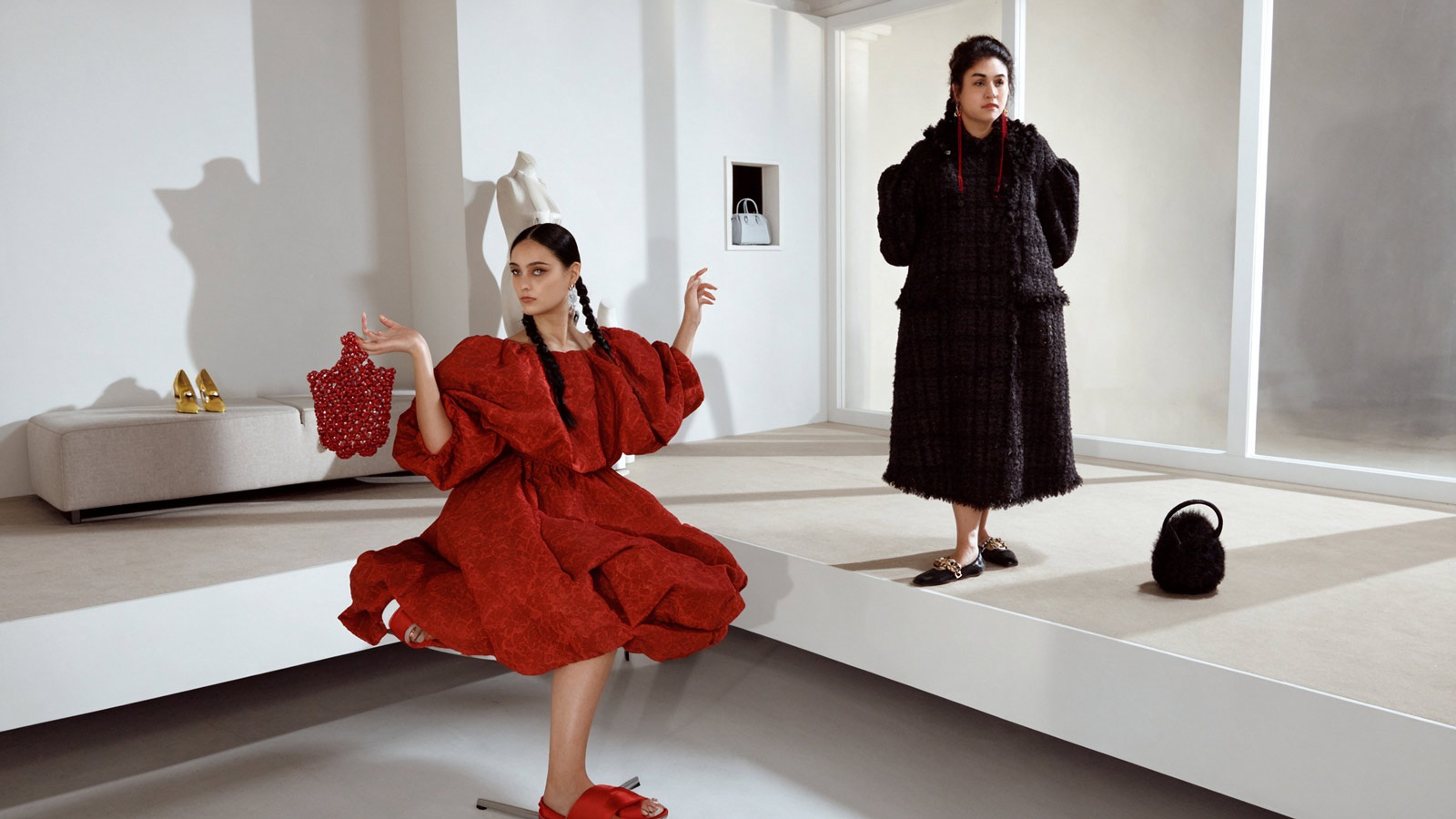
Official homepage: https://www.brownsfashion.com
Browns has been a force in British fashion since 1970, when Joan and Sidney Burstein opened a small boutique on South Molton Street in London's Mayfair. Over five decades it became the retailer that brought Calvin Klein, Giorgio Armani, and Comme des Garçons to the UK, and the shop where Alexander McQueen, John Galliano, and Christopher Kane were discovered. Today, under the ownership of Farfetch and its South Korean parent Coupang, the Mayfair institution operates as a global online department store shipping to over 190 countries. This review weighs that extraordinary curation against the realities of buying from it — the shipping, the returns, and the service reputation it has accumulated along the way.
A South Molton Street Rail That Kept Out-Dressing London
The Browns legend starts with nerve. In 1970 Joan Burstein — "Mrs B" to the industry, later awarded a CBE for services to fashion — and her husband Sidney opened their boutique at 27 South Molton Street and kept expanding through five connecting Georgian townhouses. Their instinct was to stock what others considered too risky: John Galliano while he was still a student, a young Alexander McQueen, Hussein Chalayan, and later Christopher Kane. At the same time they became the British launchpad for the houses that now define luxury — Calvin Klein, Ralph Lauren, Giorgio Armani, Missoni, Donna Karan, Jil Sander, and Comme des Garçons all reached UK shoppers through Browns first. The family stayed close to the shop: daughter Caroline Burstein, founder of Molton Brown, returned as creative director in 1993, and son Simon became CEO. That combination — a buyer's eye with real consequences and a family willing to back it — is the asset Farfetch was actually buying in May 2015.
The Buyer's Eye That Launched Careers, Not Just Trends
What separates Browns from a marketplace is that its merchandise is chosen by people with opinions. The modern expression of that instinct lives in Browns Focus, a dedicated program that mentors and stocks emerging labels — recent classes have included Gauge81, Aya Muse, and Paula Canovas del Vas — the same way the original shop incubated careers half a century ago. Under CEO Elizabeth von der Goltz, a veteran of Bergdorf Goodman and Net-a-Porter who took the helm in early 2023, Browns has deliberately tried to return to its roots after the corporate-heavy middle years. The relevance for an online shopper is practical: this is one of the few stores where browsing new arrivals genuinely surfaces names you have not seen everywhere else, which is precisely what a department store is supposed to do.

What Fifty Years of Taste Looks Like on the Shelf
The catalogue stretches across womenswear, menswear, beachwear, footwear, bags, jewellery, and accessories, then spills into adjacent territory — designer home objects and even pet accessories appear in the mix. The brand list reads like a fashion history seminar conducted in real time: Alaïa and Missoni near McQueen and Galliano's own lines, with streetwise names such as Rick Owens and Brunello Cucinelli sharing pages with the young designers from Browns Focus. Pricing is unapologetically luxury, running from the mid-hundreds into four figures, softened by a sale section that has historically cut as deep as 60 to 75 percent on designer stock. Browns also produces exclusive capsules and collaborations unavailable at other multi-brand retailers — one of the few arguments for shopping here rather than directly from a brand's own site.
DHL Express, Duties Shown Upfront, Alipay at Checkout
Logistically, Browns behaves like the global retailer its heritage implies. It ships to more than 190 countries, with DHL Express handling international delivery and taxes and duties calculated and displayed before you pay, so the parcel lands without a customs ambush — an important distinction from retailers that ship duty-unpaid and let the border collect. In the UK, standard delivery runs about £5 and turns free over £150, with express options near £8 and same-day delivery for central London postcodes; collection from the Brook Street flagship is on the menu too. Checkout accepts the expected cards and PayPal, plus Alipay for Asian shoppers, a legacy of Browns' early enthusiasm for international customers. Most deliveries arrive on the quoted timeline, though independent review sites surface a recurring minority of customs paperwork and carrier handoff problems on cross-border orders — the tax of shipping luxury worldwide.
Fourteen Days to Change Your Mind, Longer to Get Paid
Here is where the fairy tale meets the paperwork. Browns offers a 14-day return window from delivery — among the shortest of any major fashion department store — with a free returns collection service in many regions and refunds released only after the warehouse inspects the item. The conditions are strict: unworn, tags attached, designer packaging intact. And the honest texture of this store is that independent review platforms tell a mixed story — Trustpilot has run in the low range for a retailer of this stature, and the complaints cluster tightly around one theme: refund speed. Shippers report parcels sitting at warehouses, weeks of silence, and disputes escalated to payment providers before money came back. The company does respond publicly to the overwhelming majority of its negative reviews, which suggests a customer care team that is present but stretched. The practical advice is procedural: return with tracking, keep proof, and escalate through your payment provider early if a refund passes the stated timeline.
When the Storefront Became a Showcase, Not the Store
Browns' physical story mirrors its corporate one. The South Molton Street townhouses gave way in 2020 to a Dimore Studio-designed Mayfair flagship on Brook Street — four floors of connected mirrors, private shopping suites, and store-of-the-future technology built partly to demonstrate what Farfetch could sell to other retailers. The experimental Browns East in Shoreditch opened in 2017 and closed in 2022. Then came the turbulence: Farfetch's financial crisis in late 2023 forced a $500 million Coupang bailout, a delisting, the shutdown of its white-label platform business, and persistent questions about Browns' future under the new ownership. Through it all, the website kept trading, and by late 2024 parent-company reports had Farfetch approaching breakeven on an operating basis — a quieter, more disciplined company than the empire that bought Browns. The boutique today is best understood as a curated flagship with a worldwide delivery radius rather than a high-street chain, which is either a charming anachronism or a vulnerability, depending on how much the Brook Street address matters to you.
The Verdict for Romantics, Pragmatists, and Everyone Between
Browns is a department store built on taste rather than scale — the rare online shop where a buyer's judgment, not an algorithm, decides what deserves your attention. Its strengths are genuine and hard to copy: more than five decades of curation credibility, a Focus program that still launches careers, duties-shown shipping to over 190 countries, and access to labels many rivals ignore. Its weaknesses are equally real: a fourteen-day return window, a documented pattern of slow refunds, and an ownership structure in flux since 2023. We recommend Browns most warmly to the designer-curious shopper who values discovery over discounts and can tolerate procedural patience; if your priority is frictionless after-sales service or thirty-day returns, other luxury retailers make life easier. For everyone else, this remains one of the last places on the internet where shopping still feels like an edit.