How wolf & badger became the anti-fast-fashion department store for two thousand independent brands

Official homepage: https://www.wolfandbadger.com
Most department stores try to be everything to everyone. Wolf & Badger takes the opposite bet: it would rather stock two thousand fiercely independent labels than twenty thousand safe ones, and it has built fifteen years of growth on that restraint. Founded in February 2010 by brothers George and Henry Graham, the business began as a single boutique on Notting Hill's Ledbury Road in London, where the two stocked rail space for emerging designers who had no realistic route into conventional retail. The name is a family in-joke — George was the wolf, Henry the badger, nicknames carried since childhood — and that personal origin still shapes the company's identity as a platform built by and for independents.
Two brothers, a Notting Hill boutique, and a big idea
The founding insight was practical rather than romantic. George Graham has explained that roughly 300 to 400 brands apply to join the platform every month, and the company could easily host 20,000 of them — it deliberately caps the number at around 2,000 to protect the browsing experience. Every applicant is vetted for product quality, design-led differentiation, and supply chain practices before a single item goes live. That curation-first posture is the store's core promise: you are not browsing a marketplace, you are browsing an edit.
What the catalog actually looks like across every department
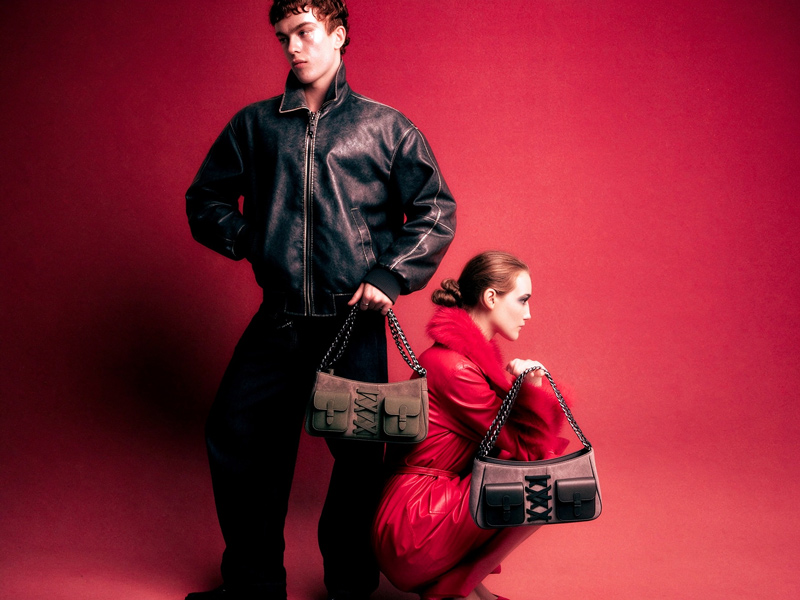
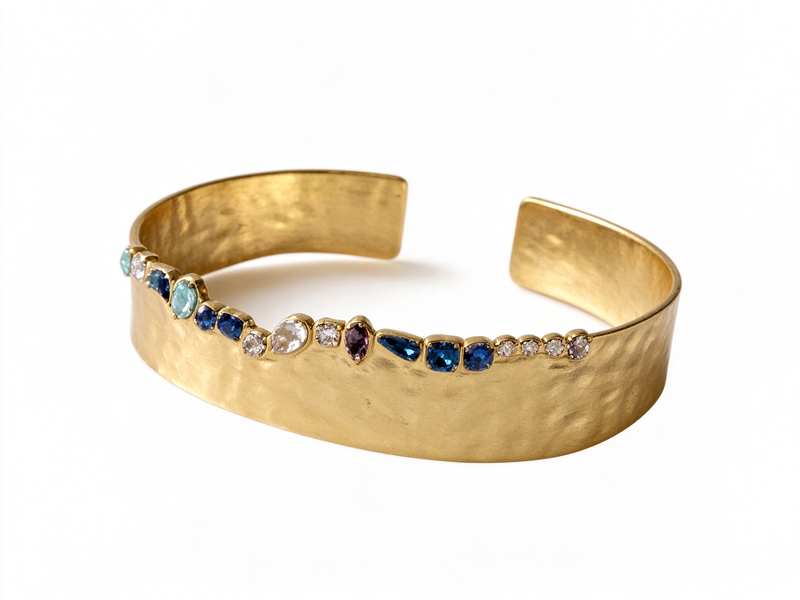
The assortment spans womenswear, menswear, fine jewellery, bags, shoes, homeware, beauty and wellness, gifts, and a luxury pet category added in 2024. Jewellery typically runs from about $110 to $600, positioning the store at premium-high-street to entry-luxury rather than true luxury. The range has scaled dramatically — from 564 active brands at the end of 2019 to over a thousand a year later — and the platform now serves customers in around 70 countries, with roughly 55 percent of its audience based in the United States.
How the marketplace model works behind the scenes
For shoppers, the model is mostly invisible: one checkout, one payment, and Wolf & Badger orchestrates delivery and customer service. Behind the curtain it is a consignment business — brands pay an annual fee reported at under $1,800 as of 2026, down from a previous $400 per month, and the platform takes a commission on each sale that independent estimates place between roughly a third and 40 percent of the retail price. In exchange, brands get photography-standard listings, cross-border logistics, and access to an audience that has generated more than half a billion dollars in cumulative sales between 2010 and early 2026, with annual gross merchandise value recently around the $100 million mark.
B Corp certification and the guarantees behind products
Sustainability is the marketing spine, and unusually for this sector it is audited rather than merely asserted. Wolf & Badger became a certified B Corporation in May 2021 and was recertified in 2025 with a 34 percent score improvement, the same year it won Retailer of the Year at the Drapers Conscious Fashion Awards. Its own Guarantee Index marks provenance claims across the entire catalogue, a Happy Worker Guarantee applies to every listed brand, and an annual impact report is published. For shoppers who treat ethics claims with justified scepticism, third-party B Lab verification is a materially stronger signal than self-declared green badges.
From a London side street to three flagship cities
The physical footprint is small but deliberate. After the original Notting Hill shop, the company opened on New York's Grand Street in SoHo in 2016 and later expanded to West Hollywood in Los Angeles, where the store posted a 40 percent sales increase in 2025 driven by creator events. A Soho flagship at 102 Berwick Street opened in London in 2024, replacing earlier Coal Drops Yard and Shoreditch locations. The New York store recorded its largest-ever single sales day in October 2025, and the London store grew sales 7 percent year on year despite declining footfall — evidence that the stores function as brand theatres and local return points as much as revenue centres.
Delivery times, duties, and multi-brand shipping explained
Shipping works differently here than at a conventional department store, and understanding it prevents checkout surprises. Each independent brand dispatches its own orders, so a basket containing items from three brands arrives in three packages, potentially from different countries — and delivery fees are charged per brand: $10 per brand in the United States with free delivery above $250, £6 per brand in the United Kingdom above £200. The trade-off is customs clarity: through a long-running partnership with DHL, orders are fully inclusive of duties and taxes for 31 destinations including the US, UK, Australia, Canada, and the entire EU, regardless of where the brand ships from, and checkout shows an estimated delivery window before you pay.
Returns, refunds, and the fourteen-day clock
Returns are free worldwide, which is genuinely rare among marketplaces of this size — but the clock is tight. You must request a return through the portal within 14 days of receiving your delivery, then send the item back within 14 days of requesting, with original packaging and tags intact. Items return to the independent brand directly, not to a Wolf & Badger warehouse, and refunds are issued once the brand confirms receipt, typically within three working days. Original delivery fees are not refunded, and exchanges are not offered at all — the official guidance is to return the item for free and place a new order. Made-to-order pieces, sealed beauty products, and face masks are non-refundable.
What sixty thousand Trustpilot reviews reveal about the experience
Reputation is where the marketplace model shows its seams. Trustpilot scores the store Excellent at roughly 4.5 out of 5 across more than 63,000 reviews, with frequent praise for packaging, delivery speed, and assortment uniqueness. The negative reviews cluster around predictable fault lines: a damaged item whose replacement depends on a third-party brand responding, a return a brand claims never to have received, refunds that take weeks rather than days because two companies must coordinate. Company responses on Trustpilot are frequent and detailed, often explaining the brand-side dependency — helpful, but it does not eliminate the structural lag.
Prices, price matching, and when buying direct makes sense
Pricing carries a marketplace premium, and Wolf & Badger is unusually transparent about it: its price-match policy applies only when the identical item is cheaper on the brand's own website. Several reviewers note that buying direct can undercut the platform meaningfully on repeat purchases — the honest arithmetic of a 33 to 40 percent commission. Newsletter subscribers receive 10 percent off a first order, students get 10 percent through UNiDAYS, and seasonal sales have historically run as deep as 50 to 70 percent off.
Who should shop here, and who probably should not
Wolf & Badger is best understood as a curated discovery engine rather than a discounter. If you want one basket, predictable sizing, and instant refunds, a conventional department store will serve you better. If you want jewellery, clothing, homeware, and gifts from labels you will not find at a mall — audited by a B Corp standard, shipped duty-paid to 31 countries, and returnable for free worldwide — it remains one of the most credible marketplaces of its kind, fifteen years and half a billion dollars of brand sales into its run.